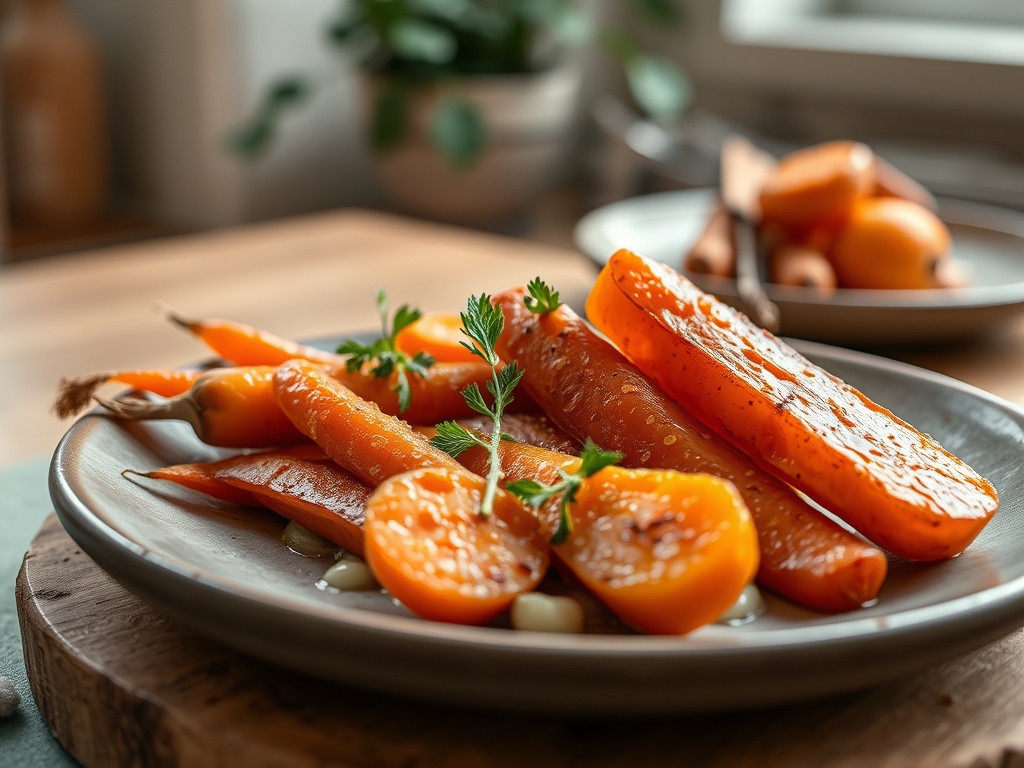
Picture the scent of caramelized natural sugars drifting through your kitchen as the oven works its magic on a tray of vibrant roots. When you are hunting for the ultimate carrots and sweet potato recipes, you are not just looking for a side dish; you are looking for that perfect intersection of velvet texture and charred, smoky edges.
The magic of these two vegetables lies in their shared chemical profile. Both are packed with beta-carotene and complex carbohydrates that undergo a spectacular transformation when exposed to high, dry heat. This is not just cooking; it is a controlled study in the Maillard reaction. We are taking humble, earthy tubers and elevating them into a centerpiece that rivals any protein on the plate. Whether you are prepping for a Sunday roast or a quick weeknight glow-up, mastering the balance of sweetness and acidity is the secret to a dish that feels both indulgent and incredibly clean. Let us dive into the technical nuances that turn a simple roast into a culinary masterpiece.
The Gathers:
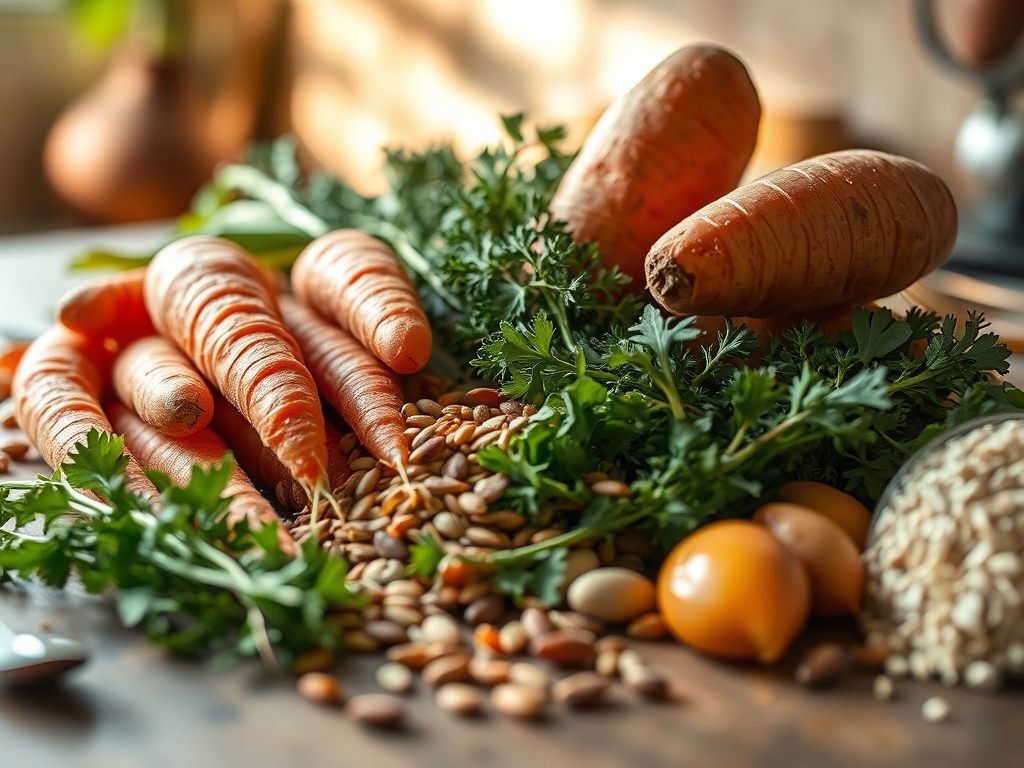
To execute these carrots and sweet potato recipes with precision, your mise-en-place must be impeccable. Start with heirloom carrots if available; their varying diameters provide a beautiful visual contrast. For the sweet potatoes, look for Garnet or Jewel varieties for their high moisture content and deep orange hue. You will need a high-smoke-point fat like avocado oil or clarified butter to ensure the sugars do not scorch before the interior softens.
Your aromatics are equally vital. Fresh thyme and rosemary contain volatile oils that infuse the fat during the roasting process. A heavy-bottomed sheet pan is non-negotiable here to prevent warping and ensure even heat distribution. Grab your microplane for zesting citrus and a digital scale to ensure your salt ratios are exact.
Smart Substitutions:
If you are avoiding nightshades or looking for a lower glycemic index, swap half the sweet potatoes for parsnips. They offer a similar starch profile but with a sharp, peppery finish. For a vegan fat substitute, use cold-pressed coconut oil; it provides a viscous mouthfeel that mimics the richness of dairy without the lactose.
The Clock: Chef's Flow
Efficiency in the kitchen is about managing the "Chef's Flow." Total active prep time for these recipes is approximately 15 minutes, while the oven does the heavy lifting for 35 to 40 minutes.
The flow begins with preheating your oven to a staggering 425 degrees Fahrenheit. While the air oscillates, you perform your knife work. Use a bench scraper to clear your board quickly. The goal is to have the vegetables hitting the hot pan the moment the timer dings. This immediate contact initiates the searing process, preventing the vegetables from steaming in their own juices.
The Masterclass:
1. The Precision Cut
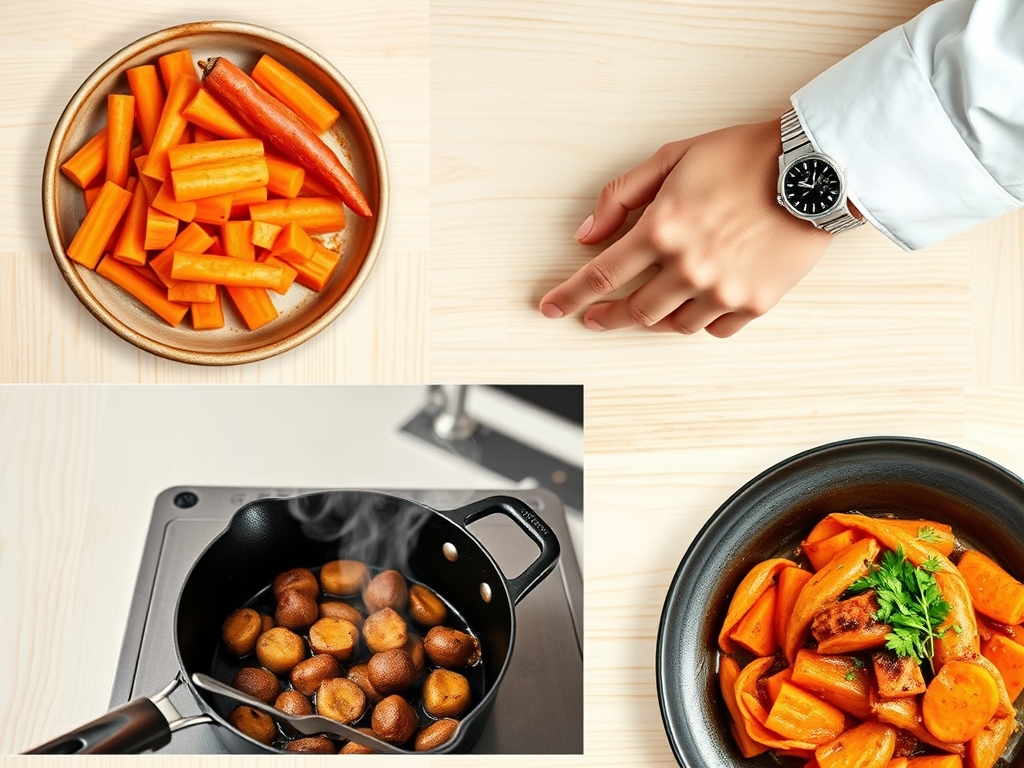
Uniformity is the soul of even cooking. Use a sharp chef knife to cut the sweet potatoes into one-inch cubes and the carrots into diagonal batons of similar mass. If the carrots are particularly thick, halve them lengthwise.
Pro Tip: This uniformity prevents enzymatic browning from occurring unevenly. By exposing similar surface areas, you ensure that every piece reaches the peak of caramelization at the exact same moment.
2. The Emulsion Toss
In a large stainless steel bowl, whisk your oil, salt, and spices until they form a temporary emulsion. Toss the vegetables vigorously until every crevice is coated. This layer of fat acts as a heat conductor.
Pro Tip: Using a saucier to slightly warm your oil with the hardy herbs before tossing will render the essential oils, deeply flavoring the vegetables from the outside in.
3. The Single Layer Spread
Transfer the vegetables to your preheated sheet pan. Listen for the sizzle; that is the sound of moisture evaporating. Use tongs to ensure no two pieces are overlapping. Crowding the pan leads to a soggy, boiled texture.
Pro Tip: Proper spacing allows for convection airflow. Without enough room, the steam trapped between the vegetables prevents the exterior from becoming crisp and piquant.
4. The Mid-Roast Agitation
At the twenty-minute mark, use a metal spatula to flip and rotate the vegetables. This ensures that the side in contact with the hot metal does not over-caramelize while the top remains pale.
Pro Tip: This step accounts for thermal carryover. By moving the pieces, you redistribute the internal heat, ensuring the starches break down into maltose without burning the delicate skin.
5. The Acidic Finish
Once the vegetables are fork-tender with charred edges, remove them from the oven. Immediately hit them with a squeeze of fresh lemon juice or a splash of apple cider vinegar. This will deglaze the slight sugars stuck to the pan and brighten the entire profile.
Pro Tip: Adding acid at the end balances the high sugar content of the roots. It creates a chemical contrast that makes the natural sweetness pop without being cloying.
The Deep Dive:
When we look at the macro nutrition of carrots and sweet potato recipes, we are talking about a powerhouse of Vitamin A, fiber, and potassium. A standard serving provides roughly 150 calories, with the majority coming from complex carbohydrates that provide sustained energy.
Dietary Swaps:
For a Keto-friendly version, lean heavily on the carrots and reduce the sweet potato ratio, or swap potatoes for cauliflower florets. To keep it Strictly Vegan, ensure your glaze uses maple syrup instead of honey. All these variations are naturally Gluten-Free, provided your spice blends are pure.
The Fix-It:
- Soggy Vegetables: Your oven temperature was too low or the pan was crowded. Fix it by cranking the heat to 450 for the last five minutes.
- Burnt Tips, Raw Centers: Your pieces were too large. Cover the pan with foil to trap steam and finish the interior cooking.
- Bland Flavor: You undersalted before roasting. Salt does not just add flavor; it draws out moisture. Use a finishing salt like Maldon to add texture and punch.
Meal Prep Science:
To maintain "day-one" quality, store your roast in airtight glass containers. When reheating, avoid the microwave, which turns starches gummy. Instead, use a heavy-bottomed skillet over medium heat with a teaspoon of water. Cover it for two minutes to aerate the interior, then uncover to re-crisp the skin.
The Wrap-Up:
You have now mastered the technical art of the perfect roast. By understanding the chemistry of heat and the importance of surface area, you have turned simple pantry staples into a gourmet experience. These carrots and sweet potato recipes are versatile, vibrant, and scientifically backed to satisfy. Now, grab those tongs and get roasting; your kitchen is about to smell like a five-star bistro.
The Kitchen Table:
Why are my roasted carrots always mushy?
Mushy carrots usually result from overcrowding the pan or roasting at too low a temperature. Ensure the oven is at least 400 degrees and leave space between each piece so the steam can escape, allowing for a crisp exterior.
Can I roast sweet potatoes with the skin on?
Yes, keeping the skin on adds fiber and texture. Just ensure you scrub them thoroughly with a vegetable brush. The skin also helps the potato hold its shape during the high-heat roasting process, preventing it from turning into mash.
What is the best oil for roasting root vegetables?
Avocado oil is ideal because it has a high smoke point of 520 degrees. This allows you to roast at high temperatures to achieve the Maillard reaction without the oil breaking down and creating bitter, off-flavors or smoke.
How do I make my roasted vegetables look professional?
For a professional finish, cut your vegetables on a sharp bias and use a variety of colors. Finish the dish with fresh microgreens and a drizzle of high-quality olive oil or a reduction to add a glossy, appetizing sheen.