
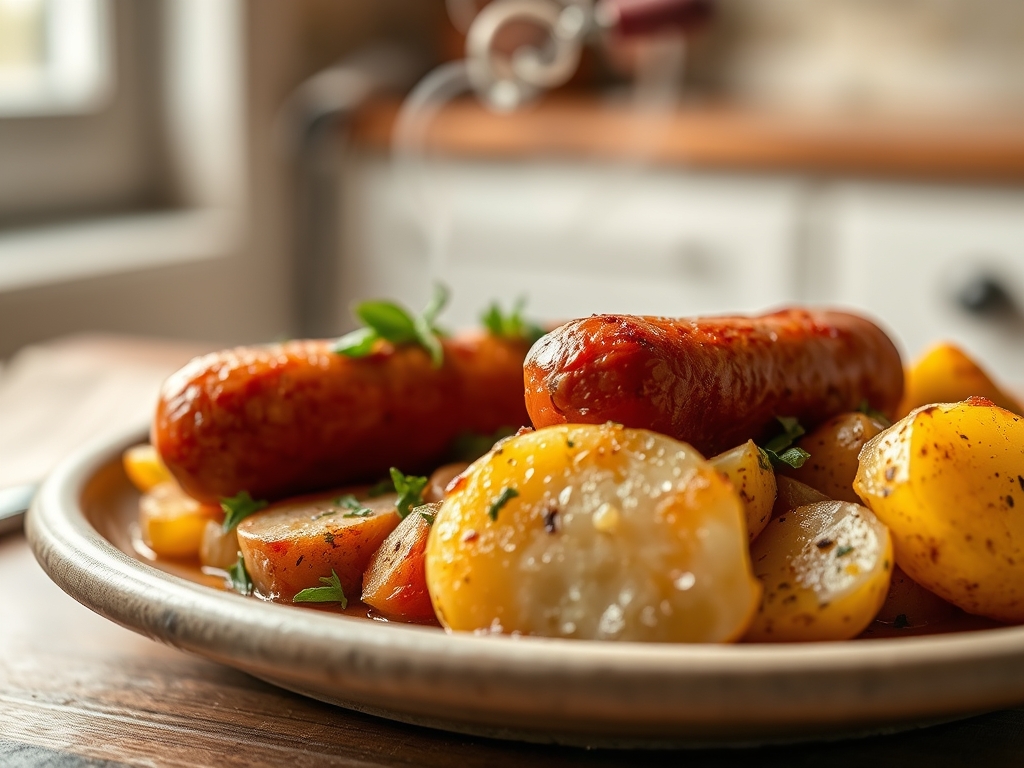
Imagine the scent of rendering garlic and smoked paprika hitting a hot cast iron surface. That sizzle is the sound of comfort. When you are craving something soulful yet efficient; polish sausage and potato recipes are the undisputed champions of the weeknight kitchen. They offer a perfect marriage of snap, starch, and savory fat.
The beauty of a skillet meal lies in its deceptive simplicity. You are not just tossing ingredients into a pan; you are orchestrating a series of chemical reactions that transform humble tubers and cured meats into a gourmet experience. Whether you prefer a spicy Andouille or a traditional garlicky Kielbasa; the goal is always the same: achieving that elusive, golden-brown crust on the potatoes while keeping the sausage succulent. We are going to dive deep into the mechanics of the Maillard reaction and heat distribution to ensure your skillet is never soggy and always spectacular. Grab your favorite heavy-bottomed skillet and let us get to work.
The Gathers:
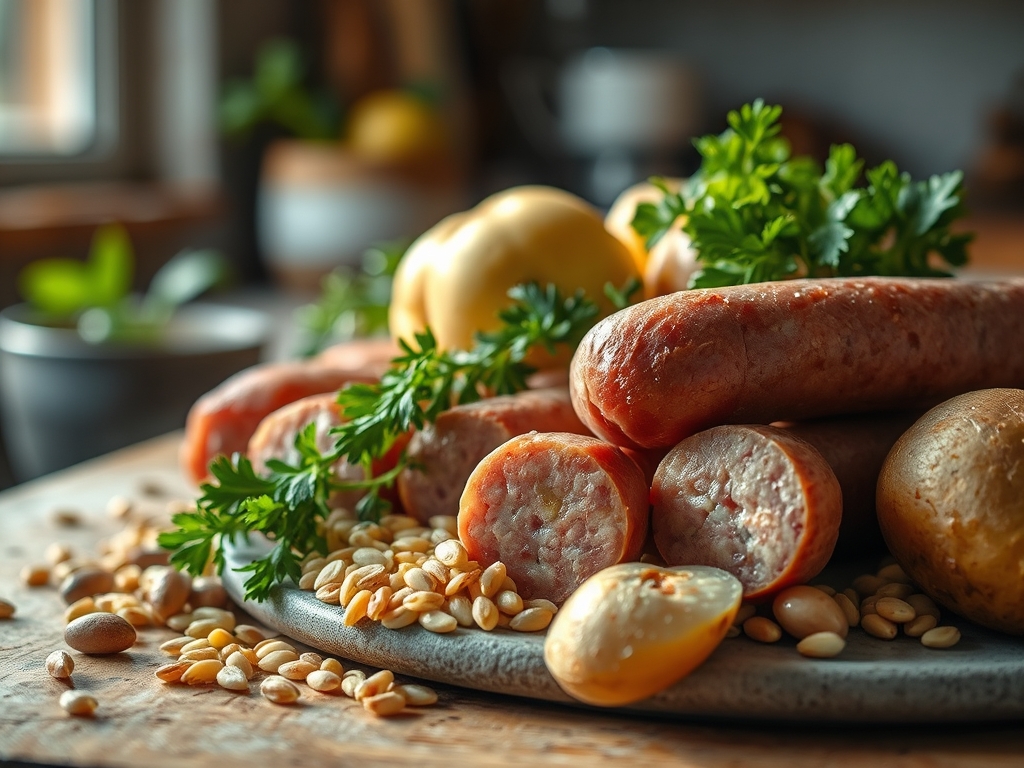
To master these polish sausage and potato recipes; your mise-en-place must be precise. Start with high-starch potatoes like Russets for maximum crunch or Yukon Golds for a buttery; waxy texture that holds its shape during agitation. You will need a high-quality Polish sausage; look for "Kielbasa" with a natural casing to ensure that signature "snap" when bitten.
For the aromatics; use a microplane to grate fresh garlic into a fine paste. This increases the surface area; allowing the oils to infuse the cooking fat more rapidly. You will also need a high-smoke-point oil; such as avocado or grapeseed oil; to handle the searing temperatures without breaking down into acrid compounds.
Smart Substitutions:
If you are looking to lighten the profile; sub out the pork sausage for a turkey-based Kielbasa; though you may need to add a teaspoon of smoked paprika to mimic the depth of traditional fats. For a low-carb twist; replace half the potatoes with radishes; which lose their peppery bite and take on a potato-like consistency when roasted in a skillet. If you lack fresh herbs; use a 1:3 ratio of dried to fresh; ensuring you bloom the dried herbs in the hot oil to release their volatile aromatics.
The Clock
Efficiency in the kitchen is about "Chef's Flow." This is the psychological state where your movements are optimized to minimize downtime. For these recipes; expect a total time of 35 minutes.
Prep Time (15 Minutes): This is where you utilize your bench scraper to clear your board. Focus on uniform knife cuts. If your potato cubes vary in size; they will cook unevenly; leaving you with some mushy pieces and some raw centers.
Cook Time (20 Minutes): This is the active phase. You are managing heat zones and monitoring the viscous nature of the rendering fats.
The Flow: While the potatoes are par-cooking; you slice your sausage. While the sausage renders; you mince your herbs. By the time the skillet is finished; your workstation should already be wiped clean.
The Masterclass
1. The Par-Cook Strategy
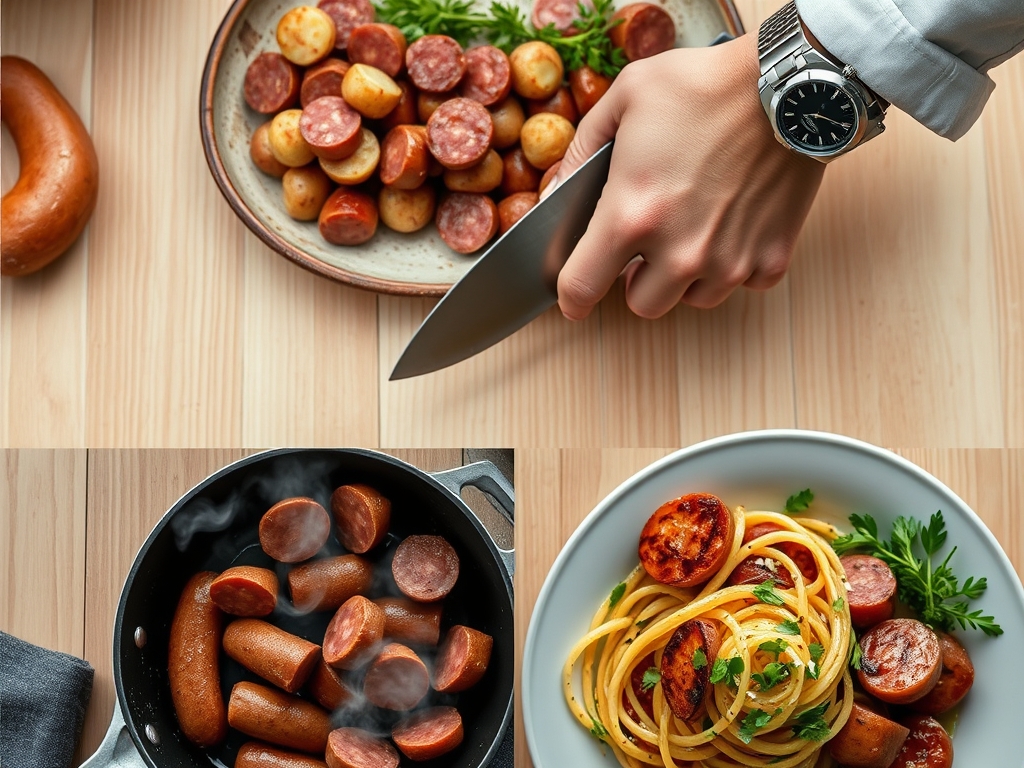
Before the skillet even gets hot; place your cubed potatoes in a bowl with a splash of water and microwave for 4 minutes. This softens the internal cellular structure without over-cooking the exterior.
Pro Tip: This technique utilizes steam-conduction to gelatinize the starches. By pre-softening the interior; you ensure that the time spent in the skillet is dedicated solely to developing a crisp crust rather than fighting a raw center.
2. Rendering the Sausage
Place your sliced sausage into a cold heavy-bottomed skillet and turn the heat to medium. Use tongs to flip them once they release easily from the pan.
Pro Tip: Starting in a cold pan allows the intramuscular fat to render slowly. If you drop cold sausage into a scorching pan; the proteins contract too quickly; squeezing out moisture and leaving the meat rubbery.
3. The Fat Infusion
Remove the sausage but leave the rendered fat. Toss in your par-cooked potatoes. The potatoes will act like sponges; absorbing the piquant spices and oils left behind by the Kielbasa.
Pro Tip: This is known as lipid-flavor transfer. The fat acts as a solvent for the fat-soluble flavor compounds in the sausage spices; ensuring every bite of potato tastes like the meat.
4. Managing the Maillard Reaction
Resist the urge to stir. Let the potatoes sit undisturbed for 4 to 5 minutes. Use a metal spatula to check for a deep mahogany color before flipping.
Pro Tip: The Maillard reaction requires high heat and low moisture. If you crowd the pan or stir too often; you trap steam; which lowers the temperature and results in "steamed" potatoes instead of fried ones.
5. Deglazing for Depth
Once the potatoes are crisp; add a splash of chicken stock or dry white wine to the pan. Use your spatula to scrape up the brown bits (fond) stuck to the bottom.
Pro Tip: Deglazing incorporates the concentrated flavors of the fond back into the dish. This creates a light glaze that coats the ingredients; adding a complex; savory "umami" punch.
6. The Final Toss and Aerate
Return the sausage to the pan and add your aromatics like garlic and herbs. Toss vigorously for 60 seconds to aerate the mixture and ensure even distribution.
Pro Tip: Adding garlic at the very end prevents it from burning. Garlic contains high levels of sugar and sulfur; which turn bitter and acrid if exposed to high heat for more than a minute.
The Deep Dive
Macro Nutrition:
A standard serving of this skillet contains approximately 450 calories; 28g of carbohydrates; 18g of protein; and 30g of fat. To optimize the nutrient density; serve this over a bed of wilted kale or spinach; which will soak up any excess savory juices.
Dietary Swaps:
- Vegan: Use a plant-based smoked sausage and replace the butter with a high-quality olive oil.
- Keto: Swap the potatoes for cauliflower florets or turnips. Turnips have a remarkably similar texture to potatoes when pan-fried.
- Gluten-Free: Ensure your sausage brand does not use wheat-based fillers; most high-end Kielbasas are naturally GF.
The Fix-It:
- Soggy Potatoes: Your pan was likely crowded. Remove half the ingredients and fry them in batches to allow steam to escape.
- Burnt Garlic: You added it too early. Next time; create a "well" in the center of the pan and cook the garlic for only 30 seconds before mixing.
- Dry Meat: You over-rendered. Use a digital scale to ensure your portions are correct; and pull the sausage the moment it reaches an internal temp of 160F.
Meal Prep & Reheating:
To maintain "day-one" quality; reheat your skillet in an air fryer at 350F for 5 minutes. This re-activates the fats and restores the crispness of the potato skins; whereas a microwave will make the starches gummy.
The Wrap-Up
Mastering polish sausage and potato recipes is about more than just filling a plate; it is about understanding the balance of heat; fat; and texture. By utilizing techniques like par-cooking and deglazing; you elevate a simple rustic meal into a culinary triumph. These skillets are forgiving; hearty; and endlessly customizable. Now that you have the science down; go forth and create a masterpiece that would make any grandmother proud.
The Kitchen Table
What is the best potato for a skillet?
Yukon Golds are the gold standard. They possess a medium starch content that allows for a crispy exterior while maintaining a creamy; buttery interior that does not fall apart during the deglazing process.
Can I make this recipe in one pan?
Absolutely. The key is the order of operations. Render the sausage first to create a flavorful fat base; remove it to prevent overcooking; then crisp the potatoes in that same rendered fat before recombining.
How do I prevent the sausage from curling?
Sausage curls because the casing shrinks faster than the meat. To prevent this; make small; shallow scores or "X" cuts on the surface of the sausage slices to allow the casing to expand without distorting the shape.
Why are my potatoes sticking to the pan?
This usually happens if the pan is not hot enough before adding the fat; or if you try to flip the potatoes before the Maillard reaction has fully released them from the surface. Patience is key for a clean flip.