
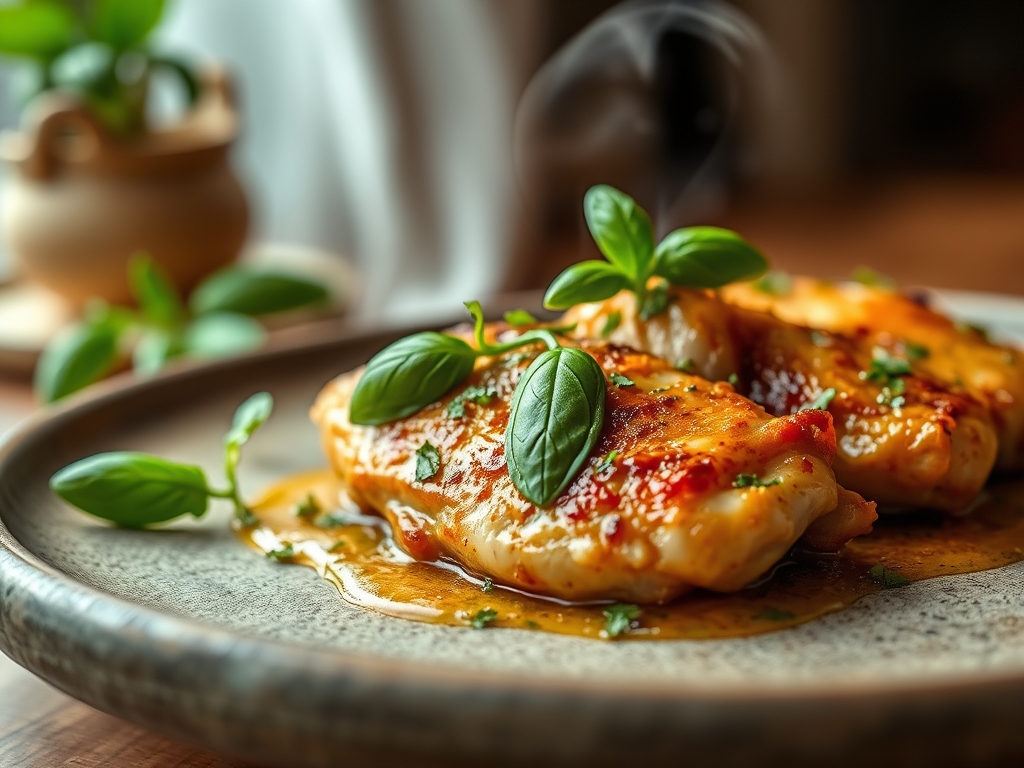
Close your eyes and imagine the scent of a sun-drenched garden colliding with the savory, golden sizzle of a heavy-bottomed skillet. That sharp, peppery perfume isn't just a garnish; it is the soul of these chicken recipes basil enthusiasts swear by for weeknight salvation. We are moving beyond the basic pesto jar to explore how high-heat searing and volatile oils transform poultry into a masterpiece.
The secret lies in the chemistry of the leaf itself. Basil contains estragole and linalool, organic compounds that become hyper-active when introduced to heat or acid. When you pair these aromatic molecules with the Maillard reaction of a perfectly seared chicken breast, you create a flavor profile that is both grounded and ethereal. Whether you are craving a creamy Thai infusion or a crisp Mediterranean char, mastering the balance of herbal brightness and protein density is your ticket to culinary royalty. Grab your apron; we are about to turn your kitchen into a high-octane flavor laboratory.
The Gathers:
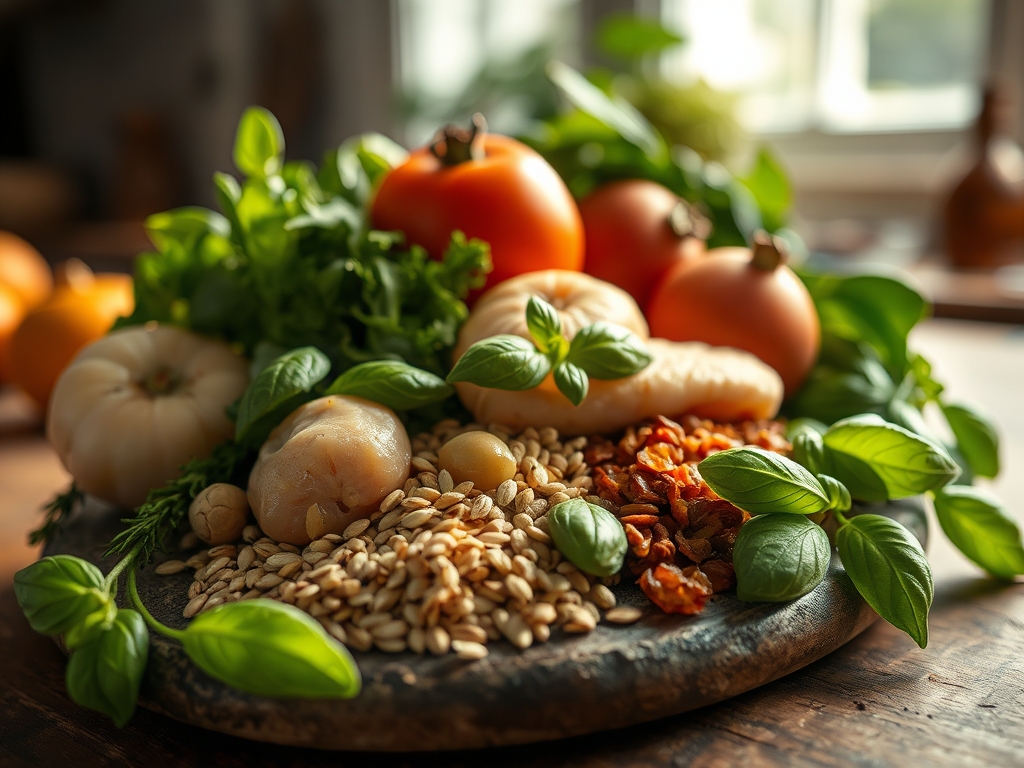
To execute these chicken recipes basil styles, your mise-en-place must be surgical. Start with organic, air-chilled chicken thighs or breasts; air-chilling prevents excess water weight, ensuring your sear is crisp rather than steamed. You will need a massive bouquet of Genovese basil for sweetness or Thai Holy Basil if you crave a spicy, clove-like finish. Use a digital scale to measure 500 grams of protein to ensure consistent cooking times across all eight variations.
Your pantry should include high-smoke-point fats like avocado oil or clarified butter (ghee). For the acidic component, keep a bottle of aged balsamic or fresh lemons nearby to brighten the viscous sauces. If you find your basil is wilting, a "Smart Substitution" is a high-quality freeze-dried herb or a splash of basil-infused olive oil, though nothing beats the turgor pressure of a fresh, hydrated leaf. Always use a microplane to zest your citrus and a bench scraper to transport your finely minced aromatics from the board to the pan without losing a single drop of essential oil.
The Clock
Efficiency in the kitchen is about "Chef's Flow," the art of overlapping tasks to minimize downtime. For these recipes, expect a 15-minute prep window and a 20-minute active cook time. The flow begins with tempering your meat; taking the chicken out of the refrigerator 20 minutes early ensures the center reaches the target temperature without overcooking the exterior. While the protein rests, you will utilize the "carryover cooking" period to whisk your sauces or chiffonade your herbs. This synchronized movement ensures that the basil remains vibrant green rather than oxidizing into a muddy brown before it hits the plate.
The Masterclass
1. The Sear and Render
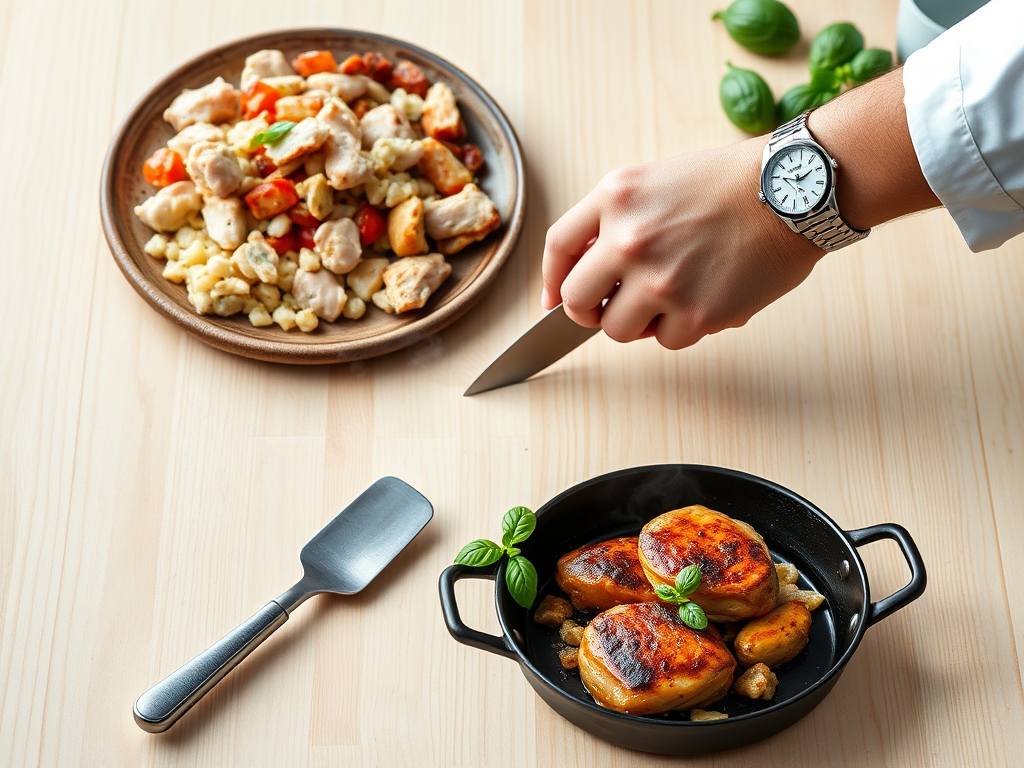
Place your chicken skin-side down in a cold, heavy-bottomed skillet and gradually increase the heat. This allows the subcutaneous fat to render slowly, resulting in a glass-like crunch. Use stainless steel tongs to check for release; if the meat sticks, the proteins haven't finished bonding.
Pro Tip: This process relies on the Maillard reaction, a chemical dance between amino acids and reducing sugars that occurs above 285 degrees Fahrenheit. Do not crowd the pan, or you will drop the surface temperature and steam the meat.
2. Deglazing the Fond
Once the chicken is removed to rest, you will see brown bits stuck to the pan. This is "fond," the concentrated essence of flavor. Pour in a splash of dry white wine or chicken stock and use a wooden spoon to scrape the bottom.
Pro Tip: This is known as deglazing. The liquid acts as a solvent, lifting the caramelized proteins into a sauce. Adding your basil stems here allows the woody flavor to infuse the liquid without wasting the delicate leaves.
3. Emulsifying the Sauce
Lower the heat and whisk in cold cubes of butter or a dollop of heavy cream. Constant agitation is key to creating a stable emulsion where fat and water-based liquids coexist in a silky, viscous harmony.
Pro Tip: Use a saucier for this step; the rounded bottom prevents "dead zones" where the sauce might scorch. The science of emulsification requires fat molecules to be suspended evenly to prevent the sauce from breaking.
4. The Final Herb Fold
Turn off the heat entirely before adding your fresh basil leaves. Stir them in gently so they wilt from the residual heat rather than boiling. This preserves the volatile oils that give the herb its signature scent.
Pro Tip: High heat causes enzymatic browning, where the polyphenol oxidase in the basil reacts with oxygen. By adding the herbs at the very end, you lock in the chlorophyll and the piquant aroma.
The Deep Dive
From a macro perspective, these chicken recipes basil variations are a powerhouse. A standard serving provides roughly 35 grams of lean protein and is naturally low in carbohydrates. For those following a Keto lifestyle, double down on the butter and heavy cream. If you are Vegan, swap the chicken for pressed extra-firm tofu and use coconut milk as your emulsifier. For Gluten-Free requirements, simply ensure your thickening agents are cornstarch or arrowroot rather than flour.
"The Fix-It" section: If your sauce is too thin, a quick cornstarch slurry will provide immediate body. If the basil tastes bitter, it was likely overcooked or bruised by a dull knife; always use a sharp chef's knife to slice, never chop. If the chicken is dry, you likely missed the 165-degree internal mark. Invest in a digital thermometer to pull the meat at 160 degrees, allowing thermal carryover to finish the job. For meal prep, reheat your chicken in a covered skillet with a tablespoon of water to create steam, which prevents the protein fibers from tightening and becoming rubbery.
The Wrap-Up
You now have the technical blueprint to master the most aromatic chicken recipes basil has ever graced. By understanding the intersection of heat, fat, and herbal chemistry, you have graduated from a mere follower of recipes to a true architect of flavor. Remember that cooking is as much about the tools as it is the ingredients; trust your skillet, respect your herbs, and never be afraid to deglaze with abandon. Your kitchen is now a sanctuary of scent and sizzle. Go forth and sear with confidence!
The Kitchen Table
How do I keep basil from turning black in hot chicken dishes?
Add the basil at the very last second after removing the pan from the heat. Residual heat wilts the leaves without triggering the oxidation process that causes darkening. Always use a sharp knife to avoid bruising the delicate cell walls.
Can I use dried basil instead of fresh?
You can, but the flavor profile changes significantly. Dried basil is more minty and earthy. Use one-third of the amount called for in fresh measurements. For the best results, bloom the dried herbs in oil at the start of cooking.
What is the best way to store leftover basil chicken?
Store in an airtight glass container for up to three days. To maintain texture, reheat gently on the stovetop with a splash of broth. Avoid the microwave if possible, as it can make the chicken "rubbery" and kill the herb's aroma.
Why did my cream sauce separate?
Sauces break when the heat is too high or the fat is added too quickly. Ensure your cream or butter is whisked in over low heat. If it separates, a teaspoon of warm water and vigorous whisking can often re-emulsify the mixture.