
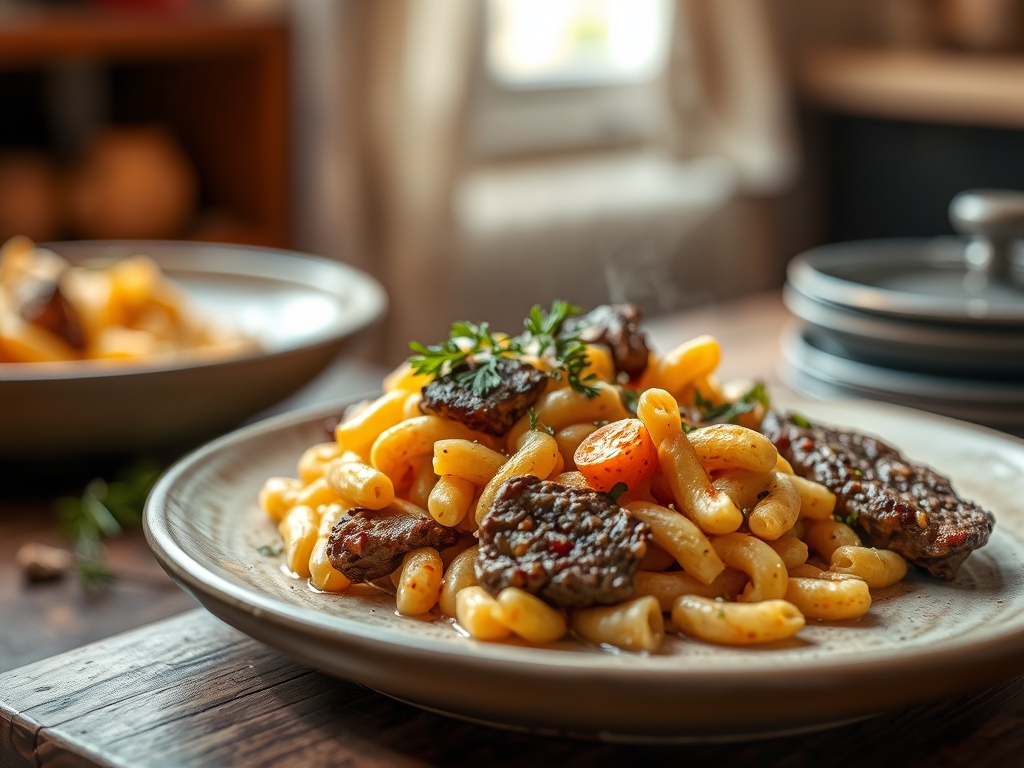
Picture this. It is a rainy Tuesday, the kind of day that feels like a heavy wool blanket, and your kitchen smells like a symphony of sizzling fat and toasted wheat. We are not just making dinner; we are engineering the ultimate comfort. These mac and beef recipes represent the intersection of high-level food science and the nostalgic, soul-soothing embrace of a childhood classic.
The magic happens when the iron-rich depth of ground beef meets the starchy, porous surface of a perfectly cooked noodle. It is more than just a meal; it is a lesson in texture and temperature. When we talk about mac and beef recipes, we are looking for that specific, viscous cling of cheese sauce that refuses to break, even under the high heat of a heavy-bottomed skillet. We are chasing the Maillard reaction on the beef crumbles, ensuring every bite has a savory, browned crust that contrasts with the tender, al dente pasta.
Grab your favorite apron and clear the counter. We are about to dive into six distinct variations of this masterpiece, ranging from a classic smoky cheddar blend to a piquant, spice-heavy chili mac. Each version utilizes the same fundamental principles of heat transfer and emulsification to ensure your final plate is nothing short of professional.
The Gathers:
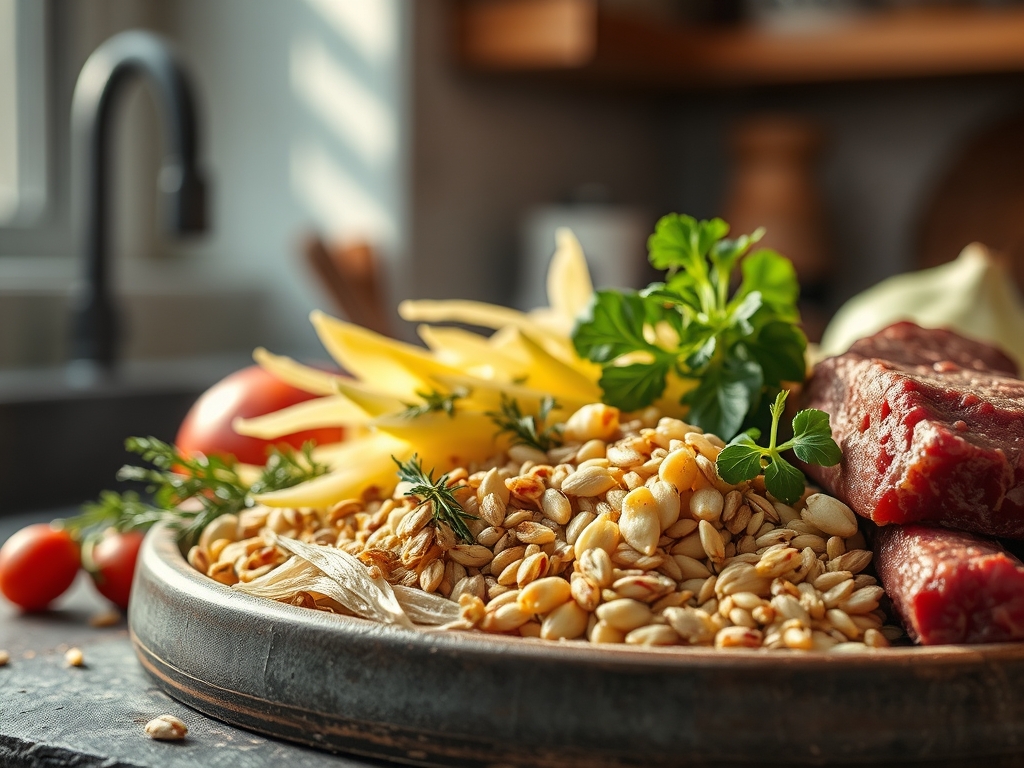
To achieve a restaurant-grade result, your mise-en-place must be precise. Start with your proteins. You want a 80/20 ground chuck to ensure there is enough fat to render out, which will eventually serve as the lipid base for your roux. For the pasta, look for shapes with deep ridges or hollow interiors, like cavatappi or large elbows, which utilize capillary action to pull sauce into the center of the noodle.
Your cheese selection is the backbone of the dish. Avoid pre-shredded bags at all costs. Those are coated in potato starch or cellulose to prevent clumping, which will absolutely ruin the silky texture of your sauce. Instead, use a microplane or a box grater to shred high-moisture cheeses like sharp cheddar, gruyere, or fontina. You will also need aromatics: yellow onions for their high sugar content (perfect for caramelization) and fresh garlic cloves.
Smart Substitutions:
If you are looking to lighten the profile, ground turkey or bison can be swapped for beef, though you may need to add a teaspoon of neutral oil to the pan to compensate for the lower fat content. For a deeper umami punch, add a tablespoon of tomato paste or a splash of Worcestershire sauce during the deglazing phase. If you are out of heavy cream, a mixture of whole milk and a knob of unsalted butter will mimic that rich mouthfeel.
The Clock
Efficiency in the kitchen is all about the Chef's Flow. This is the art of overlapping tasks so that no heat is wasted. Total preparation time for most mac and beef recipes sits at 15 minutes, with a total cook time of 25 minutes.
While your large pot of salted water is coming to a boil (aim for the salinity of the sea), you should already be browning your beef in a separate saucier or skillet. By the time the pasta reaches that perfect al dente state, your meat should be fully rendered and your aromatics softened. The final marriage of the two components happens in the last 5 minutes, allowing the pasta to finish cooking directly in the sauce. This ensures the starch from the pasta water helps bind the cheese and fat into a singular, glossy coating.
The Masterclass
1. The Sear and Render
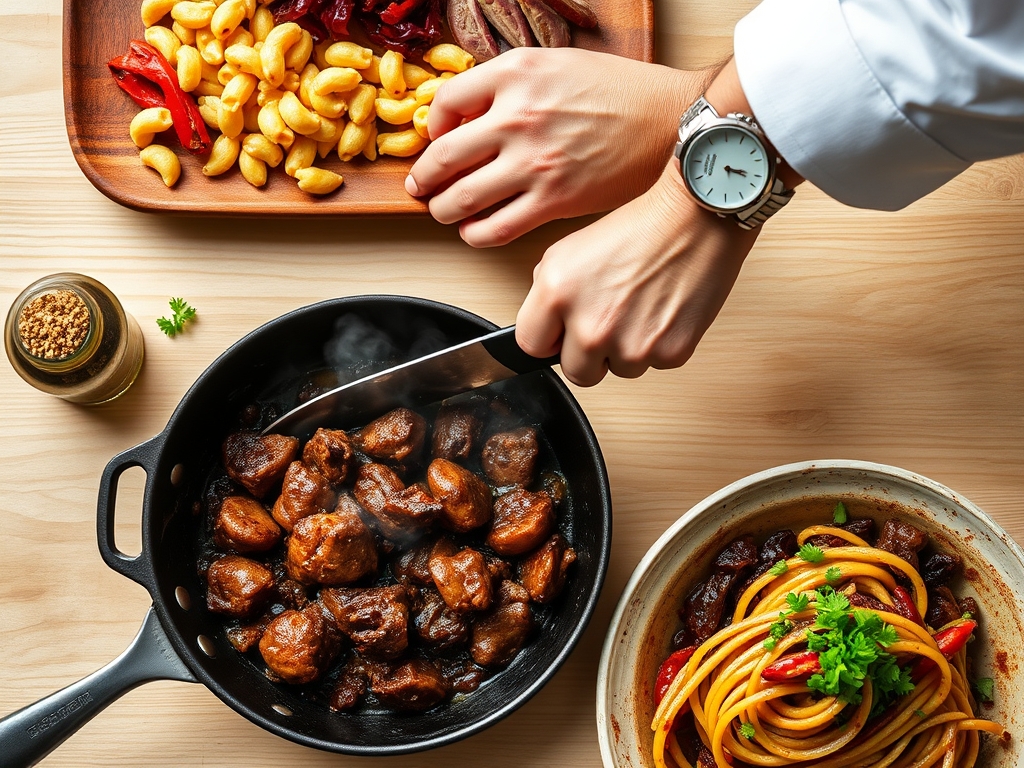
Place your ground beef into a cold, heavy-bottomed skillet and then turn the heat to medium-high. Using a bench scraper or a sturdy wooden spoon, break the meat into small, uniform pieces. Allow it to sit undisturbed for three minutes to develop a deep brown crust.
Pro Tip: This is the Maillard reaction in action. By not crowding the pan and allowing the moisture to evaporate quickly, you are creating complex flavor compounds that cannot be achieved through boiling or steaming the meat.
2. The Aromatic Infusion
Once the beef is browned, push it to the perimeter of the pan. Add your diced onions and peppers into the center, using the rendered beef fat to sauté them until translucent. Use a microplane to grate fresh garlic directly into the fat at the very last minute.
Pro Tip: Garlic contains volatile sulfur compounds that burn easily. Adding it at the end of the sauté process prevents bitterness while still allowing the heat to infuse the oil with its signature aroma.
3. The Deglaze
Pour a small amount of beef stock or dry white wine into the pan. Use your spoon to scrape up the "fond," those delicious brown bits stuck to the bottom.
Pro Tip: Deglazing is a chemical process that dissolves the caramelized proteins back into the liquid. This creates a built-in flavor base for your sauce that provides a savory "bass note" to the dish.
4. The Roux and Emulsion
Sprinkle a tablespoon of flour over the meat and vegetables, stirring for two minutes to cook out the raw flour taste. Slowly whisk in your milk or cream, followed by the shredded cheese, one handful at a time.
Pro Tip: This creates a stable emulsion. By adding the cheese slowly and keeping the temperature below boiling, you prevent the proteins in the cheese from tightening and squeezing out the fat, which is what causes a "grainy" or "broken" sauce.
5. The Pasta Integration
Transfer your slightly undercooked pasta directly from the boiling water into the sauce using a slotted spoon or tongs. Do not rinse the pasta.
Pro Tip: The residual starch on the surface of the pasta acts as a natural bridge between the water-based sauce and the fat-based cheese. This ensures the sauce clings to every groove rather than sliding off to the bottom of the bowl.
6. The Final Seasoning
Taste the dish and add kosher salt, cracked black pepper, and a pinch of smoked paprika. Stir in a splash of pasta water if the sauce looks too thick.
Pro Tip: This is where thermal carryover comes into play. The pasta will continue to absorb liquid even after you turn off the heat. Slightly over-saucing the dish at this stage ensures it remains creamy by the time it reaches the table.
The Deep Dive
When we look at the macro nutrition of these mac and beef recipes, we are looking at a powerhouse of protein and carbohydrates. A standard serving provides roughly 35 grams of protein and 45 grams of complex carbs. To optimize this for different lifestyles, consider these dietary swaps:
- Vegan: Use a cashew-based "cheese" sauce and plant-based crumbles.
- Keto: Swap the pasta for roasted cauliflower florets and use heavy cream with zero-carb thickeners like xanthan gum.
- Gluten-Free: Utilize brown rice or chickpea pasta, ensuring you boil them for two minutes less than the package directions to prevent mushiness.
The Fix-It: Troubleshooting Common Failures
- The Sauce is Grainy: This usually means the heat was too high. To fix, remove from heat and whisk in a tablespoon of cold heavy cream to lower the temperature and re-emulsify the fats.
- The Dish is Bland: You likely forgot to salt the pasta water. Add a teaspoon of lemon juice or apple cider vinegar; the acid will brighten the heavy fats and make the flavors pop.
- The Beef is Greasy: You didn't drain the excess fat after browning. Use a digital scale to measure your fat ratios next time, or simply tilt the pan and spoon out the excess before adding your flour.
Meal Prep and Reheating Science
To maintain "day-one" quality, store the mac and beef in airtight containers. When reheating, the starches will have absorbed most of the moisture. Add a tablespoon of milk before microwaving or heating on the stove. This introduces new moisture that the starch molecules can bind with, restoring the original viscous texture.
The Wrap-Up
Mastering mac and beef recipes is a rite of passage for any home cook who values the intersection of comfort and technique. By focusing on the science of the roux, the importance of the Maillard reaction, and the delicate balance of an emulsion, you have elevated a simple pantry staple into a culinary event. Whether you are feeding a crowd or just treating yourself after a long week, these steps ensure a perfect, creamy, savory result every single time. Now, go grab that skillet and start rendering!
The Kitchen Table
Can I make mac and beef in one pot?
Yes. Sauté the beef and aromatics first, then add dry pasta and broth. The starch released from the pasta during the simmering process will naturally thicken the sauce, creating a one-pot emulsion that is incredibly rich and savory.
What is the best cheese for mac and beef?
A blend is best. Use sharp cheddar for flavor and Monterey Jack or Fontina for meltability. Always grate your own cheese to avoid the anti-clumping agents in pre-shredded packs, which prevent a smooth, velvety sauce consistency.
How do I prevent my pasta from getting mushy?
Always cook your pasta "al dente," which means it still has a firm bite. Since the pasta continues to cook in the hot cheese sauce, undercooking it by two minutes in the water prevents it from becoming over-hydrated and falling apart.
How long does mac and beef last in the fridge?
When stored in an airtight container, it remains fresh for three to four days. For the best texture during reheating, add a splash of milk or water to loosen the starches and restore the sauce's original creaminess.