
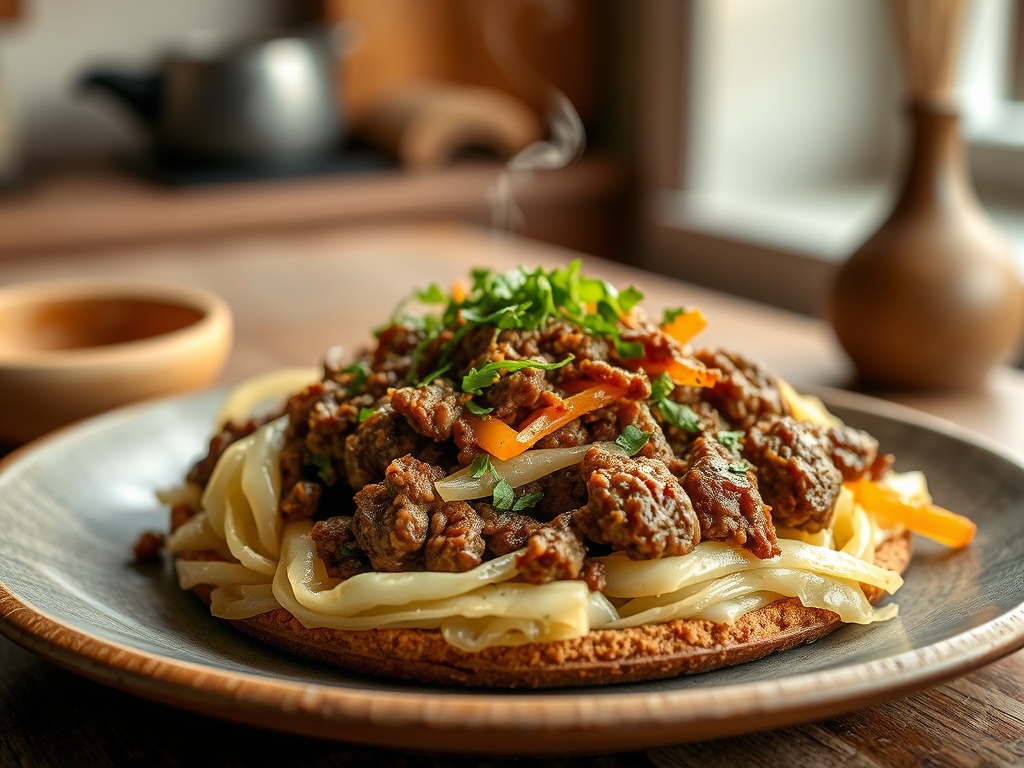
Imagine the sound of cold, crisp cabbage meeting a screaming hot heavy-bottomed skillet. That sharp hiss is the beginning of something magical. If you are hunting for cabbage and ground beef recipes easy enough for a Tuesday but flavorful enough for a dinner party; you have found your sanctuary. We are transforming humble brassicas into caramelized masterpieces.
The magic happens when we bridge the gap between lean protein and high-fiber greens. Cabbage is a structural marvel; it holds its integrity against high heat while absorbing every drop of savory fat. When you pair it with ground beef, you create a dish that is nutritionally dense and incredibly satisfying. We are moving past the soggy textures of the past. Instead, we are focusing on the Maillard reaction; that chemical dance where amino acids and reducing sugars create complex, savory flavors through heat.
In this guide, we will explore eight distinct flavor profiles that prove these two ingredients are the ultimate power couple. Whether you crave a piquant ginger-soy glaze or a rich, tomato-based ragu, the technique remains the same. We are maximizing flavor through science and precision. Grab your favorite apron and let us get into the grit of it.
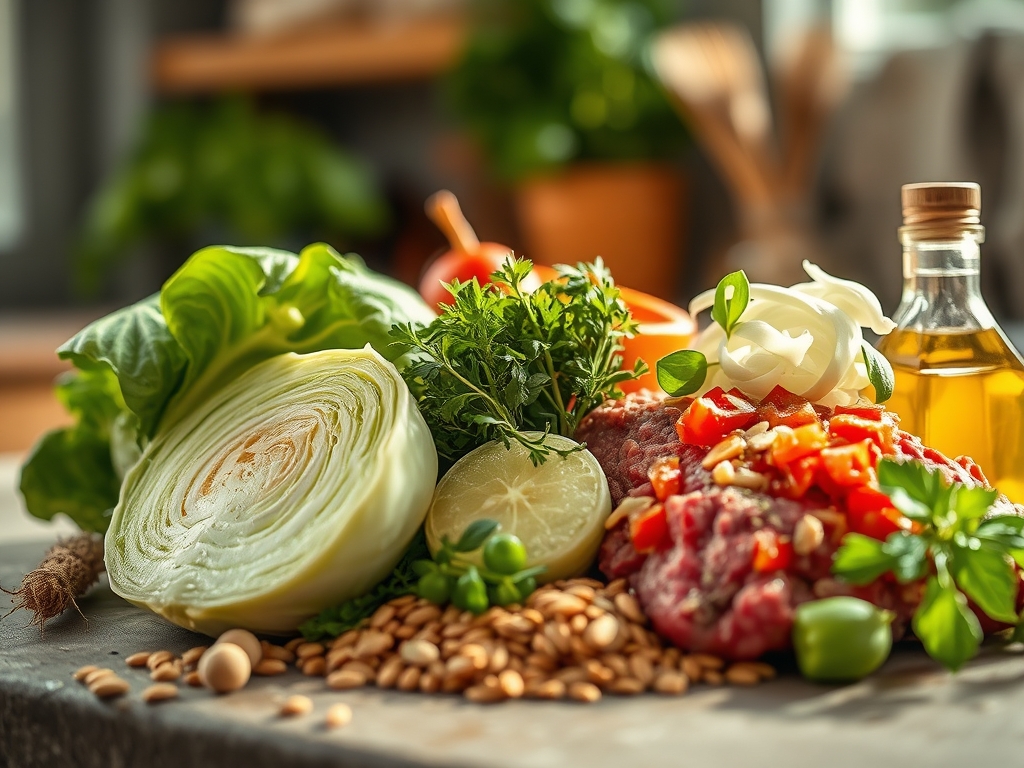
The Gathers:
To achieve culinary excellence, your mise-en-place must be flawless. Start with a head of green or savoy cabbage. Savoy is particularly excellent because its crinkled leaves provide more surface area for sauces to cling to. For the protein, aim for an 80/20 lean-to-fat ratio. That 20 percent fat is essential; it acts as the primary cooking medium and flavor carrier for your aromatics.
You will also need a high-quality fat source like avocado oil or clarified butter. Because we are working with high heat, oils with a low smoke point will oxidize and turn bitter. Grab your microplane for the garlic and ginger; this tool ruptures the cell walls of the aromatics to release essential oils more effectively than a standard knife chop.
Smart Substitutions:
If you want to lean into the keto lifestyle, swap the traditional yellow onions for shallots to reduce the carbohydrate load while increasing the piquant profile. For a vegan twist that still hits those savory notes, use a mixture of finely diced walnuts and king trumpet mushrooms. The mushrooms provide the umami-rich glutamates, while the walnuts offer the structural bite of ground beef. If you are avoiding nightshades, replace tomato paste with a dash of coconut aminos and a splash of apple cider vinegar to mimic that acidic depth.
The Clock
Efficiency in the kitchen is about the Chef's Flow. This is the art of overlapping tasks so no heat is wasted. Expect a total active time of 10 minutes for prep and 15 minutes for cooking.
Start by preheating your skillet. A cold pan is the enemy of texture. While the pan gains thermal energy, use a sharp chef's knife or a mandoline to shred your cabbage into uniform ribbons. Uniformity is not just for aesthetics; it ensures every piece of cabbage reaches the same level of tenderness at the exact same moment. While the beef renders, you should be prepping your finishing herbs. This rhythmic movement ensures that by the time the beef is browned, your vegetables are ready to hit the pan.
The Masterclass
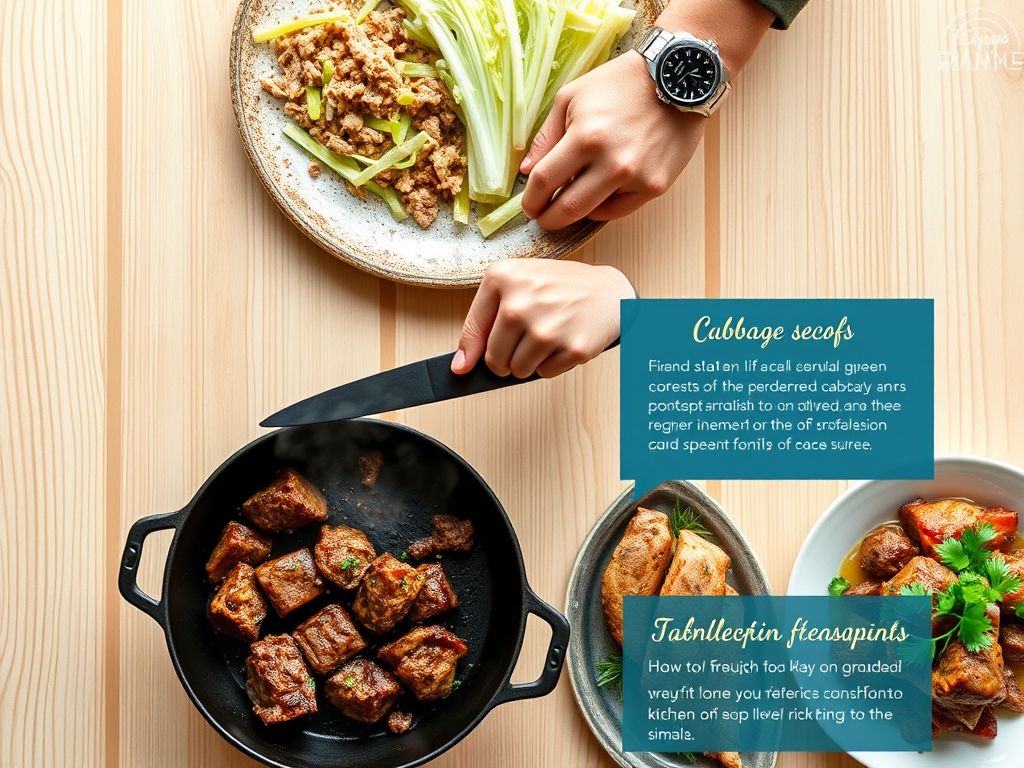
1. The Sear and Render
Place your ground beef into the preheated skillet. Use a stiff wooden spoon or a meat masher to break it into small, uniform crumbles. Do not move the meat too much at first; let it sit to develop a deep, mahogany crust.
Pro Tip: This process is called pyrolysis. By allowing the meat to stay in contact with the hot surface without interference, you create a complex flavor profile that cannot be achieved through boiling or steaming.
2. Deglazing the Fond
Once the beef is browned, remove it with a slotted spoon, leaving the rendered fat behind. If the pan looks dry, add a teaspoon of oil. Add your aromatics like garlic, ginger, or onions. Use a splash of broth or dry wine to scrape up the brown bits at the bottom of the pan.
Pro Tip: Those brown bits are called fond. Deglazing incorporates these concentrated flavor molecules back into the liquid phase of your dish; ensuring no taste is left behind on the metal.
3. The Cabbage Wilt
Add your shredded cabbage to the pan in batches. It will look like too much at first, but the heat will quickly collapse the cellular structure of the leaves. Toss the cabbage constantly using tongs to coat every strand in the flavored fat.
Pro Tip: Cabbage contains high amounts of water. By using high heat, you promote evaporative cooling, which prevents the cabbage from becoming mushy while the exterior begins to caramelize.
4. The Emulsification
Return the beef to the pan and add your sauce components. This might be soy sauce, tomato puree, or a splash of heavy cream. Stir vigorously to combine the fats with the liquids.
Pro Tip: To achieve a viscous sauce that coats the back of a spoon, you are looking for a temporary emulsion. The proteins in the beef help stabilize the fats and liquids into a cohesive, glossy glaze.
The Deep Dive
From a nutritional standpoint, these skillets are a powerhouse. A single serving typically contains 30 grams of protein and only 8 to 12 grams of net carbs. Cabbage is loaded with Vitamin K and C, while the beef provides essential iron and B12.
Dietary Swaps:
For a Gluten-Free version, always ensure your soy sauce is replaced with Tamari or coconut aminos. If you are following a strict Paleo protocol, skip the dairy-based fats and stick to tallow or lard to keep the flavor profile authentic and ancestral.
The Fix-It:
If your dish is too watery, it is likely because you crowded the pan. Fix this by cranking the heat and moving the ingredients to the edges; creating a "well" in the center for the moisture to evaporate. If the beef is too tough, you likely overcooked it before adding the cabbage. Next time, remove the beef the second it loses its pink hue. If the flavor is flat, you need acid. A squeeze of fresh lime or a teaspoon of rice vinegar will brighten the heavy fats and "wake up" the palate.
Meal Prep Science:
When reheating, do not use the microwave if you want to maintain texture. The microwave agitates water molecules, which can make the cabbage rubbery. Instead, use a saucier over medium heat with a tablespoon of water. Cover it for two minutes to create steam; then uncover to crisp the edges. This restores the original moisture balance.
The Wrap-Up
You are now equipped to turn a basic head of cabbage and a pound of beef into a culinary triumph. These cabbage and ground beef recipes easy methods are all about respecting the ingredients and mastering the heat. Remember; cooking is a series of chemical reactions. When you understand the "why" behind the sear and the "how" behind the wilt, you stop following recipes and start creating art. Go forth and conquer your kitchen with confidence and a very hot skillet!
The Kitchen Table
Can I use red cabbage instead of green?
Yes, but be aware that red cabbage has a longer cooking time due to its denser fiber structure. It also contains anthocyanins that may turn the beef a slightly purple hue; though the flavor remains deliciously earthy and sweet.
How do I prevent the beef from being greasy?
Always drain the excess fat after the initial browning stage, leaving only about one tablespoon in the pan. This provides enough lipid content to sauté the aromatics and coat the cabbage without making the final dish feel heavy or oily.
Can I freeze these cabbage and beef skillets?
Cabbage has a high water content, so it can become soft after thawing. For best results, undercook the cabbage slightly before freezing. When you are ready to eat, reheat directly from frozen in a hot pan to evaporate excess moisture quickly.
What is the best way to cut cabbage for skillets?
Remove the tough outer leaves and quarter the head through the core. Cut the core out at an angle; then slice the quarters into thin ribbons. Using a mandoline ensures perfect uniformity, which is the secret to even cooking and professional presentation.