
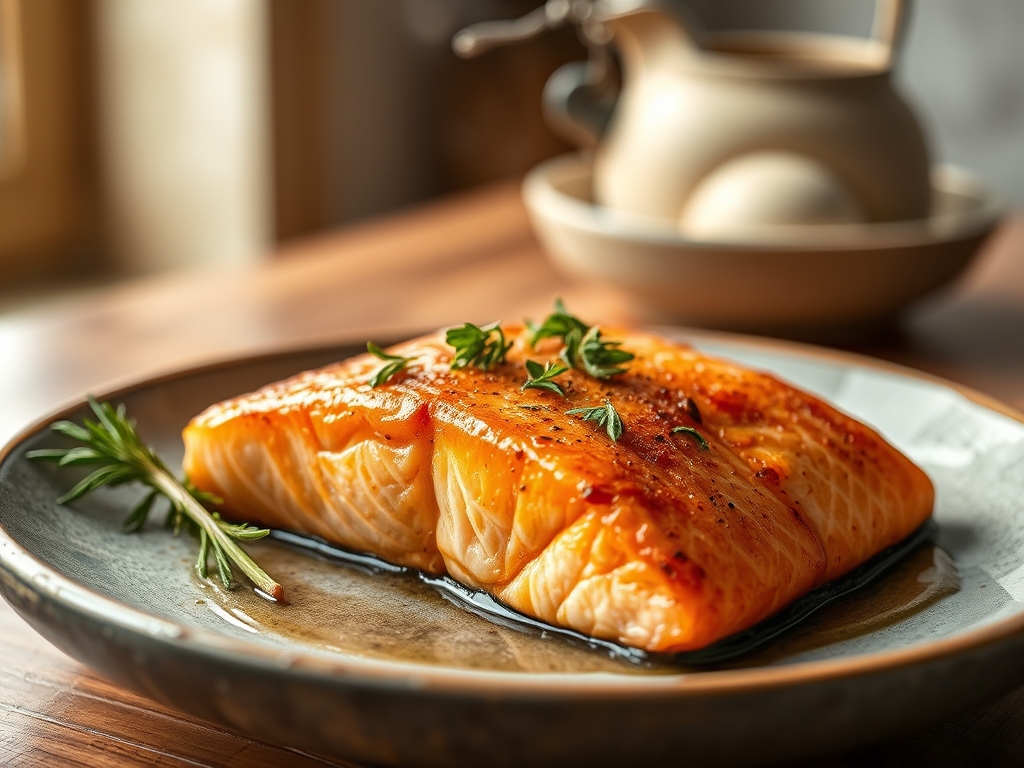
Imagine the first crack of dawn over the Gulf of Alaska; the water is a churning, icy slate, and beneath it, the most athletic fish on the planet are fueling up for a three hundred mile sprint. This is not your average supermarket fillet. When you find the perfect copper river salmon recipes, you are not just cooking dinner; you are managing a high performance biological machine packed with more heart healthy fats than almost any other protein. The flesh is a deep, shimmering ruby, a visual promise of the rich, buttery mouthfeel to come. We are looking for that specific, translucent shimmer that signals peak freshness. If the kitchen smells like a crisp sea breeze rather than a wharf, you have found the gold standard. Today, we are going to treat this ingredient with the scientific reverence it deserves; focusing on precise heat application to ensure those precious omega 3 oils stay inside the fish rather than leaking out into your pan.
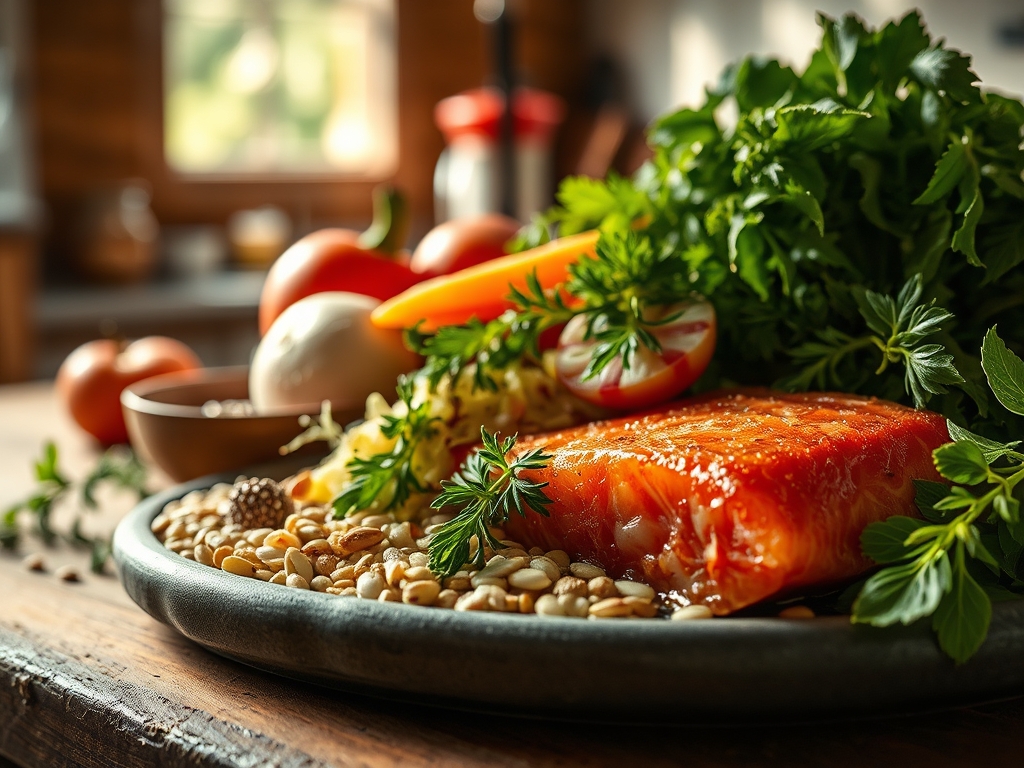
The Gathers:
To execute these copper river salmon recipes with precision, your mise-en-place must be clinical. You will need two six ounce center cut fillets; look for the "King" or "Sockeye" varieties for the highest fat content. For the sear, select a high smoke point fat like avocado oil or clarified butter. You will also need kosher salt (the jagged crystals adhere better to the protein fibers), fresh dill, and one organic lemon.
On the tool side, pull out your heavy-bottomed stainless steel skillet or a seasoned cast iron pan. A digital scale is essential for portioning, while a flexible fish spatula (often called a peltex) is non-negotiable for flipping without tearing the delicate skin. For the finishing touch, have a microplane ready to zest your citrus.
Smart Substitutions: If you cannot source Copper River, look for wild caught King salmon from the Yukon. If you are avoiding dairy, swap the finishing butter for a viscous cold pressed olive oil to maintain that luxurious mouthfeel. For a lower sodium profile, use a splash of coconut aminos to provide that savory umami depth without the salt bloat.
The Clock
Efficiency in the kitchen is about managing the Chef's Flow. This is the sequence of operations that ensures nothing sits getting cold or soggy. Total prep time is exactly ten minutes; this includes tempering the fish. Do not skip this. If you drop a cold fillet into a hot pan, the fibers contract violently, squeezing out moisture.
The cook time is a tight eight minutes. We spend six minutes on the skin side to achieve a glass-like crunch and two minutes on the flesh side to reach a perfect medium-rare. Total time from fridge to table is under twenty minutes. While the fish rests for three minutes, you will have just enough time to deglaze the pan and create a quick pan sauce.
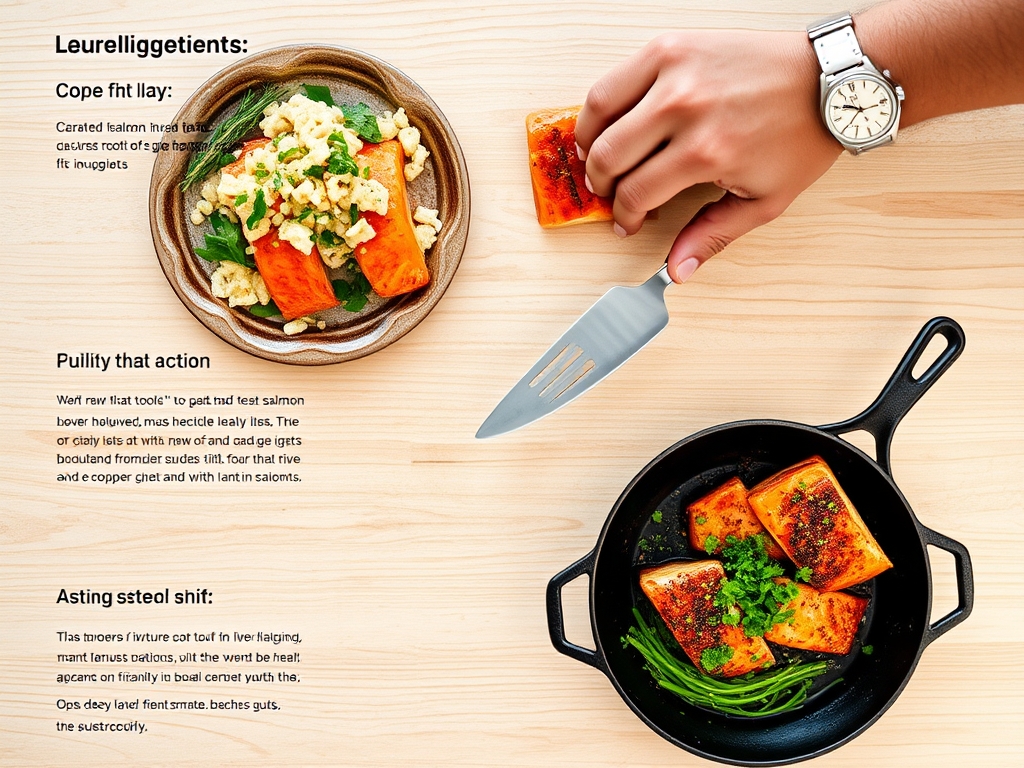
The Masterclass
1. Temper and Desiccate
Remove your salmon from the refrigerator twenty minutes before cooking. Use a paper towel to pat the skin until it is bone dry. Moisture is the enemy of the Maillard reaction; if the skin is damp, it will steam instead of crisping.
Pro Tip: This is known as surface desiccation. By removing all external water molecules, the heat of the pan can immediately begin breaking down proteins into savory amino acids rather than wasting energy evaporating surface moisture.
2. The Weight of the Sear
Heat your skillet until the oil is shimmering but not smoking. Place the fillets skin side down and immediately press down firmly with your fish spatula for thirty seconds. This prevents the skin from curling as the collagen fibers contract.
Pro Tip: This technique manages thermal contraction. Salmon skin contains high amounts of collagen which shrinks at high temperatures; physical pressure ensures even contact with the heat source for a uniform, golden crust.
3. Monitoring the Opaque Line
Watch the side of the fillet. You will see the color change from translucent ruby to an opaque pale pink creeping up from the bottom. When the opacity reaches the halfway mark, it is time to flip.
Pro Tip: This is a visual cue for conductive heat transfer. By watching the "cook line," you are monitoring the movement of energy through the dense muscle tissue without needing to break the surface of the fish.
4. The Butter Baste
Once flipped, toss a knob of butter and a smashed garlic clove into the pan. Tilt the skillet and use a large spoon to continuously drench the skin with the foaming butter. This adds a final layer of nutty flavor and ensures the edges are fully cooked.
Pro Tip: This is called Arrosé. The hot fat acts as a medium for infusion, carrying the aromatic compounds of the garlic and herbs into the crevices of the seared skin while providing a final burst of heat to the top.
5. The Carryover Rest
Remove the fish when the internal temperature hits 120 degrees Fahrenheit. Place it on a warm plate, skin side up, to rest for three minutes before serving.
Pro Tip: This accounts for thermal carryover. The internal temperature will continue to rise by about five degrees after removal. Resting also allows the muscle fibers to relax and reabsorb the internal juices, preventing a dry result.
The Deep Dive
Copper River salmon is a nutritional powerhouse. A single serving provides roughly 35 grams of high quality protein and over 1,200mg of Omega 3 fatty acids. It is naturally Keto and Gluten-Free. For a Vegan alternative, you can use the same searing techniques on thick slabs of king oyster mushrooms or "Tofuna," though the fat profile will differ significantly.
The Fix-It:
- Problem: The fish is sticking to the pan. Fix: You likely tried to flip it too early. Protein "releases" naturally once the sear is complete. Wait another thirty seconds.
- Problem: White "goop" is leaking out. Fix: This is albumin, a protein that escapes when the fish is cooked too fast or too high. Lower your heat next time.
- Problem: The skin is rubbery. Fix: The pan wasn't hot enough, or you didn't pat the skin dry. Use a bench scraper to remove any moisture from the cutting board before prepping.
Meal Prep: To reheat salmon without it becoming "fishy" or dry, avoid the microwave. Instead, place it in a 275 degree oven with a splash of water and cover tightly with foil. This creates a gentle steam environment that preserves the delicate fats.
The Wrap-Up
Mastering copper river salmon recipes is a rite of passage for any serious home cook. It is about the balance of high heat and gentle finishing; a dance between the crunch of the skin and the melt-in-your-mouth interior. Use your tools, trust your thermometer, and remember that the best ingredient in your kitchen is your own scientific curiosity. Now, go grab that skillet and show that salmon some love!
The Kitchen Table
How do I know if my salmon is actually from the Copper River?
Check for the official "Copper River" trademark tag on the fin. The season is short, typically running from May to July. If you see it in December, it is likely frozen or mislabeled.
Why is my salmon skin not getting crispy?
The most common culprit is residual moisture. Use a sharp knife to scrape the skin side before cooking; this removes excess water and "scales" that prevent a flat, even sear against the metal.
Can I cook Copper River salmon in an air fryer?
Yes, though you lose the ability to butter baste. Set the air fryer to 400 degrees for 7 to 9 minutes. Ensure the basket is preheated to jumpstart the Maillard reaction for better texture.
What is the best way to store leftovers?
Place the fillets in an airtight glass container immediately after they cool. Consume within two days. For the best texture, flake the cold salmon over a salad rather than reheating it to avoid overcooking the fats.