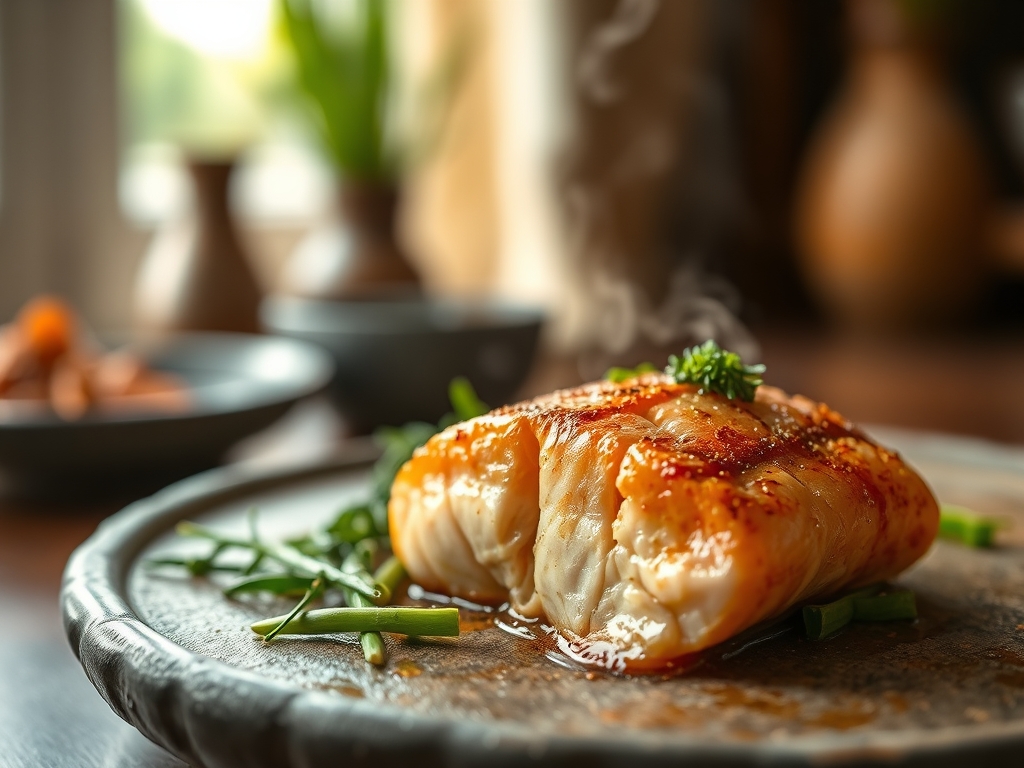
Picture a heavy-bottomed skillet shimmering with a thin veil of peanut oil. As the cold, fatty flesh of a King salmon fillet hits the surface, the air instantly fills with the scent of toasted sesame and the sharp, piquant sting of ginger. We are moving far beyond the basic lemon-butter routine. When you explore the world of chinese salmon recipes, you are essentially mastering the art of the Maillard reaction paired with high-viscosity glazes. It is a dance of heat and sugar where the amino acids in the fish react with the reducing sugars in soy and honey to create a crust that is both savory and candy-like. I am here to be your culinary navigator, showing you how to achieve that perfect, translucent medium-rare center while the exterior shatters with flavor. We are going to harness the power of aromatics and fermentation to turn a simple piece of protein into a masterpiece that looks like it belongs in a high-end Shanghai bistro. Grab your apron; we are about to get technical and very, very hungry.
The Gathers:
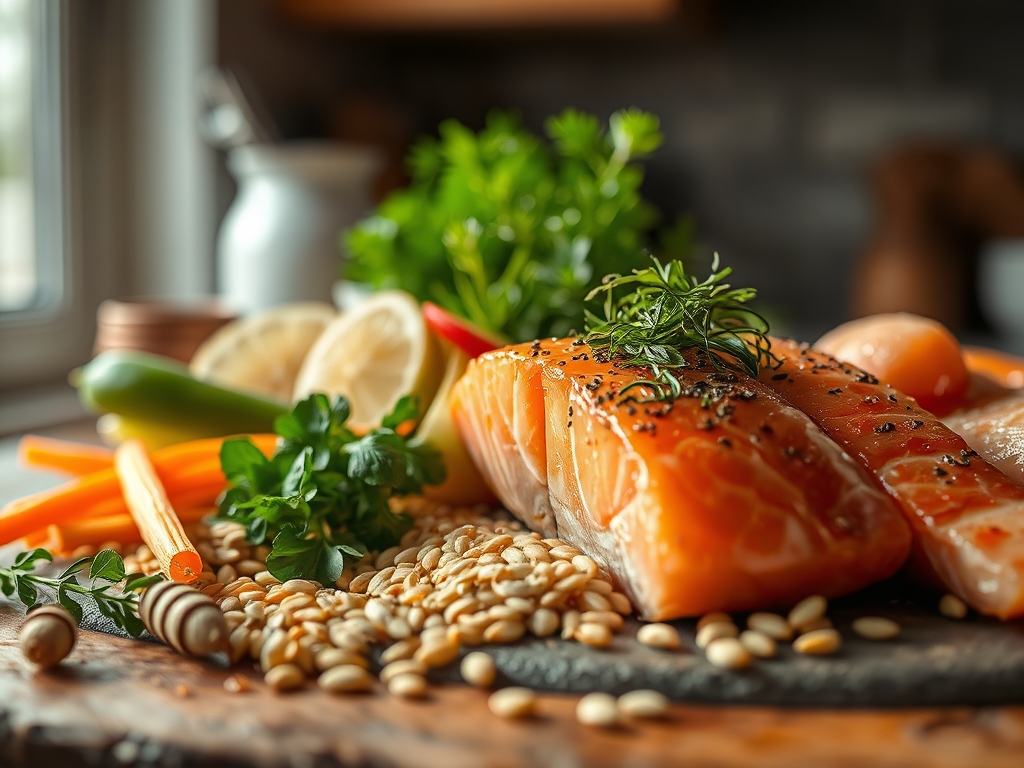
To execute these chinese salmon recipes with precision, your mise-en-place must be impeccable. You will need high-quality salmon fillets, preferably center-cut for uniform heat distribution. The pantry staples include light soy sauce for salinity, dark soy sauce for that deep mahogany pigment, and toasted sesame oil for its volatile aromatic compounds. You should have fresh ginger and garlic ready for the microplane; grating these aromatics instead of mincing them increases the surface area, allowing them to infuse the oil more rapidly.
Smart Substitutions: If you are watching your sodium, liquid aminos provide a similar umami profile without the salt spike. For those who cannot find Shaoxing wine, a dry pale sherry is a perfect chemical match due to its oxidative notes. If you want to swap the honey, use agave nectar; its lower viscosity means it will incorporate into cold sauces without clumping. Always keep a small bowl of cornstarch nearby. This is your primary thickener to create that glossy, restaurant-style sheen on your glazes.
The Clock: Mastering the Chef's Flow
Efficiency in the kitchen is about thermal management. Total preparation for these dishes usually clocks in at 15 minutes, with an active cooking time of only 8 to 10 minutes. The "Chef's Flow" dictates that you prepare your cold sauce components first. This allows the flavors to marry while the salmon reaches room temperature. Never cook salmon straight from the fridge; the internal temperature gradient will be too steep, resulting in a charred exterior and a raw, cold center. Give your fillets 20 minutes on the counter. While the fish rests, use your bench scraper to clear your workspace and prep your garnish of scallions and toasted sesame seeds. By the time your skillet is screaming hot, you are ready for the high-speed execution phase.
1. The Sear and Render
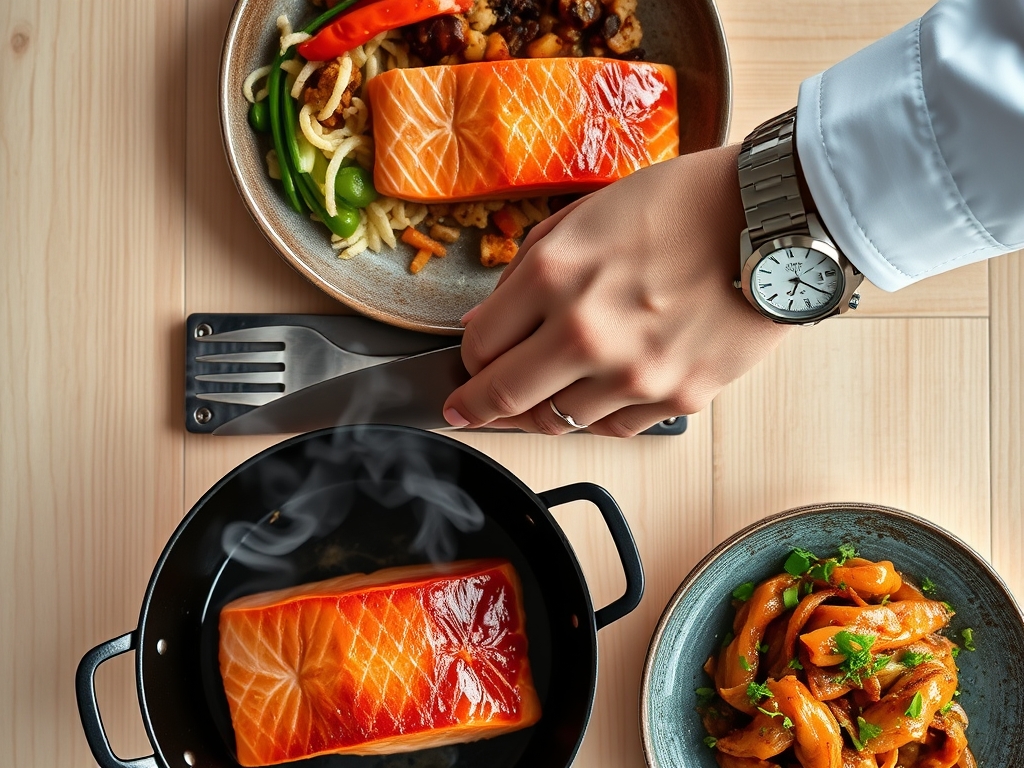
Place your salmon skin-side down in a preheated heavy-bottomed skillet. Do not move it. You want to render the subcutaneous fat, which acts as a thermal buffer and creates a crispy texture.
Pro Tip: This is the "Leidenfrost Effect" in action. If the pan is hot enough, the moisture in the fish creates a microscopic layer of steam that prevents sticking. Wait for the protein to naturally release from the metal before flipping.
2. Deglaze and Infuse
Once the salmon is 70 percent cooked, use your tongs to flip it briefly. Add your aromatics (ginger, garlic, star anise) to the empty spaces in the pan. As they become fragrant, deglaze the pan with Shaoxing wine to lift the fond (those delicious browned bits) off the bottom.
Pro Tip: Deglazing is a chemical extraction process. The alcohol in the wine dissolves flavor compounds that are not water-soluble, resulting in a more complex, layered sauce.
3. The Glaze Emulsification
Pour your prepared soy and honey mixture into the pan. Use a saucier or a small whisk to move the liquid around the fish. The sauce will begin to bubble and reduce, becoming increasingly viscous.
Pro Tip: This is a reduction. As water evaporates, the concentration of sugars and proteins increases. The "nappe" stage is reached when the sauce is thick enough to coat the back of a spoon without running off.
4. Thermal Carryover and Rest
Remove the pan from the heat when the salmon is slightly underdone. The internal temperature will continue to rise by about 5 to 10 degrees due to thermal carryover.
Pro Tip: If you cook the salmon to "done" in the pan, it will be dry by the time it reaches the plate. Resting the fish for three minutes allows the muscle fibers to reabsorb the juices, ensuring a succulent mouthfeel.
The Deep Dive
From a macro perspective, salmon is a nutritional powerhouse. A 6-ounce portion provides roughly 34 grams of high-quality protein and is rich in Omega-3 fatty acids. When utilizing chinese salmon recipes, the addition of ginger and garlic adds anti-inflammatory benefits, though you should be mindful of the sugar content in the glazes.
Dietary Swaps: For a Keto-friendly version, replace honey with a monk fruit sweetener and use tamari for a gluten-free profile. If you are serving a vegan guest, this same glaze technique works beautifully on thick slabs of "King Trumpet" mushrooms or extra-firm tofu that has been pressed to remove excess moisture.
The Fix-It:
- White Gunk (Albumin): If you see white liquid seeping out, you are cooking too fast and too hot. The muscle fibers are contracting and squeezing out the protein. Lower the heat.
- Soggy Skin: You likely crowded the pan. This creates steam. Cook in batches to ensure dry heat can circulate around the fish.
- Burnt Garlic: Garlic has a high sugar content and burns easily. Always add it during the final two minutes of cooking or after the pan has been deglazed.
Meal Prep: To reheat salmon without it turning into rubber, avoid the microwave. Use a low-temperature oven (275 degrees) with a splash of water and a tight foil lid. This creates a gentle steam chamber that restores moisture to the fats.
The Wrap-Up
You are now equipped with the technical knowledge to dominate any of these 8 bold chinese salmon recipes. By understanding the science of the sear and the chemistry of the glaze, you have moved from a recipe-follower to a true culinary artist. Remember that great cooking is about the balance of heat, salt, and acidity. Do not be afraid to experiment with the ratios of your glaze; maybe add a bit of chili crisp for heat or a squeeze of lime to cut through the fat. Your kitchen is your laboratory, and that sizzling skillet is where the magic happens. Now, go forth and create something spectacular!
The Kitchen Table
How do I get the skin extra crispy?
Ensure the skin is bone-dry before it hits the pan. Use a paper towel to press out moisture. Start in a cold pan for slow fat rendering, or a ripping hot pan for instant searing; both methods prevent sticking.
Can I bake these recipes instead of pan-frying?
Yes. Preheat your oven to 400 degrees. Brush the glaze on during the last 4 minutes of roasting. This prevents the sugars in the chinese salmon recipes from burning while the interior of the fish reaches the safe target temperature.
What is the best way to store leftovers?
Place the salmon in an airtight glass container immediately after it cools. It will stay fresh for up to two days. Keep the extra glaze in a separate small jar to prevent the fish from becoming overly salty or soggy.
Why does my sauce never get thick and glossy?
You likely need a cornstarch slurry. Mix one teaspoon of cornstarch with two teaspoons of cold water. Whisk this into your simmering sauce. The starch granules will swell and gelatinize, creating that professional, light-reflecting finish you see in restaurants.