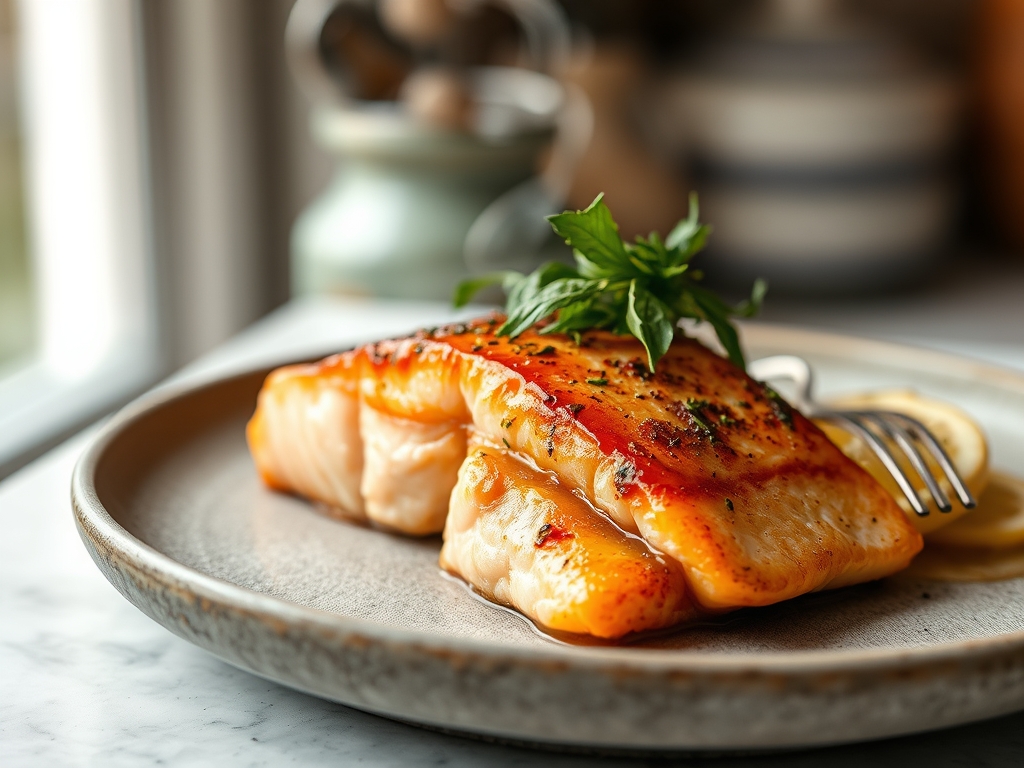
Picture a quiet Tuesday evening where the air smells of citrus zest and sizzling butter rather than takeout containers and regret. You are standing in your kitchen with a glass of crisp Sauvignon Blanc; your heavy-bottomed skillet is preheating; and you feel completely in control. Finding the best easy salmon recipes is not just about a list of ingredients; it is about mastering the alchemy of heat and fat to transform a raw fillet into a masterpiece of flaky texture and golden crust. We have all been there: staring at a frozen block of fish wondering if it will end up dry or fishy. But today, we are tossing that anxiety out the window. We are leaning into the science of the Maillard reaction and the beauty of a perfectly rendered fat cap. Salmon is the ultimate weeknight hero because its high lipid content makes it incredibly forgiving, provided you know the secret handshakes of the culinary world. Let us dive into the seven transformative hacks that will turn your kitchen into the hottest bistro in town.
The Gathers:
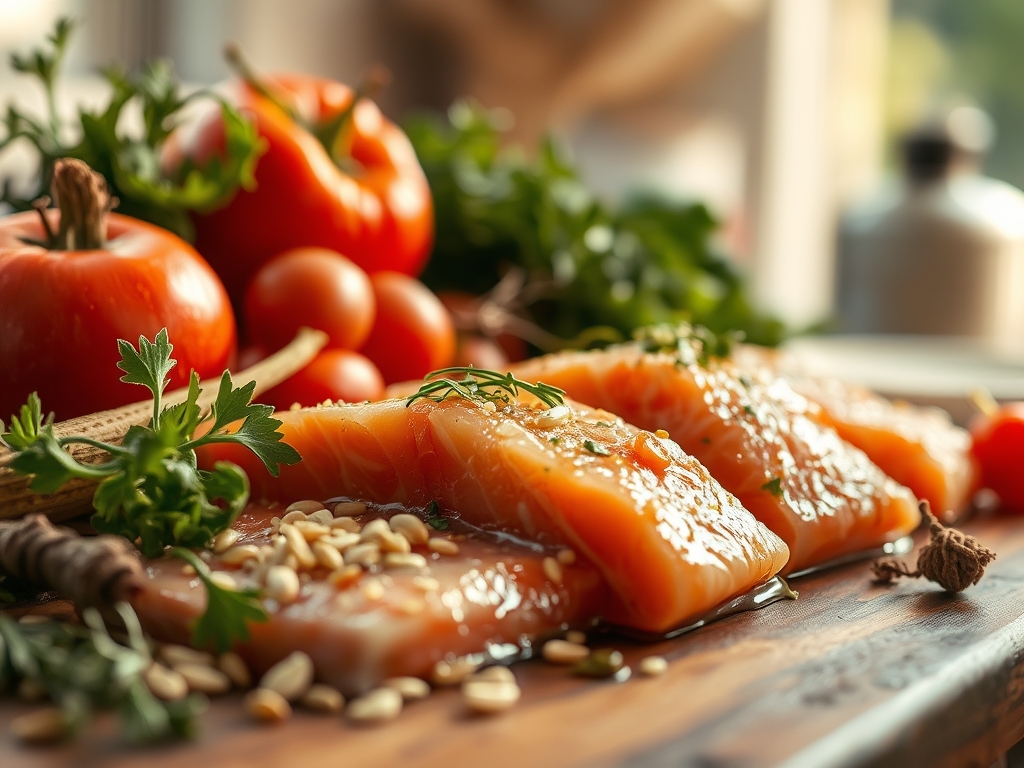
Before we ignite the burners, we must respect the mise-en-place. To execute the best easy salmon recipes, you need high-quality proteins and aromatics that provide a piquant contrast to the rich, oily nature of the fish. Start with center-cut Atlantic or King salmon fillets; these offer a uniform thickness that ensures even thermal distribution. You will need a high-smoke-point lipid like avocado oil or clarified butter to prevent acrid flavors during the searing process. Gather your aromatics: fresh sprigs of thyme, cloves of garlic crushed to release their essential oils, and a bright lemon ready for the microplane.
Smart Substitutions are your best friend here. If you lack fresh herbs, a high-quality dried herbes de Provence can infuse the oil effectively. If you are avoiding dairy, a viscous coconut aminos glaze provides the same umami depth as a traditional butter baste. Always keep a box of flaky sea salt nearby; the large crystal structure provides a tactile crunch that fine table salt simply cannot replicate. Using a digital scale to portion your fillets ensures that every piece hits the plate at the exact same internal temperature, maintaining consistency across the board.
The Clock:
Efficiency in the kitchen is all about "Chef's Flow." This is the psychological state where your movements are deliberate and your timing is rhythmic. For these hacks, your active prep time is a mere ten minutes. This includes patting the fish dry (moisture is the enemy of a crisp sear) and seasoning. The cooking phase typically spans eight to twelve minutes depending on the thickness of the fillet.
The "Flow" dictates that you prep your side dishes first. Since salmon cooks so rapidly, your grains or greens should be nearly finished before the fish even touches the pan. This prevents the salmon from sitting and losing its internal moisture while you frantically wait for a pot of quinoa to fluff. Remember, the fish will continue to cook for several minutes after being removed from the heat; this is known as thermal carryover. Plan for a five-minute rest period to allow the proteins to relax and the juices to redistribute through the muscle fibers.
The Masterclass:
1. The Super-Dry Skin Technique
Use a bench scraper or the back of a knife to firmly squeegee the moisture off the skin side of the fillet. This removes the viscous protein layer that causes sticking.
Pro Tip: This facilitates the Maillard reaction, a chemical dance between amino acids and reducing sugars that creates that savory, browned crust. Without a dry surface, the fish merely steams.
2. The Cold-Pan Start
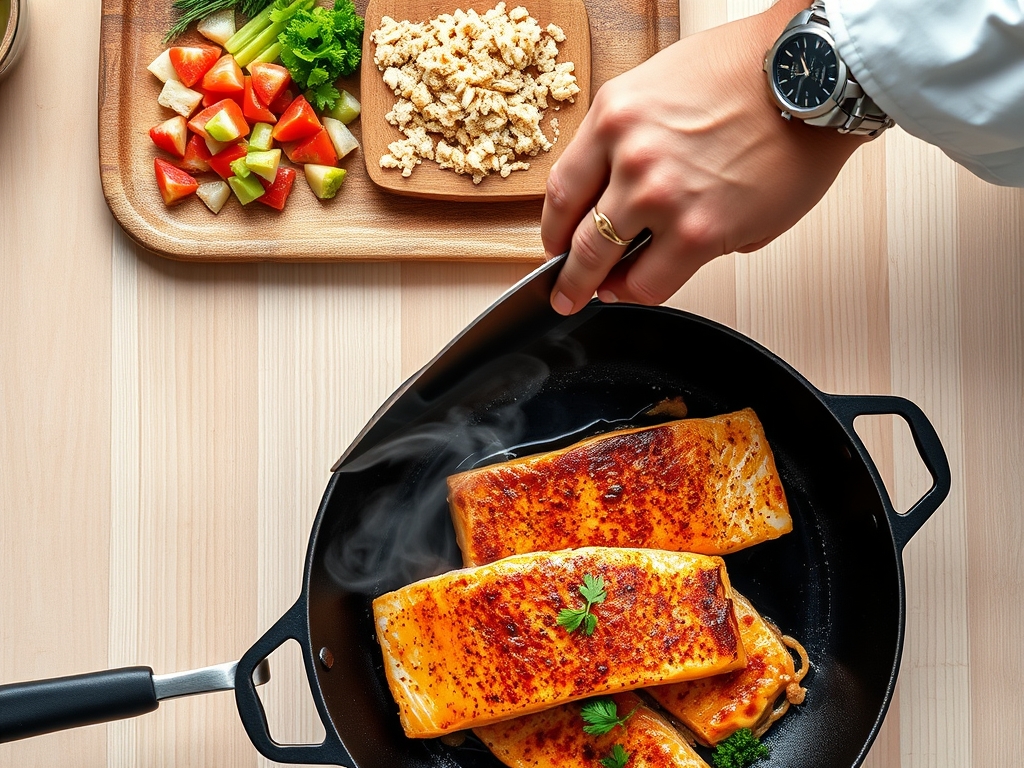
Place the salmon skin-side down in a cold, heavy-bottomed skillet before turning on the heat. This allows the subcutaneous fat to render slowly, resulting in glass-like crispness.
Pro Tip: Gradual heating prevents albumin (the white protein) from being squeezed out too quickly, keeping the interior succulent and visually clean.
3. The Butter Baste Infusion
Once you flip the fish, drop a knob of butter and aromatics into the pan. Use a saucier spoon to repeatedly drench the salmon in the foaming fat.
Pro Tip: This process uses convection to cook the top of the fish while the hot butter carries the fat-soluble flavor compounds from the herbs deep into the flesh.
4. The Parchment Paper Shield
For mess-free baking, wrap the salmon in parchment paper with a splash of white wine. This "en papillote" method uses trapped steam to gently cook the protein.
Pro Tip: This creates an enzymatic barrier that preserves the delicate omega-3 fatty acids, which can break down and become "fishy" under direct, harsh heat.
5. The Acidic Deglaze
After removing the fish, use a splash of citrus or vinegar to deglaze the pan, scraping up the browned bits (the fond).
Pro Tip: The acid breaks down the long-chain polymers of the caramelized proteins, turning them into a complex, savory sauce in seconds.
6. The Microplane Zest Finish
Never cook your citrus zest; grate it fresh over the finished plate using a microplane.
Pro Tip: Heat destroys the volatile oils in citrus skin. Adding it at the end ensures the bright, limonene scents hit the diner's nose immediately.
7. The Carryover Resting Period
Transfer the salmon to a warm plate and let it sit for exactly four minutes before serving.
Pro Tip: This accounts for thermal carryover, where the internal temperature rises by 5 to 10 degrees. Pulling the fish at 125F ensures a perfect 135F medium-rare finish.
The Deep Dive:
From a macro perspective, salmon is a nutritional powerhouse. A six-ounce portion delivers roughly 34 grams of high-quality protein and a significant dose of Vitamin B12. For those on specific paths, the swaps are simple. Keto followers should lean into the butter baste for healthy fats; vegans can apply these searing techniques to thick-cut "steaks" of cauliflower or tofu using liquid smoke to mimic the depth. If you are gluten-free, ensure your deglazing liquid is a pure wine or cider rather than a flour-thickened roux.
Let us talk about "The Fix-It." If your skin is sticking, do not force it with tongs; add a teaspoon of oil to the base and wait sixty seconds for the protein to naturally release. If the fish looks "white and chalky," you have overcooked it; mask this by flaking the meat into a pasta with a heavy cream sauce to restore moisture. If the middle is cold but the outside is burnt, your pan was too hot; next time, use a lower flame and a longer render. For meal prep, never reheat salmon in a microwave. Instead, use a low oven (275F) with a splash of water to gently re-aerate the muscle fibers without toughening the texture.
The Wrap-Up:
You are now armed with the technical prowess to conquer any weeknight dinner hurdle. By understanding the relationship between moisture, heat, and fat, you have moved beyond basic instructions into the realm of true culinary intuition. These seven hacks ensure that your search for the best easy salmon recipes ends right here in your own kitchen. Go forth, grab those tongs, and turn that fillet into the golden, flaky masterpiece it was destined to be. You have got this!
The Kitchen Table:
How do I prevent the white stuff on salmon?
That white substance is albumin. To minimize it, brine your salmon in a simple salt solution for ten minutes before cooking. This relaxes the muscle fibers so they do not squeeze the protein out when heat is applied.
Can I cook salmon from frozen?
Yes, but use the "en papillote" (parchment) method. The steam environment prevents the outside from drying out while the center thaws and cooks. It takes about 50 percent longer than fresh fillets but stays remarkably tender.
What is the best way to tell if salmon is done?
Use a digital thermometer to look for an internal temperature of 130F to 135F. Alternatively, press the top of the fillet gently with a fork; if the flakes separate easily along the white fat lines, it is ready.
Why is my salmon skin not crispy?
Moisture is the culprit. If the skin is damp, it will steam rather than sear. Use a paper towel to pat it bone-dry and ensure your oil is shimmering hot before the fish hits the pan.