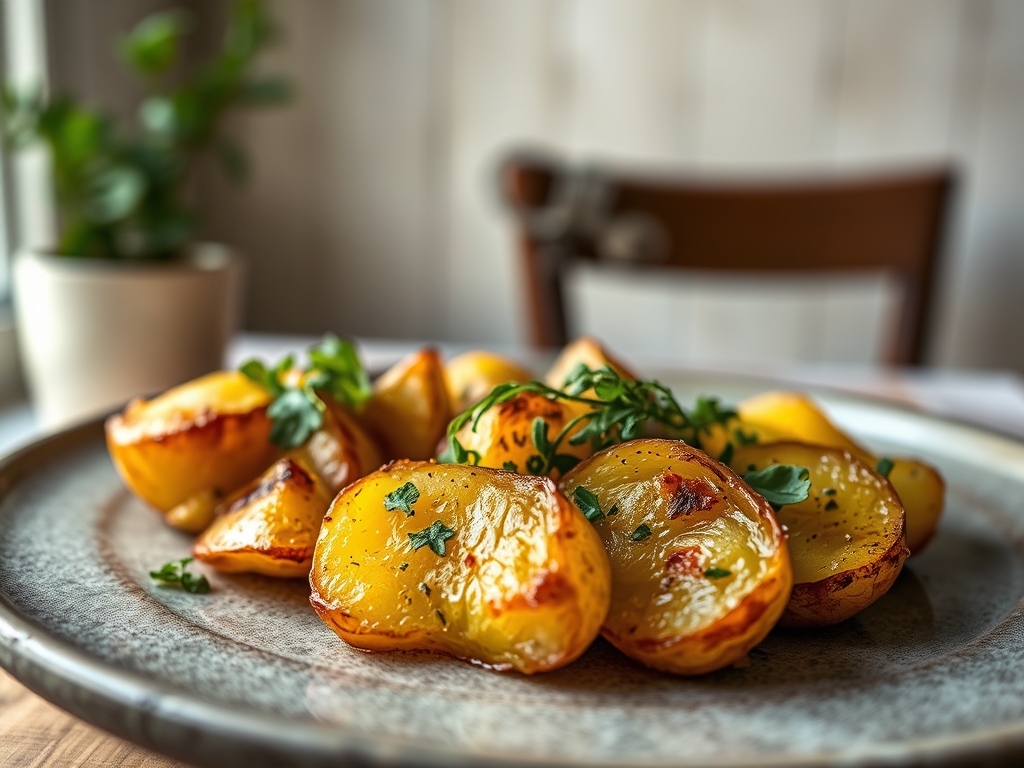
Picture the sound of a heavy-bottomed skillet meeting a flame; that rhythmic sizzle is the siren song of a perfect morning. We have all been there, staring at a bag of Russets and wondering how to elevate them from a humble side dish to the undisputed protagonist of the table. The secret to mastering brunch potato recipes lies in the delicate balance of starch, heat, and fat. It is not just about cooking; it is about engineering the perfect crunch that shatters into a fluffy, cloud-like interior. Whether you are hosting a sophisticated garden party or nursing a slow Sunday, these nine hacks turn the ordinary tuber into a culinary masterpiece. We are moving beyond the soggy, oil-slicked diner piles of the past. Today, we are talking about high-level texture, piquant aromatics, and the chemical reactions that make every bite an event. Let us roll up our sleeves and get into the gritty, glorious details of potato perfection.
The Gathers:
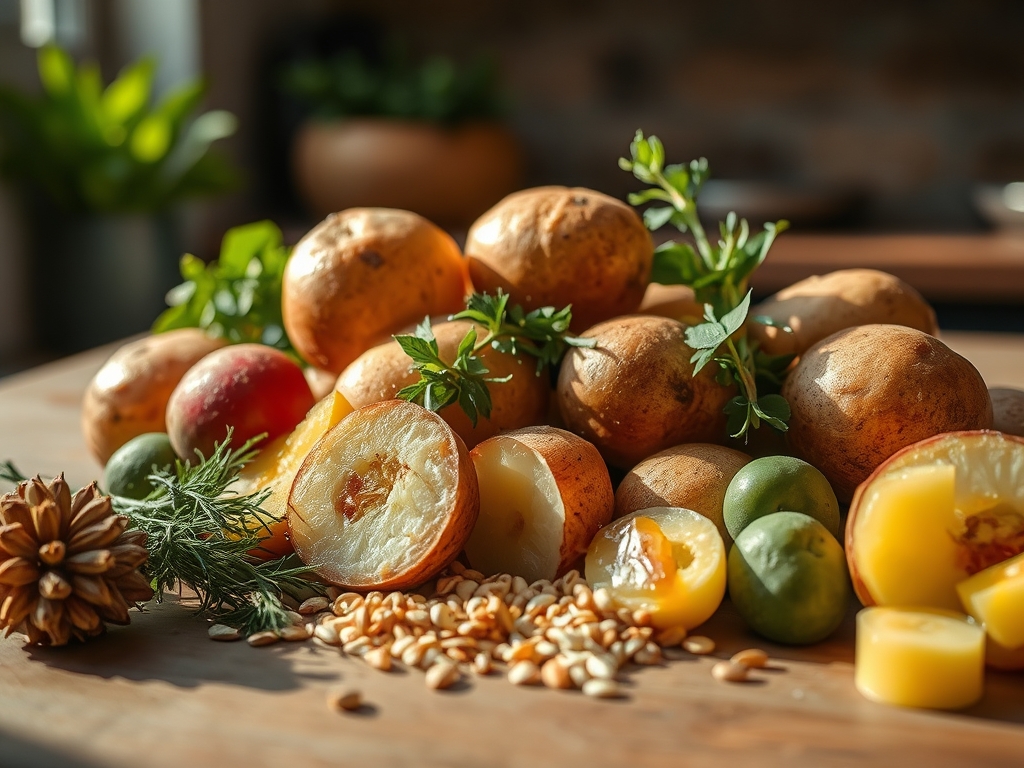
To achieve professional results, your mise-en-place must be precise. Start with high-starch Russets for maximum fluff or waxy Yukon Golds for a creamy, buttery mouthfeel. You will need a high-smoke-point fat like clarified butter (ghee) or rendered duck fat to ensure the potatoes crisp without the solids burning. Fresh aromatics are non-negotiable; think woody rosemary, thyme, and smashed garlic cloves to infuse the oil. For seasoning, use flaky sea salt to provide a structural crunch and freshly cracked tellicherry peppercorns for a complex heat.
Smart Substitutions: If you are looking to lighten the profile, replace half the potatoes with celery root or parsnips for an earthy, low-glycemic twist. For a vegan-friendly umami bomb, swap the butter for an extra-virgin olive oil infused with nutritional yeast. If you lack a specific herb, dried oregano can work, but it must be bloomed in the hot fat first to release its volatile oils. Always keep a microplane nearby to zest lemon over the finished dish; the citric acid cuts through the richness of the starch beautifully.
The Clock
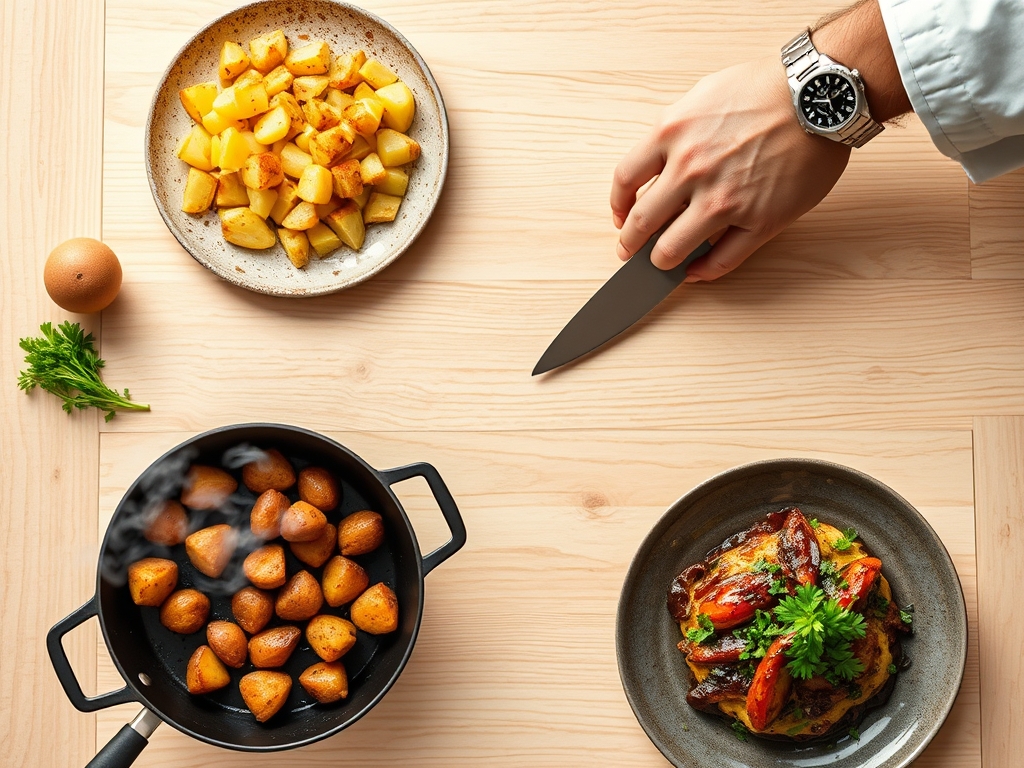
Efficiency in the kitchen is about managing the Chef's Flow. Expect about 15 minutes of active knife work; using a bench scraper to move your dice will shave precious seconds off your prep. The total cook time typically spans 30 to 40 minutes depending on your chosen method. The goal is to synchronize your potato finish with your protein. Remember that potatoes hold heat exceptionally well due to their dense cellular structure. You can finish them five minutes early and let them rest in a warm oven without losing integrity. This window allows you to focus on delicate tasks like poaching eggs or whisking a viscous hollandaise.
The Masterclass
1. The Parboil and Shake
Before they ever touch a pan, boil your potato chunks in heavily salted water with a pinch of baking soda. Drain them, then shake them vigorously in the pot to roughen the edges.
Pro Tip: The baking soda increases the pH of the water, which breaks down the pectin on the potato surface. This creates a starchy slurry that, once fried, results in an ultra-thick, glass-like crust through the Maillard reaction.
2. The Cold Start Method
Place your sliced potatoes in a skillet with cold oil and turn the heat to medium-high. Do not touch them for the first ten minutes.
Pro Tip: Starting cold allows the interior to cook through via conduction while the exterior slowly dehydrates. This prevents the common pitfall of a burnt outside and a raw, crunchy center.
3. The Duck Fat Confit
Submerge small, halved fingerlings in rendered duck fat and slow-roast at 300 degrees Fahrenheit until tender. Increase the heat at the very end to crisp.
Pro Tip: Fat is a poor conductor of heat compared to water, which allows for a gentle, even cook. This process renders the potato nearly creamy, as the fat replaces the water lost during evaporation.
4. The Smashed Technique
Boil whole baby potatoes until fork-tender, then use a heavy glass or a digital scale base to flatten them into discs before pan-frying.
Pro Tip: Smashing increases the surface area-to-volume ratio. More surface area means more contact with the hot skillet, maximizing the zones where browning can occur.
5. The Vinegar Soak
After cutting your potatoes, soak them in cold water with a splash of white vinegar for thirty minutes before drying and roasting.
Pro Tip: This removes excess surface starch and prevents enzymatic browning. The vinegar also helps the potatoes hold their shape, ensuring they do not turn into mush during the high-heat roasting phase.
6. The Cornstarch Dusting
Toss your parboiled potatoes in a light coating of cornstarch and spices before they hit the oven tray.
Pro Tip: Cornstarch is a pure starch that absorbs moisture more efficiently than potato starch. It creates a secondary crisp layer that acts as a barrier against humidity, keeping your brunch potato recipes crunchy for longer.
7. The Compound Butter Finish
In the final two minutes of cooking, toss in a knob of butter mixed with garlic and parsley. Use tongs to coat every piece.
Pro Tip: Adding butter at the end prevents the milk solids from scorching. The fats emulsify with the residual moisture on the potato surface, creating a glossy, flavorful glaze.
8. The Cast Iron Sear
Always use a seasoned cast iron skillet for your hash. Press the potatoes down firmly to ensure maximum contact.
Pro Tip: Cast iron has high thermal mass, meaning it does not drop in temperature when you add the cold potatoes. This constant high heat is essential for a deep, mahogany crust.
9. The De-glaze Secret
Once the potatoes are crisp, splash a tablespoon of apple cider vinegar or white wine into the pan and toss quickly.
Pro Tip: This action deglazes the flavorful browned bits (fond) from the bottom of the pan and sticks them back onto the potatoes. The acidity also provides a bright counterpoint to the heavy fats.
The Deep Dive
From a macro perspective, potatoes are a powerhouse of potassium and complex carbohydrates, providing the sustained energy needed for a busy day. To make this Keto-friendly, substitute radishes; they lose their peppery bite and mimic the texture of a red potato when roasted. For a Vegan version, use avocado oil for its high smoke point and rich monounsaturated fats.
The Fix-It:
- Soggy Potatoes: Usually caused by overcrowding. Use two pans to ensure steam can escape; otherwise, you are steaming, not frying.
- Burnt Garlic: If your garlic turns bitter, you added it too early. Add aromatics only in the last three minutes of cooking.
- Uneven Cooking: This stems from inconsistent knife work. Use a mandoline or a sharp chef knife to ensure every piece is the same dimension for uniform heat penetration.
Meal Prep: To reheat and maintain "day-one" quality, avoid the microwave at all costs. The microwave agitates water molecules, making the starch granules gummy. Instead, use an air fryer or a hot oven at 400 degrees Fahrenheit for five minutes to re-crisp the exterior.
The Wrap-Up
Mastering the art of the potato is a rite of passage for any home chef. By understanding the science of starch and the power of heat management, you transform a budget-friendly staple into a luxury experience. Don't be afraid to experiment with different fats and spices; the potato is a blank canvas waiting for your creative touch. Now, grab your skillet and get sizzling.
The Kitchen Table
Which potato is best for brunch?
Russets are ideal for a fluffy interior and maximum crunch due to high starch. Yukon Golds offer a creamy, buttery texture and hold their shape better during dicing and sautéing. Choose based on your desired final mouthfeel.
How do I stop potatoes from sticking?
Ensure your pan is preheated before adding fat. Once the fat is shimmering, add the potatoes and leave them undisturbed. This allows a crust to form, which naturally releases the potato from the cooking surface.
Can I prep brunch potatoes overnight?
Yes. Cut and peel your potatoes, then submerge them completely in cold water with a teaspoon of lemon juice or vinegar. Store them in the refrigerator to prevent oxidation and keep them crisp for the next morning.
Why are my roasted potatoes tough?
Toughness usually results from skipping the parboiling step. Parboiling gelatinizes the starch on the surface, which then dehydrates into a crisp shell. Without it, the skin can become leathery and difficult to chew.