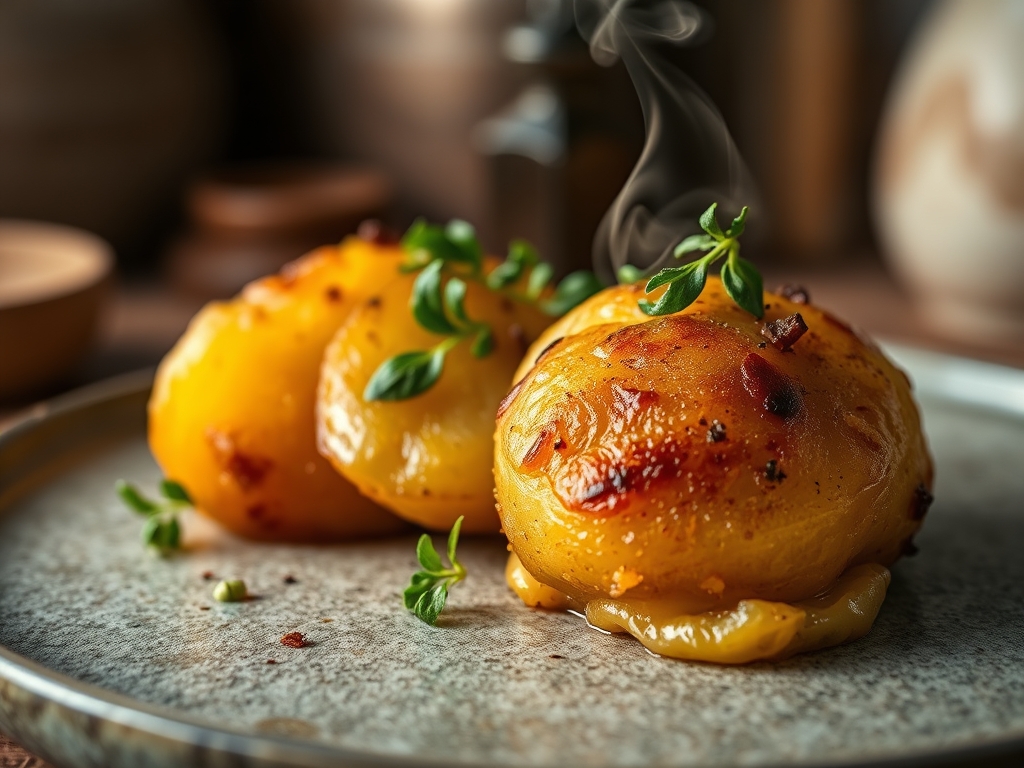
Imagine the scent of cold butter hitting a hot heavy bottomed skillet; it is the olfactory equivalent of a velvet hug. When we talk about potato recipes french style, we are not just discussing a side dish; we are mastering the art of starch transformation. From the shatteringly crisp edges of a Pommes Anna to the ethereal, cloud like lift of a proper puree, these techniques turn a humble tuber into a culinary crown jewel. We are diving deep into the chemistry of the Maillard reaction and the physics of emulsification to ensure your kitchen smells like a Parisian bistro by sunset.
The Gathers:
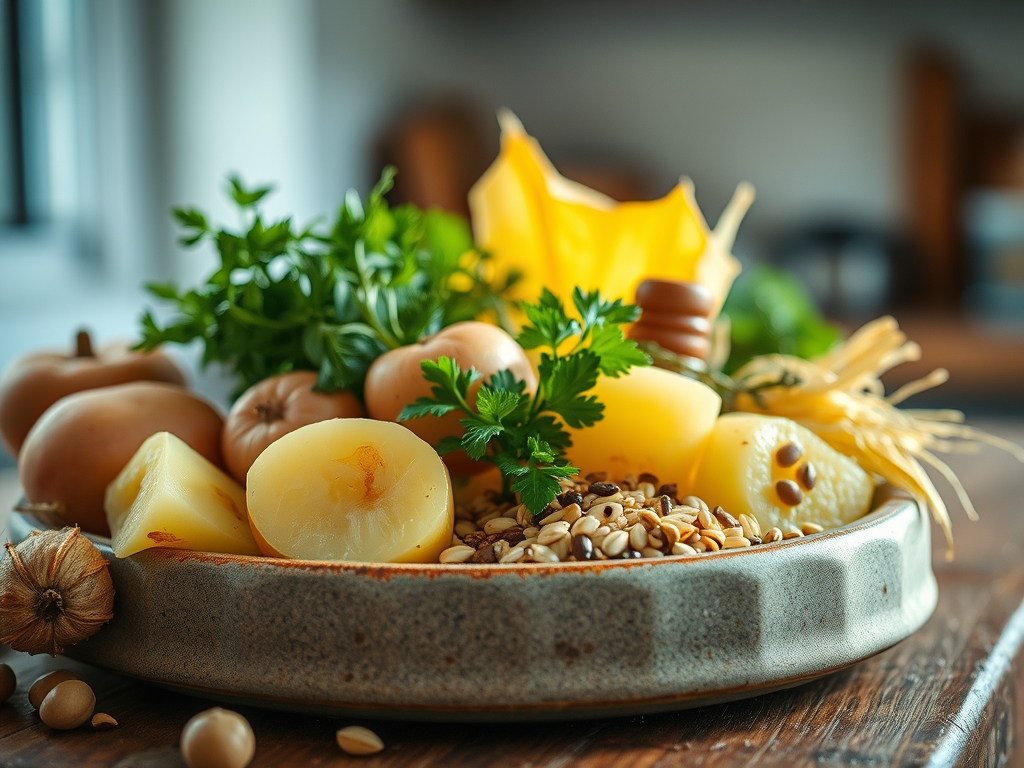
To achieve professional results, your mise-en-place must be precise. Start with high starch varieties like Russets for frying or waxy Yukon Golds for boiling; the amylose to amylopectin ratio determines whether your dish stays intact or melts into a silky puddle. You will need high quality European butter with at least 82 percent butterfat. This lower water content prevents your sauces from breaking and ensures a more viscous, luxurious mouthfeel.
Keep a digital scale nearby for accuracy. You will also need heavy cream, fresh sprigs of thyme, rosemary, and several cloves of garlic to infuse into your fats. For seasoning, use fleur de sel for finishing and fine sea salt for the boiling water. If you are looking for smart substitutions, you can swap heavy cream for full fat coconut milk in a pinch, though the flavor profile will shift toward the tropical. For a keto friendly twist, radishes or cauliflower can mimic the texture of a boiled potato, but they lack the specific starch granules required for a true emulsion.
The Clock
Efficiency in the kitchen relies on what I call the Chef's Flow. Total active preparation for these ten techniques spans about 45 minutes, while total cook time varies from 20 minutes for a quick sauté to 90 minutes for a slow roasted gratin. The secret is overlapping your tasks. While your potatoes undergo their initial simmer, you should be using your microplane to zest aromatics or your saucier to render fats.
Allow for a 10 minute rest period for any baked dish. This is not just a suggestion; it is a thermal necessity. During this time, the internal moisture redistributes and the starches set, preventing your beautiful layers from sliding apart when you finally make that first cut.
The Masterclass
1. The Perfect Pommes Puree
Start by boiling peeled Yukon Golds in heavily salted water until tender. Pass them through a food mill or a fine mesh tamis while they are still steaming hot. This prevents the starches from gelatinizing into a gummy paste.
Pro Tip: This is about mechanical aeration. By forcing the potato through a fine mesh, you break down cell walls without overworking the starch, which prevents the development of a gluey texture.
2. Classic Pommes Anna
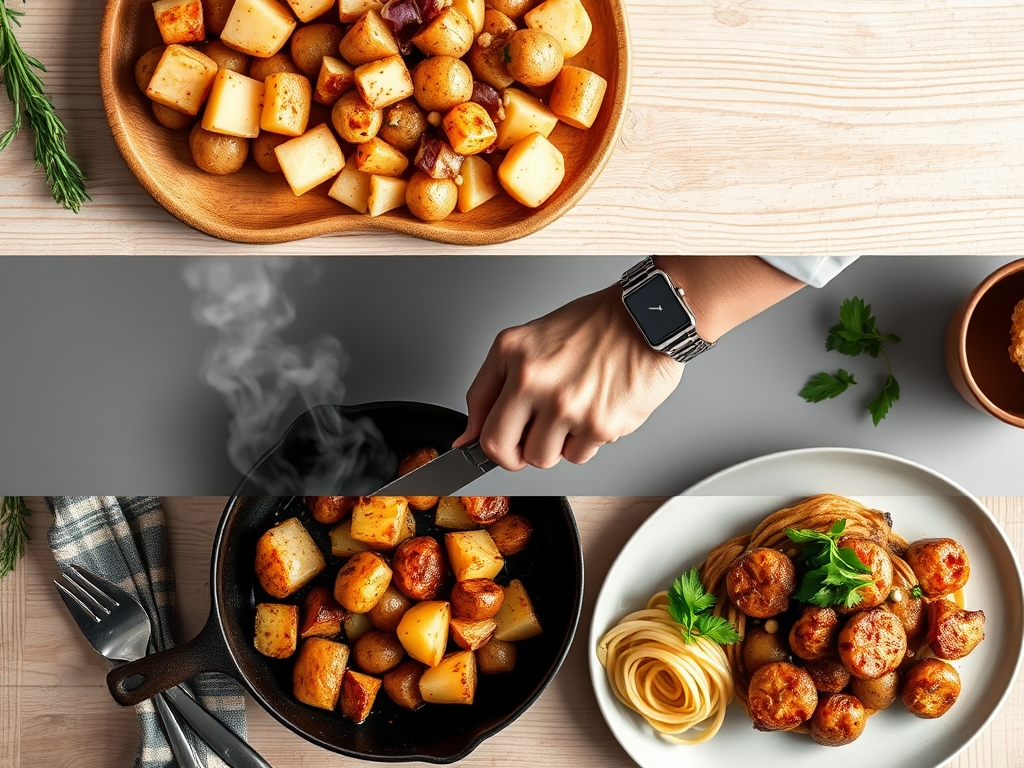
Use a mandoline to slice potatoes into paper thin rounds. Layer them in a concentric circle in a buttered cast iron skillet, brushing each layer with clarified butter. Press down firmly with a weight while cooking on the stovetop before finishing in the oven.
Pro Tip: Clarified butter has a higher smoke point than whole butter. This allows you to achieve a deep golden Maillard reaction without burning the milk solids.
3. Gratin Dauphinois
Thinly slice your potatoes and submerge them in a mixture of heavy cream, garlic, and nutmeg. Bake slowly until the cream reduces into a thick, piquant sauce that coats every slice.
Pro Tip: Do not rinse the potatoes after slicing. You need that surface starch to act as a natural thickener for the cream, creating a stable emulsion that wont break in the heat.
4. Pommes Frites
The double fry method is non negotiable. Blanch the batons in oil at 325 degrees Fahrenheit, let them cool, and then flash fry them at 375 degrees until they are crisp and airy.
Pro Tip: The first fry cooks the interior and creates a protective starch crust. The second fry dehydrates the surface, resulting in a long lasting crunch.
5. Pommes Lyonnaise
Sauté sliced potatoes in butter until golden, then toss them with caramelized onions and a splash of vinegar to deglaze the pan. Finish with fresh parsley.
Pro Tip: Deglazing with acid cuts through the richness of the butter and onions, balancing the pH of the dish for a more complex flavor profile.
6. Pommes Duchesse
Pipe seasoned mashed potatoes mixed with egg yolks through a star tip onto a baking sheet. Bake until the ridges are browned and crisp.
Pro Tip: Egg yolks provide lecithin, a powerful emulsifier that binds the fat and moisture, while also contributing to the beautiful browning through protein coagulation.
7. Pommes Fondant
Cut potatoes into uniform cylinders using a circular cutter. Sear the ends in a skillet, then braise them halfway up in chicken stock and butter until the liquid reduces to a glaze.
Pro Tip: This technique utilizes thermal carryover. The potatoes continue to absorb the savory stock as they cool, intensifying the umami flavor.
8. Pommes Souffles
These are the holy grail of potato recipes french style. Thin slices are fried twice at specific temperatures until they puff up like little golden pillows.
Pro Tip: The puff is caused by a sudden burst of steam trapped inside a sealed starch skin. It requires precise temperature control and constant agitation with a slotted spoon.
9. Pommes Persillade
Cubed potatoes are sautéed in duck fat until crispy and then tossed with a pungent mixture of minced garlic and parsley at the very last second.
Pro Tip: Adding garlic at the end prevents it from becoming bitter. The residual heat is enough to mellow the raw bite without scorching the delicate oils.
10. Potato Galette
Similar to a hash brown but more refined, this uses shredded potatoes that are squeezed dry and fried in a thin, pancake like layer until the exterior is shatteringly crisp.
Pro Tip: Removing excess moisture is vital. Water absorbs heat energy for evaporation, which delays the browning process. A dry potato browns instantly.
The Deep Dive
From a nutritional standpoint, potatoes are a powerhouse of potassium and Vitamin C, though these French preparations lean heavily into fats for flavor and texture. If you are looking for dietary swaps, use olive oil or avocado oil for a dairy free version. For a keto friendly alternative, try using celery root; it has a similar density and can be sliced or mashed, though it contains significantly less starch.
The Fix-It:
- Gummy Puree: This happens when you overwork the potatoes in a food processor. Fix it by folding in more warm cream and butter to loosen the structure; never use a blender.
- Broken Gratin: If your cream looks curdled, the heat was too high. Next time, stabilize the sauce with a pinch of flour or keep the oven temperature below 350 degrees.
- Soggy Fries: This is usually due to overcrowding the pot. Fry in smaller batches to maintain a consistent oil temperature.
For meal prep, reheating is a science. Avoid the microwave, which turns starches rubbery. Instead, use an oven or air fryer at 350 degrees to recrisp the exterior while gently warming the center. This preserves the "day one" quality of the crust.
The Wrap-Up
Mastering these potato recipes french style is like learning a new language; once you understand the grammar of starch and fat, you can compose any culinary poem you desire. Whether you are whisking a silky puree with a saucier or flipping a golden galette with a bench scraper, remember that patience is your best ingredient. Now, go forth and turn that bag of spuds into a masterpiece!
The Kitchen Table
Which potato is best for French fries?
Russet potatoes are the gold standard for fries. Their high starch and low moisture content create a floury interior and a crisp, golden exterior that holds its shape after the double fry process.
Can I make Gratin Dauphinois ahead of time?
Yes. You can bake the gratin until just tender, cool it completely, and refrigerate. Reheat it in a 350 degree oven to finish the browning and set the cream sauce before serving.
Why are my mashed potatoes gluey?
Gluey potatoes result from overworking the starch. Using a blender or food processor breaks the starch granules and releases amylose, creating a sticky paste. Always use a food mill, ricer, or hand masher.
How do I stop potatoes from browning after cutting?
Submerge your sliced or peeled potatoes in a bowl of cold water. This prevents enzymatic browning by blocking oxygen from reaching the surface of the potato cells before you are ready to cook.