
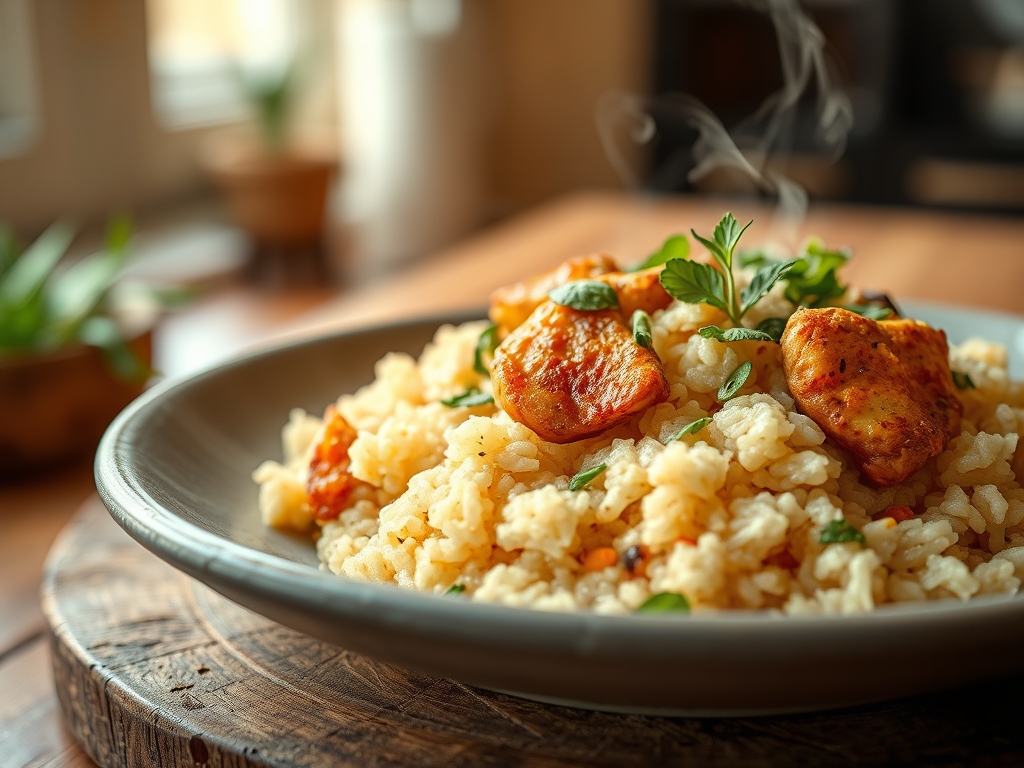
Close your eyes and listen for the rhythmic sizzle of chicken thighs meeting a heavy-bottomed skillet; it is the sound of pure comfort. Finding the best rice chicken recipes is not just about a meal; it is about mastering the delicate balance between protein and starch. Whether you are craving a citrusy pilaf or a creamy risotto, the chemistry of these two staples creates a culinary canvas that is both versatile and deeply satisfying.
The secret to a world-class pairing lies in the starch. We are moving beyond the bland, boiled textures of the past to embrace grains that have been toasted, infused, and fluffed to perfection. Chicken provides the savory depth through its rendered fats, while the rice acts as a structural sponge, soaking up every drop of deglazed goodness. This is where high-heat searing meets slow-simmered absorption. We are going to explore ten distinct flavor profiles that will transform your weeknight routine into a gourmet experience. From the piquant notes of a Mediterranean lemon-herb bowl to the rich, viscous comfort of a classic congee, these pairings are designed to maximize both nutrition and flavor density. Grab your favorite apron and a glass of wine; we are about to turn your kitchen into a laboratory of deliciousness.
The Gathers:
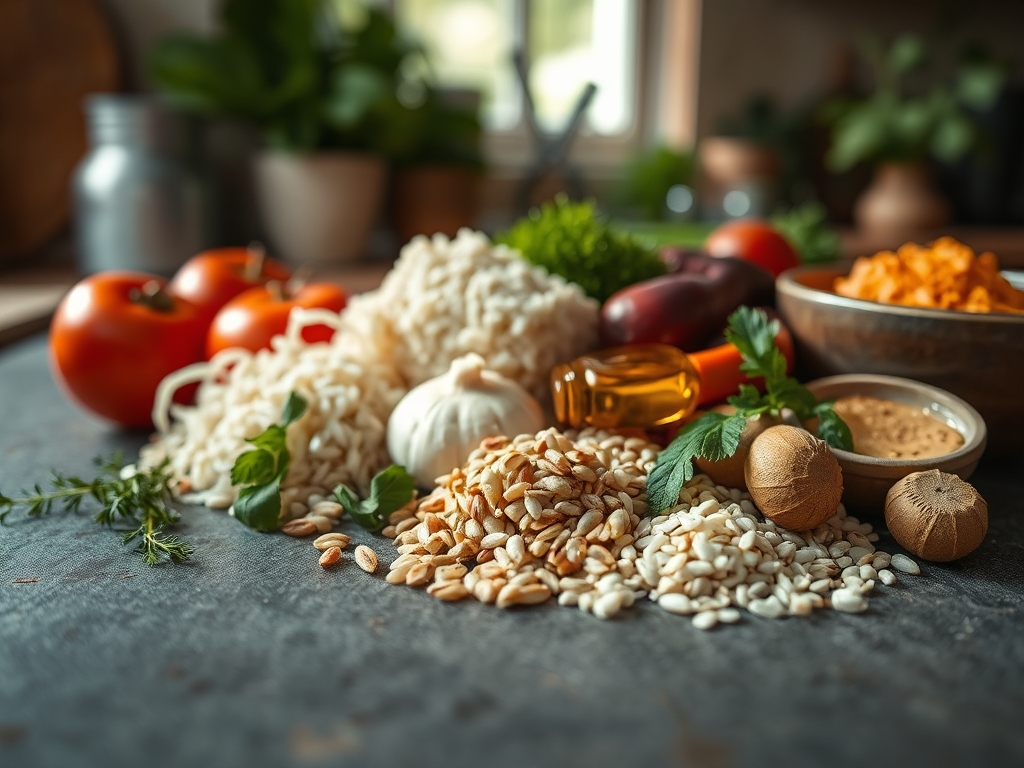
To achieve professional results, your mise-en-place must be precise. Start with high-quality chicken; I prefer bone-in, skin-on thighs for their high collagen content, which provides a silky mouthfeel when the fats render. For the grains, keep a variety on hand. Long-grain Basmati offers a floral aroma and distinct grains, while short-grain Arborio is essential for that creamy, starch-heavy release. You will need a microplane for zesting aromatics, a digital scale for precise liquid-to-grain ratios, and a saucier or deep skillet to manage heat distribution.
Smart Substitutions: If you are out of traditional chicken stock, use a combination of bone broth and a splash of dry white wine to add acidity and depth. Swap white rice for quinoa or farro if you want a nuttier texture and higher fiber content. For a dairy-free creaminess, full-fat coconut milk is a molecular powerhouse that mimics the mouthfeel of heavy cream without the lactose. Always have fresh herbs like cilantro, parsley, or dill ready to provide a bright, enzymatic contrast to the heavy savory notes of the meat.
The Clock: Mastering the Chef's Flow
Efficiency in the kitchen is all about the "Chef's Flow." Total preparation time for these recipes typically clocks in at 20 minutes, with a 30 to 40-minute active cook time. The trick is to overlap your tasks. While your chicken is undergoing the Maillard reaction in the pan, use that time to rinse your rice. Rinsing removes excess surface starch, preventing the grains from becoming a gummy mass.
Once the chicken is seared, let it rest on a cutting board. This allows for thermal carryover, where the internal temperature continues to rise slightly, ensuring the juices redistribute rather than spilling out. Use those precious minutes while the rice simmers to prepare your cold garnishes. By the time the rice has absorbed the liquid and finished its "steam rest," your chicken is perfectly succulent and ready to slice. This synchronized timing ensures that every component hits the plate at its peak temperature and texture.
The Masterclass
1. The Sear and Render
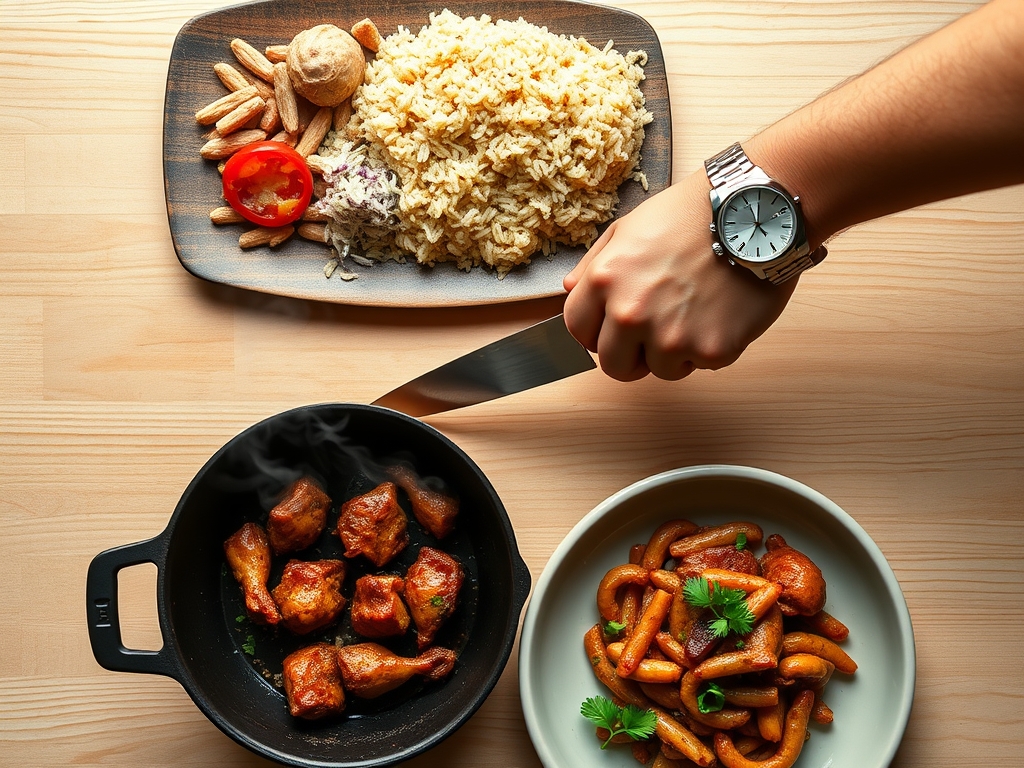
Place your chicken skin-side down in a cold, heavy-bottomed skillet and then turn the heat to medium-high. This allows the fat to render slowly, resulting in a shatteringly crisp skin. Use tongs to press the meat down for even contact.
Pro Tip: This technique utilizes conduction heating to break down subcutaneous fat. By starting cold, you avoid scorching the proteins before the fat has a chance to liquefy and crisp the exterior.
2. Deglazing the Fond
After removing the chicken, you will see brown bits stuck to the pan. This is "fond," concentrated flavor gold. Pour in a splash of stock or wine and use a wooden spoon to scrape the bottom.
Pro Tip: Deglazing is a chemical process where the liquid dissolves the caramelized proteins. This creates a viscous base for your rice to cook in, infusing every grain with deep, savory umami.
3. Toasting the Grains
Add your dry rice directly into the pan with the remaining fat and aromatics. Stir constantly for two minutes until the edges of the rice look translucent and smell nutty.
Pro Tip: This is known as the amylopectin stabilization phase. Toasting the rice coats the exterior in fat, which prevents the grains from bursting and releasing too much starch, keeping them distinct and fluffy.
4. The Gentle Simmer
Add your measured liquid and bring it to a boil, then immediately drop the heat to the lowest setting and cover with a tight-fitting lid. Do not peek.
Pro Tip: Maintaining a consistent temperature is vital for gelatinization. Opening the lid releases steam, which drops the internal pressure and results in unevenly cooked, crunchy grains.
5. The Steam Rest
Once the liquid is absorbed, turn off the heat but leave the lid on for at least ten minutes. Finally, use a silicone spatula or fork to gently aerate the rice.
Pro Tip: This rest period allows the remaining moisture to redistribute evenly through the grains via vapor equilibrium. It ensures the bottom layer is just as tender as the top.
The Deep Dive
Macro Nutrition
A standard serving of these chicken and rice pairings provides a balanced profile of approximately 35g of protein, 45g of complex carbohydrates, and 12g of healthy fats. By using skinless breasts, you can reduce the fat content, though you may lose some of the fat-soluble flavor compounds.
Dietary Swaps
- Vegan: Replace chicken with roasted oyster mushrooms or firm tofu and use vegetable dashi instead of chicken stock.
- Keto: Swap rice for riced cauliflower. Note that cauliflower requires significantly less liquid and zero simmering time.
- Gluten-Free: Most rice is naturally GF, but ensure your chicken stock is certified to avoid hidden thickeners.
The Fix-It: Common Pitfalls
- Mushy Rice: You likely used too much liquid or skipped the rinsing step. The Fix: Spread the rice on a baking sheet and put it in a low oven for five minutes to evaporate excess moisture.
- Dry Chicken: The internal temperature exceeded 165 degrees Fahrenheit. The Fix: Slice the chicken thin and toss it in a quick "pan sauce" of butter and lemon juice to add moisture.
- Bland Flavor: You didn't season the rice during the toasting phase. The Fix: Fold in fresh herbs, a squeeze of lime, or a dash of high-quality sea salt right before serving.
Meal Prep: Reheating Science
To maintain "day-one" quality, reheat your rice and chicken with a teaspoon of water and a damp paper towel draped over the bowl. This creates a mini-steam chamber in the microwave, preventing the rice from dehydrating into hard pellets.
The Wrap-Up
Mastering the best rice chicken recipes is a journey through texture, temperature, and technique. By understanding the science of the sear and the patience of the simmer, you elevate a humble meal into a culinary masterpiece. Remember that cooking is as much about the tools as it is the ingredients; use your bench scraper to keep your station clean and your digital thermometer to ensure perfection every time. Now, go forth and create something spectacular!
The Kitchen Table
How do I make my rice fluffier?
Always rinse your rice under cold water until the water runs clear. This removes excess surface starch. Additionally, toasting the grains in oil or butter before adding liquid creates a protective barrier that keeps individual grains separate and distinct.
Can I cook chicken and rice in one pot?
Yes, but timing is everything. Sear the chicken first to develop flavor, then remove it. Cook the rice in the same pan, adding the chicken back on top for the final 15 minutes of simmering to ensure both are perfectly cooked.
What is the best rice for chicken recipes?
Basmati is the gold standard for fluffy, aromatic results. If you prefer a heartier, chewier texture, go with brown rice. For creamy dishes like risotto or "cheesy chicken rice," choose short-grain varieties like Arborio to maximize starch release.
Why is my chicken always dry in rice dishes?
Dry chicken is usually the result of overcooking during the simmering phase. Use a digital thermometer to pull the chicken once it hits 160 degrees Fahrenheit; the thermal carryover will bring it to the safe 165-degree mark while it rests.