
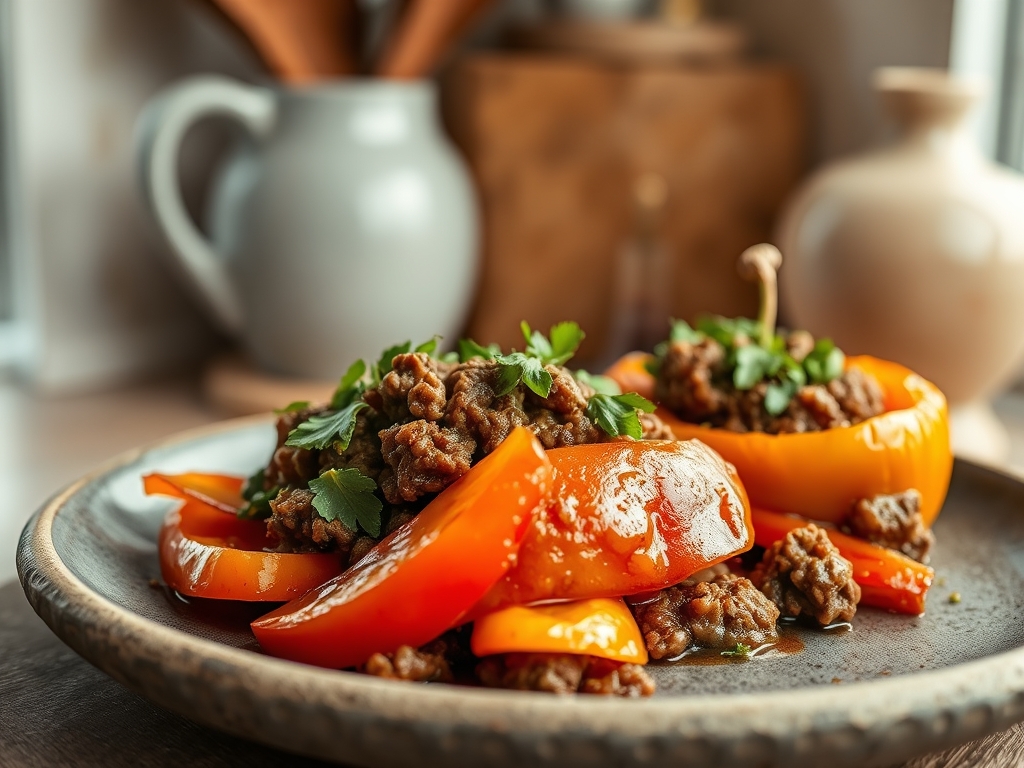
Imagine the sharp, rhythmic sound of a chef knife meeting a wooden board; it is the percussion of a kitchen in motion. There is a specific magic that happens when the grassy, sweet crunch of a vegetable meets the savory depth of seared protein. If you are hunting for bell peppers and ground beef recipes, you are essentially looking for the perfect marriage of acidity and fat. It is a culinary archetype that works because it balances the heavy with the bright. Whether you are stuffing them, sautéing them into a frenzy, or simmering them into a rich ragu, this duo is the backbone of weeknight survival. We are not just making dinner; we are engineering flavor through heat and timing.
The Gathers:
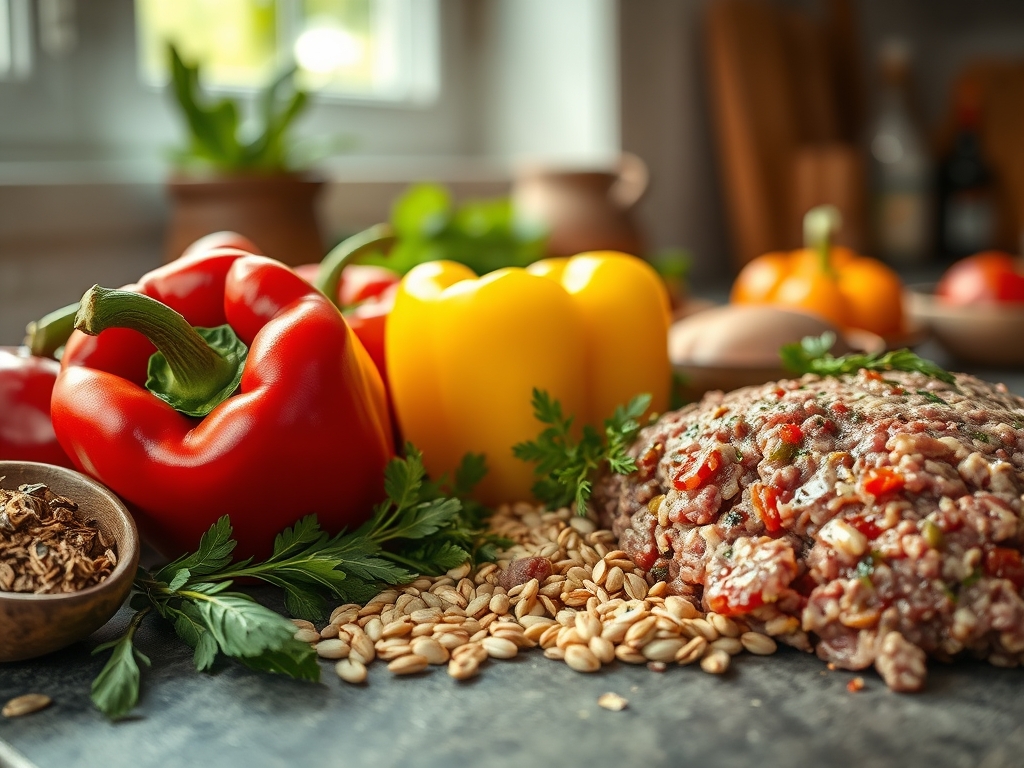
To execute these bell peppers and ground beef recipes with precision, your mise-en-place must be immaculate. Start with your aromatics. You will need yellow onions for their high sugar content and garlic cloves that you will later pulverize with a microplane to ensure even distribution. For the beef, look for an 80/20 blend. This ratio is critical because the 20 percent fat content provides the necessary lipids to render out, acting as the cooking medium for your peppers.
The peppers themselves should be heavy for their size, indicating high water content and crisp cell walls. Red and orange varieties offer a high concentration of lycopene and vitamin C, while green peppers provide a piquant, slightly bitter counterpoint to the rich beef. You will also need a high-quality sea salt; the jagged crystals help physically break down the meat fibers during the initial sear.
Smart Substitutions: If you are looking to lighten the caloric load, ground turkey or chicken can be substituted, though you must add a teaspoon of neutral oil to compensate for the lack of animal fat. For a plant-based twist, pulsed walnuts and mushrooms mimic the texture of ground beef while providing a deep, earthy umami profile. If bell peppers are out of season, poblano peppers offer a smoky, mild heat that elevates the entire dish.
The Clock: Timing the Maillard Reaction
Efficiency in the kitchen is about "Chef's Flow." This is the art of overlapping tasks so that no heat is wasted. For most bell peppers and ground beef recipes, your active prep time should sit at exactly 15 minutes. This involves the dicing of vegetables and the weighing of spices on a digital scale.
The cooking phase typically spans 20 to 25 minutes. The first 8 minutes are dedicated to the beef. You are waiting for the Maillard reaction, a chemical reaction between amino acids and reducing sugars that gives browned food its distinctive flavor. The final 12 minutes are for the peppers. We want to soften the cellulose without turning the vegetable into a mushy pulp. By the time the table is set, the residual heat will finish the softening process, a concept known as carryover cooking.
The Masterclass: 10 Ways to Transform Two Ingredients
1. The Classic Stuffed Vessel
Begin by par-boiling your halved peppers for three minutes. This breaks down the pectin in the cell walls, ensuring they are tender by the time the beef filling is cooked. Use a heavy-bottomed skillet to brown the beef before stuffing.
Pro Tip: This prevents the "soggy bottom" syndrome. By pre-cooking the meat, you control the moisture levels, ensuring the pepper acts as a structural container rather than a steaming bag.
2. Deconstructed Unstuffed Pepper Skillet
Use a bench scraper to transfer finely diced peppers into a pan with browned beef and rice. This is a one-pot wonder that relies on emulsification; the starch from the rice binds with the beef fat to create a viscous, glossy sauce.
Pro Tip: Deglaze the pan with a splash of beef stock to lift the fond (the brown bits) from the bottom. This is where the concentrated flavor hides.
3. Mediterranean Beef-Stuffed Mini Peppers
These are high-density flavor bombs. Mix the beef with feta, oregano, and lemon zest. The acidity in the lemon cuts through the lipid density of the beef.
Pro Tip: Use tongs to char the outside of the mini peppers over an open flame before stuffing. This creates a smoky "blistered" skin that adds a sophisticated layer of flavor.
4. Bell Pepper and Beef Stir-Fry
The key here is high heat and a saucier or wok. Slice the peppers into thin strips to maximize surface area. This allows for rapid heat transfer and prevents the vegetables from leaching water.
Pro Tip: Add a pinch of baking soda to the raw beef 15 minutes before cooking. This raises the pH level, making the meat incredibly tender through a process called "velveting."
5. Tex-Mex Stuffed Pepper Soup
Think of this as a liquid version of the classic. Dice the peppers into uniform half-inch squares. This ensures every spoonful has a consistent texture.
Pro Tip: Add the peppers in the last 10 minutes of simmering. This preserves their vibrant color and prevents the chlorophyll from breaking down and turning gray.
6. Beef and Pepper Breakfast Hash
Sauté peppers and beef with cubed potatoes. Use a cast iron skillet for superior heat retention, which helps create a crispy "crust" on the potatoes.
Pro Tip: Do not crowd the pan. If the ingredients are too close, they will steam instead of sear. Give them space to breathe and aerate.
7. Sloppy Joe Stuffed Peppers
Swap the bun for a bell pepper. It reduces the simple carbohydrate count while adding a necessary crunch to the soft, saucy beef mixture.
Pro Tip: Use a microplane to grate a bit of cold butter into the sauce at the end. This "mounting" technique adds a professional silkiness to the sauce.
8. Italian Stuffed Peppers with Marinara
Infuse your ground beef with fennel seeds and red pepper flakes. Top with mozzarella and broil until the cheese undergoes enzymatic browning.
Pro Tip: Place the peppers in a muffin tin to keep them upright during the baking process. This ensures even heat distribution around the entire circumference of the pepper.
9. Philly Cheesesteak Style Ground Beef Peppers
Sauté peppers and onions until caramelized. Mix with ground beef and top with provolone. It is a low-carb take on the iconic sandwich.
Pro Tip: Caramelization is different from browning. It requires lower heat and more time to break down the complex sugars in the onions and peppers into simple, sweet molecules.
10. Beef and Pepper Sheet Pan Bake
Toss everything in olive oil and spices, then spread on a sheet pan. This is the ultimate "set it and forget it" method.
Pro Tip: Use a high oven temperature (425F). This mimics the intense heat of a grill, causing the natural sugars in the peppers to infuse with the savory beef juices.
The Deep Dive: Nutrition and Technical Fixes
From a macro perspective, bell peppers and ground beef recipes are a powerhouse. A standard serving provides roughly 25g of protein and 100 percent of your daily Vitamin C requirement. For those on a Keto diet, this combination is a staple because it is naturally low-carb. To make it Vegan, utilize a pea-protein crumble and ensure your "cheese" is cashew-based for that essential fat content.
The Fix-It:
- Greasy Sauce: If your dish is swimming in oil, you likely didn't drain the beef. Use a turkey baster to remove excess fat, or toss in a piece of bread to absorb the grease before discarding.
- Bland Flavor: You likely under-salted the meat during the searing phase. Salt is a flavor enhancer; it draws out the moisture and concentrates the beefiness. Add a teaspoon of Worcestershire sauce for an instant umami boost.
- Tough Meat: This happens when you overwork the beef. When mixing spices into ground beef, use a light touch. Over-handling causes the proteins to cross-link, resulting in a rubbery texture.
Meal Prep Science: To maintain "day-one" quality, store the beef and peppers in airtight glass containers. When reheating, add a tablespoon of water and cover with a damp paper towel. This creates a steam chamber that rehydrates the beef and prevents the peppers from becoming leathery in the microwave.
The Wrap-Up
Mastering bell peppers and ground beef recipes is about understanding the balance of heat, fat, and acidity. You now have the technical knowledge to move beyond the recipe card and start experimenting with the chemistry of your kitchen. Remember; the tools in your drawer are just as important as the ingredients in your fridge. Grab your tongs, fire up that heavy-bottomed skillet, and turn these humble ingredients into a culinary masterpiece. You have the skills; now go make something delicious.
The Kitchen Table
Can I freeze stuffed peppers?
Yes. Blanch the peppers first to stop enzymatic activity. Freeze them individually on a tray before transferring to a vacuum-sealed bag. This prevents ice crystal formation and maintains the structural integrity of the vegetable for up to three months.
Why is my ground beef gray?
Gray meat occurs when the pan is overcrowded, causing the beef to steam in its own juices rather than sear. To fix this, cook in smaller batches and ensure your skillet is smoking hot before adding the protein.
Which bell pepper color is healthiest?
Red bell peppers are the most nutrient-dense. Because they stay on the vine longest, they contain nearly double the vitamin C and ten times more beta-carotene than green peppers. They also offer a higher natural sugar content for better caramelization.
How do I keep peppers crunchy in a stir-fry?
The secret is the "flash-cook" method. Sauté the peppers over maximum heat for no more than two minutes. This triggers the Maillard reaction on the surface while leaving the internal cellular structure intact and crisp.