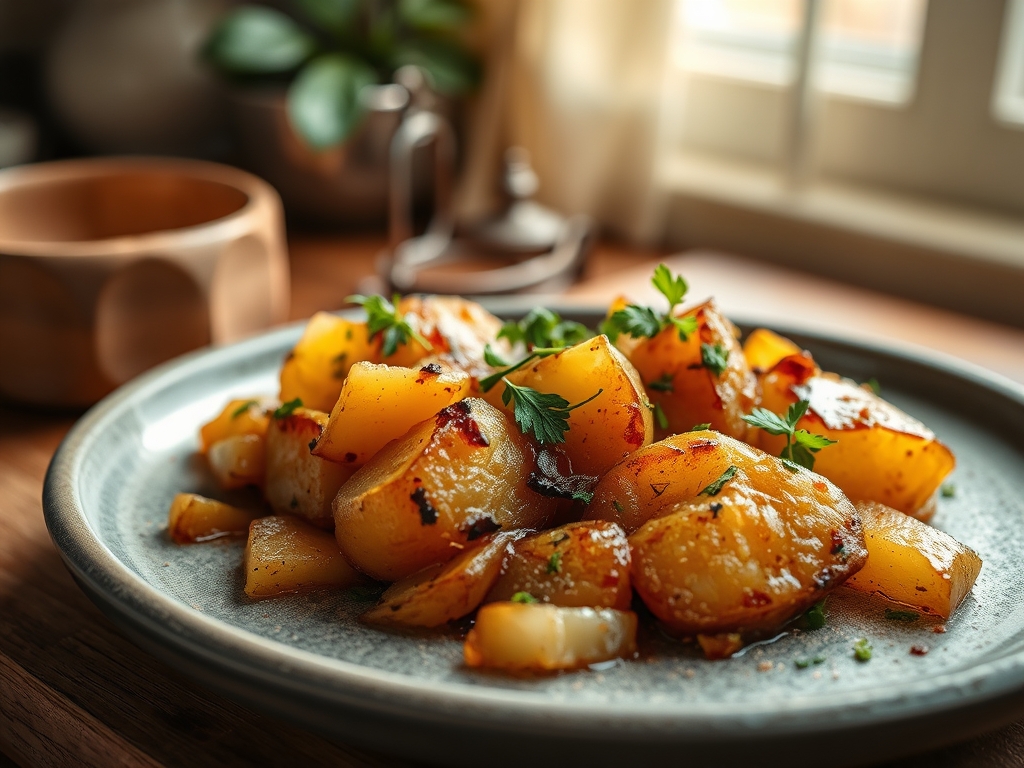
Picture a humble russet potato transforming under the intense heat of a seasoned wok. The starch granules gelatinize; the exterior shatters with a glass-like crunch while the interior remains a cloud of pillowy steam. Exploring asian potato recipes is more than a side dish journey; it is a masterclass in texture and umami. From the spicy, vinegary snap of shredded stir-fries to the soy-braised silkiness of Korean gamja-jorim, we are redefining the tuber.
The Gathers:
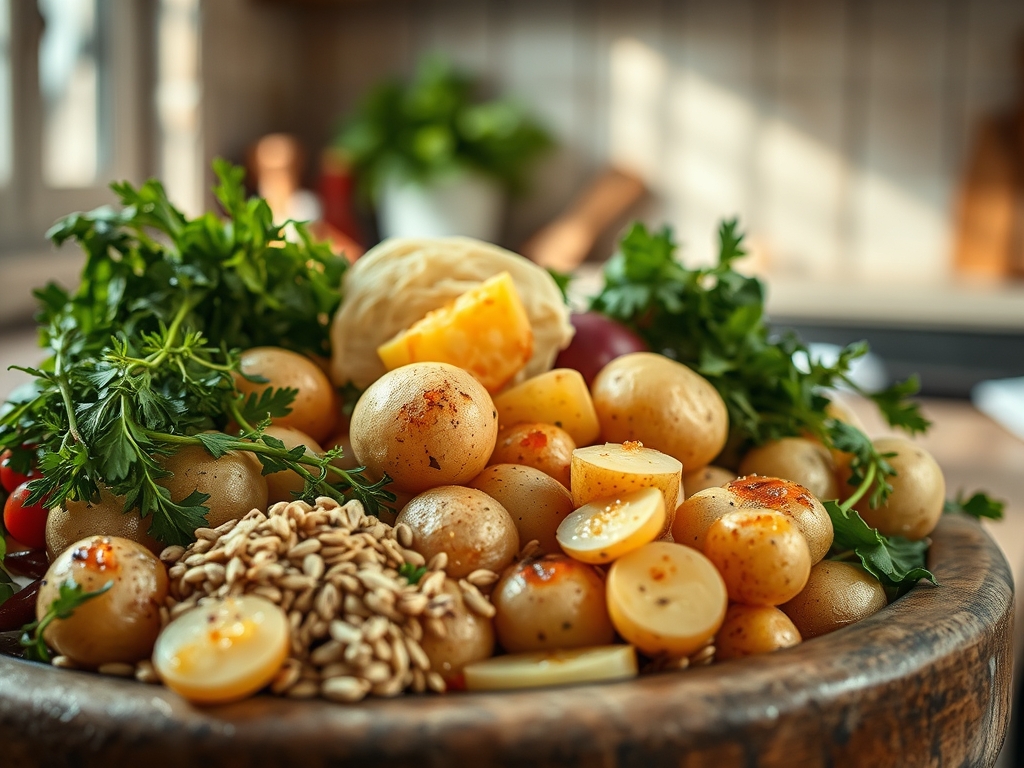
To achieve professional results, your mise-en-place must be precise. You will need high-starch potatoes like Russets for frying and waxy varieties like Yukon Golds for braising. Gather your microplane for fresh ginger and garlic; the goal is a fine paste that will infuse the oil without burning. You will also need light soy sauce for salt, dark soy sauce for that deep mahogany color, and toasted sesame oil for a viscous, nutty finish.
Smart Substitutions are your best friend when the pantry is bare. If you lack Chinkiang black vinegar, a mix of balsamic and rice vinegar mimics that fermented depth. No gochugaru? Use red pepper flakes pulsed in a spice grinder to achieve the correct surface area for heat distribution. Always keep a digital scale handy to ensure your starch-to-liquid ratios remain consistent; precision is the difference between a crisp coating and a soggy mess.
The Clock
Efficiency in the kitchen relies on "Chef's Flow." This concept involves grouping tasks by thermal intensity. Total active prep time for these dishes averages thirty minutes, while cooking spans twenty to forty minutes depending on the method.
Start by soaking your sliced potatoes in cold water to remove excess surface starch; this prevents unwanted gumminess. While they soak, prepare your aromatics. By the time your heavy-bottomed skillet or wok is screaming hot, your potatoes are dry and your sauces are whisked. This synchronized approach ensures that the high-heat stir-frying phase happens in mere minutes, preserving the structural integrity of the vegetable.
The Masterclass
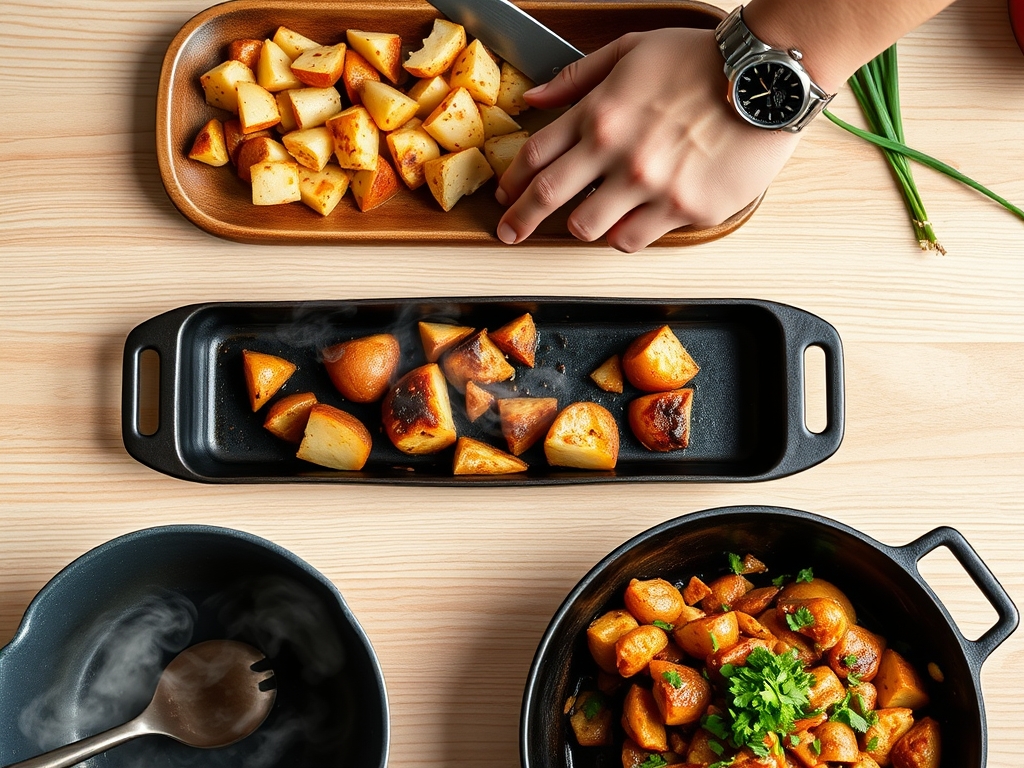
1. The Cold Soak and Starch Strip
Submerge your julienned potatoes in an ice-water bath for at least ten minutes. Agitate them manually to release the loose starch molecules that cause sticking. Use a bench scraper to move the potatoes to a clean kitchen towel and pat them until bone-dry.
Pro Tip: This step prevents the Maillard reaction from being inhibited by excess surface moisture. Water is the enemy of browning; if the surface is wet, the energy of the pan goes into evaporation rather than caramelization.
2. The Aromatics Infusion
Heat a neutral oil in your saucier or wok until it shimmers. Add minced garlic, ginger, and scallion whites. Stir constantly with tongs or a spatula for thirty seconds until the oil becomes fragrant and the compounds render into the fat.
Pro Tip: This is known as "blooming" spices. Many flavor compounds are fat-soluble rather than water-soluble. By heating them in oil first, you create a flavored base that coats every millimeter of the potato.
3. The High-Heat Sear
Increase the flame to maximum and add the potatoes. Do not crowd the pan; work in batches if necessary. You want to hear a consistent sizzle. Use a heavy-bottomed skillet to maintain a steady temperature even when the cold vegetables are added.
Pro Tip: Maintaining high thermal mass prevents "stewing." If the pan temperature drops too low, the potatoes will leak moisture and boil in their own juices, losing that signature Asian-style "snap."
4. Deglazing and Emulsification
Once the potatoes are golden, pour in your liquid base: a mixture of soy sauce, sugar, and broth. Use the liquid to deglaze the bottom of the pan, scraping up the browned bits of flavor known as fond.
Pro Tip: As the liquid reduces, the natural starches from the potato mix with the fats and sugars to create a glossy emulsion. This is the science of a "clinging sauce" that coats without being greasy.
5. The Steam-Finish
For thicker cuts or braised dishes, cover the pan for three minutes. This utilizes thermal carryover to cook the center of the potato through without burning the exterior.
Pro Tip: Steam transfers heat more efficiently than dry air. This brief covered period ensures the pectin in the potato cell walls softens just enough to create a creamy mouthfeel while the outside remains intact.
6. The Aerate and Garnish
Remove the lid and toss the potatoes over high heat to evaporate any remaining thin liquid. Add a splash of acidity, like lime juice or vinegar, and a handful of fresh herbs. Use a microplane to zest citrus over the top for a bright finish.
Pro Tip: Adding acids at the very end provides a piquant contrast to the heavy starch and salt. It "wakes up" the taste buds and balances the dish's flavor profile.
The Deep Dive
From a nutritional standpoint, potatoes are a powerhouse of potassium and complex carbohydrates. When prepared with minimal added fats and fermented soy products, they offer a satisfying, nutrient-dense base. For a vegan-friendly version, ensure your oyster sauce is mushroom-based. If you are following a Keto lifestyle, substitute the potatoes with daikon radish; it mimics the texture perfectly when braised and significantly lowers the net carb count.
The Fix-It: If your potatoes are turning into mush, you likely used a starchy Russet for a dish that required a waxy Yukon Gold; fix this by mashing the result and calling it "Asian Fusion Mash." If the sauce is too salty, add a splash of mirin or a pinch of sugar to balance the sodium. If the potatoes are sticking to the wok, your pan wasn't hot enough before adding the oil; next time, wait for the "breath of the wok" or wisps of smoke.
Meal Prep is entirely possible with these recipes. To reheat, avoid the microwave, which turns starch into rubber. Instead, use an air fryer or a dry skillet to reactivate the fats and crisp the edges. This restores the "day-one" quality by re-evaporating any moisture that migrated from the interior to the crust during refrigeration.
The Wrap-Up
Mastering asian potato recipes is a gateway to a whole new world of culinary textures. Whether you are craving a spicy Sichuan crunch or a comforting Japanese curry-style braise, the science remains the same: control your starch, manage your heat, and never skip the aromatics. Now, grab your favorite heavy-bottomed skillet and get cooking; your kitchen is about to smell incredible!
The Kitchen Table
Which potato is best for Asian stir-fry?
Waxy varieties like Yukon Gold or red potatoes are superior. They contain less starch and more moisture; this allows them to hold their shape under high heat and maintain a crisp, snappy texture rather than disintegrating into mash.
How do I stop potatoes from sticking to the wok?
Ensure the wok is "longyau" or properly seasoned and heated. Heat the dry wok until smoking, add cold oil, and swirl. This creates a non-stick surface. Always pat your potatoes completely dry before they hit the hot fat.
Can I make these recipes gluten-free?
Absolutely. Simply swap the traditional soy sauce for tamari or liquid aminos. Most other ingredients in asian potato recipes, like ginger, garlic, and sesame oil, are naturally gluten-free. Always check labels on pre-mixed chili pastes or hoisin sauces.
Why are my braised potatoes gray?
This is caused by enzymatic browning. To prevent this, keep peeled and cut potatoes submerged in cold water until the exact moment you are ready to cook. This blocks oxygen from reacting with the enzymes in the potato flesh.