
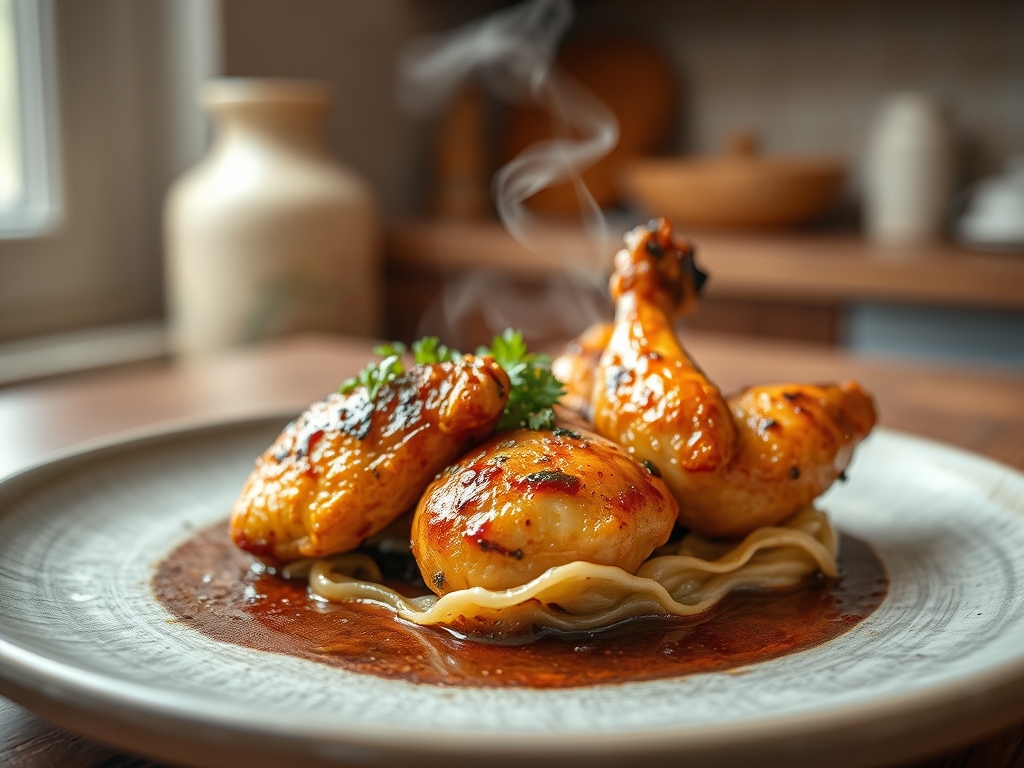
Imagine the sound of a heavy-bottomed skillet meeting the counter; that satisfying thud signals the start of something transformative. We are not just cooking; we are orchestrating a symphony of heat and sugar. When you crave that sticky, charred perfection, these barbecue baked chicken recipes deliver a professional-grade crust without the volatility of an outdoor grill. It is about the science of the sear and the magic of the glaze.
The air in your kitchen is about to change. It starts with the piquant scent of smoked paprika and ends with the deep, molasses-heavy aroma of caramelizing sugars. Most home cooks settle for soggy skin, but we are chasing the Maillard reaction; the chemical dance between amino acids and reducing sugars that creates that distinctive savory depth. By the time we are done, you will have mastered six distinct flavor profiles that elevate the humble bird into a masterpiece of texture and taste.
The Gathers:
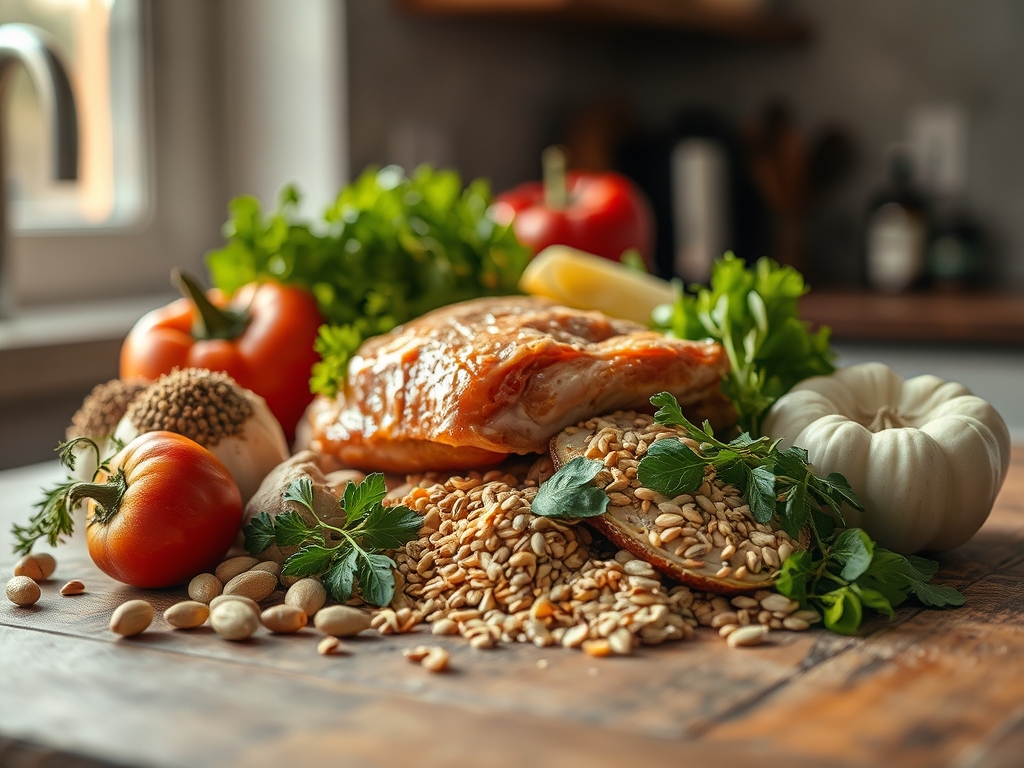
To execute these barbecue baked chicken recipes with precision, your mise-en-place must be immaculate. We start with the protein: six pounds of bone-in, skin-on thighs or drumsticks. Bone-in cuts provide a structural thermal buffer, ensuring the meat remains succulent while the exterior undergoes high-heat transformation. You will need a high-quality digital scale to measure your dry rub components, as volumetric measurements can vary by up to twenty percent depending on how tightly the spice is packed.
Our pantry staples include high-smoke-point oils like avocado or grapeseed, which allow us to render fat without the oil breaking down into acrid compounds. For the sauces, gather a saucier to whisk together your base of organic tomato paste, apple cider vinegar for acidity, and liquid smoke for that authentic wood-fired essence. Use a microplane to zest fresh ginger or garlic directly into the mix; this maximizes the surface area of the aromatics, allowing them to infuse the sauce more rapidly.
Smart Substitutions: If you are avoiding refined sugar, use pureed Medjool dates or maple syrup to provide the necessary glucose for browning. For a heat-free version, swap cayenne for Aleppo pepper, which offers a fruity, mild complexity. If you lack a traditional roasting rack, a bed of sliced sturdy root vegetables like carrots or parsnips creates a natural pedestal, allowing hot air to circulate under the bird while the vegetables soak up the savory drippings.
The Clock
Efficiency in the kitchen is about "Chef's Flow," the art of overlapping tasks to eliminate dead time. Expect a total active prep time of 20 minutes, with a total cook time ranging from 35 to 45 minutes depending on the density of your protein. While your oven preheats to a blistering 425 degrees Fahrenheit, you will be dry-brining. This ten-minute window allows salt to penetrate the muscle fibers via osmosis, seasoning the meat from the inside out.
The "Flow" dictates that you prepare your glaze while the chicken is in its first fifteen-minute roasting phase. By the time the internal temperature hits 145 degrees, your sauce should be viscous and ready for the first application. This staggered approach ensures that the sugars in the sauce do not burn before the chicken is safely cooked through.
The Masterclass
1. The Dry Brine and Desiccation
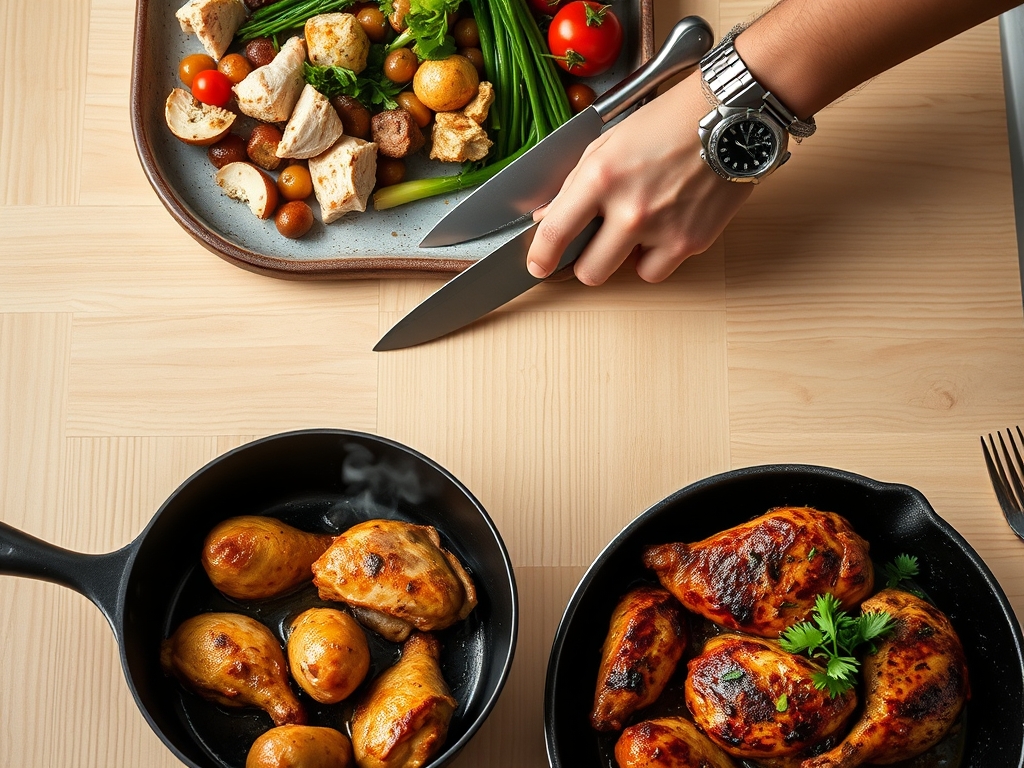
Pat the chicken completely dry using lint-free paper towels. Apply a generous coating of kosher salt and your spice blend. Place the chicken on a wire rack over a rimmed baking sheet.
Pro Tip: Desiccation is the secret to crispy skin. Removing surface moisture prevents the chicken from steaming. When the skin is dry, the heat can immediately begin to render the subcutaneous fat, leading to a crackling texture rather than a rubbery one.
2. The Initial High-Heat Blast
Slide the tray into the center of the oven. The high initial temperature triggers the Maillard reaction quickly, locking in juices and setting the structure of the skin before the meat overcooks.
Pro Tip: Use a digital probe thermometer to monitor the internal temperature. You are looking for a rapid rise to 140 degrees before you even think about touching that barbecue sauce.
3. The Layered Glazing Technique
Using a silicone basting brush, apply your first thin layer of sauce. Do not drench it; you want to build a "lacquer." Return to the oven for five minutes, then repeat for a second and third coat.
Pro Tip: This is called reduction via evaporation. By applying the sauce in thin layers, the water content evaporates quickly, leaving behind a concentrated, sticky glaze that clings to the meat instead of sliding off into the pan.
4. The Broiler Finish
For the final two minutes, switch your oven to the broiler setting. Watch the chicken like a hawk as the sugars begin to bubble and char slightly at the edges.
Pro Tip: This step utilizes infrared radiation to create "leopard spotting," those tiny charred bits that provide a bitter counterpoint to the sweet sauce. It mimics the direct heat of a charcoal flame.
5. The Rest and Carryover
Remove the chicken from the oven and transfer it to a clean cutting board using stainless steel tongs. Let it rest for at least seven to ten minutes before serving.
Pro Tip: This allows for thermal carryover. The internal temperature will continue to rise by about five degrees. More importantly, the muscle fibers relax, allowing the juices to redistribute so they don't pour out the moment you take a bite.
6. The Final Aeration
Before serving, hit the chicken with a tiny splash of fresh lime juice or a sprinkle of flaky sea salt.
Pro Tip: High-fat, high-sugar dishes can taste "flat." Adding a final touch of acid or salt helps to aerate the flavor profile, brightening the heavy notes and making the piquant spices pop on the palate.
The Deep Dive
From a nutritional standpoint, these barbecue baked chicken recipes are powerhouses of lean protein. A standard thigh serving provides roughly 25 grams of protein and 12 grams of fat. To optimize for a Keto lifestyle, replace the sugar in the sauce with erythritol or monk fruit. For Vegan guests, this same glazing technique works beautifully on thick slabs of cauliflower or pressed extra-firm tofu. If you are Gluten-Free, ensure your Worcestershire sauce or liquid smoke is certified, as some brands use barley-based thickeners.
The Fix-It:
- Rubbery Skin: This happens if the oven temperature is too low. Fix it by increasing the heat to 450 degrees for the last five minutes.
- Burnt Sauce: If the glaze turns black too fast, your sugar content is too high. Tent the chicken loosely with foil to deflect direct heat while the interior finishes.
- Dry Meat: You likely skipped the rest period. If the meat is dry, shred it and toss it in a bit of warm chicken bone broth to rehydrate the fibers.
Meal Prep Science: To maintain "day-one" quality, reheat your chicken in an air fryer or toaster oven at 350 degrees. Avoid the microwave; it agitates water molecules so violently that it toughens the protein structures and turns the skin soggy.
The Wrap-Up
Mastering barbecue baked chicken recipes is about more than just following a list of ingredients; it is about understanding how heat interacts with protein and sugar. You now have the technical toolkit to produce a bird that is succulent, smoky, and visually stunning. Whether you are hosting a Sunday dinner or prepping for a busy week, these techniques ensure professional results every single time. Now, grab your tongs and get to work!
The Kitchen Table
How do I prevent the sauce from burning in the oven?
Apply the sauce only during the last 10 to 15 minutes of baking. The high sugar content in barbecue sauce undergoes rapid caramelization; adding it too early leads to carbonization and a bitter, burnt flavor profile.
Can I use chicken breasts for these recipes?
Yes, but reduce the cooking time. Breasts lack the protective fat and connective tissue of thighs. Use a digital thermometer to pull them at an internal temperature of 160 degrees to allow for carryover to 165 degrees.
What is the best way to get crispy skin in the oven?
Ensure the skin is bone-dry before seasoning. Use a wire rack to allow hot air to circulate 360 degrees around the chicken. This ensures the fat renders out completely rather than pooling and steaming the bottom of the meat.
How long can I store leftover barbecue chicken?
Store in an airtight container for up to four days. For the best texture, reheat in a 350-degree oven or air fryer to recrisp the skin. Avoid microwaving, as it destroys the structural integrity of the glaze and skin.