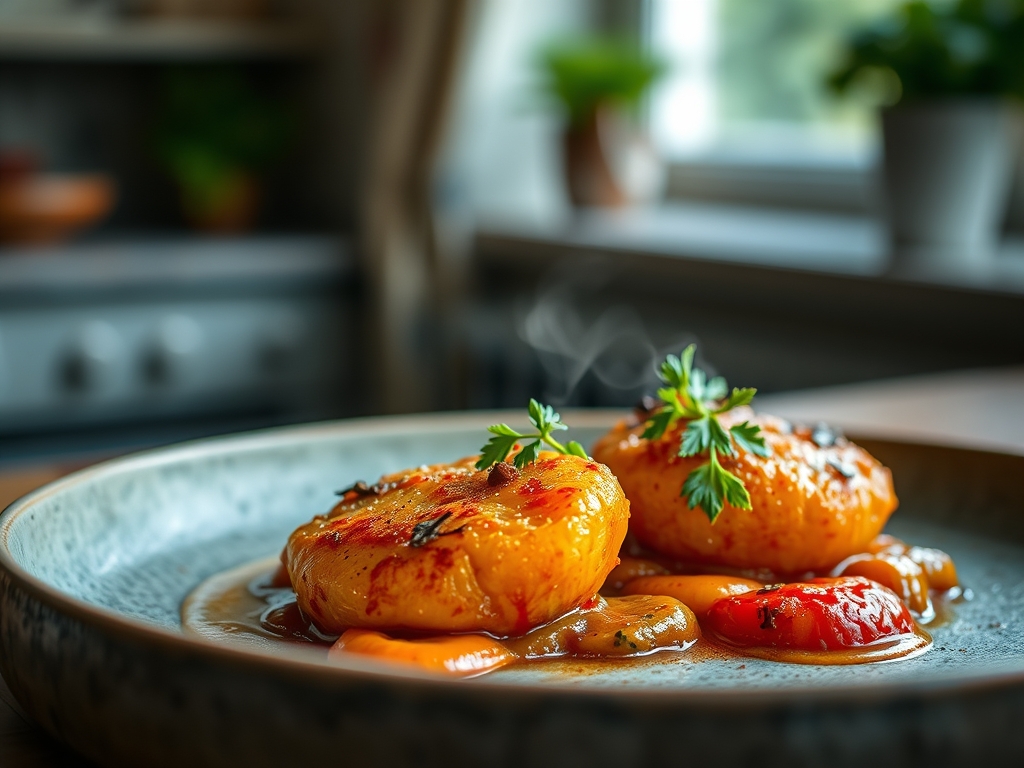
Picture this: the kitchen is humming, the light is hitting your heavy-bottomed skillet just right, and that first drop of olive oil begins to shimmer. There is a specific kind of magic that happens when you master chicken recipes tomato combinations; it is the marriage of high-acid fruit and lean protein that creates a savory profile known as umami. We are not just tossing things in a pan and hoping for the best. We are engineers of flavor, manipulating heat and moisture to transform a standard weeknight into a five-star experience. Whether you are craving a piquant Mediterranean braise or a creamy, viscous blush sauce, the secret lies in the chemistry of the ingredients. You want that chicken to be succulent, never stringy, and those tomatoes to break down into a jammy, concentrated nectar. Today, we are stripping away the fluff and focusing on the technical precision that makes these dishes sing. Put on your favorite apron and grab your sharpest chef knife; we are about to turn simple pantry staples into a masterclass of texture and taste.
The Gathers:
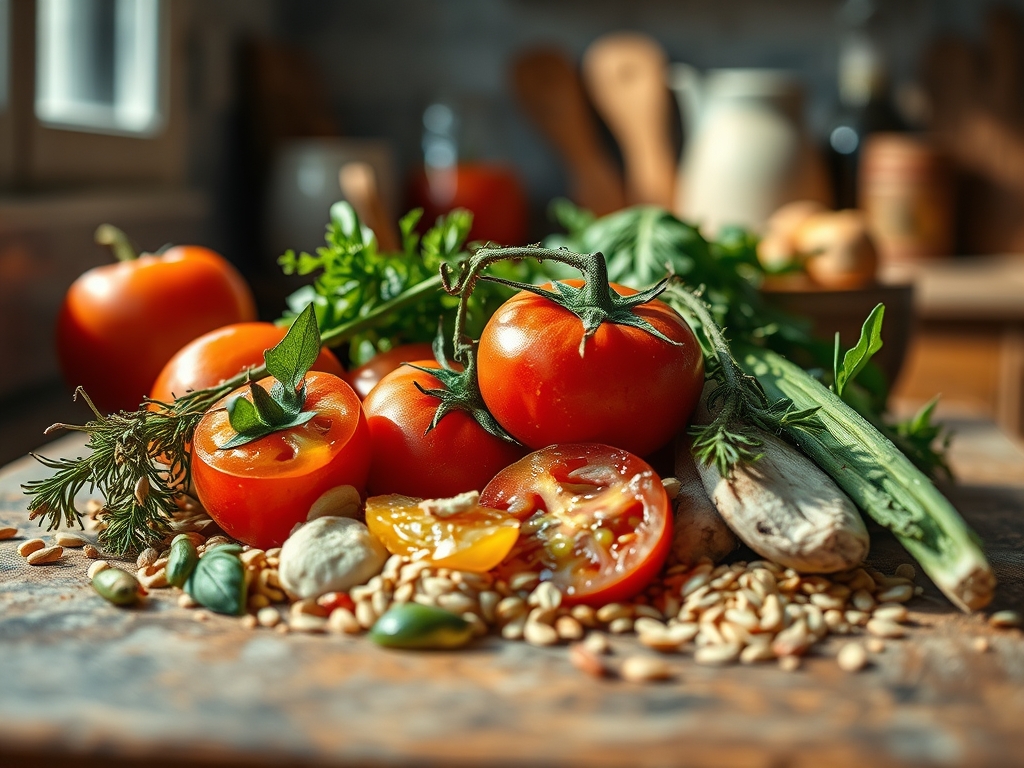
Before we ignite the burners, we must respect the mise-en-place. Your workstation should be a sanctuary of organization. For our chicken recipes tomato collection, you will need high-quality poultry; preferably air-chilled breasts or thighs to minimize excess water weight. On the plant side, we are looking for San Marzano tomatoes for their low seed count and high sugar content. Use a digital scale to measure your aromatics like shallots and garlic, ensuring the ratio of sulfurous heat to sweet acid is perfectly balanced.
Smart Substitutions: If you cannot find fresh vine-ripened tomatoes, do not settle for mealy supermarket varieties. Use high-grade canned whole peeled tomatoes and crush them by hand; this preserves the integrity of the fruit walls. For a dairy-free creaminess, substitute heavy cream with full-fat coconut milk or a cashew cream infused with nutritional yeast to mimic the savory depth of parmesan. If you are out of fresh basil, a splash of high-quality balsamic glaze can provide that necessary hit of acidity and sweetness.
The Clock
Efficiency in the kitchen is about understanding the "Chef's Flow." This is the art of overlapping tasks so that no second is wasted. While your chicken is undergoing the Maillard reaction in the pan, you should be using your bench scraper to clear your cutting board of vegetable scraps. Most of these recipes require a 10-minute prep window and a 20-minute cook time. We utilize high-heat searing followed by a low-simmer deglaze. This method ensures the interior of the meat reaches the target temperature of 165 degrees Fahrenheit just as the sauce achieves its peak viscosity. By syncing your pasta water or grain cooking with the reduction of the tomato base, you ensure everything hits the plate at the thermal sweet spot.
The Masterclass
1. The Sear and Render
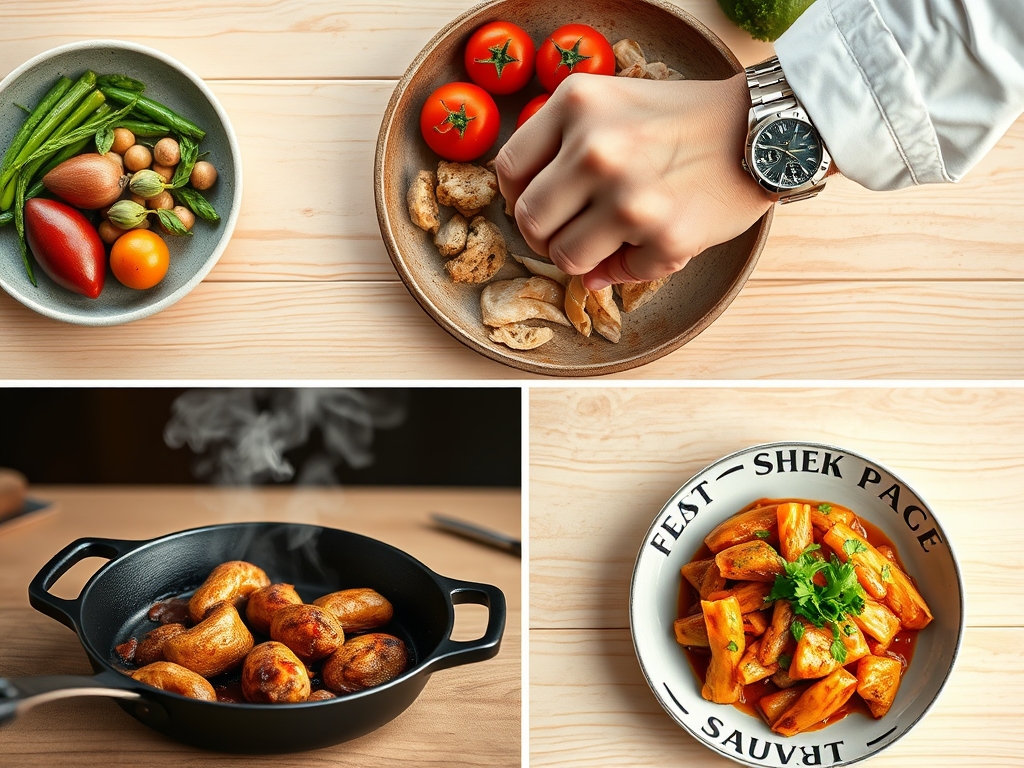
Pat your chicken dry with paper towels to remove surface moisture. Season aggressively with kosher salt. Place the chicken skin-side down in a preheated saucier with a high-smoke-point oil. Do not move the meat until it naturally releases from the pan.
Pro Tip: This is the Maillard reaction at work; it is a chemical reaction between amino acids and reducing sugars that creates hundreds of different flavor compounds and that iconic brown crust.
2. The Deglaze and Infuse
Remove the chicken and set it aside. You will see brown bits stuck to the bottom of the pan; this is "fond." Add your aromatics and a splash of dry white wine or chicken stock. Use a wooden spoon to scrape the bottom of the pan, incorporating those toasted proteins back into the liquid.
Pro Tip: Deglazing is a thermal shock that lifts the concentrated flavor molecules into your sauce, creating a complex base that water alone could never achieve.
3. The Tomato Reduction
Add your tomatoes and any dried herbs. Bring the mixture to a vigorous bubble, then reduce to a simmer. Use your tongs to nestle the chicken back into the sauce, ensuring the crispy skin stays above the liquid line to maintain texture.
Pro Tip: Simmering allows for evaporative concentration, which reduces the water content of the tomatoes and intensifies the natural glutamates, making the sauce taste "meatier."
4. The Emulsification
Once the chicken is cooked through, remove the pan from the heat. Stir in a cold pat of butter or a splash of heavy cream. Stir rapidly until the fat is fully incorporated and the sauce looks glossy and opaque.
Pro Tip: This is emulsification; the fat molecules are suspended in the water-based sauce, creating a smooth, luxurious mouthfeel that prevents the sauce from breaking.
5. The Final Brightening
Use a microplane to zest fresh lemon over the dish and shower it with hand-torn herbs. The heat of the dish will release the volatile oils in the herbs without cooking away their delicate flavor.
Pro Tip: Adding acid at the very end acts as a "flavor highlighter," cutting through the richness of the fats and balancing the savory notes of the chicken.
The Deep Dive
When we look at the macro nutrition of chicken recipes tomato dishes, we see a powerhouse of lean protein and lycopene. Lycopene is a potent antioxidant found in tomatoes that becomes more bioavailable once heated.
Dietary Swaps: For a Keto-friendly version, serve your chicken over zoodles or roasted cauliflower. For those following a Gluten-Free lifestyle, ensure your chicken is not dredged in flour before searing; use cornstarch or arrowroot powder if you require a thicker crust.
The Fix-It:
- The Sauce is Too Acidic: Add a pinch of baking soda. It neutralizes the pH balance instantly without changing the flavor profile.
- The Chicken is Dry: You likely missed the window of thermal carryover. Pull the chicken when it hits 160 degrees; the internal temperature will continue to rise to 165 while it rests.
- The Sauce is Watery: Remove the chicken and turn the heat to high. Rapid boiling will encourage steam to escape, thickening the liquid through reduction.
Meal Prep: To maintain "day-one" quality, reheat your chicken recipes tomato dishes in a covered skillet over low heat with a tablespoon of water. This creates a steam chamber that rehydrates the protein fibers without overcooking them in a microwave.
The Wrap-Up
You are now equipped with the technical prowess to turn a simple bird and a few red fruits into a culinary triumph. Remember that cooking is as much about physics as it is about feeling. Trust your senses; listen for the sizzle, watch for the color change, and smell the aromatics as they bloom. These seven chicken recipes tomato variations are your foundation. Go forth, experiment with different spices like smoked paprika or red pepper flakes, and make your kitchen the smartest, tastiest place in the house. You have got this!
The Kitchen Table
Why is my tomato sauce bitter?
Bitterness often comes from overcooked garlic or under-ripe tomatoes. To fix this, add a tiny pinch of sugar or a splash of heavy cream to balance the pH levels and round out the flavor profile.
Can I use frozen chicken for these recipes?
Yes, but you must thaw it completely in the refrigerator first. Frozen chicken releases excess moisture during the cooking process, which prevents the Maillard reaction and results in steamed, rubbery meat rather than a golden sear.
What is the best tomato for cooking?
San Marzano tomatoes are the gold standard. They have a thick flesh, fewer seeds, and a balanced sweet-to-acid ratio, which creates a much smoother and more concentrated sauce compared to standard salad tomatoes.
How do I keep chicken breast moist?
Use a meat thermometer to pull the chicken at 160 degrees Fahrenheit. Allow it to rest for five minutes; the internal juices will redistribute, and carryover cooking will bring it to the safe 165-degree mark perfectly.