
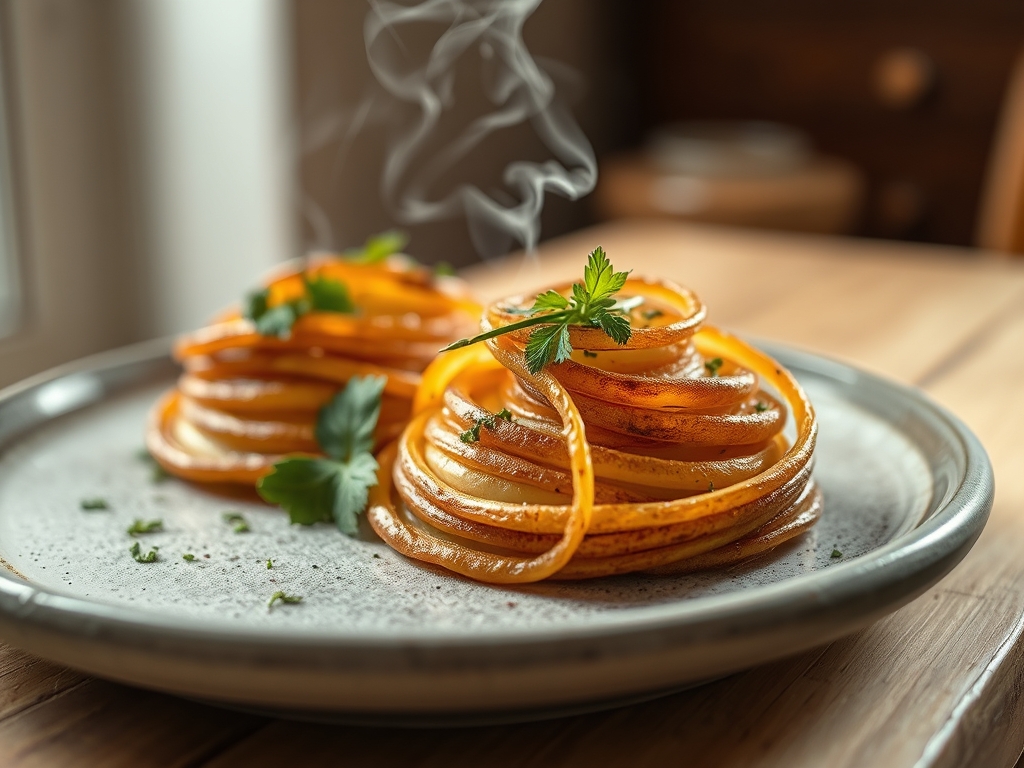
Picture a golden, spiraled tower of starch that shatters with a single bite. The smell of hot oil and toasted paprika fills the air while you pull a long, accordion-like potato apart. Mastering tornado potato recipes is more than a carnival trick; it is a lesson in surface area optimization and the Maillard reaction. We are transforming the humble Russet into a sculptural masterpiece that captures every drop of seasoning.
The secret to the perfect spiral lies in the balance between structural integrity and crispy edges. When you slice a potato into a continuous helix, you increase the surface area exposed to heat by over three hundred percent compared to a standard fry. This allows for a massive amount of moisture evaporation, which is the prerequisite for that legendary crunch. Whether you are aiming for a classic salted version or a bold, truffle-infused variation, these tornado potato recipes will turn your kitchen into a high-end bistro. We are going to dive deep into the physics of the fry, ensuring your spuds never go limp or soggy. Grab your skewers and let us get technical with our favorite tuber.
The Gathers:
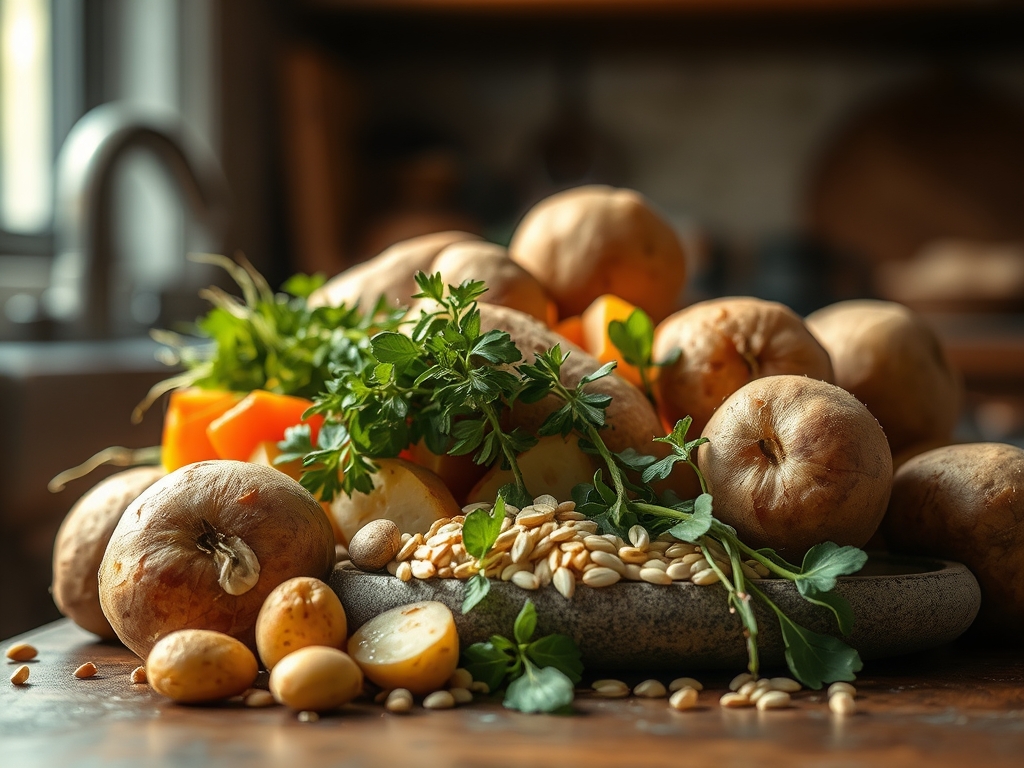
To achieve professional results, your mise-en-place must be precise. Start with large, oblong Russet potatoes; their high starch content and low moisture levels are non-negotiable for achieving a dry, crispy exterior. You will need long bamboo skewers, at least twelve inches in length, to provide the necessary axis for your spiral. For the fat, choose an oil with a high smoke point like peanut or grapeseed oil to prevent the development of acrid, burnt flavors during the high-heat fry.
Your seasoning station should include fine sea salt, smoked paprika, and garlic powder. Use a digital scale to measure your dry ingredients for consistency. To add a layer of complexity, have some freshly grated Parmesan cheese ready; use a microplane to ensure the cheese is light enough to adhere to the potato without weighing it down.
Smart Substitutions: If you are avoiding nightshades, swap the Russets for large parsnips or even firm sweet potatoes, though the latter will require a lower frying temperature due to their higher sugar content. If you lack a deep fryer, a heavy-bottomed skillet or a Dutch oven will work perfectly as long as you monitor the temperature with a probe thermometer.
The Clock:
The "Chef's Flow" for this recipe is all about managing starch and temperature. Expect about twenty minutes of active prep time to skewer and spiralize your potatoes. The soaking phase takes thirty minutes; this is a critical window where you remove excess surface starch to prevent the spirals from sticking together. The actual frying time is relatively short, roughly five to seven minutes per potato.
Total time from pantry to plate is approximately one hour. To optimize your workflow, prepare your spice blends and dipping sauces while the potatoes are submerged in their cold-water bath. This ensures that as soon as the potatoes emerge from the oil, they can be seasoned immediately while the surface oils are still viscous enough to grab the spices.
The Masterclass:
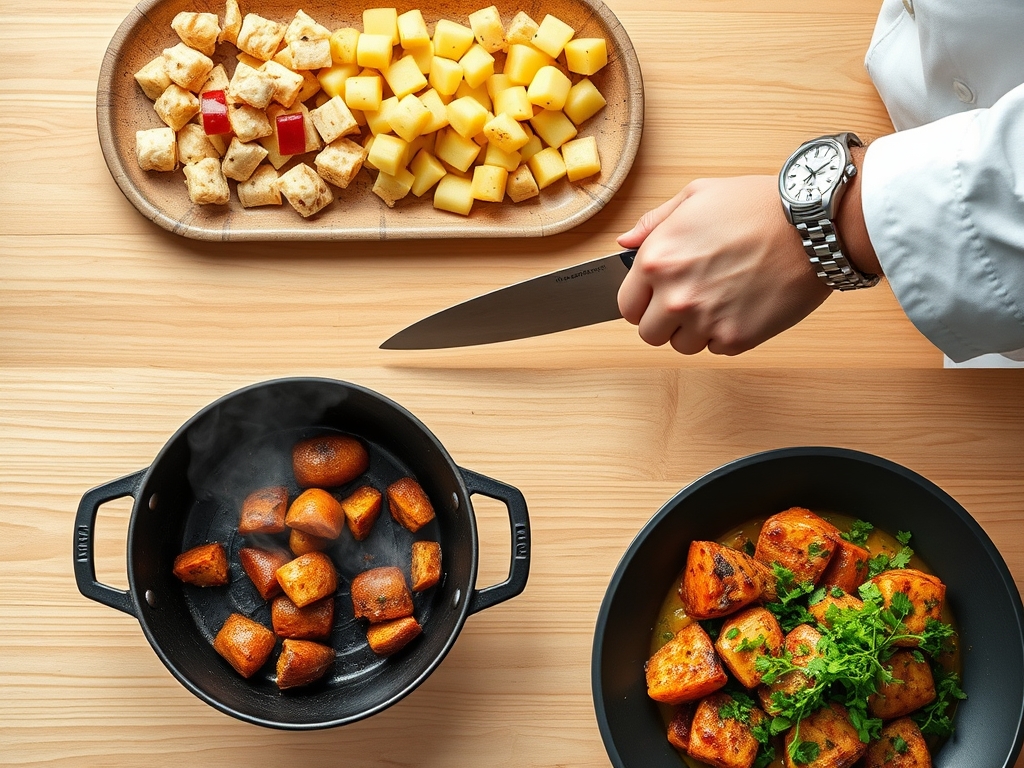
1. The Skewer and Axis
Insert the bamboo skewer through the center of the potato lengthwise. Use a bench scraper to steady the potato on your cutting board if it feels unstable. Ensure the skewer is centered to maintain a balanced rotation during the slicing phase.
Pro Tip: Centering the skewer prevents uneven cooking. If the axis is off-center, one side of the spiral will be thinner and prone to burning before the thicker side reaches the desired internal temperature.
2. The Spiral Cut
Hold a sharp paring knife at an angle against the potato. Rotate the skewer while keeping the knife steady, cutting all the way down to the wood. Gently pull the slices apart along the length of the skewer to create the "tornado" effect.
Pro Tip: This technique utilizes the principle of enzymatic browning. By exposing more of the potato's interior to oxygen, you trigger a reaction that, when combined with heat, creates a richer flavor profile.
3. The Cold Water Bath
Submerge the spiraled potatoes in a bowl of ice-cold water for thirty minutes. This step leeches out the free amylose starch that would otherwise turn into a gummy coating during the frying process.
Pro Tip: Soaking reduces the risk of the "soggy fry" syndrome. It allows the exterior cells to hydrate slightly, which creates a more uniform steam release when the potato hits the hot oil.
4. Thorough Desiccation
Remove the potatoes and pat them completely dry with lint-free towels. Any residual moisture will cause the oil to splatter and will lower the oil temperature, leading to a greasy final product.
Pro Tip: Water is the enemy of the crisp. Rapid evaporation of surface moisture is what creates the initial "crust" that seals the potato and prevents excessive oil absorption.
5. The Precision Fry
Heat your oil to 350 degrees Fahrenheit. Lower the skewers into the oil using tongs. Fry until the edges are deep golden brown and the center is tender.
Pro Tip: Monitor for thermal carryover. The potatoes will continue to cook for sixty seconds after being removed from the oil; pull them out just before they reach your "perfect" color to avoid over-browning.
6. The Seasoning Infusion
Immediately after removing the potatoes from the heat, place them on a wire rack and sprinkle with your spice blend. The heat allows the oils in the spices to infuse into the surface of the potato.
Pro Tip: Seasoning while hot utilizes the "tackiness" of the residual surface oil. As the potato cools, the surface tension increases, making it much harder for dry rubs to stick.
7. The Aerated Sauce
Whisk together a piquant dipping sauce using Greek yogurt, lime juice, and chipotle. Use a small saucier to slightly warm the sauce if you prefer a tempered dip.
Pro Tip: Aerating your sauce with a whisk incorporates air bubbles, which lightens the density and allows the sauce to coat the intricate spirals without collapsing the delicate potato structure.
8. The Final Garnish
Finish with a dusting of micro-greens or finely chopped chives. The fresh enzymes in the greens provide a bright contrast to the rich, fried starch.
Pro Tip: Adding fresh herbs at the very end prevents them from wilting or losing their volatile aromatic oils, ensuring a "day-one" fresh scent as the plate hits the table.
The Deep Dive:
From a macro perspective, a single tornado potato provides a dense source of complex carbohydrates and potassium. While frying adds lipids, you can mitigate this by ensuring your oil temperature stays consistent; if the oil is too cool, the potato acts like a sponge. For a vegan-friendly version, ensure your dipping sauce uses a cashew-based cream. For a gluten-free guarantee, check that your spice blends do not contain anti-caking agents derived from wheat.
The Fix-It:
- Potatoes are falling off the skewer: This usually means the slices were cut too thin at the base. Fix this by leaving a half-inch of "anchor" potato at both ends of the skewer.
- The center is raw but the edges are burnt: Your oil is too hot. Lower the temperature by fifty degrees and increase the fry time to allow heat to penetrate the core.
- Spices are clumping: This happens when you season in a bowl rather than over a rack. Use a shaker to distribute the powder evenly through the air.
Meal Prep: To reheat, avoid the microwave at all costs; it will turn your masterpiece into a rubbery mess. Instead, use an air fryer or oven at 400 degrees for four minutes. This reactivates the fats and recrisps the cell walls for a result that tastes freshly fried.
The Wrap-Up:
You have officially graduated from basic fries to the architectural wonder of tornado potato recipes. By understanding the science of starch removal and the precision of thermal control, you can now produce a snack that is as visually stunning as it is delicious. Remember, the key is in the details; the dry surface, the hot oil, and the immediate seasoning. Now, go forth and spiralize with confidence. Your kitchen is now the hottest ticket in town.
The Kitchen Table:
Why do my tornado potatoes turn out soggy?
Soggy potatoes result from excess surface starch or low oil temperatures. Always soak your sliced potatoes in cold water to remove starch and ensure your oil is at least 350 degrees Fahrenheit before frying to lock in the crunch.
Can I make tornado potatoes in an air fryer?
Yes, you can. Lightly coat the spiraled potato in oil and air fry at 375 degrees Fahrenheit for fifteen to twenty minutes. Rotate the skewer halfway through the cycle to ensure the heat circulates evenly through all the gaps.
What is the best potato variety for this recipe?
Russet potatoes are the gold standard for tornado potato recipes. Their high starch and low moisture content create a light, fluffy interior and a shatteringly crisp exterior that holds its shape much better than waxy red or gold potatoes.
How do I keep the potato from sliding on the skewer?
Ensure your bamboo skewers are dry and slightly textured. If the potato slides, you can "lock" it in place by placing a small piece of carrot or a firm vegetable scrap at the base of the skewer to act as a stopper.