
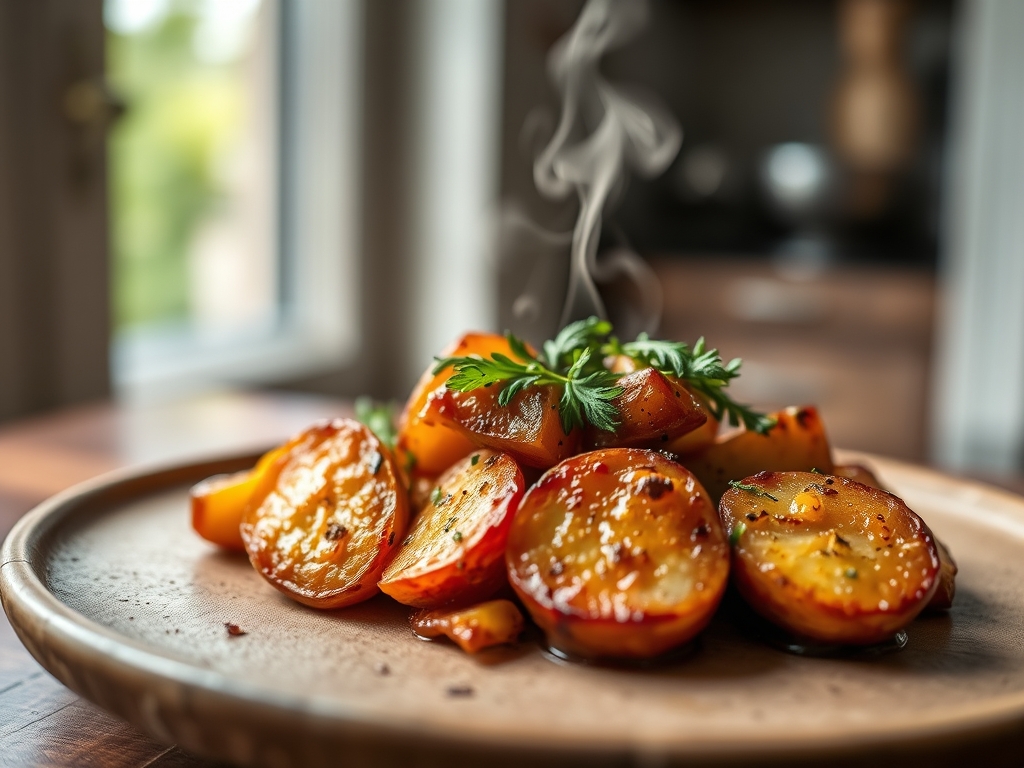
Picture a kitchen filled with the scent of rosemary infused butter and the rhythmic sound of a chef's knife hitting a wooden board. We are not just making dinner; we are mastering the art of the tuber. Finding the best red skinned potato recipes requires more than a boiling pot. It demands an understanding of moisture content and starch structure.
Red potatoes are the waxy darlings of the root vegetable world. Unlike their starchy Russet cousins, they contain less amylose and more moisture. This means they hold their shape under pressure, making them the perfect canvas for everything from a piquant German salad to a crispy smashed side dish. They are the versatile workhorse of the pantry, ready to be transformed by high heat and the right seasonings.
In this guide, we are diving deep into nine distinct upgrades that will turn a humble bag of spuds into a gourmet spread. We will explore the Maillard reaction, the physics of steam, and the chemistry of emulsification. Grab your apron and your favorite heavy-bottomed skillet; we are about to elevate your culinary game through the lens of science and style.
The Gathers:
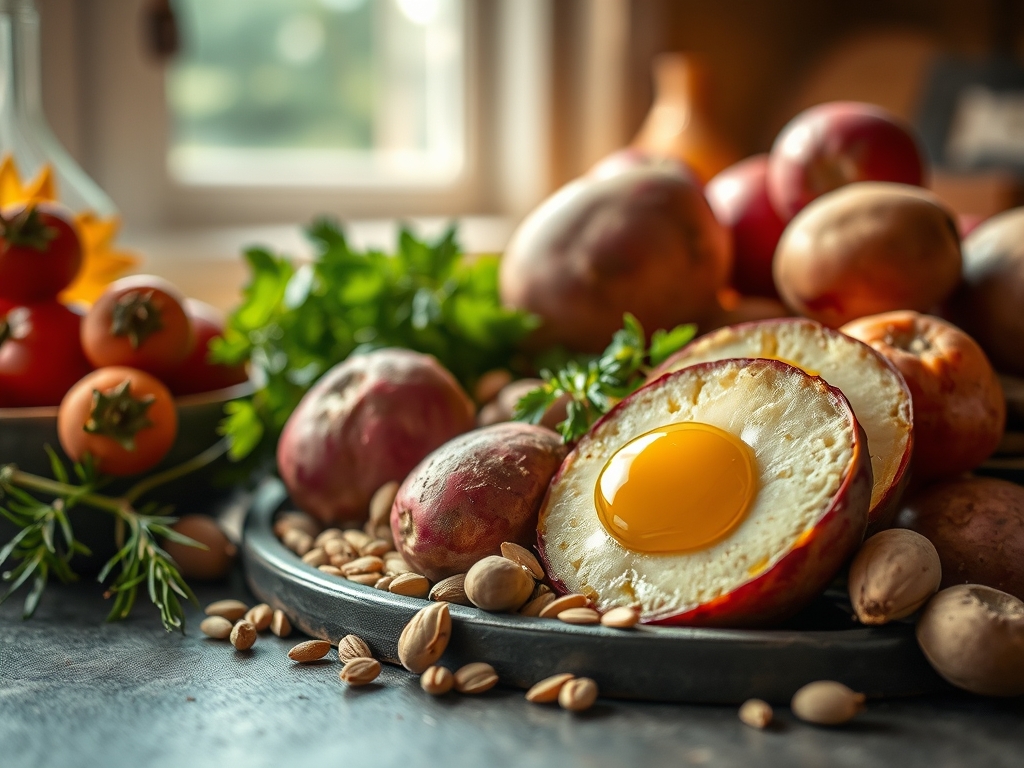
To achieve professional results, your mise-en-place must be precise. Start with five pounds of firm, unblemished red potatoes. Look for skins that are vibrant and tight; this indicates high turgor pressure within the cells, which translates to a better "snap" when bitten. You will also need high-quality fats. Use unsalted European-style butter for its lower water content and higher butterfat, which ensures a more viscous mouthfeel in your sauces.
Your aromatics are equally vital. Fresh rosemary, thyme, and roasted garlic provide the volatile oils necessary to infuse the fat. For acidity, keep a bottle of champagne vinegar or fresh lemons nearby to brighten the earthy tones of the skin. Use a digital scale to measure your salt; specifically, use Diamond Crystal Kosher salt for its hollow flake structure that adheres better to the curved surface of the potato.
Smart Substitutions:
If you are looking to lighten the profile, swap heavy cream for Greek yogurt to add a lactic tang and protein boost. For a vegan alternative, use refined coconut oil for high-heat roasting or nutritional yeast to mimic the umami of parmesan. If you lack fresh herbs, use high-quality dried herbs but crush them in your palm first to release the encapsulated oils.
The Clock: Timing the Chef's Flow
Efficiency in the kitchen is about managing thermal momentum. Expect a total active prep time of 20 minutes, with a total cook time ranging from 30 to 50 minutes depending on the specific upgrade you choose. The "Chef's Flow" dictates that you start by preheating your oven and your roasting pans simultaneously.
By heating the heavy-bottomed skillet or sheet pan before the potatoes touch it, you initiate an immediate sear. This prevents the potatoes from sticking and jumpstarts the Maillard reaction. While the oven does the heavy lifting, use that 30-minute window to prepare your emulsions, chop your garnishes with a sharp bench scraper, and clean as you go. This ensures that when the timer dings, you are ready to plate and serve immediately while the internal temperature is at its peak.
The Masterclass:
1. The Precision Parboil
Place your halved potatoes in cold, heavily salted water. Starting with cold water ensures the interior and exterior cook at the same rate, preventing a mushy outside and raw core.
Pro Tip: Adding a teaspoon of baking soda to the water raises the pH level. This breaks down the pectin on the surface, creating a starchy slurry that crisps up into a glass-like crust during roasting.
2. The Steam Release
Once fork-tender, drain the potatoes and let them sit in the colander for three minutes. Shake them vigorously to roughen up the edges.
Pro Tip: This process is called mechanical roughening. It increases the surface area, allowing more fat to cling to the potato, which results in a crunchier exterior via evaporation.
3. The Infusion Render
In a small saucier, melt your butter or oil with smashed garlic cloves and woody herbs over low heat. Do not let the garlic brown; you want to extract the flavor without the bitterness of scorched solids.
Pro Tip: Fat is a flavor carrier. By infusing the oil first, you ensure every millimeter of the potato is coated in aromatic compounds rather than just having herbs burnt on the outside.
4. The High-Heat Roast
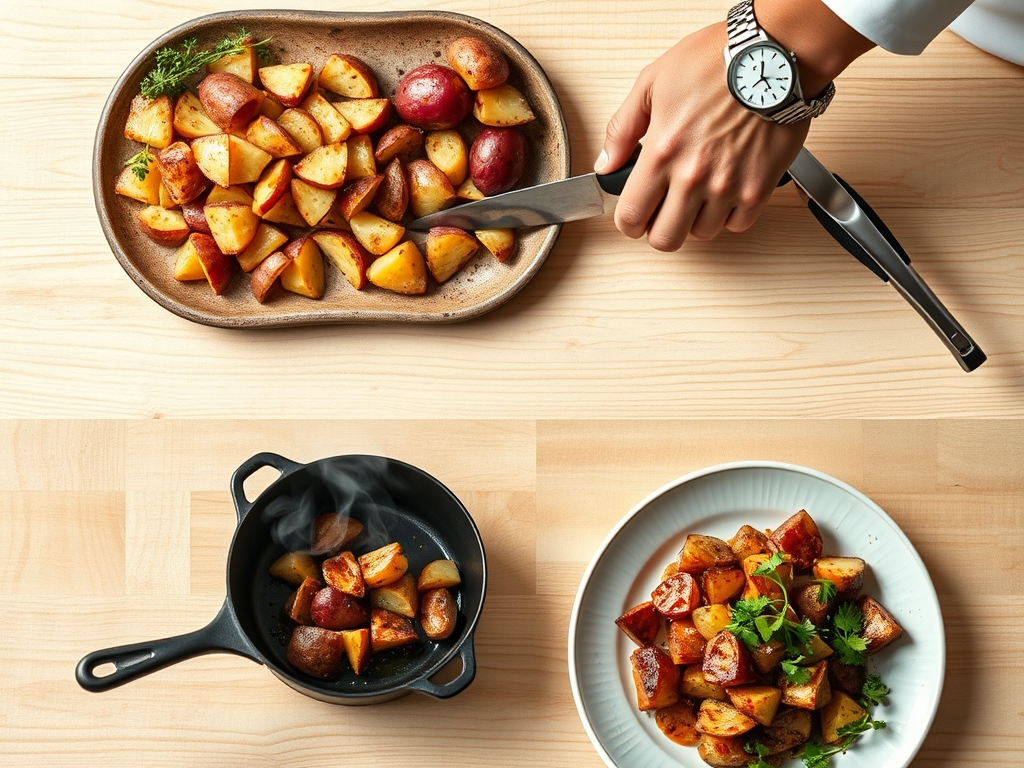
Spread the potatoes on your preheated sheet pan, flat side down. Roast at 425 degrees Fahrenheit. Use metal tongs to flip them halfway through to ensure even browning.
Pro Tip: Thermal carryover means the potatoes will continue to cook for a few minutes after leaving the oven. Pull them out when they are just a shade lighter than your desired final color.
5. The Acidic Brightening
Immediately after roasting, toss the potatoes in a bowl with a splash of vinegar or a squeeze of lemon. Use a microplane to zest fresh lemon over the top for an olfactory punch.
Pro Tip: Adding acid at the end balances the richness of the fats. The heat of the potatoes will slightly volatilize the acid, sending the aroma straight to your guests' noses.
6. The Emulsion Glaze
For a creamier upgrade, whisk a bit of Dijon mustard into your herb butter before tossing. This creates a temporary emulsion that clings to the waxy skin.
Pro Tip: Mustard contains lecithin, a natural emulsifier. It bridges the gap between the watery juices of the potato and the added fats, creating a silky, unified sauce.
7. The Umami Dusting
Finish the dish with a dusting of finely grated Pecorino Romano or nutritional yeast. Use your microplane for a snow-like texture that melts instantly.
Pro Tip: This adds a layer of glutamate, the molecule responsible for savory "umami." It triggers the salivary glands and makes the dish taste more "complete."
8. The Aerated Mash
If mashing, use a ricer rather than a masher. This aerates the potato and prevents the starch granules from rupturing and becoming gluey.
Pro Tip: Overworking waxy potatoes releases too much starch, leading to a gummy texture. A ricer keeps the cells intact for a fluffy, cloud-like result.
9. The Resting Period
Allow the finished dish to sit for two minutes before serving. This allows the internal moisture to redistribute so the potatoes are succulent rather than dry.
Pro Tip: Resting allows the starches to undergo retrogradation, slightly firming the texture so the potato doesn't fall apart when pierced with a fork.
The Deep Dive:
Red potatoes are a nutritional powerhouse, offering a significant amount of Vitamin C, potassium, and B6. Because the skins are thin and edible, you retain the fiber that is often lost when peeling other varieties.
Dietary Swaps:
For a Keto-friendly vibe, focus on smaller portions paired with high-fat dips like avocado crema. Vegan diners can utilize extra virgin olive oil and toasted walnuts for crunch. Those following a Gluten-Free diet can rest easy; potatoes are naturally GF, just ensure your seasonings are certified.
The Fix-It:
- Soggy Potatoes: Usually caused by overcrowding the pan. The moisture creates a steam tent. Fix: Spread them out across two pans.
- Burnt Garlic: Happens when garlic is added too early. Fix: Add minced garlic in the last 10 minutes of roasting.
- Gluey Mash: Caused by using a food processor. Fix: You cannot un-glue them, but you can turn them into a delicious potato pancake by adding flour and searing them.
Meal Prep:
To reheat, avoid the microwave as it turns the skin rubbery. Instead, use an air fryer or a hot skillet. The rapid dry heat will re-crisp the exterior while keeping the interior moist.
The Wrap-Up:
Mastering red skinned potato recipes is a journey through texture and temperature. By treating each tuber with scientific respect; using baking soda for crunch, infusing your fats, and respecting the "rest"; you transform a simple side into the star of the show. Cooking is a conversation between you and your ingredients. Listen to the sizzle, watch the color change, and don't be afraid to get creative with your aromatics.
The Kitchen Table:
Why are my red potatoes always waxy?
Red potatoes have a high moisture and low starch content. This molecular structure allows them to hold their shape during boiling or roasting, unlike Russets which fall apart easily.
Can I leave the skins on for every recipe?
Absolutely. The skins of red potatoes are thin and nutrient-dense. They provide a beautiful color contrast and an earthy flavor that complements creamy dressings and herb oils perfectly.
How do I get the skin extra crispy?
The secret is a combination of parboiling with baking soda and using a preheated metal roasting pan. This maximizes the surface area and initiates the Maillard reaction immediately.
Are red potatoes healthier than white potatoes?
They are comparable in calories, but the vibrant red skin contains anthocyanins and extra fiber. They also have a slightly lower glycemic index than starchy Russet potatoes.