
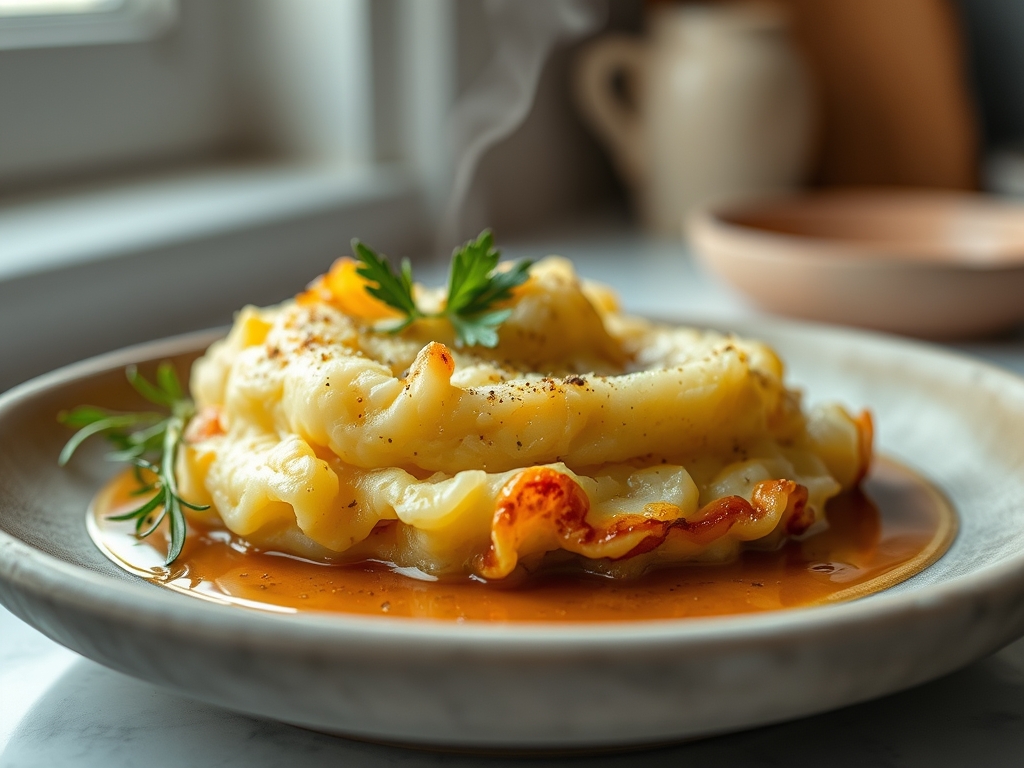
Imagine a bowl of clouds so velvet they practically hum with the earthy, rustic depth of a harvest kitchen. We are ditching the peeling knife today because the true soul of the tuber lives in the peel. Mastering mashed potato recipes with skin is not just about saving time; it is a strategic flavor play that maximizes mineral density and textural contrast. Most people treat the skin as an afterthought, but we are going to treat it as a structural element that elevates a humble side dish into a sophisticated, nutrient-dense masterpiece.
The magic happens when the crispy, fibrous exterior meets a fluffier interior. By keeping the skins intact, you preserve the potassium and vitamin C that usually vanish down the disposal. We are aiming for a specific mouthfeel here: the silkiness of a traditional puree punctuated by the piquant, toasted notes of the skins. It is rustic, it is smart, and it is scientifically superior. If you have ever felt that "peeled" mashed potatoes lacked character, you were right. They were missing the very armor that holds the potato's flavor profile together. Let us get into the grit and the glory of the perfect mash.
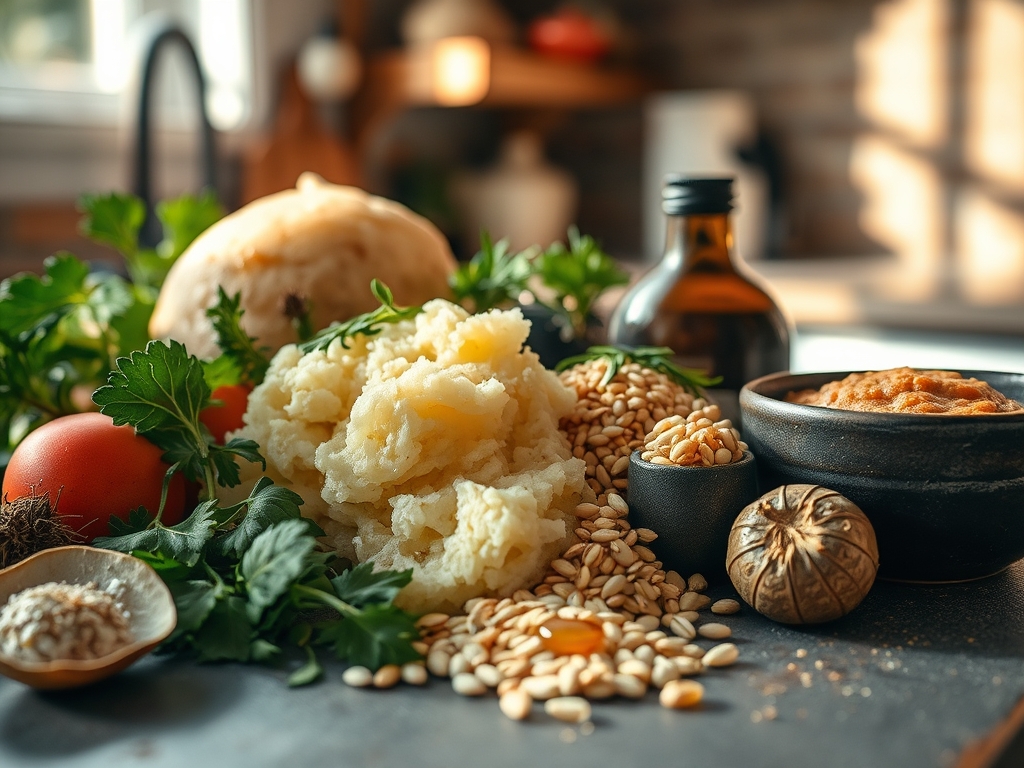
The Gathers:
To execute this properly, your mise-en-place must be precise. We are looking for Yukon Gold or Red Bliss potatoes because their thin skins offer a delicate snap without being overly leathery. You will need a digital scale to ensure your ratio of fat to starch is chemically balanced. Gather high-fat European butter (at least 82 percent butterfat) and heavy cream. For the aromatics, we want fresh rosemary, garlic cloves, and high-quality sea salt.
Smart Substitutions: If you are looking to lighten the caloric load without sacrificing the viscous quality of the dish, swap half the heavy cream for Greek yogurt. This adds a lactic tang that cuts through the starch. For a vegan profile, use a high-quality cashew cream and nutritional yeast to replicate the savory umami of parmesan. Regardless of your choice, ensure your liquids are at room temperature before they touch the heat.
The Clock
Efficiency in the kitchen is about managing the Chef's Flow. You should budget 10 minutes for the initial scrub and dice, followed by 20 to 25 minutes of active boiling. The "dead time" while the potatoes simmer is your window to infuse your cream and melt your butter in a saucier. Total active time is roughly 40 minutes. Remember that potatoes are high in thermal mass; they will hold their heat for a significant period, so do not rush the mashing process. The goal is a steady, rhythmic workflow where the potatoes are drained and mashed while the steam is still actively escaping the cell walls.
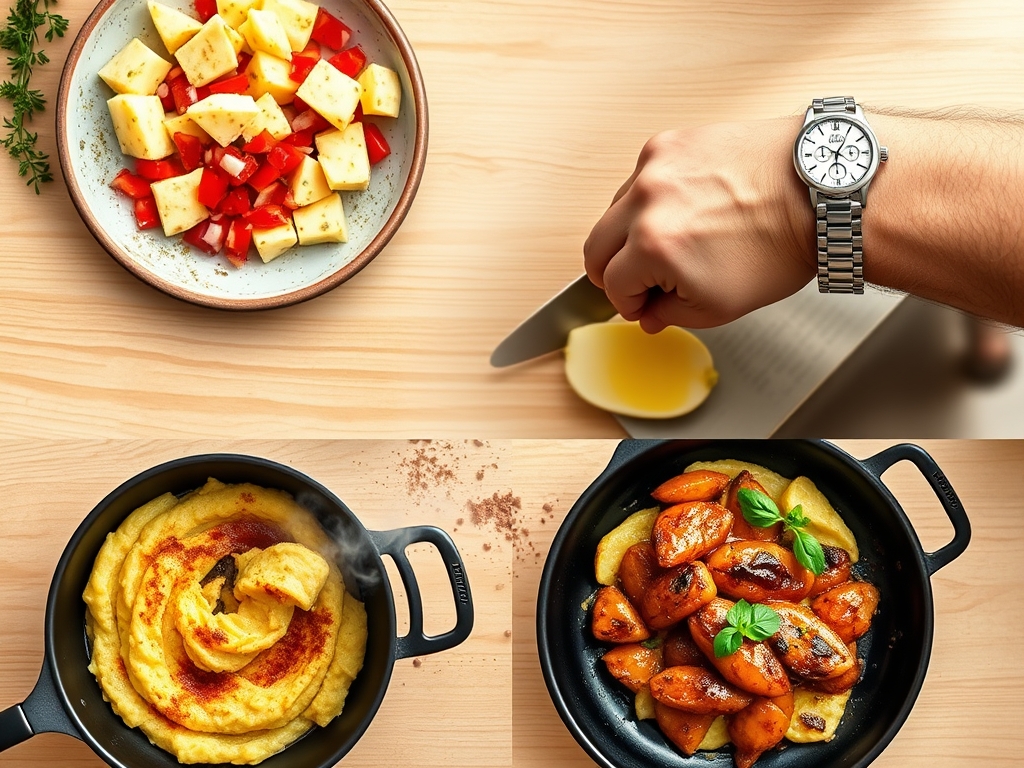
The Masterclass
1. The Precision Scrub
Start by scrubbing your tubers under cold water using a stiff vegetable brush. Since we are keeping the skins, we must remove every trace of sediment. Use a bench scraper to clear your workstation of any debris as you go. Slice the potatoes into uniform 1.5 inch cubes to ensure they cook at the exact same rate.
Pro Tip: This stage prevents enzymatic browning. By keeping the cut potatoes in cold water until the moment they hit the pot, you stop the oxygen from reacting with the starch, keeping your mash vibrant rather than gray.
2. The Cold Water Start
Never drop potatoes into boiling water. Place your cubes in a heavy-bottomed pot and cover with cold, heavily salted water. Bring the temperature up slowly. This allows the heat to penetrate the center of the potato at the same time the exterior begins to soften.
Pro Tip: Starting in cold water ensures even starch gelatinization. If you start with hot water, the outside overcooks and falls apart before the inside is tender, leading to a "mealy" texture.
3. The Steam Dry
Once the potatoes are fork-tender, drain them in a colander. Return them to the hot pot for sixty seconds over low heat, shaking them gently. You will see steam billowing out; this is the moisture leaving the potato.
Pro Tip: This is the secret to "fluff." Removing excess water creates space within the potato's cellular structure to soak up the butter and cream you are about to add. It prevents a "watery" or "leaky" mash.
4. The Fat Infusion
While the potatoes are steaming dry, use a saucier to warm your cream, butter, and smashed garlic. Do not boil it; just bring it to a gentle simmer to infuse the fats with the garlic oils.
Pro Tip: Adding cold dairy to hot potatoes "shocks" the starch, causing it to tighten and become gummy. Warm liquids integrate seamlessly into the starch molecules for a superior emulsion.
5. The Aerated Mash
Use a potato masher or a heavy fork to break down the tubers. Since we are keeping the skins, do not use a ricer or food mill; those tools are designed to remove skins. Instead, use a folding motion to aerate the mixture as you pour in your liquid gold.
Pro Tip: Over-mixing is the enemy. Excessive agitation releases too much amylose from the starch cells, turning your beautiful mash into wallpaper paste. Stop the moment the liquid is incorporated.
6. The Herb Finish
Finely mince your fresh rosemary or chives using a sharp chef's knife. Fold them in at the very last second along with a final dusting of sea salt. Use a microplane to zest a hint of lemon over the top for a bright, acidic finish.
Pro Tip: Adding herbs at the end preserves their volatile oils. If you cook them with the potatoes, the heat destroys their delicate flavor profile and turns them a dull brown.
The Deep Dive
From a macro perspective, mashed potato recipes with skin are a powerhouse. You are getting nearly double the fiber compared to peeled versions, which slows the glucose spike in your bloodstream. For those following a Keto lifestyle, you can swap half the potatoes for steamed cauliflower; the skins from the remaining potatoes will provide the "real feel" texture you crave. For Gluten-Free diners, potatoes are naturally safe, but always check your butter additives.
The Fix-It:
- Too Gummy? You over-worked the starch. Fold in a splash of warm milk and a bit more butter to loosen the bonds.
- Too Bland? You likely under-salted the boiling water. Add a teaspoon of white miso paste for a hidden salt and umami boost.
- Lumpy Skins? If the skins feel too "tough," it means the potatoes were old. Next time, use younger, "new" potatoes for a thinner skin.
Meal Prep Science: To reheat, do not use the microwave alone. Place the potatoes in a small pot with a tablespoon of milk. Cover and heat on low. This creates a steam chamber that re-hydrates the starch without breaking the fat emulsion.
The Wrap-Up
There is a profound satisfaction in reclaiming the whole ingredient. By mastering mashed potato recipes with skin, you are choosing flavor over "perfection" and nutrition over tradition. The result is a dish that feels intentional, sophisticated, and deeply nourishing. Go forth, grab your heaviest pot, and let those skins shine. Your dinner guests (and your gut) will thank you for the extra effort and the incredible depth of flavor.
The Kitchen Table
Can I use Russet potatoes for skin-on mash?
Yes, but be cautious. Russet skins are thicker and can be slightly bitter. If using Russets, chop them smaller so the skin-to-flesh ratio is balanced, or mix them with Yukon Golds for a smoother overall texture.
How do I prevent the potatoes from getting watery?
Always perform the "steam dry" step. After draining, return the potatoes to the hot burner for one minute. This evaporates residual moisture, ensuring the starch cells are thirsty enough to absorb the butter and cream efficiently.
Why should I salt the water instead of the finished mash?
Salting the water allows the salt to penetrate the potato's cellular structure as it cooks. This seasons the tuber from the inside out, resulting in a more complex, well-rounded flavor than just salting the surface at the end.
Is it safe to eat potato skins that have sprouts?
No. If a potato has begun to sprout or has green patches on the skin, it contains solanine, which is toxic. Always use fresh, firm potatoes with no green tint for skin-on recipes to ensure safety and flavor.