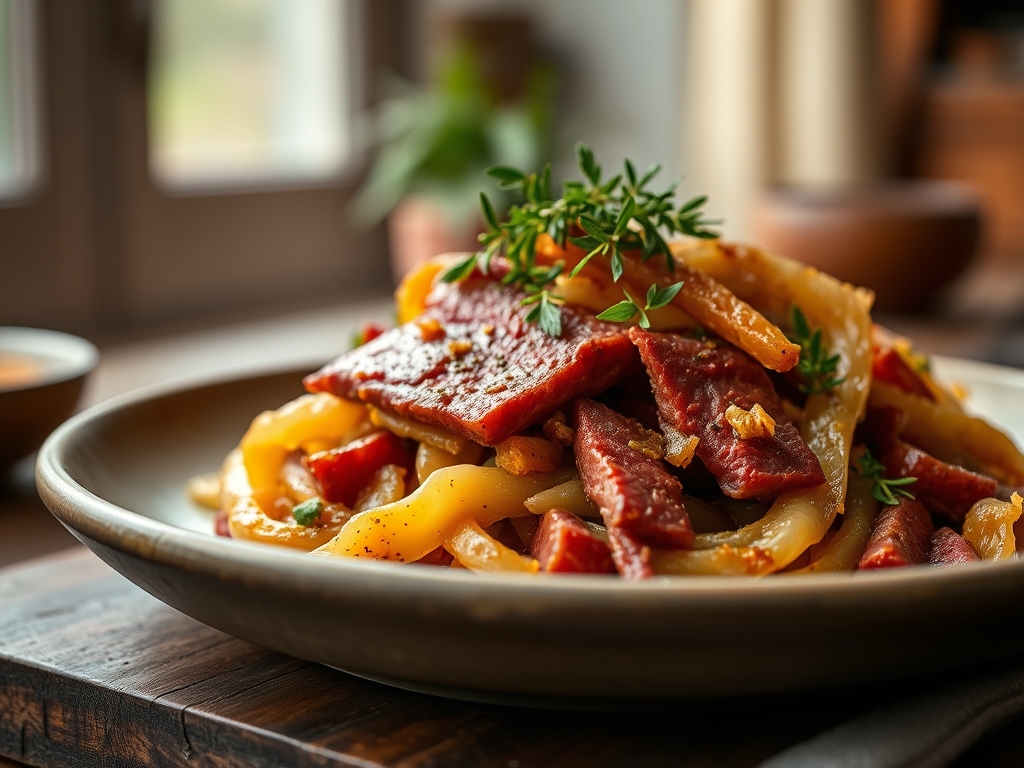
Imagine the savory, salt-cured aroma of a classic deli wafting through your kitchen without the six-hour commitment of a slow cooker. That is the magic of working with high-quality preserved meats. When you master canned corned beef recipes cabbage becomes the perfect crunchy, sulfurous foil to the rich, fatty goodness of the beef. We are taking this humble pantry staple and elevating it into a gourmet experience using professional techniques that maximize the Maillard reaction and texture contrast. This is not about mushy cafeteria food; this is about achieving a crispy, piquant, and deeply satisfying meal that feels like a warm hug on a cold Tuesday night.
The Gathers:
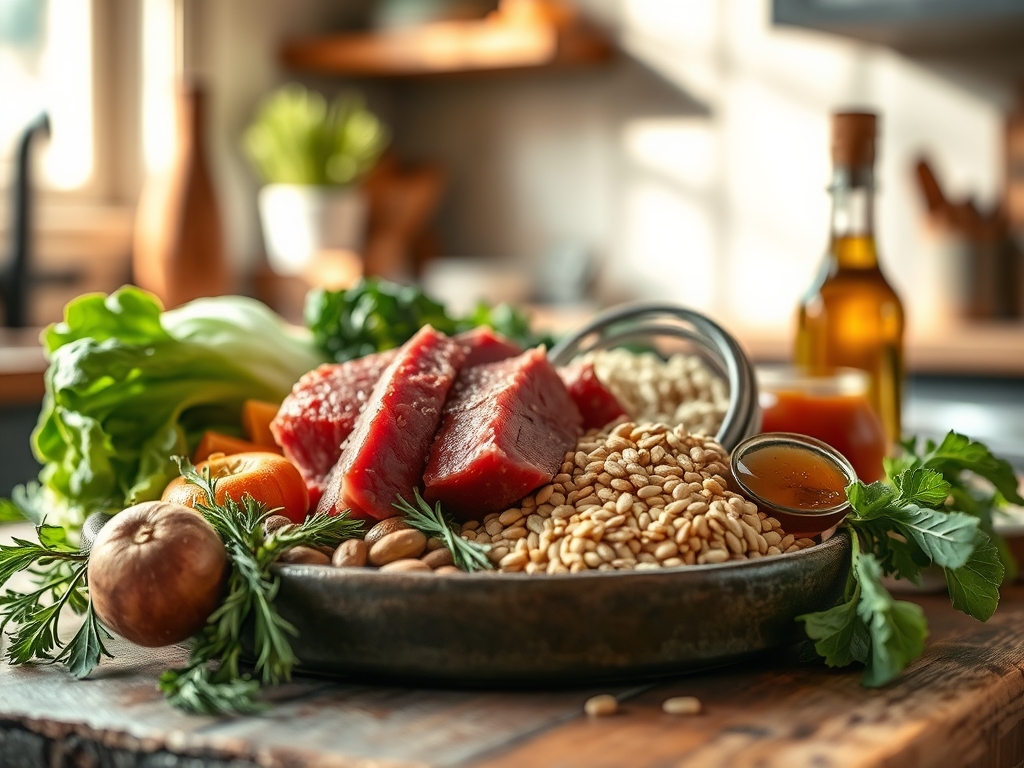
To execute these hacks, your mise-en-place must be precise. Start with a high-protein canned corned beef; look for brands where the beef is the first ingredient and the fat content is visible but not overwhelming. You will need a head of Savoy or green cabbage, which provides a more robust structure than Napa when exposed to high heat. Gather your aromatics: yellow onions for their high sugar content, garlic for pungency, and a splash of apple cider vinegar to provide a necessary acid hit.
For your Smart Substitutions, if you find yourself without fresh cabbage, a bag of dry coleslaw mix works beautifully as it offers a pre-shredded variety of textures. If you are looking to deepen the umami profile, swap standard salt for a dash of Worcestershire sauce or a teaspoon of miso paste. Use a digital scale to ensure your ratios are balanced, aiming for a 1:1 weight ratio of beef to greens to ensure the fat from the beef properly coats every leaf.
The Clock:
The beauty of these canned corned beef recipes cabbage hacks lies in the efficiency. Your total prep time is a mere 10 minutes, largely spent on knife work. The "Chef's Flow" dictates that you should prep your aromatics first, then the cabbage, and finally the beef. This prevents cross-contamination and allows the cabbage to aerate after being sliced. The cooking time is approximately 15 to 20 minutes. We utilize a high-heat sear to render the beef fat quickly, followed by a rapid sauté of the cabbage to maintain its "al dente" snap. By the time your table is set, the meal is ready to plate.
The Masterclass:
1. The Cold Start Render
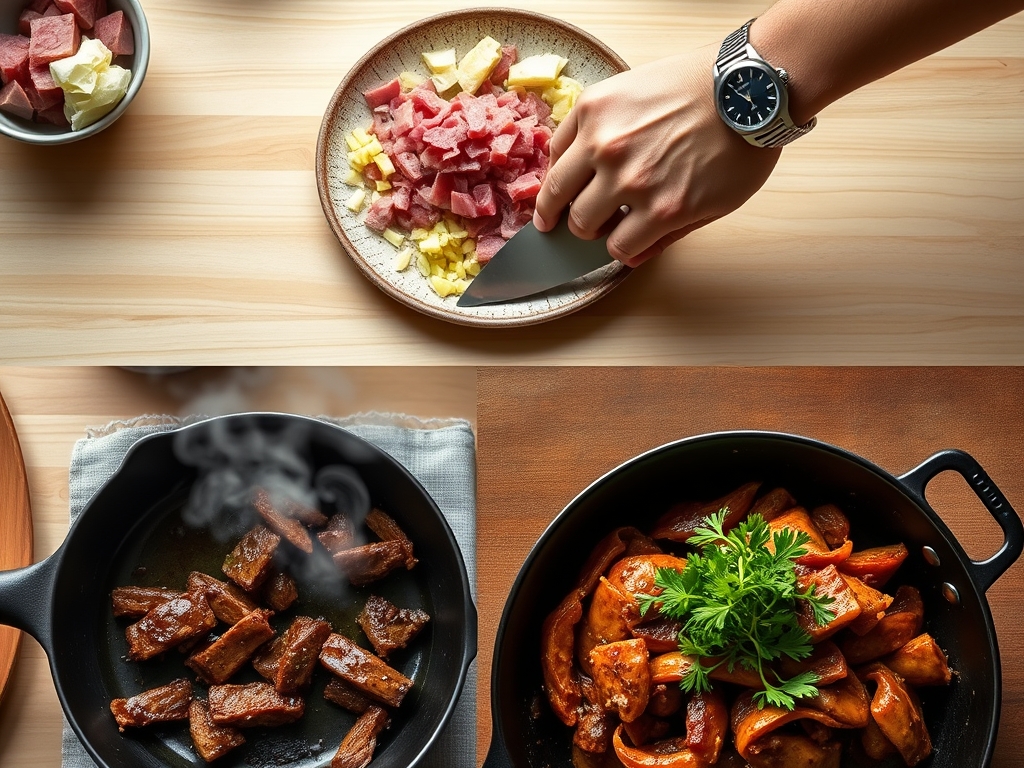
Place your cubed corned beef into a cold heavy-bottomed skillet before turning on the heat. This allows the intramuscular fat to melt slowly rather than seizing up. As the temperature rises, the beef will begin to fry in its own tallow.
Pro Tip: This technique utilizes lipid extraction. Starting cold ensures you render out the maximum amount of fat to fry your vegetables later, preventing a greasy mouthfeel and creating a crispier exterior on the meat.
2. Deglazing the Fond
Once the beef is browned, remove it and look at the brown bits stuck to the pan. Use a splash of beef stock or dry white wine to deglaze the skillet, using a bench scraper or wooden spoon to lift those flavor-packed particles.
Pro Tip: This is the Maillard reaction in reverse. By dissolving the caramelized proteins back into a liquid, you create a built-in sauce that will eventually coat the cabbage leaves with intense savory notes.
3. The Cabbage Flash-Sauté
Add your shredded cabbage to the hot, deglazed pan. Do not crowd the skillet; work in batches if necessary to ensure the water content of the cabbage evaporates quickly rather than steaming the greens.
Pro Tip: High-heat sautéing prevents the breakdown of pectin in the cell walls of the cabbage. This ensures the vegetable stays crisp and vibrant rather than turning into a translucent, soggy mess.
4. The Acid Balance
Just before finishing, use a microplane to zest a bit of lemon over the pan and add a teaspoon of vinegar. The brightness of the acid cuts through the heavy, salty profile of the preserved beef.
Pro Tip: This is a matter of pH balancing. Canned meats are often quite alkaline and salty; adding acid provides a chemical contrast that "wakes up" the taste buds and balances the flavor profile.
5. Emulsifying the Pan Sauce
Return the beef to the pan with a knob of cold butter. Toss vigorously over medium heat. The butter will combine with the remaining juices to create a viscous, glossy coating.
Pro Tip: This creates a temporary emulsion. The fat in the butter binds with the deglazed liquids, ensuring the flavor sticks to the ingredients instead of pooling at the bottom of the bowl.
6. The Aromatic Infusion
Add minced garlic and cracked black pepper only in the final 60 seconds of cooking. Garlic burns easily, and burnt garlic produces a bitter alkaloid that ruins the dish.
Pro Tip: This preserves the essential oils in the aromatics. Volatile flavor compounds in garlic and pepper are heat-sensitive; adding them late keeps their profile sharp and pungent.
7. Texture Contrast with Toasted Seeds
Sprinkle caraway seeds or toasted mustard seeds over the finished dish. These provide a rhythmic crunch that echoes the traditional spices used in the curing process of corned beef.
Pro Tip: Toasting seeds triggers pyrolysis, a chemical change that creates new smoky flavor compounds that are not present in raw seeds, adding a layer of professional complexity to the dish.
8. The Resting Period
Transfer the mixture to a warm serving platter and let it sit for two minutes before serving. This allows the temperatures to equalize across the different densities of meat and vegetable.
Pro Tip: This accounts for thermal carryover. The internal heat of the beef will continue to soften the cabbage slightly even after it leaves the pan, reaching the perfect state of tenderness just as it hits the table.
The Deep Dive:
From a Macro Nutrition perspective, this dish is a powerhouse of protein and cruciferous fiber. A standard serving provides approximately 18g of protein and 4g of fiber. To keep it Keto-friendly, simply avoid adding sugar-based glazes. For a Vegan swap, use a plant-based "corned beef" alternative or smoked tempeh, though you will need to add extra coconut oil to mimic the animal fats. If you are Gluten-Free, ensure your canned beef brand does not use grain-based fillers.
The Fix-It:
- Too Salty? Add a peeled, cubed potato during the cooking process to absorb excess sodium, or finish with a dollop of unsweetened Greek yogurt.
- Too Greasy? Use a saucier to whisk in a tablespoon of flour or cornstarch slurry to bind the fats into a stable sauce.
- Bland Flavor? Increase the piquant notes by adding extra dry mustard or a dash of horseradish.
Meal Prep Science: To maintain "day-one" quality, store the beef and cabbage separately if possible. When reheating, use a skillet rather than a microwave to re-crisp the beef fats; the microwave tends to rubberize the proteins.
The Wrap-Up:
Mastering canned corned beef recipes cabbage is your ticket to a fast, flavorful, and technically sound dinner. By focusing on the science of rendering fats and the art of the quick sauté, you transform a shelf-stable product into a culinary highlight. Grab your heavy-bottomed skillet and get to work; your kitchen is about to become the best bistro in town!
The Kitchen Table:
Can I make canned corned beef and cabbage in an Air Fryer?
Yes. Toss shredded cabbage with oil and seasonings, then top with cubed beef. Air fry at 375 degrees Fahrenheit for 8 to 10 minutes. This creates a highly crispy texture through rapid convection heating and efficient fat rendering.
How do I stop the cabbage from smelling like sulfur?
Avoid overcooking. The "rotten egg" smell comes from hydrogen sulfide gas released when cabbage is heated for too long. Use a high-heat, short-duration sauté to keep the cabbage sweet and crisp rather than pungent and soft.
Is canned corned beef already cooked?
Yes, it is fully sterilized and cooked during the canning process. Your goal in the kitchen is not to "cook" it through, but to reheat it and achieve a desirable texture through searing and browning.
What is the best way to store leftovers?
Place leftovers in an airtight glass container. It will stay fresh for up to three days. For the best texture, reheat in a pan with a splash of water to steam the cabbage while the beef fats re-melt.