
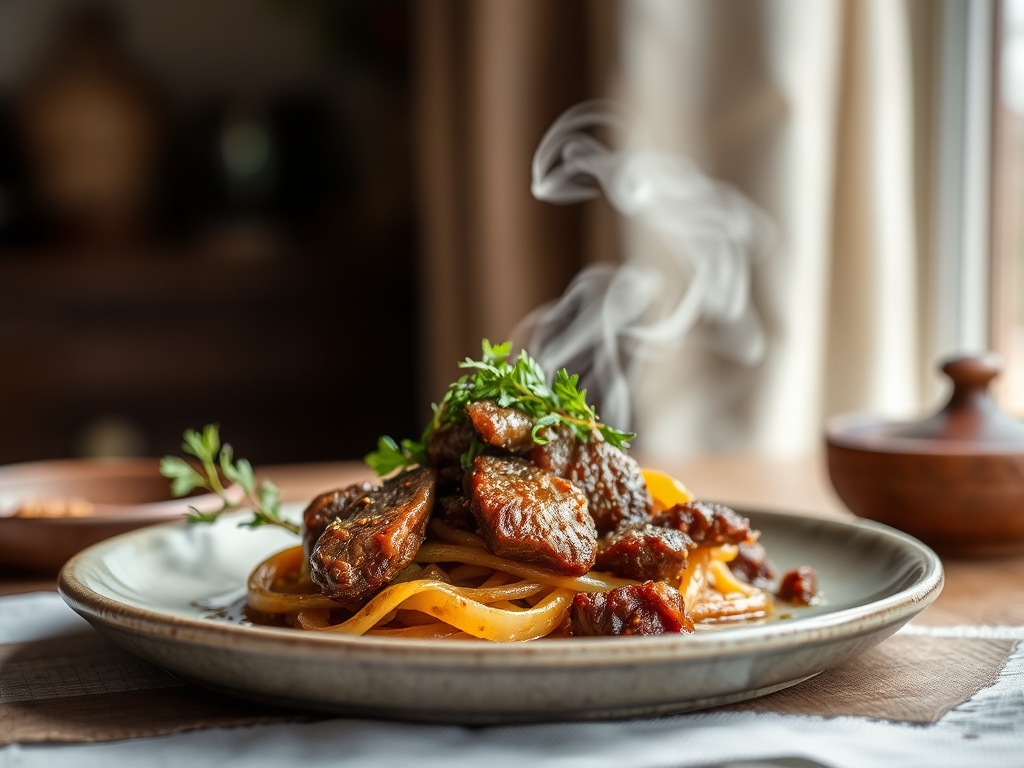
Imagine the sound of a heavy bottomed skillet meeting a high flame; it is the rhythmic percussion of a kitchen in motion. When you are chasing the clock but refuse to compromise on flavor, quick beef recipes become your culinary superpower. We are talking about deep umami, perfectly rendered fats, and that golden crust that only high heat can provide.
The secret to a ten minute masterpiece is not magic. It is chemistry. By understanding how to manipulate protein structures and maximize surface area, we turn humble cuts into five star experiences. We are moving beyond the basic stir fry into a world of sophisticated, rapid fire techniques. Whether it is a piquant ginger soy glaze or a rich, buttery pan sauce, these meals are designed to hit the table before your delivery app can even find a driver. We are prioritizing speed without sacrificing the soul of the dish.
Get ready to transform your weeknights. We are diving into the mechanics of heat, the art of the sear, and the specific tools that will shave minutes off your prep time. Grab your favorite apron; it is time to master the art of the quick beef dinner.
The Gathers:
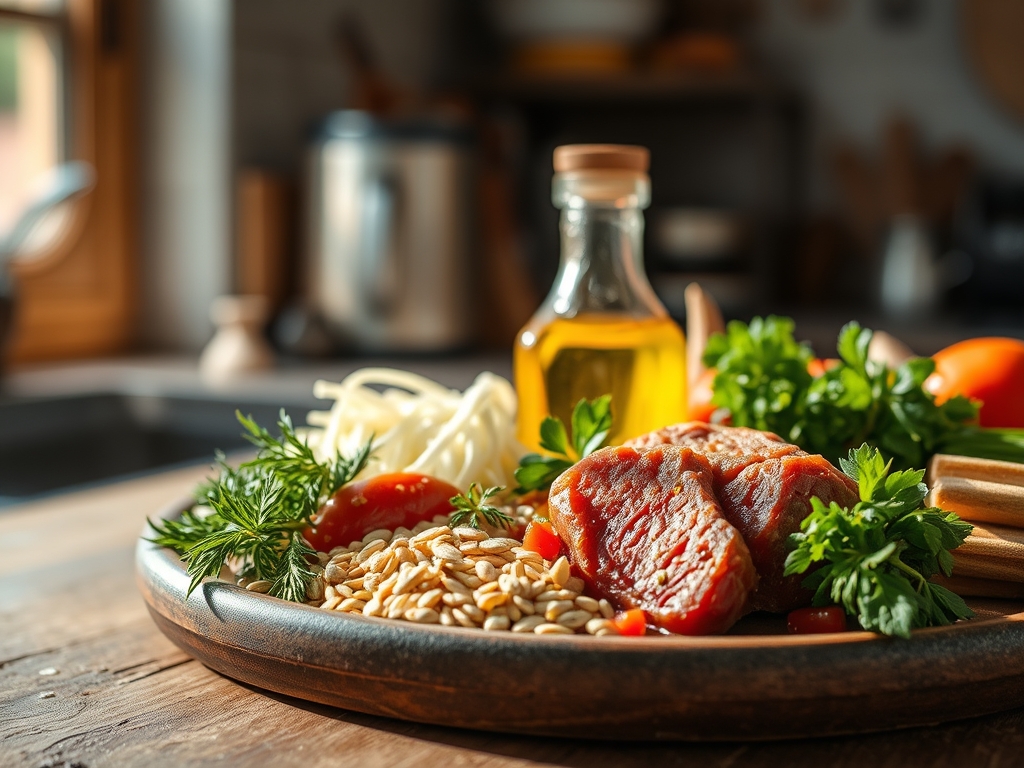
Success in the kitchen starts with your mise-en-place. For these quick beef recipes, your ingredients should be organized by their thermal resistance. Start with your proteins. For rapid cooking, you want thin slices of flank steak, sirloin, or high quality ground chuck with an 80/20 fat ratio. The fat provides the viscous mouthfeel that carries flavor across the palate.
Next, look at your aromatics. We are using a microplane to grate fresh ginger and garlic, which increases the surface area and allows them to infuse the oil almost instantly. You will need a piquant element like rice vinegar or lemon juice to cut through the richness of the beef. For the "Smart Substitutions," if you lack flank steak, a well trimmed hanger steak offers a similar grain structure. If you are avoiding soy, liquid aminos provide that essential salty umami without the gluten. Always keep a high smoke point oil, like avocado or grapeseed oil, within reach to ensure you can reach the temperatures required for the Maillard reaction without filling your kitchen with acrid smoke.
The Clock
The "Chef's Flow" is all about overlapping tasks to minimize downtime. In a professional kitchen, we call this parallel processing. Your total active time for these recipes averages fifteen minutes, with a cook time of less than ten. The key is to utilize the "Resting Window." While your beef sits on the cutting board after searing, the residual heat continues to cook the center. Use those three minutes to whisk your sauce or toss a fresh herb garnish.
If you are using a digital scale to portion your meat, you ensure consistent cooking times across the board. Thinner cuts require a maximum of two minutes per side. By the time you have set the table and poured a glass of wine, the protein has reached its ideal internal temperature. This is efficiency in its purest form; every movement is deliberate, and every second is accounted for in the pursuit of the perfect sear.
The Masterclass
1. The High Heat Sear
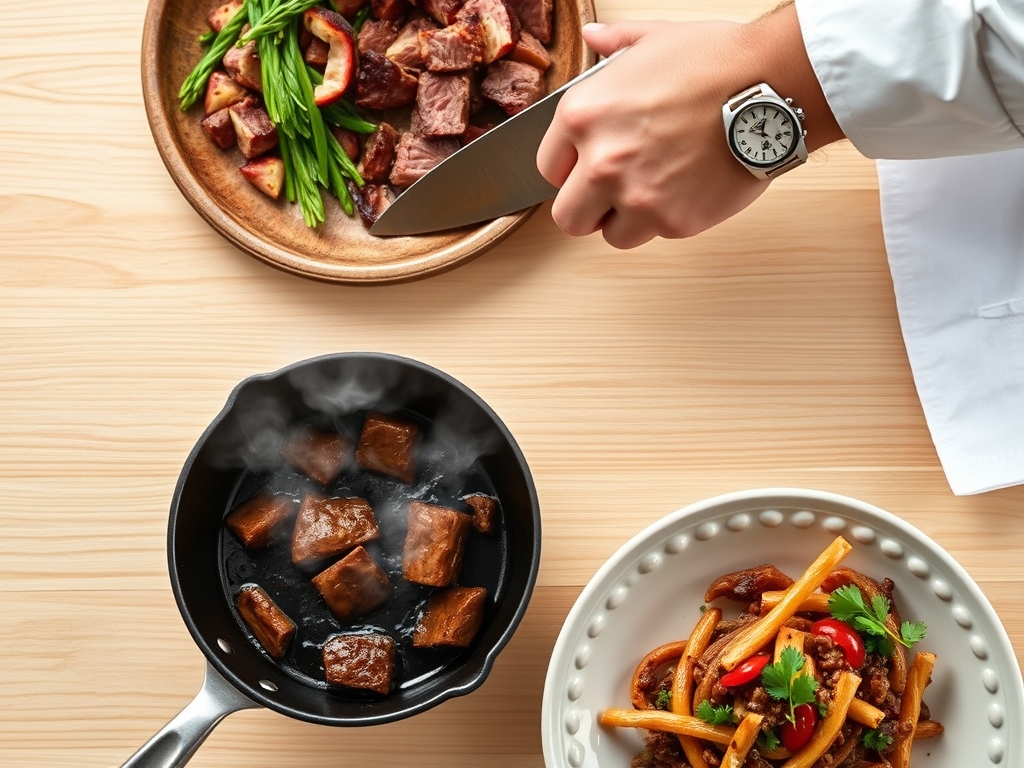
Pat your beef dry with a paper towel to remove surface moisture. Place your heavy bottomed skillet over high heat until the oil shimmers. Lay the beef away from you to avoid splashes. Do not crowd the pan; overcrowding drops the temperature and causes the meat to steam rather than sear.
Pro Tip: This step relies on the Maillard reaction, a chemical reaction between amino acids and reducing sugars that creates hundreds of different flavor compounds. Surface moisture is the enemy of this reaction because energy is wasted evaporating water instead of browning the protein.
2. The Deglaze and Emulsify
Once the beef is removed, you will see brown bits stuck to the bottom. This is called the fond. Pour in a splash of stock, wine, or vinegar and use a wooden spoon or bench scraper to lift those bits. Add a cold pat of butter and whisk vigorously to create a silky, stable emulsion.
Pro Tip: Deglazing uses solvent extraction to pull concentrated flavors from the pan. Adding cold butter at the end creates a temporary emulsion where the milk solids wrap around the fat droplets, resulting in a glossy, viscous sauce.
3. The Aerated Finish
Toss your beef back into the sauce along with fresh herbs like cilantro or basil. Use stainless steel tongs to coat every piece evenly. This final toss ensures the sauce adheres to the nooks and crannies of the seared meat, providing a burst of flavor in every bite.
Pro Tip: Adding fresh herbs at the very end prevents the volatile aromatics from evaporating. The residual heat is just enough to release their oils without destroying their bright, herbaceous profile.
The Deep Dive
From a macro perspective, beef is a nutritional powerhouse, providing high density protein, B12, and zinc. For those following a Keto lifestyle, these recipes are naturally low carb; simply serve over roasted radishes or cauliflower rice. For a vegan twist, firm tofu or seitan can be treated with the same searing techniques, though you will want to add a dash of Worcestershire or mushroom powder to replicate the beefy umami.
The "Fix-It" section is your safety net. If your meat is tough, you likely skipped the "against the grain" cut; use a sharp chef's knife to slice perpendicular to the muscle fibers next time. If your sauce is too thin, a quick cornstarch slurry (equal parts starch and cold water) will provide immediate thickening. If the dish is too salty, a squeeze of lime or a teaspoon of honey will balance the palate.
When it comes to meal prep, reheating beef is a science. Avoid the microwave, which vibrates water molecules and toughens the protein. Instead, use a saucier over low heat with a tablespoon of water or stock. This creates a gentle steam environment that restores the "day-one" moisture levels without overcooking the center.
The Wrap-Up
Mastering quick beef recipes is about more than just a fast dinner; it is about reclaiming your evening with confidence and flair. By focusing on the mechanics of heat and the chemistry of flavor, you turn a simple grocery run into a series of sophisticated, high energy meals. Remember to trust your tools, watch your temperatures, and never underestimate the power of a good deglaze. You have the skills and the science; now go make something incredible.
The Kitchen Table
How do I make beef tender for quick cooking?
Always slice your beef against the grain to shorten the muscle fibers. You can also use a technique called "velveting" by coating the meat in a small amount of baking soda for fifteen minutes before rinsing and searing.
What is the best cut for a fast stir fry?
Flank steak or skirt steak are ideal due to their intense flavor and thin profile. They cook rapidly over high heat. Ensure the pan is screaming hot to achieve a crust before the interior overcooks.
Can I use frozen beef for these recipes?
Yes, but you must thaw it completely and pat it dry. Frozen beef often releases more moisture during the thawing process. If the meat is damp, it will boil in the pan rather than developing a savory, brown crust.
Why does my beef get watery in the pan?
This usually happens because the pan is overcrowded or not hot enough. When too much meat is added at once, the temperature drops significantly. This causes the cell walls to collapse and release juices before the sear can form.