
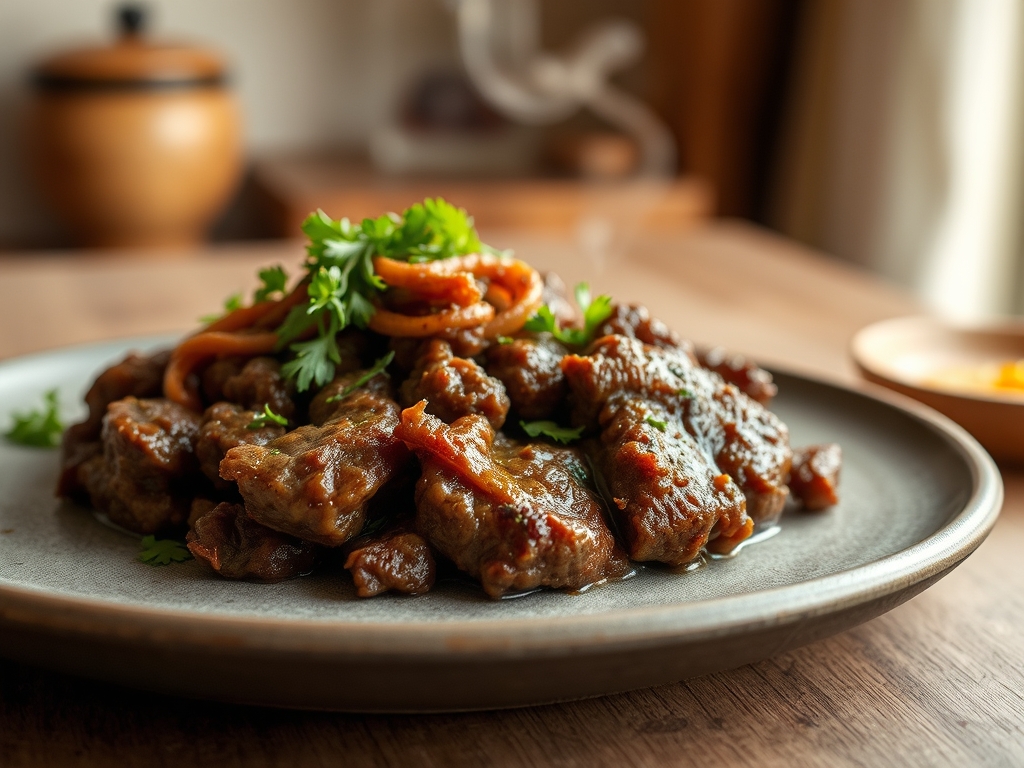
Imagine the sizzle of a heavy-bottomed skillet meeting lean protein; it is the sound of a weeknight victory. We are diving into a world where flavor and fitness collide through six brilliant weight watchers ground beef recipes that refuse to compromise on texture or taste. You do not have to settle for dry crumbles when you understand the chemistry of moisture retention and spice infusion.
The secret to mastering these meals lies in the balance of lean ratios and aromatic depth. We are talking about 93/7 or 96/4 lean ground beef, which can often become parched if mishandled. However, by using professional techniques like deglazing and controlled thermal application, we transform these humble ingredients into gourmet fuel. Whether you are craving a piquant Korean beef bowl or a viscous, rich Bolognese, these recipes provide the blueprint for high-protein success without the heavy point burden.
Let us get one thing straight: healthy does not mean bland. We are going to leverage the Maillard reaction to create deep, savory crusts and use acidic brighteners to make every bite pop. Grab your digital scale and your favorite apron; we are about to elevate your meal prep game to a professional standard while keeping your goals firmly in sight.
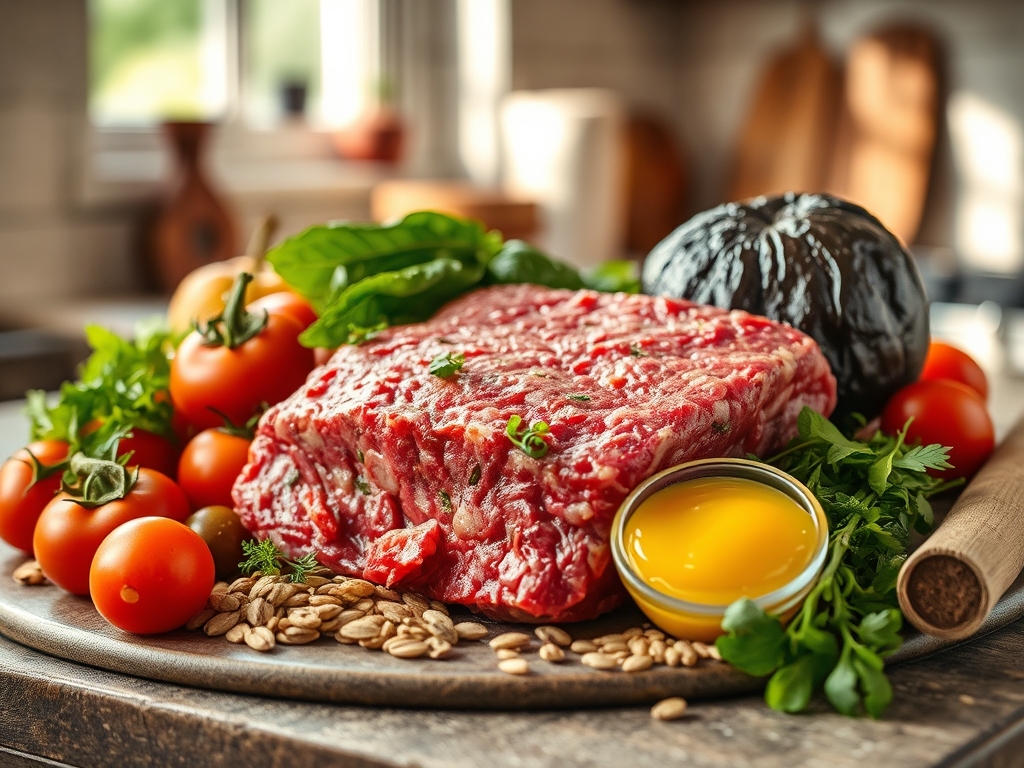
The Gathers:
The foundation of any elite dish is the mise-en-place. For these weight watchers ground beef recipes, your workstation should be a symphony of color and texture. You will need high-quality lean ground beef, ideally grass-fed for a superior omega-3 profile. Beside it, arrange your aromatics: translucent shallots, pungent garlic cloves ready for the microplane, and vibrant bell peppers.
Note the "Smart Substitutions" that keep points low while maximizing volume. We use riced cauliflower to aerate heavy meat mixtures and Greek yogurt to provide a creamy, viscous mouthfeel without the saturated fat of heavy cream. Liquid aminos or low-sodium soy sauce will provide that essential umami backbone, while fresh herbs like cilantro and parsley add a piquant finish that dried spices simply cannot replicate. Always keep a bottle of high-quality balsamic or rice vinegar nearby; acidity is the "volume knob" for flavor.
The Clock
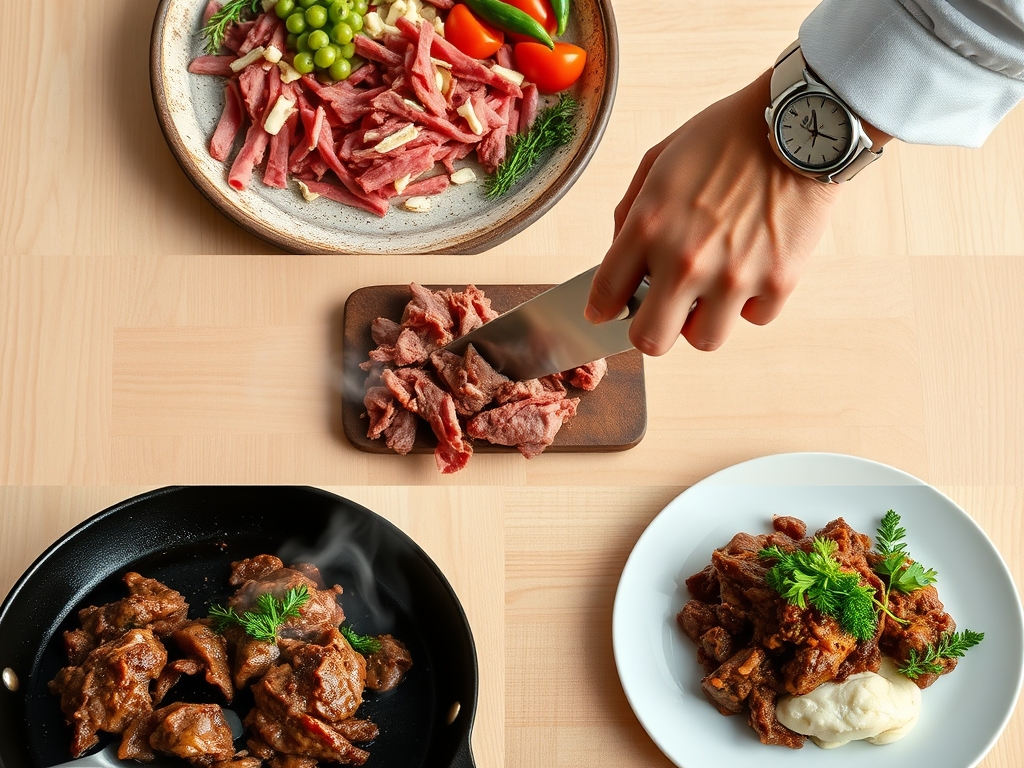
Efficiency in the kitchen is about "Chef's Flow." Most of these recipes require a 15-minute prep window and a 20-minute cook time. The strategy is to utilize the "downward heat" principle. While your beef is browning in the skillet, use your bench scraper to clear your cutting board of chopped vegetables.
Total time per meal averages 35 minutes, but the "flow" means you are never standing idle. By the time the meat has finished its render, your garnishes are sliced and your workstation is wiped clean. This synchronized approach ensures that the meal hits the table at the peak of its thermal profile, preventing the dreaded "rubbery" texture that occurs when lean meats sit too long in their own steam.
The Masterclass
1. The Sear and Fond Development
Begin by heating your cast-iron or heavy-bottomed skillet over medium-high heat. Add the beef in a single layer, resisting the urge to stir immediately. You want to achieve enzymatic browning, also known as the Maillard reaction, which creates hundreds of different flavor compounds.
Pro Tip: Do not crowd the pan. If you add too much meat at once, the temperature drops and the beef will boil in its own juices rather than sear. This results in a grey, lackluster texture instead of a rich, mahogany crust.
2. Deglazing the Flavor
Once the beef is browned and removed, you will notice brown bits stuck to the bottom of the pan. This is "fond," and it is culinary gold. Pour in a splash of beef stock or a whisper of dry wine and use a wooden spoon to scrape those bits into a flavorful liquid.
Pro Tip: This technique uses solvent extraction to pull concentrated flavors back into the sauce without adding fat. It creates a complex, savory base that makes low-point meals taste incredibly indulgent.
3. The Aromatic Infusion
Lower the heat and add your finely minced aromatics. Using a microplane for your garlic and ginger ensures they integrate into the sauce perfectly, creating a uniform flavor profile. Sauté until translucent but not browned to avoid bitterness.
Pro Tip: Fat carries flavor. Since we are using lean beef, adding spices directly to the small amount of remaining oil allows the fat-soluble compounds in the spices to infuse more effectively than if added to a liquid later.
4. Volume Expansion
Incorporate your high-volume fillers like shredded zucchini, mushrooms, or riced cauliflower. These ingredients mimic the texture of the beef while significantly lowering the caloric density of the overall dish.
Pro Tip: Mushrooms contain high levels of glutamate, which enhances the "meatiness" of the beef. This is a biological trick to make a smaller portion of meat feel more satisfying to the palate.
5. The Emulsified Finish
If your recipe calls for a sauce, whisk in your thickeners or dairy subs at the very end. Use a saucier if possible to ensure even heat distribution. A small amount of cornstarch slurry can create a glossy, professional sheen.
Pro Tip: To prevent curdling when using Greek yogurt or low-fat dairy, temper the ingredient by adding a spoonful of hot sauce to the yogurt before stirring the whole mixture back into the pan. This stabilizes the proteins.
6. The Resting Period
Remove the pan from the heat just before you think it is done. The internal temperature will continue to rise by several degrees through thermal carryover, ensuring the lean beef stays succulent rather than becoming overcooked and grainy.
Pro Tip: Resting allows the muscle fibers to relax and reabsorb the internal juices. If you serve immediately, the moisture escapes; if you wait three minutes, the moisture stays locked within the protein structure.
The Deep Dive
From a macro perspective, these weight watchers ground beef recipes are powerhouses. A standard serving provides roughly 25-30 grams of protein for only 5-7 SmartPoints. For those following different paths, these are easily adaptable. Vegan? Swap the beef for a walnut and lentil crumble. Keto? Ditch the cornstarch and serve over zoodles. Gluten-Free? Simply ensure your soy sauce is replaced with tamari.
The "Fix-It" Guide:
- The Beef is Dry: You likely over-agitated it. Fix it by folding in two tablespoons of beef bone broth to rehydrate the fibers.
- The Sauce is Watery: This happens when veggies release moisture. Fix it with a quick reduction over high heat or a tiny pinch of xanthan gum.
- The Flavor is Flat: It needs acidity. Add a squeeze of fresh lime or a teaspoon of apple cider vinegar to brighten the heavy notes.
For meal prep, reheating is a science. To maintain "day-one" quality, microwave with a damp paper towel over the container. This creates a miniature steam chamber, preventing the beef from drying out during the second round of heat exposure.
The Wrap-Up
Mastering weight watchers ground beef recipes is about more than just counting points; it is about respecting the ingredients and the chemical processes that make food delicious. By utilizing the Maillard reaction, proper deglazing, and the "Chef's Flow" timing, you turn a simple diet meal into a culinary highlight. These six dishes prove that you can eat like a queen while staying on track with your wellness goals. Now, get into that kitchen and show that skillet who is boss!
The Kitchen Table
Can I use frozen ground beef for these recipes?
Yes, but ensure it is fully thawed in the refrigerator first. Pat the meat dry with paper towels before cooking to ensure you get a proper sear rather than steaming the beef in excess moisture.
How do I keep 96% lean beef from tasting like cardboard?
The secret is "velveting" or adding moisture-rich aromatics. Mix in finely grated onions or a splash of Worcestershire sauce before cooking. This adds internal moisture that protects the lean proteins from high-heat desiccation.
What is the best way to store these leftovers?
Store in airtight glass containers for up to four days. Glass is superior to plastic for reheating because it distributes heat more evenly and does not retain odors from the pungent aromatics like garlic and onions.
Can I substitute ground turkey in these recipes?
Absolutely. While the flavor profile will be milder, the techniques remain identical. You may want to add a drop of liquid smoke or extra smoked paprika to mimic the deeper, "beefy" notes of the original protein.