
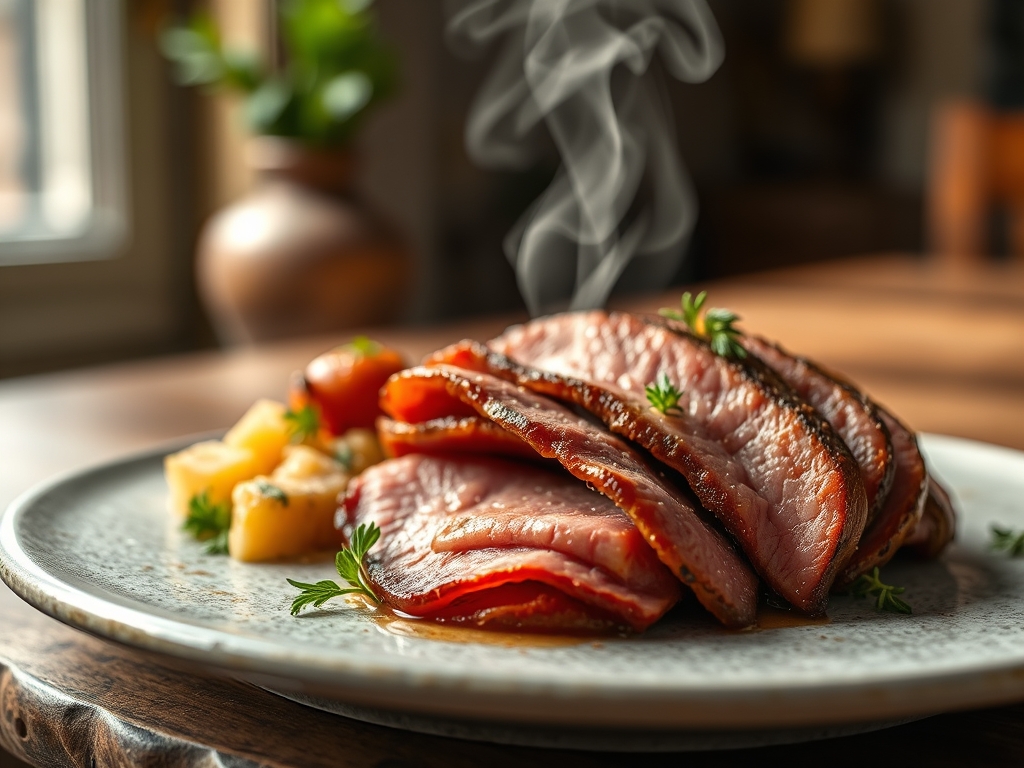
Picture this: a brisk morning where the air smells of hickory and the promise of a salt-cured masterpiece. You are standing by the smoker, coffee in hand, waiting for that first puff of blue smoke to kiss a ruby-red brisket. Most people think of this cut as a boiled, gray afterthought served once a year; however, when you dive into professional smoked corned beef recipes, you realize it is actually the ultimate canvas for wood-fired transformation. We are moving beyond the crockpot and into the realm of deep, mahogany barks and fat that melts like butter. This is not just cooking; it is a three-day orchestration of salt, heat, and smoke. We are going to take that piquant, brined brisket and elevate it using high-level pitmaster techniques. By the time we are done, you will have a crust so dark and flavorful it rivals the best Texas BBQ, yet retains that signature Irish tang. Grab your apron; we are about to turn a humble deli staple into a backyard legend.
The Gathers:
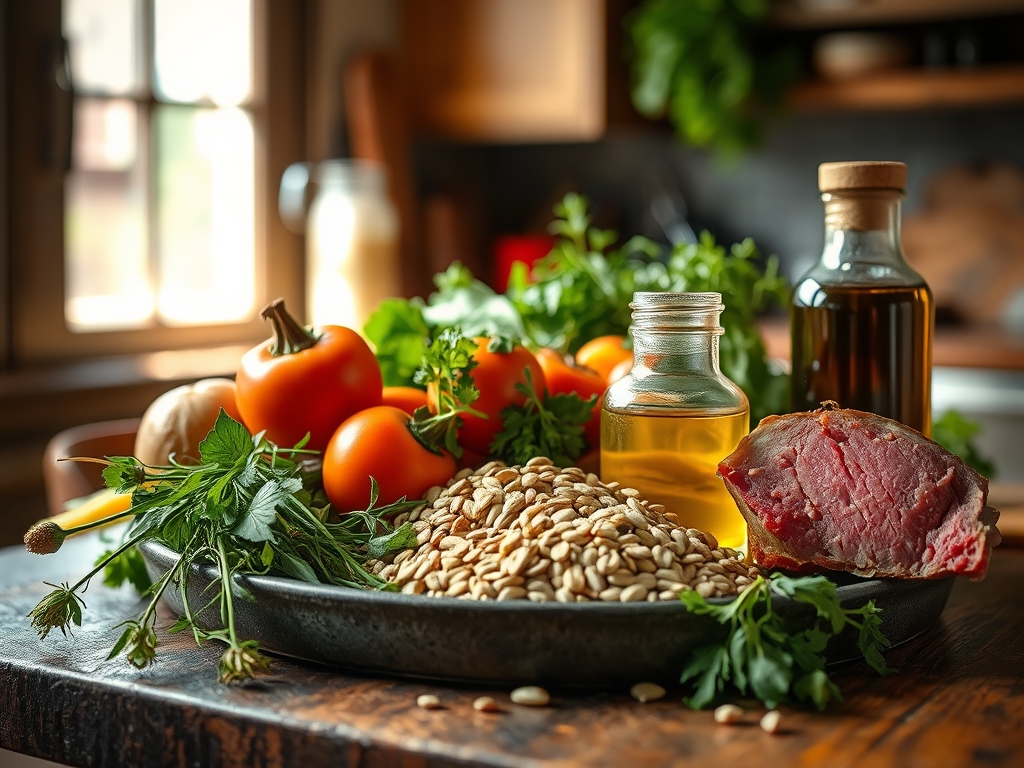
To achieve a world-class result, your mise-en-place must be precise. Start with a four to five-pound point-cut corned beef brisket. The point cut contains more intramuscular fat than the flat, which is essential for a long smoke to prevent the meat from becoming fibrous or dry. You will need a digital scale to measure your rub ingredients accurately; consistency is the hallmark of a pro. The rub requires toasted black peppercorns, coriander seeds, and mustard seeds. Use a heavy-bottomed skillet to toast these spices until they become fragrant and volatile oils begin to release.
For the braising liquid, gather beef bone broth, a dark stout beer for depth, and smashed garlic cloves. You will also need a saucier to reduce your glaze later in the process. Smart Substitutions: If you are watching your sodium, soak the brisket in cold water for at least eight hours, changing the water twice, to desalinate the exterior. If you cannot find a pre-brined brisket, you can brine a fresh brisket yourself using pink curing salt (Prague Powder #1), though this adds five days to your timeline. For a spicy kick, swap black pepper for crushed Aleppo pepper to add a fruity, mild heat.
The Clock:
Mastering the "Chef's Flow" is about managing momentum rather than just watching a timer. Total active prep time is roughly 30 minutes, but the passive time is where the magic happens.
Desalination: 8 to 12 hours (overnight).
Smoke Time: 5 to 6 hours at 250 degrees Fahrenheit.
The Stall/Wrap: 2 to 3 hours until an internal temperature of 203 degrees Fahrenheit is reached.
The Rest: 1 to 2 hours in an insulated cooler.
The flow begins the night before. By soaking the meat early, you ensure the salt levels are balanced. On the day of the cook, your primary focus is fire management for the first four hours. Once the meat is wrapped, your workload drops, allowing you to prep sides or a viscous mustard glaze.
The Masterclass:
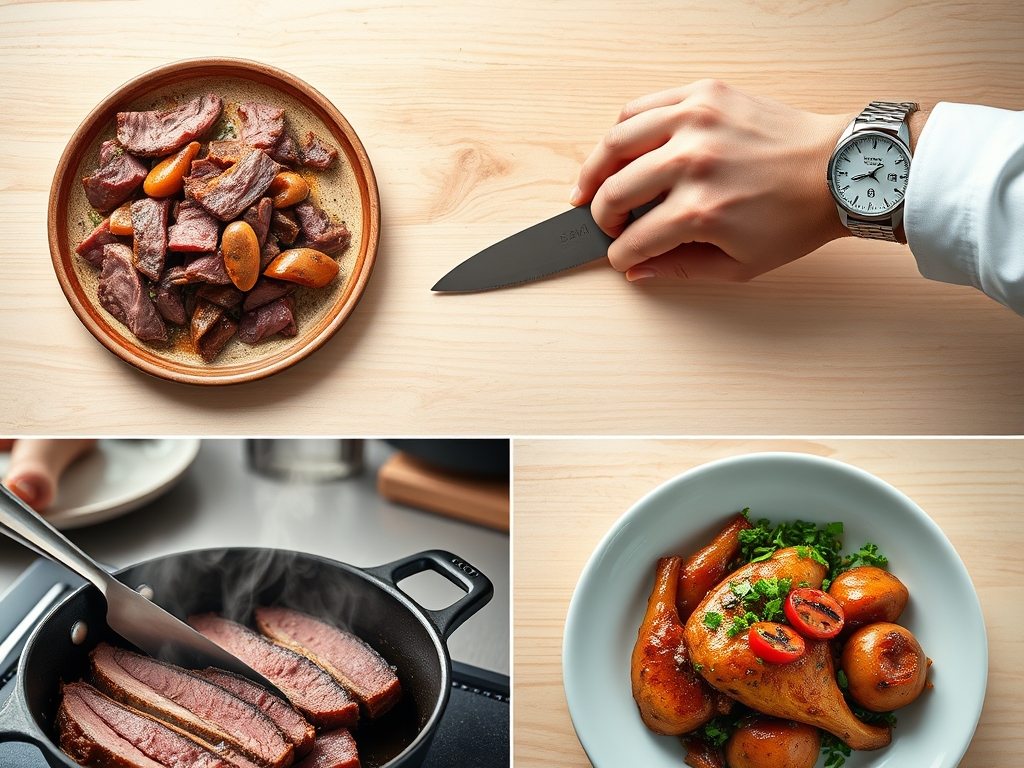
1. The Desalination Bath
Submerge your brisket in a large container of filtered water. This process uses osmotic pressure to pull excess nitrates and salt out of the meat fibers.
Pro Tip: This step is vital because smoking concentrates flavors. If you skip this, the reduction of moisture during the cook will leave the meat aggressively salty and nearly inedible.
2. The Spice Application
Pat the meat bone-dry with paper towels. Apply a thin layer of yellow mustard as a binder, then coat heavily with your toasted, cracked spice blend. Use a bench scraper to tidy up your workspace after seasoning.
Pro Tip: Moisture is the enemy of the Maillard reaction. Drying the surface ensures the smoke adheres to the proteins rather than sliding off in a pool of steam.
3. Clean Smoke Management
Preheat your smoker to 250 degrees Fahrenheit using oak or cherry wood. Place the brisket fat-side up to allow the rendering lipids to bathe the muscle fibers.
Pro Tip: Use a "blue smoke" profile. Thick white smoke contains creosote, which creates a bitter, medicinal taste on the tongue. Aim for a nearly invisible shimmer of exhaust.
4. Navigating The Stall
When the internal temperature hits 160 degrees Fahrenheit, the meat will stop rising in temperature. This is "the stall," caused by evaporative cooling. Wrap the brisket tightly in peach butcher paper or heavy-duty foil with a splash of stout.
Pro Tip: Wrapping creates a mini-pressure cooker environment, accelerating the collagen-to-gelatin conversion which results in that coveted "jiggle" texture.
5. The Probe Tender Finish
Continue cooking until a thermometer probe slides into the thickest part of the meat like it is piercing room-temperature butter. This usually occurs between 201 and 205 degrees Fahrenheit.
Pro Tip: Trust the feel over the number. Thermal carryover will cause the temperature to rise another 3 to 5 degrees after you remove it from the heat.
6. The Long Rest
Place the wrapped brisket in a dry cooler or a room-temperature oven for at least 90 minutes.
Pro Tip: Resting allows the muscle fibers to relax and reabsorb the rendered fats. Cutting too early causes the internal juices to purge, leaving you with dry meat.
7. Slicing Against the Grain
Identify the direction of the muscle fibers. Use a long, serrated slicing knife to cut thin strips perpendicular to those fibers.
Pro Tip: Slicing against the grain shortens the protein strands, making every bite feel significantly more tender on the palate.
8. The Glaze Reduction
While the meat rests, take the juices from the foil and simmer them in a saucier with a tablespoon of honey and grainy mustard.
Pro Tip: Reducing the liquid concentrates the sugars and proteins, creating a glaze that perfectly balances the smoky, salty profile of the beef.
The Deep Dive:
Macro Nutrition: A 4-ounce serving of smoked corned beef provides roughly 280 calories, 18g of protein, and 22g of fat. It is a high-protein, zero-carb option, though the sodium content remains high even after soaking.
Dietary Swaps: For a Keto version, ensure your rub and glaze contain no added sugars or honey; use monk fruit sweetener instead. For a Vegan alternative, use the same spice rub on a large head of "corned" cauliflower or seitan, though the cook time will drop to 45 minutes. This recipe is naturally Gluten-Free as long as you swap the stout beer for a GF ale or extra beef broth.
The Fix-It:
- Too Salty: If the finished product is a salt bomb, slice it thin and simmer the slices in unsalted beef broth for 10 minutes to leach out the excess.
- Too Tough: This means the collagen hasn't fully rendered. Wrap it back up with liquid and return it to a 300-degree oven until it reaches probe-tenderness.
- No Bark: If your crust is soft, unwrap the meat for the last 30 minutes of the cook to allow the surface to dehydrate and crisp up.
Meal Prep: To reheat without losing quality, use a sous-vide circulator at 165 degrees Fahrenheit. Alternatively, place slices in a pan with a tablespoon of water, cover tightly with foil, and heat at 300 degrees. This creates a steam-reheating effect that prevents the fat from oxidizing and tasting "warmed over."
The Wrap-Up:
You did it! You have successfully navigated the science of smoke and salt to create a masterpiece. Smoked corned beef is a testament to patience; it is the ultimate reward for anyone willing to master the fire. Whether you are piling it high on rye bread with melted Swiss or serving it as the star of a rustic platter, this meat is guaranteed to start conversations. Remember, the secret is in the rest and the desalting. Now, grab those tongs, carve up that beautiful brisket, and enjoy the fruits of your labor. You are officially the smartest pitmaster on the block!
The Kitchen Table:
How do I keep smoked corned beef from being too salty?
Always soak the brisket in cold, filtered water for at least 8 to 12 hours before smoking. Change the water at least twice. This process uses osmosis to draw out excess curing salts from the interior of the meat.
What wood is best for smoked corned beef recipes?
Fruitwoods like cherry or apple provide a subtle sweetness that complements the brine. For a bolder flavor, use oak or hickory. Avoid mesquite, as its intense, resinous smoke can easily overwhelm the piquant spices of the corned beef rub.
Can I smoke a pre-cooked corned beef from the deli?
No, pre-cooked beef has already reached its final temperature. Re-smoking it would result in a dry, rubbery texture. Always start with a raw, brined "ready-to-cook" brisket to allow the smoke to penetrate the raw proteins and render the fat.
Why is my smoked corned beef still tough at 190 degrees?
Corned beef is high in connective tissue. Collagen only begins to melt into gelatin between 160 and 180 degrees. If it is tough, the fibers haven't broken down yet. Continue cooking until it reaches 203 degrees for a tender, buttery finish.