
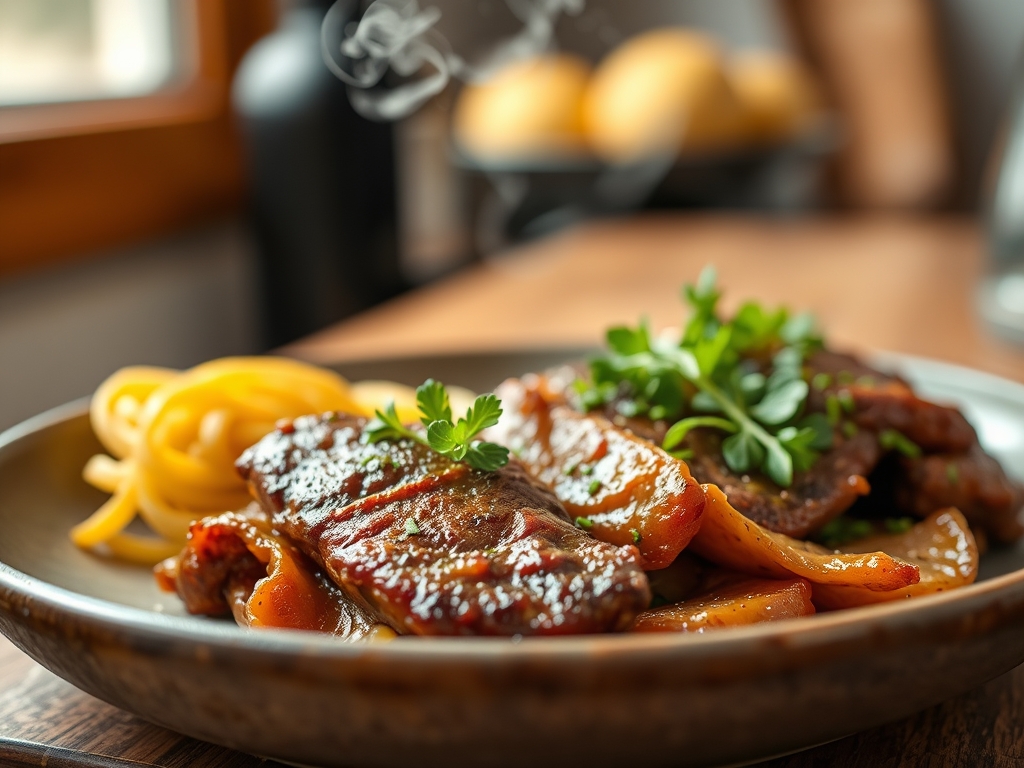
Picture the sharp hiss of a heavy-bottomed skillet meeting a room-temperature flank steak. The air instantly thickens with the scent of toasted amino acids and rendering fat. When life moves at full throttle, you need quick and easy beef recipes that do not sacrifice the complex, savory depth of a slow-braised meal. We are hacking the Maillard reaction to get dinner on the table in under twenty minutes.
I have spent years obsessing over the molecular behavior of protein under high heat. To master these dishes, you must understand that beef is a structural masterpiece of muscle fibers and connective tissue. By selecting thin cuts and utilizing high-surface-area techniques, we can achieve professional-grade results in the time it takes to boil water. Whether you are craving a piquant ginger stir-fry or a buttery garlic steak bite, the secret lies in the physics of the sear. We are moving beyond basic home cooking into the realm of culinary efficiency. These six recipes represent the pinnacle of weeknight luxury; they are fast, fierce, and scientifically sound.
The Gathers:
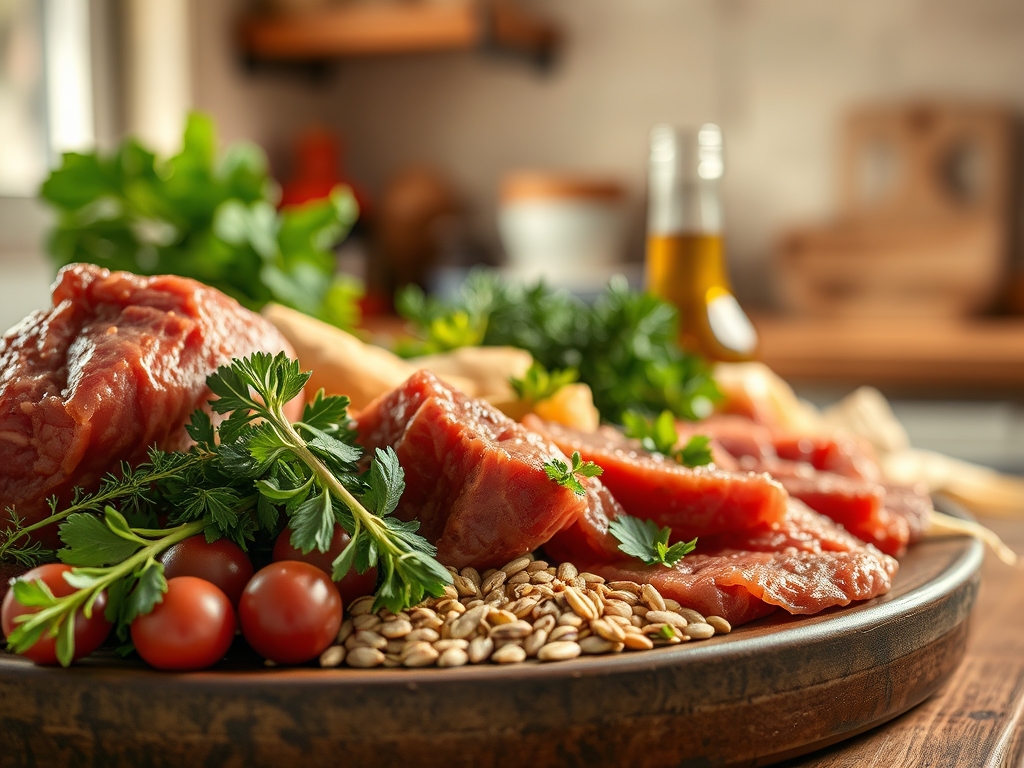
Your mise-en-place is the difference between a controlled sear and a frantic scramble. For these quick and easy beef recipes, start with high-quality proteins like skirt steak, sirloin tips, or shaved ribeye. These cuts have a higher ratio of intramuscular fat, which ensures they remain succulent even during rapid dehydration at high temperatures. You will also need a viscous soy sauce or liquid aminos to provide the base for your pan sauces.
Gather your aromatics. Fresh ginger and garlic should be prepped using a microplane to maximize surface area, allowing their essential oils to infuse the oil instantly. Keep a high-smoke-point fat nearby; avocado oil or clarified butter (ghee) are superior to extra virgin olive oil because they will not break down into acrid compounds at 400 degrees Fahrenheit.
Smart Substitutions: If you cannot find skirt steak, use a flat iron steak for a similar texture. For those avoiding soy, coconut aminos offer a piquant sweetness that mimics the depth of fermented legumes. If you lack a traditional wok, a wide heavy-bottomed skillet is your best friend for maintaining thermal mass.
The Clock: 15 Minutes to Glory
The "Chef's Flow" is about overlapping tasks to eliminate dead time. In these recipes, prep takes exactly seven minutes, while active cooking spans eight. While your skillet preheats, you slice. While the meat rests, you deglaze. This rhythmic cadence ensures that no component sits long enough to become flaccid or cold. We are aiming for a total "plate-to-palate" time of twenty minutes maximum.
The Masterclass:
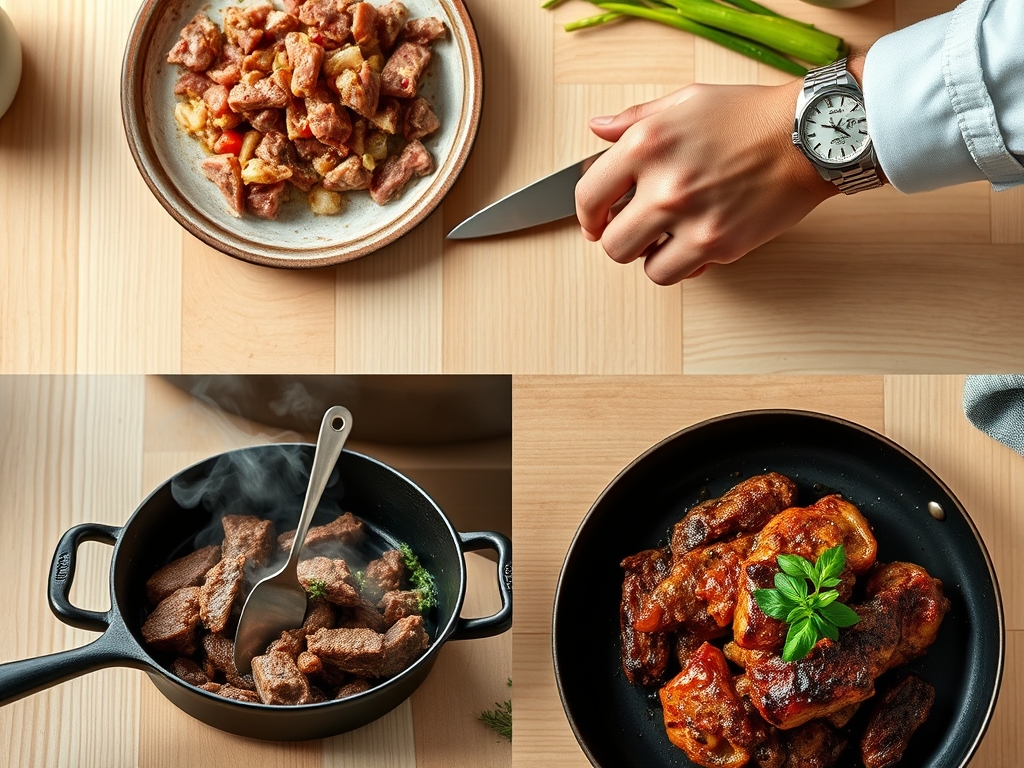
1. The High-Heat Sear
Pat your beef dry with paper towels until the surface is matte. Moisture is the enemy of the Maillard reaction; if the surface is wet, the energy of the pan goes into evaporating water rather than browning the protein.
Pro Tip: This is known as latent heat of vaporization. By removing surface moisture, you allow the temperature to climb rapidly above 300 degrees Fahrenheit, triggering the chemical reaction between amino acids and reducing sugars that creates that "meaty" flavor.
2. The Sizzling Aromatics
Once the beef is browned, push it to the perimeter of the pan. Drop your microplaned garlic and ginger into the center "hot zone" with a teaspoon of oil.
Pro Tip: This technique is blooming. Fat-soluble flavor compounds in aromatics are released more efficiently when toasted in oil than when simmered in water-based liquids.
3. The Deglaze and Emulsify
Pour your liquid base (broth, soy, or wine) into the pan. Use a bench scraper or wooden spoon to lift the browned bits from the bottom.
Pro Tip: Those stuck-on bits are called fond. They are concentrated pockets of flavor. Deglazing creates a pan sauce through emulsification, where the fats from the beef bind with the liquid to create a silky, viscous coating.
4. The Quick Toss
Return the beef to the center of the pan and toss vigorously using tongs. You want every millimeter of the protein coated in the reduction.
Pro Tip: Avoid overcooking at this stage. You are looking for thermal carryover, where the internal temperature continues to rise by 5 to 10 degrees even after you kill the heat.
5. The Acid Finish
Squeeze fresh lime or a dash of rice vinegar over the dish just before serving.
Pro Tip: Acid acts as a flavor brightener. It cuts through the richness of the rendered beef fat and balances the pH of the dish, making the savory notes "pop" on your tongue.
6. The Rest
Transfer the beef to a warm plate and let it sit for three minutes.
Pro Tip: Resting allows the muscle fibers, which tightened during cooking, to relax. This enables the reabsorption of juices into the center of the meat, ensuring a tender bite rather than a puddle of liquid on your plate.
The Deep Dive:
From a macro perspective, beef is a nutritional powerhouse, providing high-density heme iron and B12. A standard 6-ounce serving in these recipes offers roughly 42 grams of protein. For a Keto version, swap out any cornstarch thickeners for a pinch of xanthan gum. Gluten-Free diners should reach for Tamari instead of traditional soy sauce.
The Fix-It:
- Tough Meat: You likely sliced with the grain. Always slice perpendicular to the muscle fibers to shorten them, making the beef easier to chew.
- Gray Meat: The pan was overcrowded. Cook in batches to maintain high heat; otherwise, the meat will steam in its own juices.
- Burnt Garlic: You added it too early. Aromatics only need 30 to 60 seconds of direct heat to release their essence.
Meal Prep Science: To reheat and maintain "day-one" quality, avoid the microwave's erratic agitation of water molecules. Instead, use a saucier over low heat with a tablespoon of broth to gently re-steam the protein without overcooking the core.
The Wrap-Up:
Mastering quick and easy beef recipes is about respecting the chemistry of the kitchen. By controlling moisture, maximizing surface area, and understanding the power of a hard sear, you can transform humble ingredients into a five-star experience in minutes. Put down the takeout menu; you have the tools, the science, and the flavor to dominate dinner tonight.
The Kitchen Table:
How do I make beef tender for quick recipes?
Always slice the beef thinly against the grain. This physically breaks up the long muscle fibers, making even tougher cuts like flank steak feel incredibly tender after a rapid, high-heat sear in a heavy skillet.
What is the best oil for searing beef?
Use oils with a high smoke point, such as avocado, grapeseed, or canola oil. These fats can withstand the 400-degree temperatures required for the Maillard reaction without breaking down or producing bitter, smoky off-flavors in your dish.
Can I use frozen beef for quick recipes?
Yes, but you must thaw it completely and pat it dry. Excess moisture from ice crystals will cause the beef to steam rather than sear, resulting in a gray color and a lack of savory, browned flavor.
Why is my stir-fry beef watery?
You likely overcrowded the pan. When too much cold meat is added at once, the pan temperature drops, causing the beef to release its juices and boil. Cook in small batches to ensure a crisp, golden-brown crust every time.