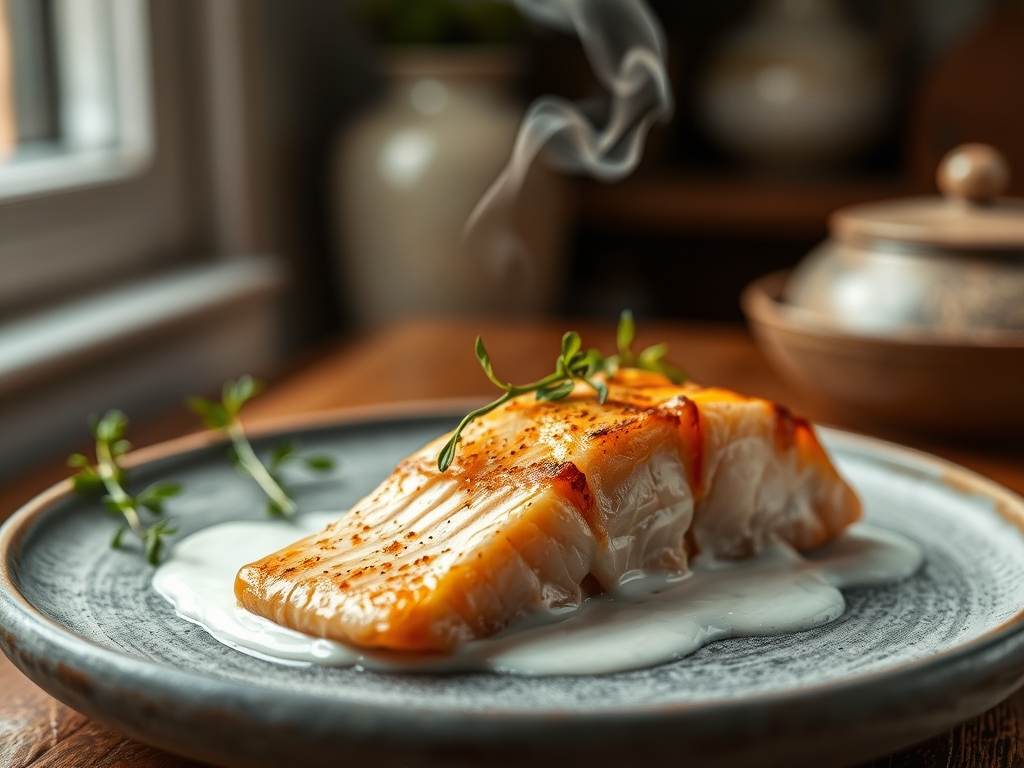
Picture the scene: a heavy-bottomed skillet rests on the burner; its surface is shimmering with a thin veil of oil. You drop a cold fillet of Atlantic salmon into the heat; the sizzle is immediate and aggressive. This is the beginning of the ultimate comfort sequence. When we talk about coconut milk and salmon recipes, we are really talking about the marriage of fatty acids. The rich, medium-chain triglycerides in the coconut milk act as a high-density carrier for aromatics; meanwhile, the omega-3 oils in the fish provide a buttery mouthfeel that water-based sauces simply cannot replicate.
The alchemy happens the moment that thick, white cream hits the pan. It deglazes the fond left behind by the searing fish; it picks up every charred molecule of flavor. We are not just making dinner; we are engineering a complex emulsion that balances heat, acidity, and fat. Whether you are craving a Thai-inspired red curry or a mild turmeric-infused broth, these coconut milk and salmon recipes offer a masterclass in texture. Let's get into the chemistry of why this works and how you can master it in your own kitchen.
The Gathers:
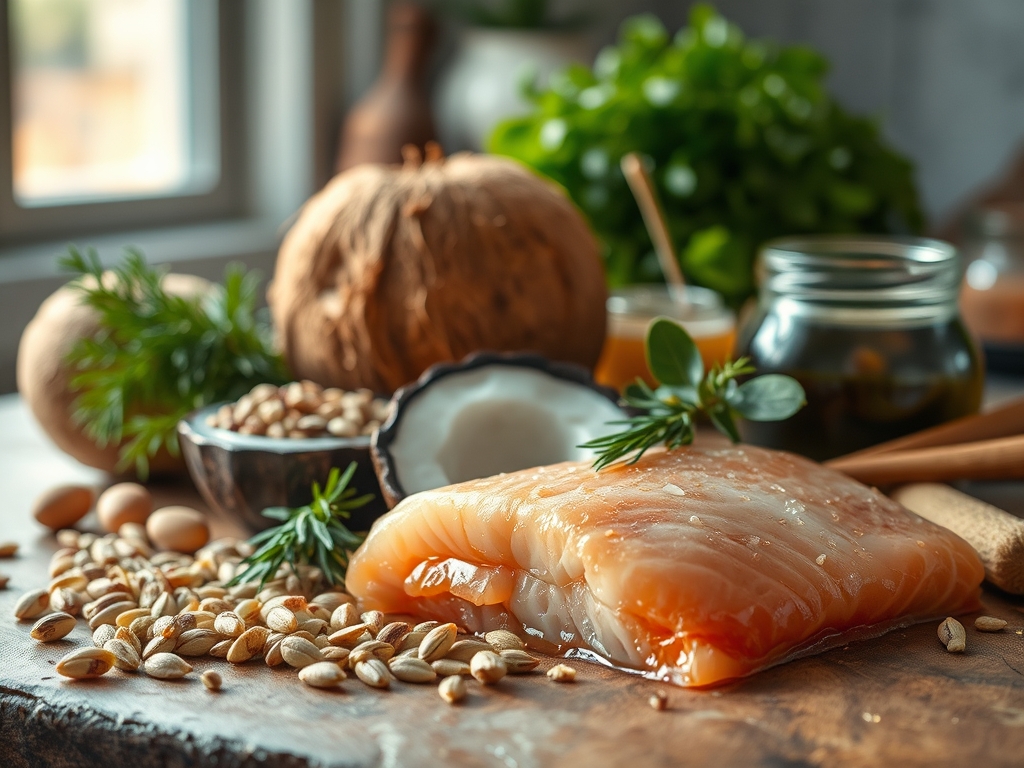
To execute these recipes with precision, your mise-en-place must be flawless. Start with your protein: six-ounce fillets of skin-on salmon are ideal because the skin acts as a thermal insulator during the initial sear. You will need full-fat, canned coconut milk; avoid the "light" versions as they lack the necessary viscosity to coat the back of a spoon. For the aromatics, gather fresh galangal or ginger, garlic, and shallots. Use a microplane to grate these into a fine paste; this increases the surface area for rapid flavor extraction.
Smart Substitutions are your secret weapon for dietary flexibility. If you find yourself without fresh lemongrass, a teaspoon of lemon zest mixed with a drop of ginger juice provides a similar piquant profile. For those watching sodium, replace fish sauce with a high-quality liquid aminos. If you prefer a thicker sauce without the extra fat, a small amount of arrowroot powder slurry can provide that glossy, thick finish without altering the flavor profile of the coconut base.
The Clock:
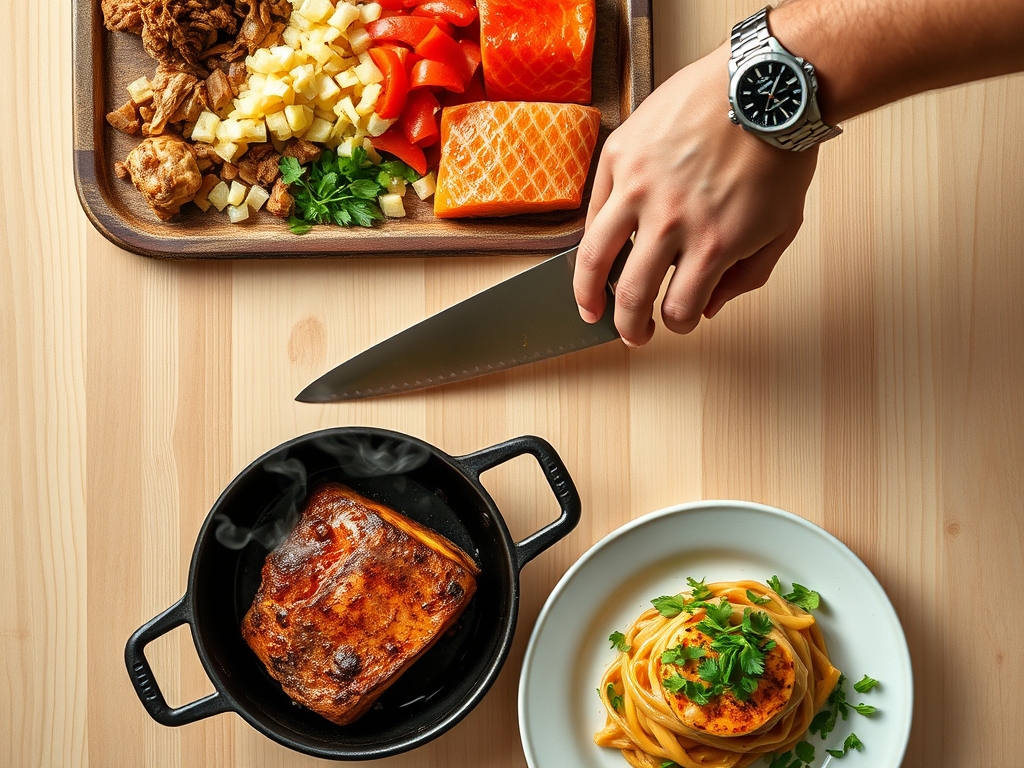
Efficiency in the kitchen is about "Chef's Flow," which is the art of overlapping tasks to minimize downtime. The prep phase for these recipes takes exactly fifteen minutes. This involves the mechanical breakdown of aromatics and the portioning of the fish. Use a bench scraper to move your chopped ingredients from the board to the pan efficiently; this keeps your station clean and prevents the loss of precious juices.
The cooking phase is a swift twelve-minute sprint. Five minutes are dedicated to rendering the fat and crisping the salmon skin; the remaining seven minutes are for simmering the sauce and poaching the fish to a perfect medium-rare. Total time from fridge to table is under thirty minutes. By the time your rice or quinoa has finished steaming, your curry will be at its peak serving temperature.
The Masterclass:
1. The High-Heat Sear
Place your heavy-bottomed skillet over medium-high heat until the oil reaches its smoke point. Pat the salmon dry with a paper towel to remove surface moisture; this is essential for the Maillard reaction. Place the fish skin-side down and press firmly with a spatula for thirty seconds.
Pro Tip: This initial pressure prevents the protein fibers from curling as they contract. The science here is thermal conductivity; by ensuring maximum surface contact, you create a crisp, golden crust that protects the delicate flesh above.
2. Aromatic Infusion
Remove the fish and set it aside on a warm plate. Lower the heat and add your paste of ginger, garlic, and chili. Use a saucier or a whisk to move the aromatics constantly so they do not burn.
Pro Tip: This process is called "blooming" the spices. Many flavor compounds are fat-soluble rather than water-soluble; frying them in the residual salmon fat unlocks aromatic notes that would remain dormant in a boiling liquid.
3. Emulsifying the Base
Pour in the coconut milk and use a wooden spoon to scrape the bottom of the pan. This is the deglazing phase. Bring the liquid to a gentle simmer; do not let it reach a rolling boil.
Pro Tip: Boiling coconut milk can cause it to "split," where the fat separates from the solids. By maintaining a gentle simmer, you preserve the emulsion and ensure a silky, viscous texture that clings to the salmon.
4. The Poach and Finish
Slide the salmon back into the simmering liquid, skin-side up. This allows the flesh to finish cooking through gentle poaching while keeping the skin crisp. Use a digital scale to measure out your final squeeze of lime juice for perfect acidity balance.
Pro Tip: This stage utilizes "thermal carryover." Remove the pan from the heat when the internal temperature of the salmon is 125 degrees Fahrenheit. The residual heat in the sauce will bring the fish to a perfect 130 degrees during the two-minute resting period.
The Deep Dive:
From a nutritional standpoint, these coconut milk and salmon recipes are a powerhouse of healthy fats. One serving typically provides 35 grams of high-quality protein and a significant dose of potassium and magnesium. For Keto followers, this is a "holy grail" meal because the fat-to-protein ratio is naturally aligned with ketogenic macros. If you are cooking for a vegan guest, firm tofu or cauliflower steaks can be swapped for the salmon; the coconut base remains the same.
"The Fix-It" guide for common pitfalls:
- The Split Sauce: If your sauce breaks, whisk in a tablespoon of warm coconut cream or a splash of hot water very quickly to re-emulsify the fats.
- Soggy Skin: This happens if the salmon is submerged. Always place the fish skin-side up in the sauce and never cover the pan with a lid, which creates steam.
- Muted Flavor: If the curry tastes flat, it usually needs acidity. A splash of rice vinegar or lime juice will "brighten" the molecules and make the flavors pop.
For meal prep, reheating salmon is a delicate science. To avoid a "fishy" aroma and dry texture, reheat the sauce separately in a pan until simmering. Place the cold salmon in the sauce, cover, and turn off the heat. Let it sit for five minutes. This gentle warming method prevents the proteins from over-coagulating, maintaining that "day-one" flake and moisture.
The Wrap-Up:
Mastering coconut milk and salmon recipes is about more than just following a list of steps; it is about understanding the physics of fat and heat. When you treat the salmon with respect by searing it properly and you treat the coconut milk with care by simmering it gently, the result is a restaurant-quality dish that feels like a warm hug. It is sophisticated enough for a dinner party but fast enough for a Tuesday night. Now, grab your tongs and your favorite skillet; it is time to turn these scientific principles into something delicious.
The Kitchen Table:
How do I prevent the coconut milk from curdling?
Avoid high heat. Keep the liquid at a gentle simmer and never let it reach a rolling boil. Adding a splash of room-temperature coconut milk at the end can also help stabilize the emulsion if it looks grainy.
Can I use frozen salmon for these recipes?
Yes, but ensure it is completely thawed and patted dry. Excess moisture on the surface of frozen fish will prevent a proper sear and cause the fish to steam rather than fry, resulting in a rubbery texture.
What is the best way to store leftovers?
Store the salmon and sauce in an airtight glass container for up to two days. Glass is preferable to plastic as it does not retain the oils or the strong aromatic scents of the curry spices.
Is wild-caught salmon better than farmed for curry?
Wild salmon is leaner and has a more robust flavor, which stands up well to heavy spices. Farmed salmon has a higher fat content, which makes it incredibly buttery when paired with the richness of coconut milk.