
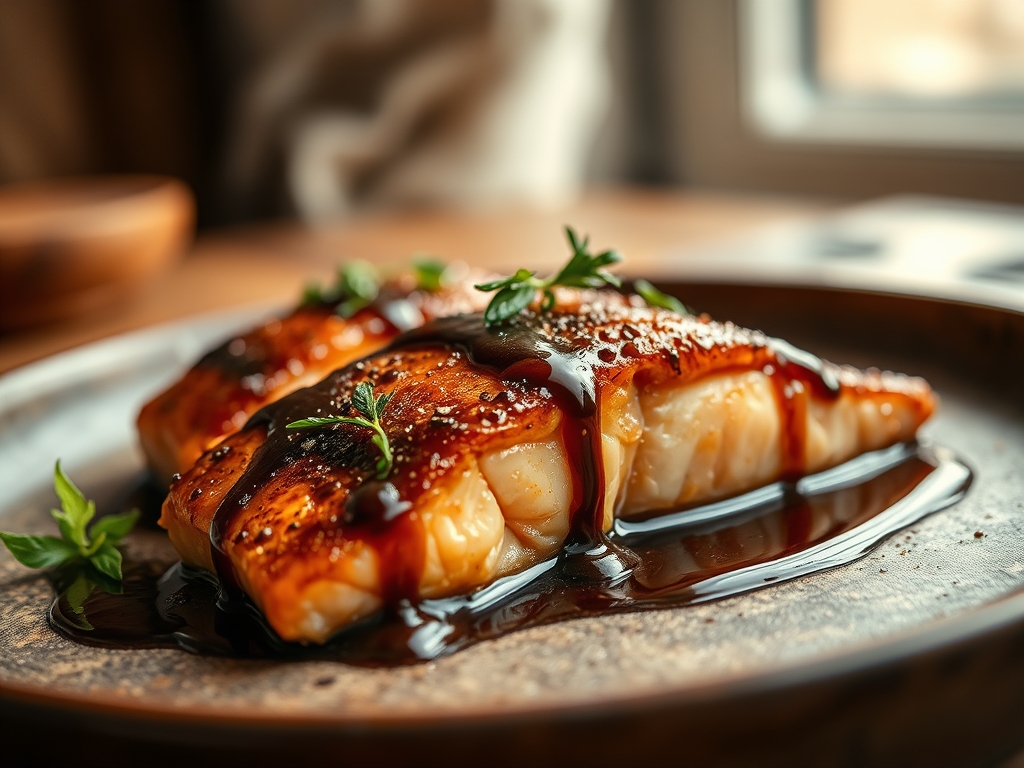
Imagine the sound of a heavy-bottomed stainless steel skillet meeting a high-heat flame; it is the rhythmic percussion of a kitchen about to create magic. You are standing there with a fillet of cold, fatty Atlantic fish, ready to transform it into a masterpiece of acidity and sweetness. When you master balsamic salmon recipes, you are not just cooking dinner; you are orchestrating a complex chemical reaction between amino acids and reducing sugars. The air fills with a sharp, piquant aroma as the vinegar hits the hot surface, signaling the start of a deep reduction that will coat your palate in velvet. This dish is the ultimate weeknight flex because it looks like a three-hour labor of love but actually relies on the rapid-fire physics of pan-searing and the thick, viscous nature of aged grape must. We are going to dive into the molecular mechanics that make this glaze cling to the protein fibers, ensuring every bite is a balanced explosion of umami and tang. Grab your apron; we are going deep into the science of the sear.
The Gathers:
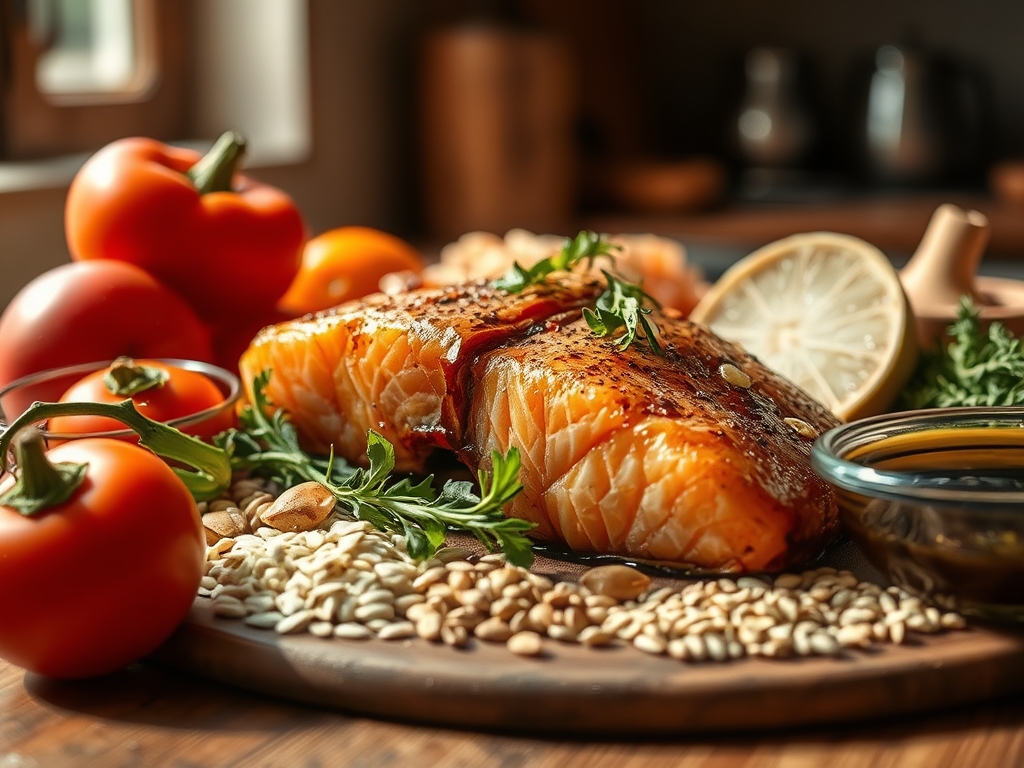
To achieve a restaurant-grade finish, your mise-en-place must be precise. Start with high-quality salmon fillets, ideally center-cut for uniform thickness to ensure even heat distribution. You will need a bottle of balsamic vinegar of Modena; look for one with a high density to ensure it reduces into a syrup rather than evaporating into steam. For the aromatics, reach for fresh garlic and a sprig of rosemary. Use a microplane to zest a lemon, which adds a bright citrus note to cut through the heavy lipids of the fish.
The supporting cast includes a high-smoke-point oil, such as avocado or grapeseed oil, to prevent acrid flavors during the initial sear. You will also need honey or maple syrup to act as a catalyst for the Maillard reaction. For seasoning, use kosher salt for its jagged crystal structure that adheres better to raw flesh, and freshly cracked black pepper for a pungent bite.
Smart Substitutions:
If you are out of balsamic, a combination of red wine vinegar and brown sugar can mimic the acidity and sweetness. For a soy-free umami boost, swap the traditional salt for coconut aminos. If you prefer a woodier profile, use smoked paprika in the dry rub to simulate a cedar-plank environment without the actual grill.
The Clock:
Mastering the "Chef's Flow" is about timing your movements to match the thermal properties of your ingredients. Total preparation time is roughly 10 minutes, mostly dedicated to patting the fish dry and whisking the glaze in a small saucier. The actual cooking time is a swift 8 to 12 minutes depending on the thickness of your fillets.
The flow begins with the "chill-pull," where you take the salmon out of the refrigerator 15 minutes early to take the edge off the cold. This prevents the "rebound effect" where the outside overcooks while the center remains raw. While the fish rests, you whisk your glaze. Once the skillet is screaming hot, the pace accelerates. You spend 4 minutes on the skin side to render the fat, 3 minutes on the flip, and a final 2 minutes for the glaze to emulsify and thicken. Total investment: 25 minutes for a five-star result.
The Masterclass:
1. The Desiccation Ritual
Use a paper towel to aggressively pat the salmon skin and flesh until bone-dry. Moisture is the enemy of a crisp crust; any residual water will create a layer of steam that prevents the fish from making direct contact with the oil.
Pro Tip: This is known as preventing evaporative cooling. If the surface is wet, the energy of the pan goes into boiling the water rather than browning the protein. A dry surface allows the temperature to exceed 300 degrees Fahrenheit instantly, triggering the Maillard reaction.
2. The High-Heat Introduction
Heat your heavy-bottomed skillet until the oil shimmers and barely begins to smoke. Place the salmon skin-side down using metal tongs, pressing gently with a flexible fish spatula to ensure the entire surface area of the skin makes contact with the metal.
Pro Tip: This initial contact causes protein denaturation. By pressing down, you prevent the skin from curling as the collagen fibers contract, resulting in an even, glass-like crunch across the entire base of the fillet.
3. The Flip and Deglaze
Once the skin releases naturally from the pan, flip the fish. Immediately pour your balsamic mixture into the empty spaces of the skillet. The liquid will bubble violently; use a whisk or a spoon to stir the glaze as it interacts with the rendered salmon fat.
Pro Tip: This is the deglazing phase. The acetic acid in the vinegar dissolves the "fond," which are the caramelized protein bits stuck to the pan. This incorporates concentrated savory flavors directly into your sauce.
4. The Glaze Reduction
Spoon the bubbling liquid over the top of the salmon repeatedly. This technique, known as "arroser," coats the fish in a shimmering lacquer. Continue until the sauce reaches a "nappe" consistency, meaning it is thick enough to coat the back of a spoon.
Pro Tip: This works through reduction and concentration. As water evaporates from the vinegar and honey, the sugar molecules become more densely packed, creating a viscous syrup that clings to the fish via surface tension.
5. The Thermal Carryover Rest
Remove the salmon from the heat when the internal temperature hits 125 degrees Fahrenheit. Transfer it to a warm plate and pour the remaining glaze over it. Let it rest for at least three minutes before serving.
Pro Tip: This accounts for carryover cooking. The residual heat in the outer layers of the fish will continue to move toward the center, raising the internal temperature to a perfect medium-rare 135 degrees without drying out the exterior.
The Deep Dive:
From a nutritional standpoint, balsamic salmon recipes are a powerhouse. A standard 6-ounce serving provides roughly 34 grams of high-quality protein and is rich in Omega-3 fatty acids, which are essential for cognitive function. The balsamic reduction adds roughly 45 calories per serving, mostly from natural sugars, but it provides a significant dose of polyphenols and antioxidants.
Dietary Swaps:
- Keto: Replace the honey in the glaze with a monk fruit sweetener or allulose to keep the net carbs near zero.
- Vegan: This glaze works beautifully on "salmon" steaks made from marinated, steamed, and seared blocks of extra-firm tofu or thick slices of cauliflower.
- Gluten-Free: Ensure your balsamic vinegar is certified GF, as some lower-end brands use caramel coloring derived from barley.
The Fix-It:
- The Glaze is Too Thin: If your sauce looks like soup, remove the fish and continue boiling the liquid for 60 seconds. The increased heat will drive off more moisture, thickening the sugars.
- The Skin is Soggy: You likely flipped too early. Wait for the "release." If the fish sticks, the crust hasn't formed yet.
- The Garlic Tastes Bitter: You probably added the aromatics too early. Add minced garlic only in the last two minutes of cooking to prevent the sulfur compounds from burning.
Meal Prep:
To reheat without turning your fish into rubber, avoid the microwave. Use a toaster oven at 275 degrees Fahrenheit with a splash of water covered by foil. This creates a mini-steam chamber that re-hydrates the protein fibers while keeping the glaze tacky.
The Wrap-Up:
You now hold the keys to the balsamic kingdom. By understanding the interplay between heat, acidity, and protein structure, you have elevated a simple piece of fish into a culinary event. Remember that great cooking is 10 percent recipe and 90 percent technique. Keep your pans hot, your fish dry, and your vinegar high-quality. Go forth and sear with confidence; your kitchen table is waiting for its glow-up.
The Kitchen Table:
How do I stop the salmon from sticking?
Ensure your skillet is properly preheated before adding oil. Use a thin, flexible fish spatula to gently test the edges. If the fish does not lift easily, the proteins are still bonding to the metal; wait another 30 seconds.
Can I use cheap balsamic vinegar?
Inexpensive balsamic is often thin and acidic. If using a budget brand, add an extra teaspoon of honey or brown sugar. This helps the liquid reach the necessary viscosity to glaze the fish effectively without becoming overly sour.
What is the best internal temperature for salmon?
For a buttery, moist texture, aim for an internal temperature of 130 to 135 degrees Fahrenheit. Pull the fish off the heat at 125 degrees, as carryover cooking will finish the process while the fish rests on the plate.
Why did my balsamic glaze turn into hard candy?
You over-reduced the sugars. If the glaze becomes too thick or tacky, immediately whisk in a tablespoon of warm water or lemon juice. This thins the syrup and restores the pourable, glossy consistency needed for a perfect finish.