
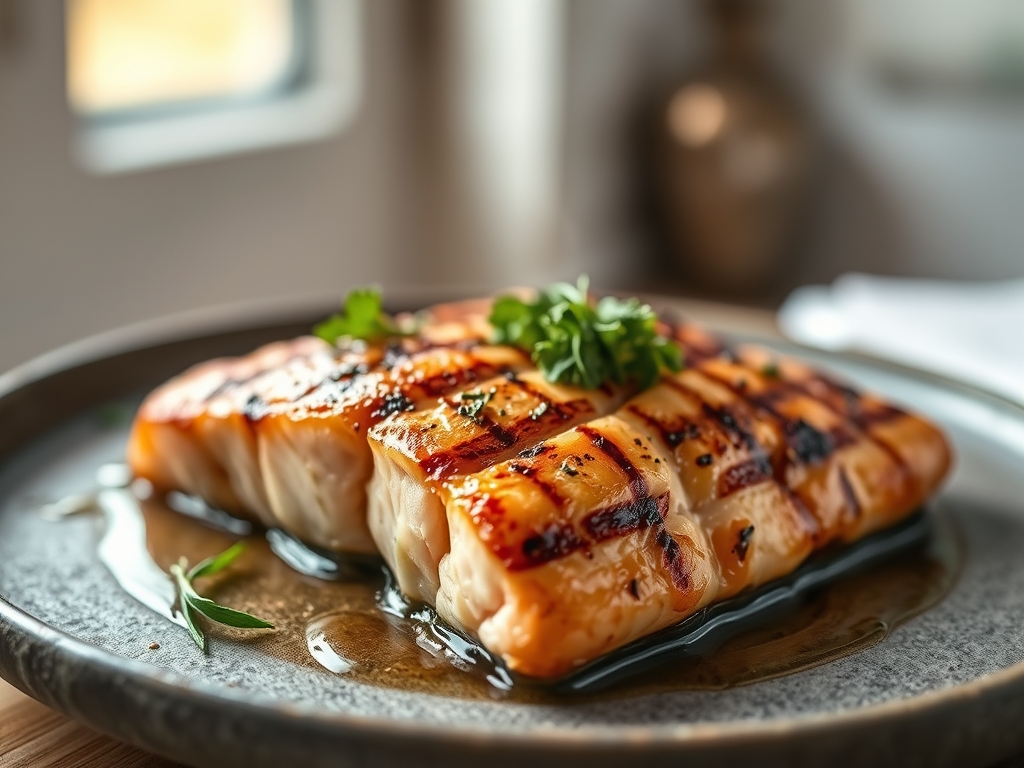
Picture a warm, golden evening where the air carries the scent of charred cedar and citrus. You are standing over a shimmering grate, watching as a glaze transforms into a lacquered mahogany crust. This is the magic of the best marinated grilled salmon recipes; they turn a simple fillet into a culinary masterpiece through the power of chemistry and heat.
Most people treat a marinade like a quick bath, but we are going to treat it like a structural upgrade. We are talking about deep cellular infusion where acids tenderize the protein while sugars prepare for a glorious Maillard reaction. This is not just dinner; it is an exercise in precision. When you master the balance of salt, acid, and fat, you unlock a version of salmon that is buttery on the inside with a crisp, piquant exterior that shatters under the fork.
Let us get into the grit of it. To achieve that restaurant-quality finish, you need to understand how the lipids in the fish interact with the volatile aromatics in your sauce. We are aiming for a viscous coating that clings to the flesh rather than sliding off into the coals. Grab your favorite apron and clear the counter; we are about to elevate your weeknight rotation into something truly sophisticated.
The Gathers:
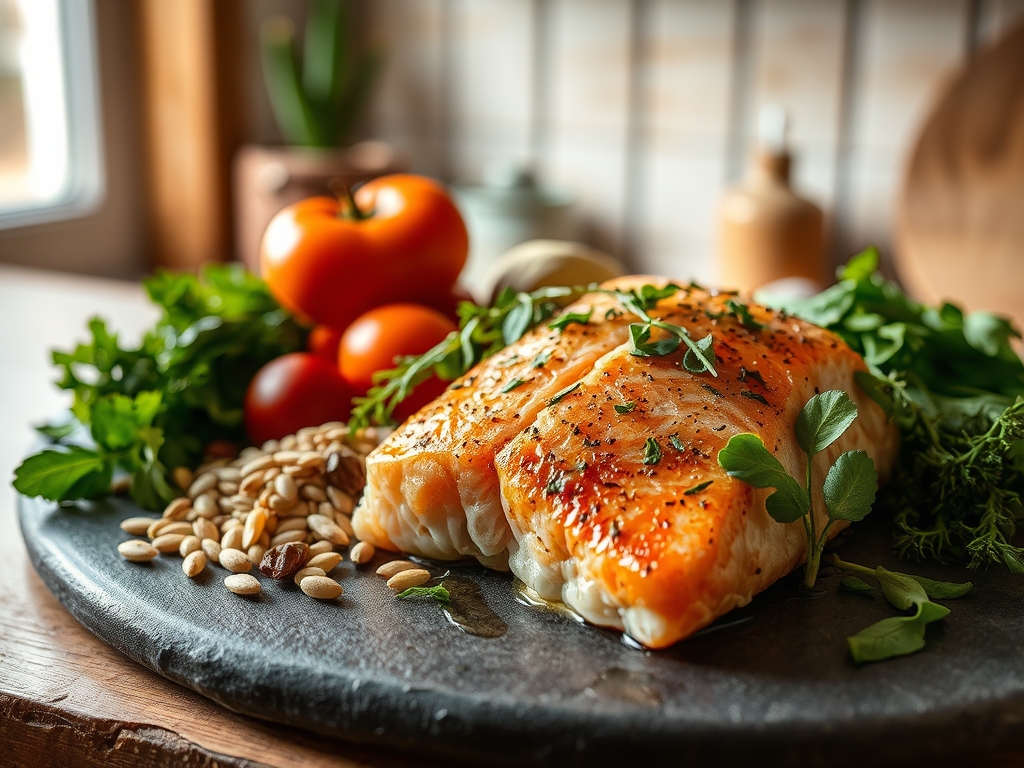
The mise-en-place is where the battle is won. For our base, we need high-quality Atlantic or King salmon fillets, ideally center-cut for uniform thickness. You will need a microplane to zest two lemons and a knob of fresh ginger; this tool ensures the essential oils are released without the bitter pith. For the liquid gold, gather raw honey, toasted sesame oil, and tamari.
The science of the marinade relies on an emulsified base. You will need a saucier or a small glass bowl to whisk together 1/4 cup of olive oil, 2 tablespoons of soy sauce, and a teaspoon of Dijon mustard. The mustard acts as a stabilizer, preventing the oil and vinegar from separating. For the aromatics, use a heavy-bottomed skillet to lightly toast sesame seeds and red pepper flakes before adding them to the mix.
Smart Substitutions:
If you are out of honey, maple syrup offers a higher smoke point and a deeper earthy note. No tamari? Use liquid aminos for a gluten-free punch that mimics that savory umami profile. If you find your citrus is too dull, a splash of rice wine vinegar provides the necessary acidity to break down the connective tissues in the fish.
The Clock:
Efficiency in the kitchen is all about the "Chef's Flow." Total active prep time is 15 minutes, but the passive marination requires a minimum of 30 minutes. Do not exceed two hours; the acid will begin to "cook" the fish, leading to a mushy texture.
The cook time is a lightning-fast 8 to 10 minutes depending on the thickness of the fillet. We use the 70/30 rule: 70 percent of the cooking happens on the skin side to create a thermal barrier, protecting the delicate flesh from direct heat. This allows the internal temperature to rise slowly and evenly.
The Masterclass:
1. The Surface Preparation
Pat the salmon bone-dry with paper towels. Any residual moisture will create steam, preventing the crisping process. Use a bench scraper to ensure the skin is free of any scales or debris.
Pro Tip: This is called removing "surface moisture." If the fish is wet, the energy of the grill goes into evaporating water rather than browning the proteins; a process known as the latent heat of vaporization.
2. The Emulsified Infusion
Whisk your marinade until it is completely viscous and opaque. Place the salmon in a shallow dish, pouring the mixture over the top. Use your hands to massage the liquid into the crevices of the meat.
Pro Tip: The salt in the marinade acts as a dry brine, pulling moisture out and then re-absorbing the seasoned liquid. This deep-level seasoning ensures every bite is flavorful, not just the surface.
3. The Grill Calibration
Preheat your grill to 450 degrees Fahrenheit. Clean the grates thoroughly with a wire brush and then "season" them by rubbing an oil-soaked paper towel over the bars using long tongs.
Pro Tip: This creates a polymerized layer of oil, similar to a seasoned cast-iron skillet. It prevents the delicate fish skin from sticking to the metal via molecular bonding.
4. The Skin-Down Sear
Place the salmon skin-side down. Do not touch it for at least five minutes. You want the skin to render its fat and become a crispy cracker-like base.
Pro Tip: This is the "Maillard Reaction." At high temperatures, amino acids and reducing sugars rearrange to create hundreds of different flavor compounds and that iconic brown color.
5. The Gentle Flip
Using a wide fish spatula, gently lift and flip the fillet. The fish should release naturally from the grate once the proteins have fully set. If it resists, give it another minute.
Pro Tip: This stage involves "conduction." The heat moves from the grill grate through the fish. Flipping too early breaks the protein chains before they have solidified, causing the fish to tear.
6. The Carryover Rest
Remove the salmon when a digital scale or meat thermometer reads 130 degrees Fahrenheit for medium-rare. Place it on a warm plate and tent it loosely with foil.
Pro Tip: This is "thermal carryover." The internal temperature will continue to rise about 5 degrees after removal. Resting allows the muscle fibers to relax and reabsorb the juices.
The Deep Dive:
From a nutritional standpoint, this dish is a powerhouse. A 6-ounce serving provides roughly 34 grams of protein and is rich in Omega-3 fatty acids, which are essential for brain health. Because we are using a marinade, we are also introducing antioxidants from ginger and garlic.
Dietary Swaps:
For a Keto version, swap the honey for monk fruit drops or simply omit the sweetener entirely. For a Vegan alternative, this marinade works beautifully on thick slabs of cauliflower or firm tofu. If you are strictly Gluten-Free, always verify that your soy sauce is substituted with certified tamari or coconut aminos.
The Fix-It:
- The Fish is Sticking: Your grill wasn't hot enough. Next time, wait for the blue smoke. To fix it now, slide a thin metal spatula under the skin with a bit of extra oil.
- The Exterior is Burnt but Interior is Raw: Your marinade had too much sugar. Move the fish to the "cool zone" of the grill and close the lid to finish via convection.
- The Flavor is Bland: You didn't marinate long enough or skipped the salt. Fix it by brushing a fresh layer of the (uncontaminated) marinade over the cooked fish before serving.
Meal Prep Magic:
To reheat without drying it out, avoid the microwave. Use a toaster oven at 275 degrees with a splash of water in the pan. This creates a mini-steam chamber that restores the viscous texture of the glaze without overcooking the center.
The Wrap-Up:
Mastering marinated grilled salmon recipes is about more than just following a card; it is about understanding the dance between fire and flavor. When you treat your ingredients with respect and use the right tools, you aren't just making a meal; you are creating an experience. Go forth, fire up that grill, and show those fillets who is boss. Your kitchen is your laboratory, and tonight, the results are going to be delicious.
The Kitchen Table:
How long should I marinate salmon?
For optimal texture, marinate for 30 to 60 minutes. Anything over two hours allows the acid to break down the protein fibers too much, resulting in a mushy, unappealing consistency. Always marinate in the refrigerator to ensure food safety.
Can I use frozen salmon for grilling?
Yes, but it must be fully thawed and patted dry. Frozen fish often releases more albumin (the white protein) during cooking. To minimize this, brine the thawed fish in a salt-water solution for 10 minutes before marinating.
What is the best way to prevent sticking?
Ensure your grill grates are "screaming hot" and well-oiled. A clean grate is a non-stick grate. Additionally, don't flip the fish until it naturally releases from the metal; the sear is what prevents the bond.
How do I know when the salmon is done?
The most reliable method is using a digital thermometer to hit 130-135 degrees Fahrenheit. Visually, the fish should be opaque and flake easily with a fork at the thickest part while remaining slightly translucent in the very center.