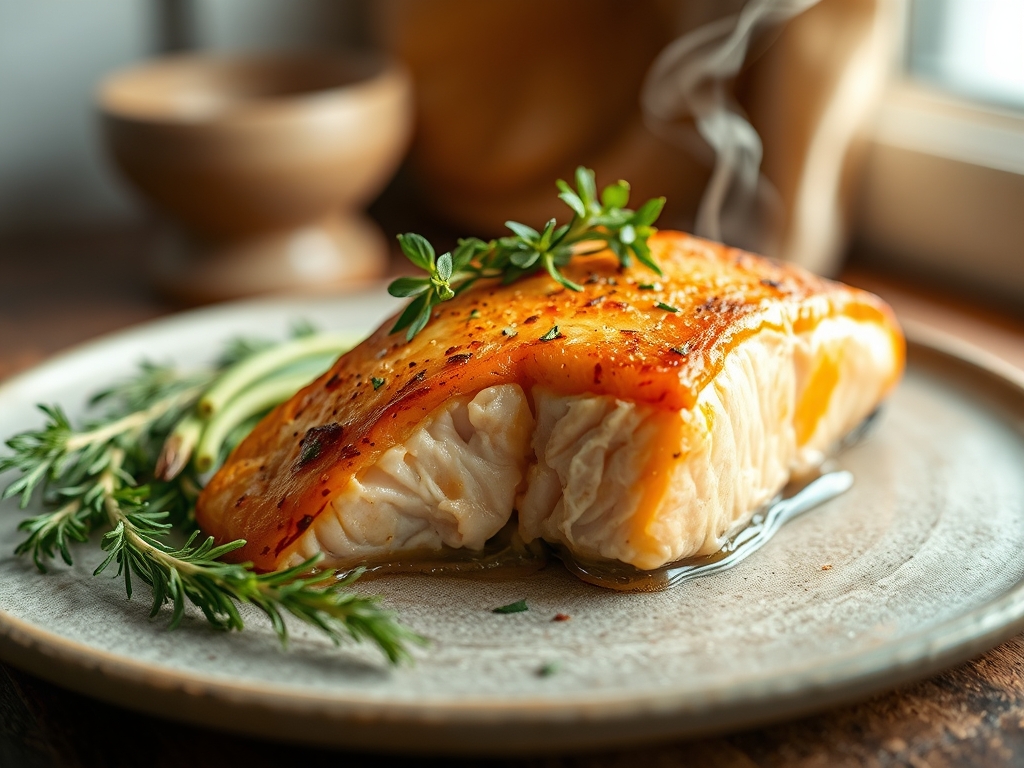
Imagine the sound of a heavy-bottomed skillet meeting a high-flame burner; it is the percussion of a Tuesday night victory. We are moving past the era of beige dinners and lukewarm nuggets to introduce children's salmon recipes that actually disappear from the plate before you can even pour a glass of wine.
The secret to winning over a tiny, skeptical palate is not hiding the fish; it is mastering the physics of the sear. We are aiming for that glorious Maillard reaction, where amino acids and reducing sugars transform into a savory, caramelized crust that mimics the crunch of their favorite snacks. When salmon is executed with technical precision, it loses that intimidating "fishy" aroma and becomes a buttery, flakey vehicle for flavor. We are talking about high-density nutrition disguised as a gourmet treat. By the time we are finished, your kitchen will smell like a high-end bistro, and your kids will be asking for seconds of a protein that is actually good for their developing brains.
The Gathers:
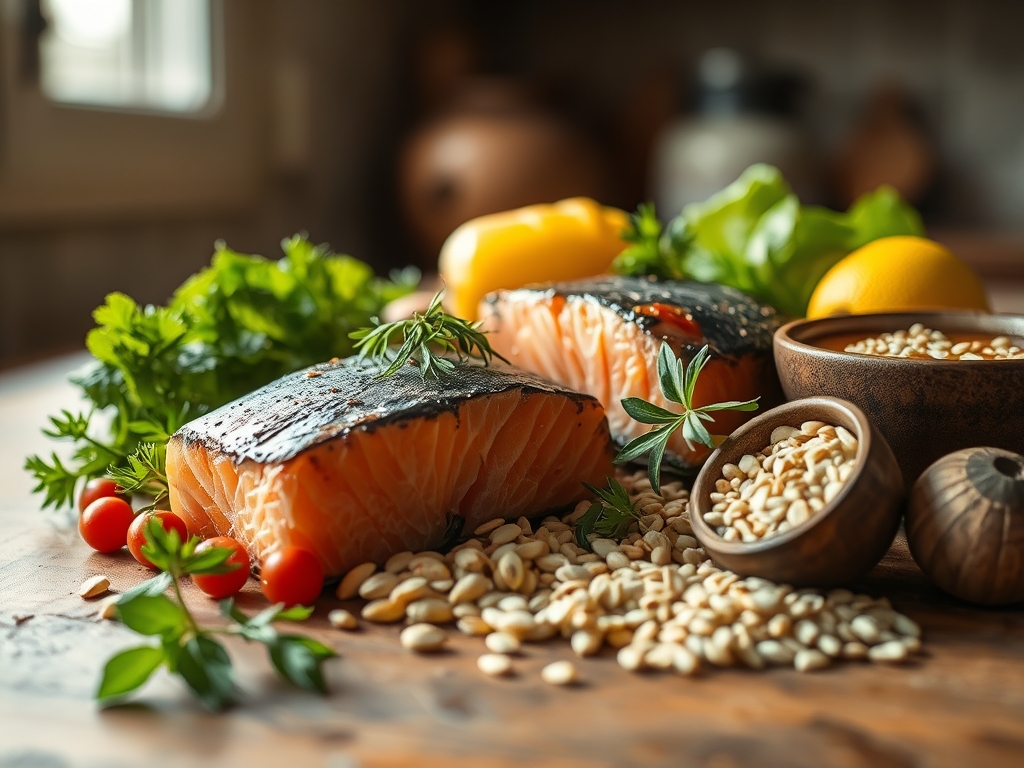
To execute these children's salmon recipes with professional finesse, your mise-en-place must be impeccable. Start with the centerpiece: center-cut Atlantic or King salmon. Look for flesh that is firm to the touch and vibrant in color, indicating a high concentration of astaxanthin, a powerful antioxidant. You will need a high-smoke-point lipid like avocado oil or clarified butter to ensure you can reach the necessary temperatures for searing without the fats breaking down into acrid smoke.
Gather your aromatics. Use a microplane to zest organic lemons; the essential oils in the zest provide a piquant brightness without the acidic bite of the juice that can sometimes curdle cream-based sauces. You will also need kosher salt for its jagged crystal structure, which adheres better to the protein fibers, and honey or maple syrup to act as a viscous glaze that aids in rapid caramelization.
Smart Substitutions:
If you are dealing with a dairy sensitivity, swap heavy cream for full-fat coconut milk to maintain a luxurious mouthfeel. For a nut-free crunch, use toasted panko breadcrumbs or crushed rice cereal instead of almond flour. If you want to increase the fiber content, serve these dishes alongside quinoa or farro instead of standard white rice; the nutty profile of ancient grains complements the healthy fats in the fish beautifully.
The Clock:
Efficiency in the kitchen is about understanding the "Chef's Flow." This is the sequence of operations that minimizes downtime and ensures every component of the meal reaches the table at its thermal peak.
Prep Time: 15 Minutes. This includes the time needed to pat the fish dry with paper towels. Removing surface moisture is a non-negotiable step; moisture creates steam, and steam prevents a crisp sear. Use this time to calibrate your oven and organize your bench scraper to keep your workspace pristine.
Cook Time: 10 to 12 Minutes. Most children's salmon recipes fail because of overcooking. Salmon is a delicate protein with high collagen content that dissolves quickly. We are aiming for an internal temperature of 125 degrees Fahrenheit for a moist, tender result.
Total Time: 27 Minutes. This is faster than a delivery driver can navigate traffic. By the time the table is set and the kids have washed their hands, the salmon will have completed its necessary resting period, allowing the juices to redistribute through the muscle fibers.
The Masterclass:
1. The Surface Preparation
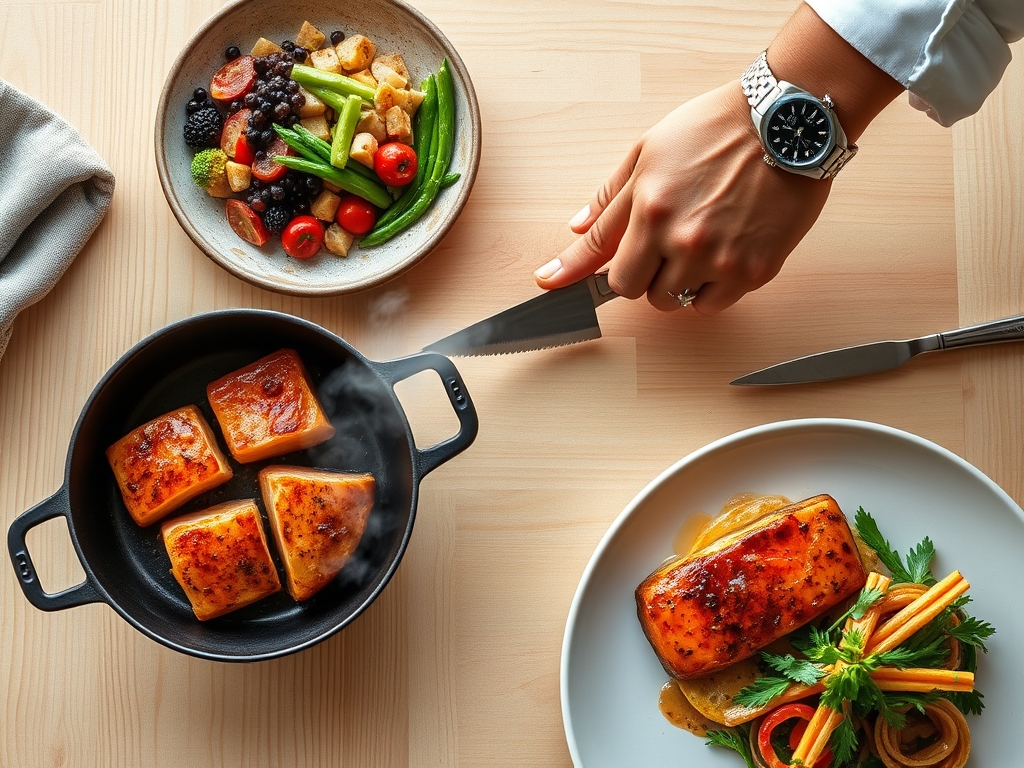
Lay your fillets on a clean cutting board and use a sharp chef's knife to portion them into "fingers" or small cubes. This increases the surface-area-to-volume ratio, allowing for more golden-brown crust per bite. Pat every square inch dry until the paper towel comes away completely clean.
Pro Tip: This step utilizes the principle of evaporative cooling. If the surface is wet, the energy from the pan is wasted turning water into steam rather than browning the fish. Dry fish equals a faster, crispier sear.
2. The Seasoning Bridge
Dust the salmon lightly with a mixture of kosher salt and a touch of cornstarch. The cornstarch acts as a desiccant, absorbing any deep-seated moisture and creating a microscopic barrier that turns incredibly crunchy when it hits the hot oil.
Pro Tip: This is known as starch gelatinization. When the starch granules heat up in the presence of the fish's natural oils, they swell and burst, forming a rigid, crispy lattice that kids find irresistible.
3. The High-Heat Sear
Heat your heavy-bottomed skillet until the oil shimmers and barely begins to wisps smoke. Carefully place the salmon pieces into the pan using tongs, laying them away from you to prevent oil splatter. Do not crowd the pan; overcrowding drops the temperature and leads to poaching rather than searing.
Pro Tip: This triggers the Maillard reaction. This chemical reaction between amino acids and reducing sugars creates hundreds of different flavor compounds, giving the fish a complex, savory profile that masks any "oceanic" scents.
4. The Glaze Infusion
Once the fish is flipped and nearly cooked through, add your liquid components; perhaps a mixture of soy sauce, honey, and a splash of ginger juice. Use a spoon to continuously baste the fish as the liquid reduces and becomes viscous.
Pro Tip: This is the process of reduction and emulsification. As water evaporates, the sugars concentrate, coating the protein in a glossy, flavor-dense film that "sticks" to the palate.
5. The Rest and Carryover
Remove the salmon from the pan when it is about 5 degrees below your target temperature. Place it on a warm plate and let it sit for three minutes before serving.
Pro Tip: This accounts for thermal carryover. The residual heat on the exterior of the fish continues to move toward the center even after it is removed from the heat source, ensuring the middle is perfectly opaque and succulent.
The Deep Dive:
When we look at the macro nutrition of these children's salmon recipes, we are talking about a powerhouse of Omega-3 fatty acids (DHA and EPA), which are critical for cognitive development and vision. A single serving provides high-quality protein with all nine essential amino acids, making it a complete fuel source for growing bodies.
Dietary Swaps:
For a Keto version, replace the honey glaze with a lemon-butter emulsion enriched with fresh dill. For a Gluten-Free approach, ensure your soy sauce is replaced with tamari or coconut aminos. If you are looking for a Vegan alternative for a guest, you can apply these same searing techniques to firm tofu or "carrots-as-salmon," though the nutritional profile will differ significantly.
The Fix-It:
- The Fish Sticks to the Pan: This usually happens because the pan wasn't hot enough or you tried to flip the fish too early. Wait for the protein to "self-release" once the crust has formed.
- The White Gunk Appears: That white substance is albumin, a protein that squeezes out when salmon is cooked too fast or too long. Lower your heat slightly to keep the proteins relaxed.
- The Glaze Burnt: Sugars burn quickly. Always add your glaze in the final sixty seconds of cooking to prevent carbonization.
Meal Prep Science:
To reheat salmon without it becoming rubbery, avoid the microwave. Use a low-temperature oven (275 degrees) with a splash of water and a foil cover. This creates a gentle steam environment that rehydrates the protein fibers without tightening them.
The Wrap-Up:
Mastering children's salmon recipes is about more than just getting a meal on the table; it is about building a foundation for adventurous eating. By focusing on texture, using professional tools like a digital scale for precision, and understanding the chemistry of the sear, you transform a "healthy" chore into a family favorite. You have the skills, the science, and the tools; now go turn that skillet up and make some magic happen.
The Kitchen Table:
How do I stop salmon from smelling fishy?
Buy the freshest fish possible and pat it dry. Use an acid like lemon or a glaze with ginger to neutralize trimethylamine, the compound responsible for that scent. Cooking it to the correct temperature also prevents the release of strong odors.
Can I use frozen salmon for these recipes?
Yes, provided you thaw it slowly in the refrigerator. Once thawed, you must aggressively pat it dry with paper towels to remove excess moisture, or it will steam in the pan instead of searing properly.
What is the best way to hide vegetables in salmon?
Do not hide them; integrate them. Finely mince bell peppers or spinach and fold them into a salmon cake or "burger." The fats in the salmon help carry the flavors of the vegetables, making them more palatable for children.
Why is my salmon always dry?
You are likely overcooking it. Salmon continues to cook after it leaves the pan due to carryover heat. Pull it off the heat at 125-130 degrees Fahrenheit for a perfect, flakey texture that retains its natural moisture.