
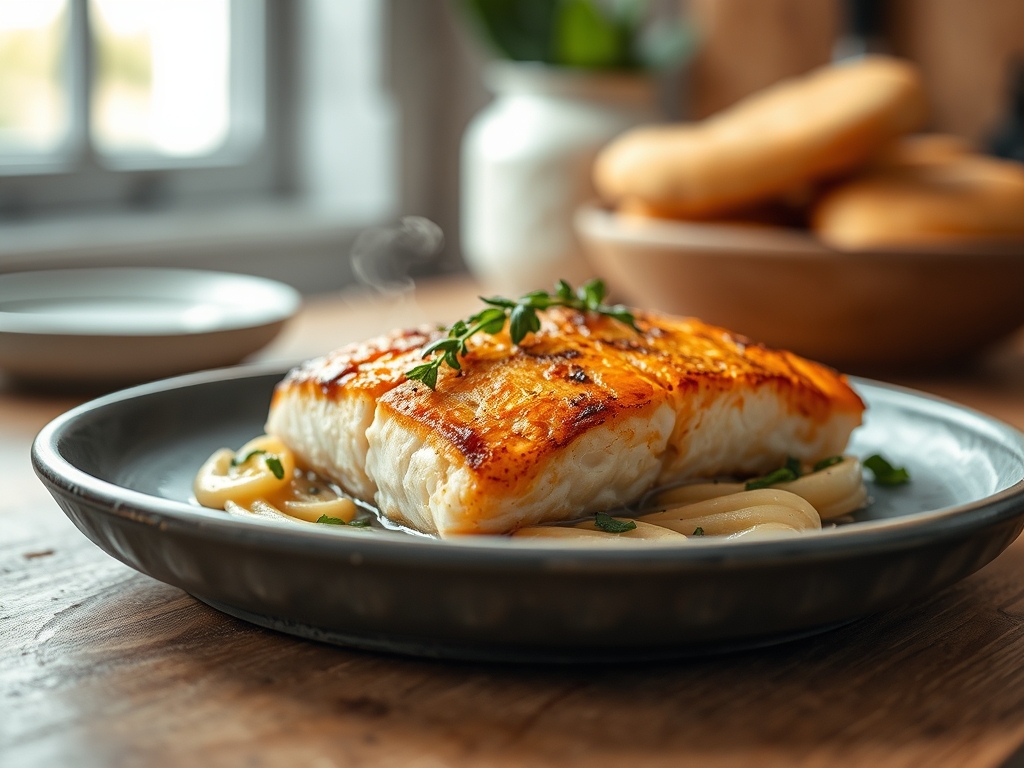
Sizzle is the sound of success in a professional kitchen. It is that high pitched, rhythmic crackle that signals the precise moment cold protein meets shimmering oil. If you are hunting for pan fried salmon recipes easy enough for a Tuesday but sophisticated enough for a gala, you have found the holy grail of seafood technique.
Achieving that glass like, shatteringly crisp skin while maintaining a buttery, translucent center is not a matter of luck; it is a matter of thermodynamics. Most home cooks struggle with salmon that sticks to the pan or leaks that unsightly white substance known as albumin. We are going to fix that today using pure culinary logic. Grab your favorite heavy bottomed skillet and let us transform a simple fillet into a masterpiece of texture and temperature. This is more than a recipe; it is a masterclass in moisture control and heat management.
The Gathers:
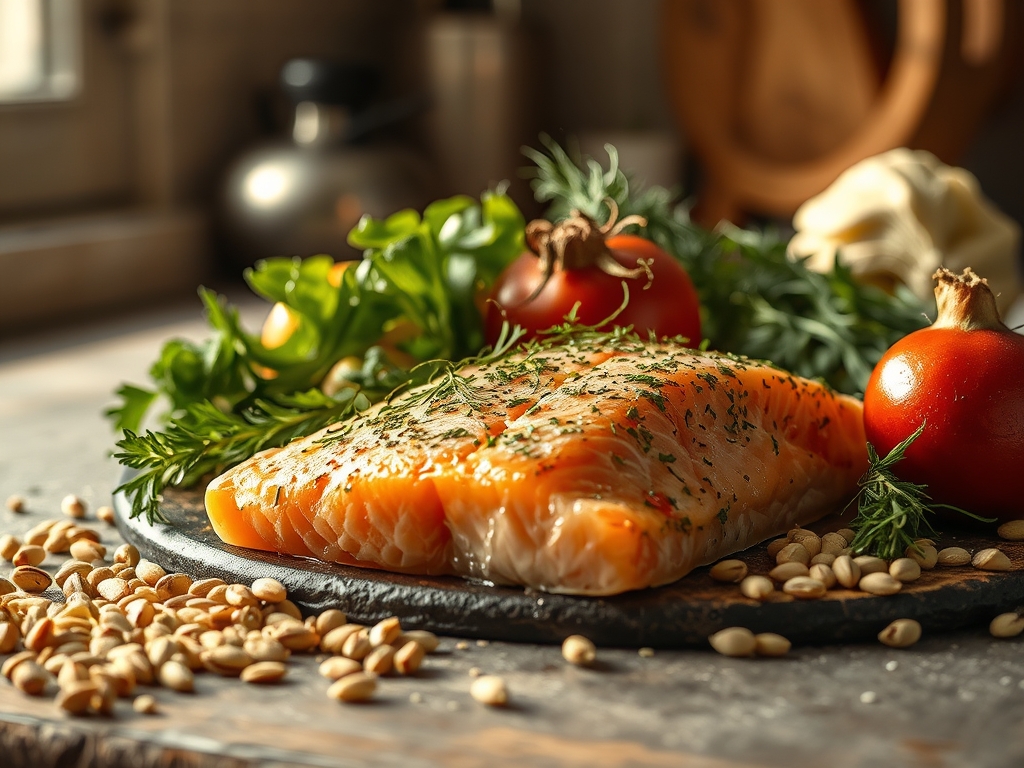
To execute this properly, your mise en place must be meticulous. Start with high quality Atlantic or King salmon fillets, ideally six to eight ounces each. You will need a high smoke point fat; avocado oil or clarified butter is superior to extra virgin olive oil here because we are pushing temperatures past 400 degrees Fahrenheit.
Gather your aromatics to infuse the fat later: crushed garlic cloves, sprigs of woody thyme, and a thick pat of unsalted European style butter for the final baste. For seasoning, use coarse kosher salt and freshly cracked black pepper. A microplane is essential for zesting a lemon at the very end to add a piquant brightness that cuts through the fatty acids of the fish.
Smart Substitutions: If you are avoiding dairy, swap the butter for a refined coconut oil to achieve a similar mouthfeel without the lactose. For a flavor twist, replace the thyme with rosemary or even a dusting of smoked paprika for an earthy, deep profile.
The Clock
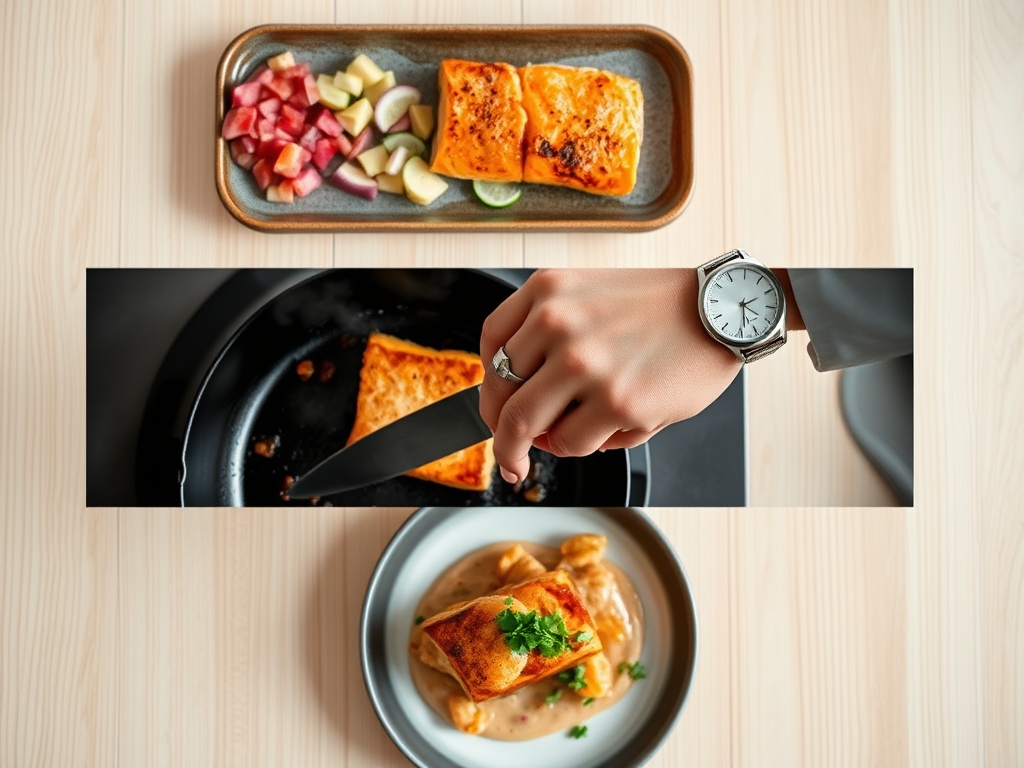
The "Chef's Flow" is all about rhythm. Total active time is roughly 20 minutes. You spend 10 minutes on prep, which includes tempering the fish and drying the skin. The actual cook time is a swift 6 to 8 minutes depending on the thickness of the cut.
Remember the rule of thermal carryover: salmon continues to cook for several minutes after it leaves the pan. If you pull it at 125 degrees Fahrenheit, it will rest up to a perfect medium rare of 130 degrees. Timing is the difference between a succulent fillet and a dry, fibrous one.
The Masterclass
1. The Great Desiccation
Use a paper towel to press every molecule of moisture off the skin. Moisture is the enemy of the Maillard reaction. If the skin is damp, it will steam rather than fry.
Pro Tip: This is about evaporative cooling. If there is water on the surface, the pan's energy is wasted turning that water into steam instead of browning the proteins.
2. The Tempering Phase
Let your salmon sit at room temperature for 15 minutes. Cold fish hitting a hot pan causes the muscle fibers to seize up violently, squeezing out moisture and resulting in a tough texture.
Pro Tip: This reduces the thermal gradient between the center of the fish and the pan, ensuring even heat distribution through the lamellae.
3. The Cold Start Press
Place the fish skin side down in a cold or medium pan, then turn the heat to medium high. Use a fish spatula or a bench scraper to press down firmly for the first 30 seconds.
Pro Tip: This prevents the skin from curling. When collagen in the skin hits heat, it contracts. Pressing it flat ensures maximum surface contact for a uniform crust.
4. The Render and Wait
Leave it alone. Do not poke, prod, or slide the fish. Wait until you see the color change creep up the side of the fillet, reaching about three quarters of the way up.
Pro Tip: This is the rendering process. We are liquefying the subcutaneous fat, which then fries the skin in its own oil for a "chicharron" effect.
5. The Flip and Kiss
Flip the fish gently using your tongs. The flesh side only needs about 45 to 60 seconds of contact. It should just be kissed by the heat to seal the top.
Pro Tip: The flesh contains less fat and more delicate proteins; overexposure to the pan surface will cause it to become dry and chalky.
6. The Butter Baste
Toss in your butter, garlic, and thyme. Tilt the pan so the foaming butter pools at the bottom, then use a large spoon to arrose (continuously spoon) the hot fat over the skin.
Pro Tip: This is convection cooking within a fat medium. The hot butter enters the crevices of the crispy skin, infusing it with flavor while finishing the interior.
7. The Acidic Brightening
Remove the pan from the heat and immediately use your microplane to shower the fish in lemon zest. The residual heat will release the essential oils from the zest.
Pro Tip: Citric acid and zest oils act as a chemical foil to the rich, viscous fats, balancing the palate and "cutting" the grease.
8. The Essential Rest
Transfer the salmon to a warm plate or a wire rack. Let it rest for 3 minutes before serving.
Pro Tip: Resting allows the internal pressure to stabilize. The juices, which were pushed toward the center by the heat, redistribute through the fibers so they do not leak out when you take your first bite.
The Deep Dive
Macro Nutrition: A standard 6 ounce serving provides roughly 34 grams of high quality protein and 22 grams of heart healthy fats, specifically Omega 3 fatty acids. It is a metabolic powerhouse.
Dietary Swaps:
- Vegan: Use this same searing technique on a thick slab of "Lion's Mane" mushroom or a firm block of tofu seasoned with kelp granules.
- Keto/GF: This recipe is naturally compliant with both; just ensure your "butter" is high quality and free of additives.
The Fix-It:
- The Skin Stuck: You tried to flip too early. Protein bonds to the pan initially; once the crust forms, it will naturally release. Wait for the "self release."
- White Gunk (Albumin): This means the heat was too high too fast. Lower the flame to prevent the muscle fibers from contracting so hard they squeeze out the liquid protein.
- Soggy Skin: You likely crowded the pan. Cook in batches to prevent a drop in temperature and steam buildup.
Meal Prep: To reheat without losing the crunch, avoid the microwave. Use an air fryer at 350 degrees for 3 minutes or a toaster oven. This dry heat reactivates the fats in the skin without overcooking the delicate center.
The Wrap-Up
Mastering the art of the pan fry is a rite of passage for any home chef. By focusing on moisture removal and temperature control, you elevate a simple piece of protein into a restaurant quality experience. Remember: dry skin, a heavy pan, and the patience to let the Maillard reaction work its magic are your best tools. Go forth and sear with confidence; your golden crust awaits!
The Kitchen Table
How do I stop salmon from sticking?
Ensure your pan is properly preheated and the fish skin is bone dry. Do not attempt to flip the fillet until the protein has naturally released from the surface, which occurs once a solid crust has formed.
What is the white stuff on cooked salmon?
That is albumin, a liquid protein that firms up when heated. While safe to eat, it usually indicates the fish was cooked too quickly at a high temperature. To minimize it, cook the fish more gently.
Can I use frozen salmon for this?
Yes, but it must be completely thawed and patted dry. Frozen fish often contains more internal moisture, so the drying process is even more critical to achieve a crispy skin.
What oil is best for pan frying?
Use oils with a high smoke point like avocado, grapeseed, or clarified butter. Avoid extra virgin olive oil for the high heat sear, as it can burn and become bitter at these temperatures.
How do I know when salmon is done?
The fish is done when it reaches an internal temperature of 125 to 130 degrees Fahrenheit. The flesh should be opaque on the outside but still slightly translucent and flaky in the very center.