
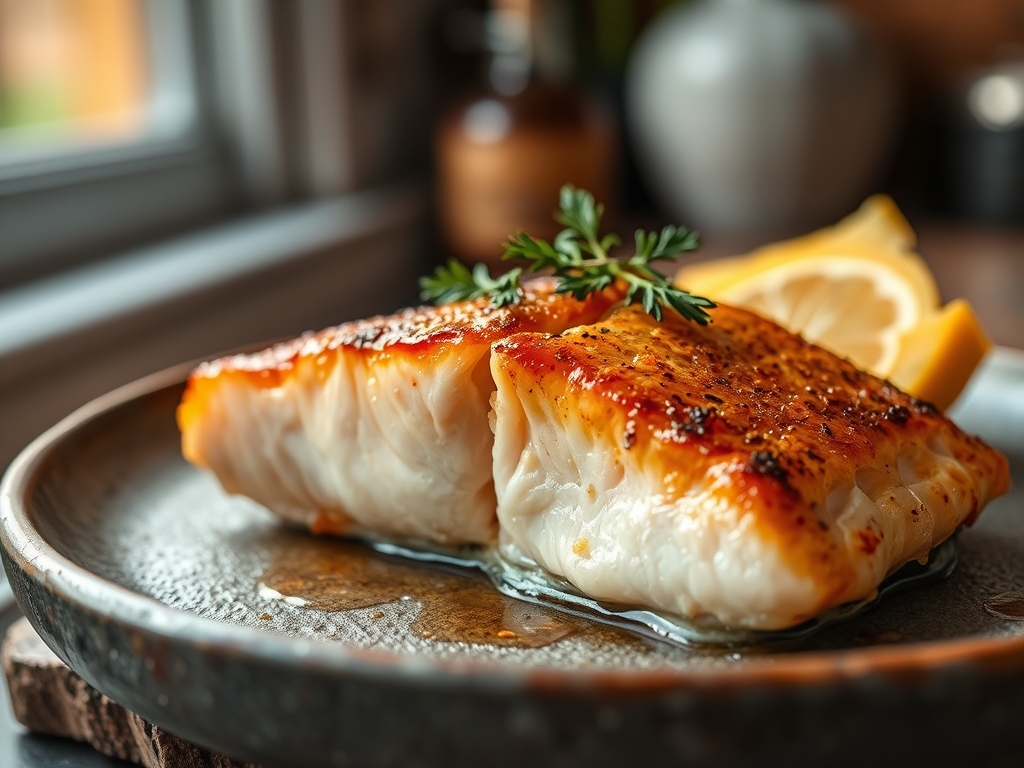
Picture the scene: a heavy cedar board groaning under the weight of a shimmering, silver-scaled centerpiece that smells of lemon zest and charred rosemary. Mastering whole salmon recipes is the ultimate culinary power move; it transforms a simple Tuesday night into a high-stakes dinner party with minimal active effort. There is something primal and sophisticated about roasting a fish in its entirety. The skin acts as a natural pressure cooker, trapping moisture and infusing the flesh with the rich oils found near the bone. We are moving beyond basic fillets today. We are talking about deep, oceanic flavor, silky textures that melt on the tongue, and the kind of presentation that makes your guests reach for their phones before their forks.
Cooking a whole fish can feel intimidating, but it is actually more forgiving than individual portions. Because the thermal mass is greater, you have a wider window of perfection before the proteins begin to tighten and push out that unsightly white albumin. We are going to harness the power of conductive heat and aromatic infusion to create a masterpiece. Grab your favorite apron and a glass of crisp Sauvignon Blanc; we are diving into the deep end of professional seafood preparation.
The Gathers:
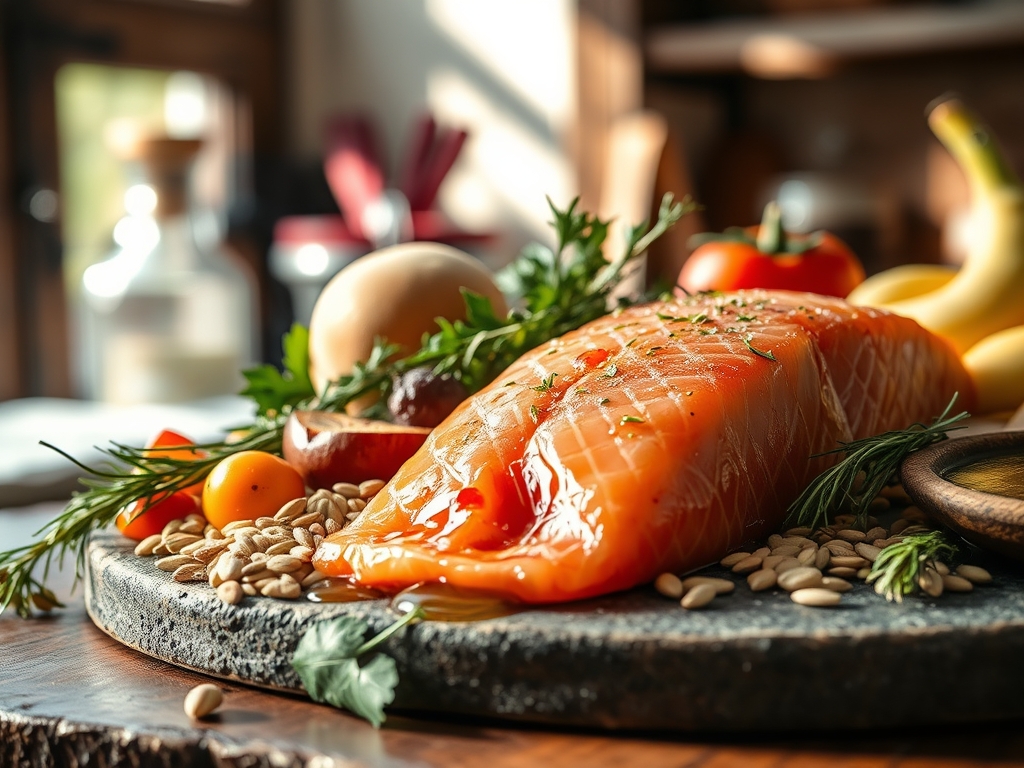
Before we apply heat, we must curate our palette. Your mise-en-place is the foundation of success. You will need a four to five pound whole salmon, scaled and gutted by your fishmonger. Look for clear eyes and a scent like a fresh sea breeze; any hint of ammonia is a non-starter. You will also need high-smoke-point fats like avocado oil or clarified butter to ensure the skin crisps without burning.
For the aromatics, gather fresh dill, flat-leaf parsley, and thin rounds of Meyer lemon. Use a microplane to zest two additional lemons for a concentrated hit of citrus oil. To balance the richness, we need a piquant element like capers or thinly sliced shallots. If you want to elevate the texture, use a digital scale to measure out kosher salt for a dry brine; this draws out excess moisture and tightens the skin.
Smart Substitutions:
If salmon is unavailable, steelhead trout is an excellent biological twin with a slightly milder profile. For a vegan-friendly side that mimics the "ocean" vibe, roast large king oyster mushrooms with dulse flakes. If you lack fresh herbs, a high-quality dried herbes de Provence infused into your oil can work in a pinch, though fresh is always the gold standard for vibrancy.
The Clock
Efficiency in the kitchen is about the Chef's Flow. This is the rhythmic sequence of tasks that prevents bottlenecks. Total time for this endeavor is roughly 60 minutes.
- Prep (20 Minutes): This includes drying the fish, stuffing the cavity, and allowing the salmon to come to room temperature. Never put a cold fish in a hot oven; the exterior will overcook before the center loses its chill.
- Active Cooking (25 to 35 Minutes): This depends on the thickness of the fish. We are aiming for an internal temperature of 135 degrees Fahrenheit for a medium finish.
- The Rest (10 Minutes): This is non-negotiable. Resting allows the juices to redistribute and the thermal carryover to finish the job.
The Masterclass
1. The Desiccant Phase
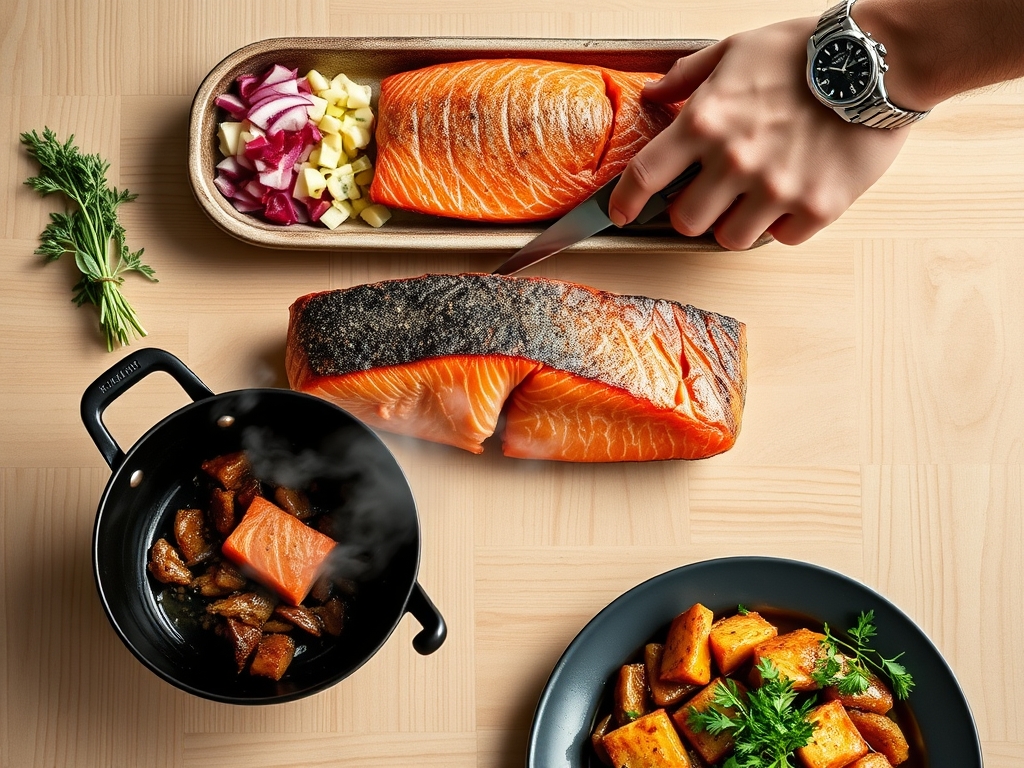
Pat the fish dry with paper towels until the skin feels like parchment. Use a bench scraper to remove any lingering scales the monger might have missed. Moisture is the enemy of the Maillard reaction.
Pro Tip: Salt the skin 30 minutes prior to cooking. This uses osmosis to pull water to the surface, which you then wipe away, ensuring a shatteringly crisp exterior.
2. Scoring for Success
Use a sharp chef knife to make shallow diagonal cuts along the flanks, about two inches apart. Do not cut into the bone.
Pro Tip: Scoring increases the surface area for heat penetration and allows your aromatics to infuse the fat-rich subcutaneous layer directly.
3. Stuffing the Cavity
Pack the interior with your herbs, lemon slices, and smashed garlic cloves. Use kitchen twine to tie the fish in three places if it feels loose.
Pro Tip: The cavity acts as an isolation chamber where steam and essential oils circulate, flavoring the meat from the inside out via convection.
4. The Oil Barrier
Rub the exterior generously with oil and salt. Use a saucier to melt a little butter with chili flakes if you want a spicy kick.
Pro Tip: Fat is a superior heat conductor compared to air. A thin layer of oil ensures even browning across the undulating surface of the fish.
5. Positioning the Heat
Place the salmon on a parchment-lined heavy-bottomed sheet pan. Position it in the center of the oven for balanced airflow.
Pro Tip: Use a heavy-bottomed skillet or pan to prevent warping at high temperatures, which can cause the fish to cook unevenly.
6. The Temperature Check
Insert a probe thermometer into the thickest part of the shoulder, avoiding the bone.
Pro Tip: Monitor the thermal carryover. The internal temperature will rise 3 to 5 degrees after you remove it from the oven. Pull it at 130 for a final 135 degree result.
7. The Deglaze Trick
While the fish rests, take the juices from the pan and whisk them with a splash of white wine and cold butter.
Pro Tip: This creates a quick emulsification that captures all the rendered fats and concentrated salmon essence for a world-class sauce.
8. Garnishing with Acid
Fresh herbs and a final squeeze of lemon should be applied just before serving.
Pro Tip: Heat dulls the brightness of citrus; adding acid at the very end provides a piquant contrast to the fatty omega-3s.
9. The Clean Carve
Use a fish spatula to lift the top fillet off the spine. Remove the bone structure in one piece to reveal the bottom fillet.
Pro Tip: Removing the spine while the fish is warm is easier because the connective tissues have been broken down by enzymatic browning and heat.
10. The Presentation
Slide the fillets onto a warmed platter. A cold plate will suck the heat right out of your hard work.
Pro Tip: Warmed plates maintain the viscous quality of the natural oils, preventing the fish from becoming "pasty" as it cools.
The Deep Dive
Macro Nutrition:
Whole salmon is a nutritional powerhouse. A 6-ounce serving provides roughly 34 grams of high-quality protein and is loaded with Vitamin B12 and Selenium. The skin is particularly dense in Omega-3 fatty acids; do not discard it.
Dietary Swaps:
- Keto: This recipe is naturally keto-friendly. Increase the butter in your sauce for extra healthy fats.
- GF: Naturally gluten-free. Ensure your spices are certified.
- Vegan: Swap the salmon for a large whole-roasted cauliflower head basted in seaweed-infused oil to mimic the salinity of the ocean.
The Fix-It:
- White Gunk (Albumin): If you see white beads on the surface, you are cooking too fast. Lower the heat immediately.
- Stuck Skin: If the fish sticks to the pan, do not yank it. Use a thin tongs or spatula and a drop of oil to gently wiggle it free.
- Dry Tail: The tail is thinner than the head. Wrap the tail in foil halfway through cooking to shield it from excessive heat.
Meal Prep:
To reheat, avoid the microwave at all costs; it turns salmon into rubber. Instead, place leftovers in a covered pan with a tablespoon of water over low heat. This creates a gentle steam that restores moisture without overcooking the proteins.
The Wrap-Up
You are now equipped to handle the king of the sea. Cooking whole salmon recipes is less about rigid rules and more about understanding how heat interacts with moisture and fat. By focusing on the prep, monitoring the temperature with precision, and allowing for a proper rest, you guarantee a result that is succulent, flaky, and deeply flavorful. Go ahead and take the credit for being the smartest cook in the room; your secret is safe with me.
The Kitchen Table
How do I know if my salmon is fresh?
Fresh salmon should have firm flesh that springs back when touched. The eyes must be clear and bulging, not cloudy or sunken. It should smell like clean salt water rather than a "fishy" odor.
Can I cook a whole salmon from frozen?
It is not recommended. The exterior will become tough and dry before the center thaws. Always defrost your salmon in the refrigerator for 24 hours to maintain the integrity of the delicate muscle fibers.
What is the best temperature for roasting?
A moderate oven at 375 degrees Fahrenheit is ideal. This temperature is high enough to crisp the skin through the Maillard reaction but gentle enough to prevent the internal proteins from seizing and becoming dry.
Do I need to flip the fish?
No. Flipping a whole salmon is a recipe for disaster and broken skin. Roast it undisturbed on a parchment-lined tray. The ambient heat of the oven will cook both sides evenly without the risk of tearing.