
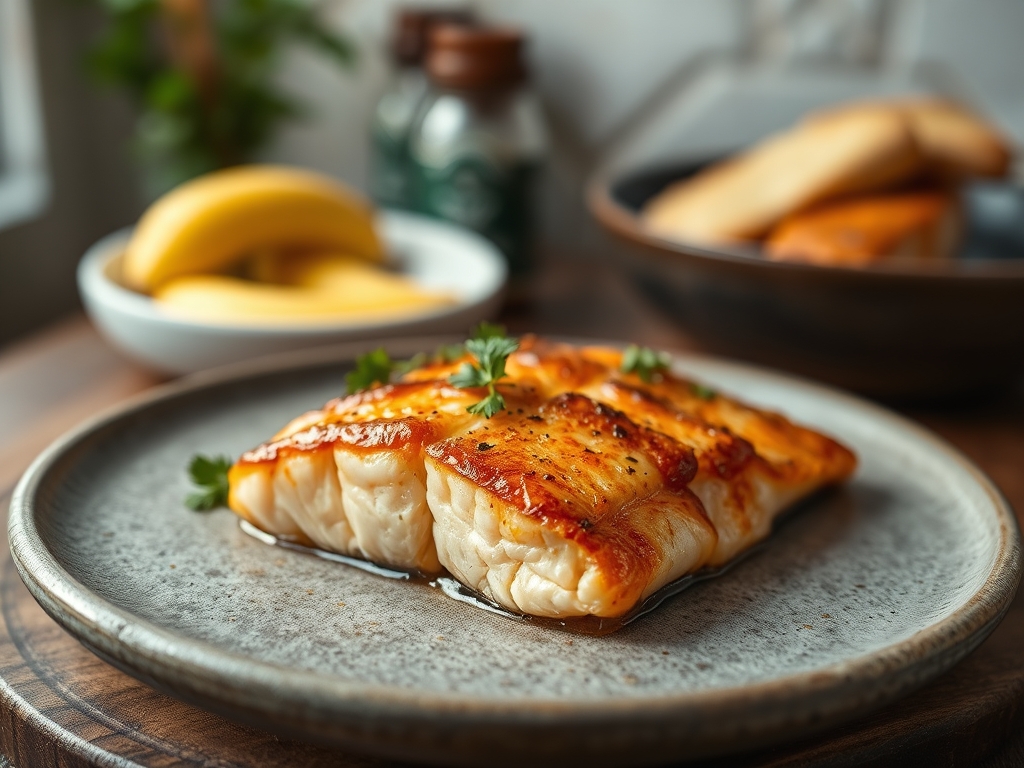
Imagine a heavy-bottomed skillet screaming with heat as a cold, marbled fillet hits the surface with a thunderous hiss. That sound is the beginning of greatness. When searching for the ultimate chinook salmon recipes, you are not just looking for a meal; you are hunting for the King of the Pacific. Chinook salmon is the most decadent of the species because it carries the highest fat content. This translates to a buttery, velvet texture that practically dissolves on your tongue. We are talking about a fish so rich that it behaves more like a fine ribeye than a standard seafood protein. To master this ingredient, you must understand the interplay between high-heat searing and gentle internal rendering. We are going to move past the basic lemon-and-herb routine and dive into the molecular mechanics of what makes this fish the undisputed royalty of the water. Grab your apron and your sharpest chef knife. We are about to transform a raw slab of silver and orange into a masterpiece of culinary engineering that will make your kitchen feel like a Michelin-starred studio.
The Gathers:
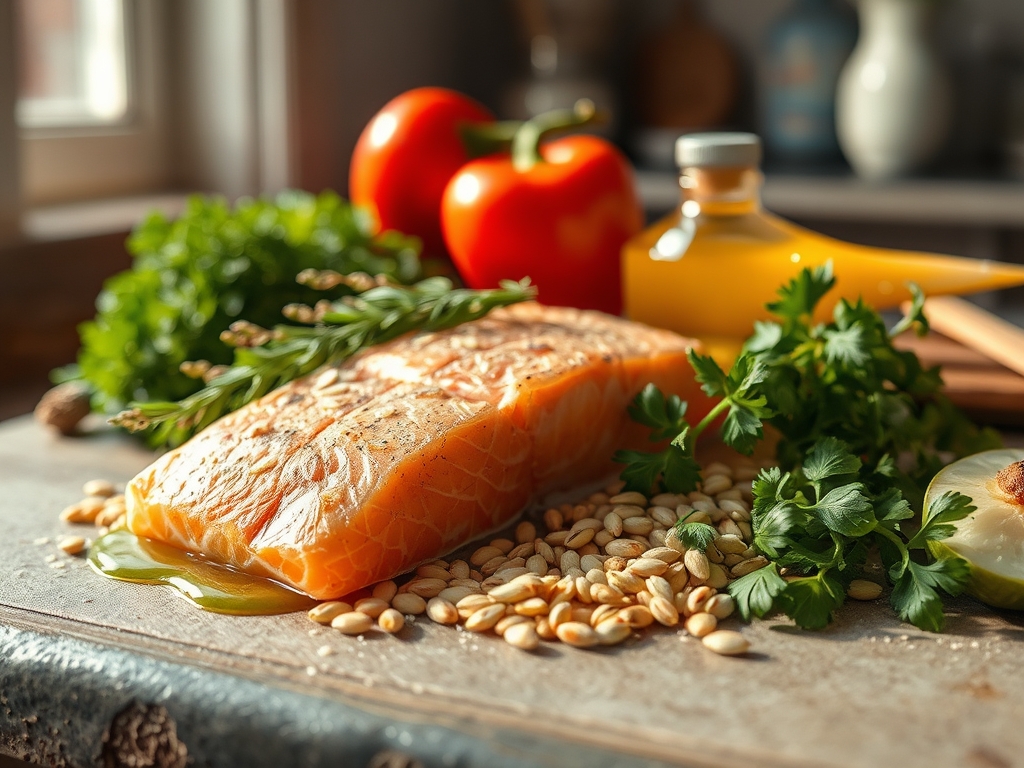
To execute world-class chinook salmon recipes, your mise-en-place must be precise. Chinook is prized for its high levels of Omega-3 fatty acids, which create a viscous mouthfeel that requires acidic balance.
The Protein: 1.5 pounds of center-cut Chinook salmon. Look for deep pigment and firm flesh that bounces back when pressed. Use a digital scale to ensure your portions are exactly 6 ounces each for even cooking.
The Aromatics: Three cloves of garlic smashed with a bench scraper to release allicin; one tablespoon of fresh ginger grated on a microplane for a piquant bite; and a handful of fresh dill.
The Fats: High-smoke point avocado oil for the initial sear and two tablespoons of cold, unsalted European butter for the final basting.
The Acid: One organic lemon, zested and juiced, plus a splash of dry white wine to deglaze the pan.
Smart Substitutions: If you cannot source Chinook, Steelhead trout is the closest structural match due to its fat ratio. For a dairy-free version, swap the butter for a high-quality vegan butter alternative that contains lecithin to ensure proper browning. If you are out of fresh ginger, a dash of ground galangal provides a similar earthy heat.
The Clock
Efficiency in the kitchen is about mastering the Chef's Flow. This is the art of overlapping tasks so that no heat is wasted.
Prep Time: 15 Minutes. This includes the critical step of tempering your fish. Never cook salmon straight from the fridge. Cold proteins cause the muscle fibers to seize, resulting in a tough texture. Let the fillets sit on the counter for 20 minutes while you prep your aromatics.
Cook Time: 8 to 10 Minutes. Most of this time is spent on the skin side to achieve a glass-like crunch. The actual flesh-side cooking is a mere flash of heat to finish the interior.
Resting Time: 5 Minutes. This is non-negotiable. Resting allows the internal juices to redistribute. If you cut into it immediately, the moisture will flood the plate, leaving the fish dry.
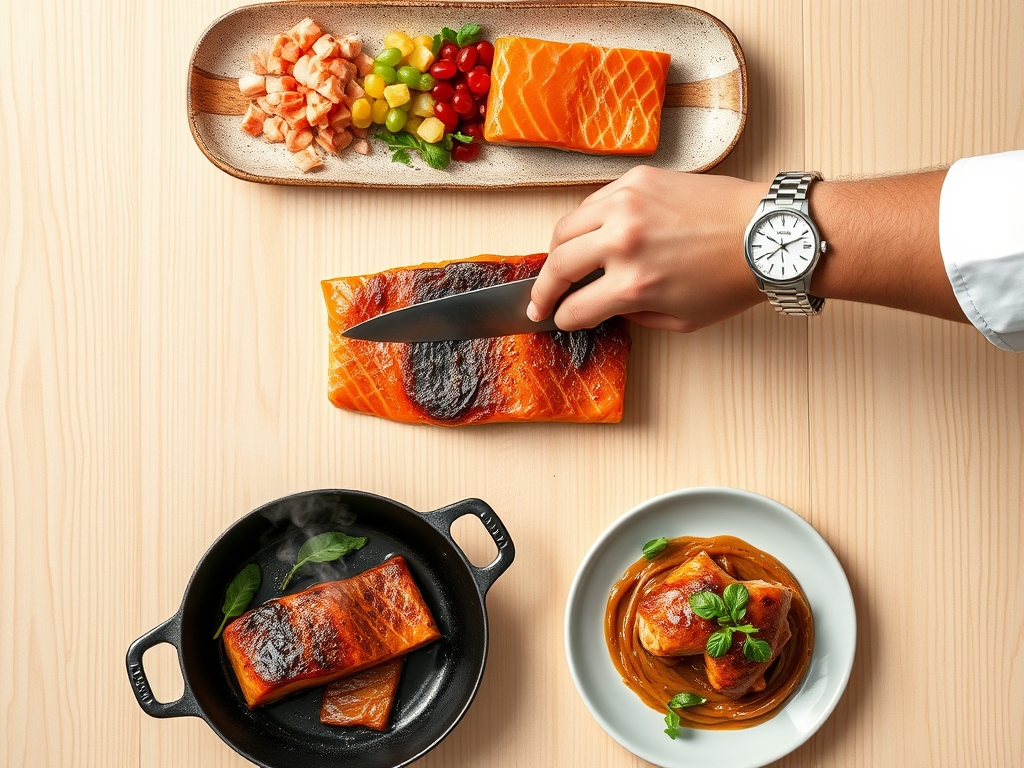
The Masterclass
1. The Desiccating Ritual
Pat the salmon skin bone-dry using heavy-duty paper towels. Moisture is the enemy of the Maillard reaction. If there is any water on the surface, the fish will steam rather than sear. Use your bench scraper to gently squeegee the skin side to remove deep-seated moisture.
Pro Tip: This is the science of surface tension. By removing moisture, you allow the proteins and sugars to react immediately with the heat, creating a crisp, umami-rich crust.
2. The Weight of Success
Heat your heavy-bottomed skillet over medium-high heat until the oil shimmers. Place the fillets skin-side down. Use a flexible fish spatula to press down firmly for the first 30 seconds. This prevents the skin from curling as the collagen fibers contract.
Pro Tip: This technique ensures maximum surface-to-pan contact. It facilitates even heat distribution and prevents the "bowing" effect that leaves the center of the skin soggy.
3. The Gentle Render
Lower the heat to medium. You want to render the thick layer of subcutaneous fat slowly. This fat acts as an insulator, cooking the flesh from the bottom up. Watch the side of the fillet; you will see the opaque color creep up the sides.
Pro Tip: Chinook fat has a low melting point. Slow rendering prevents the albumin (that white protein liquid) from squeezing out of the muscle fibers, keeping the fish succulent.
4. The Aromatic Infusion
Once the skin is crisp and the fish is 70 percent cooked, add your butter, smashed garlic, and herbs to the pan. Use a saucier spoon or a large tablespoon to continuously bathe the fish in the foaming butter. This is called arroser.
Pro Tip: The foaming butter is a sign that the water content is evaporating. The remaining milk solids will brown, creating a nutty flavor profile known as beurre noisette.
5. The Thermal Finish
Flip the fish for a mere 30 to 45 seconds. You are looking for a light golden color on the top. Use a digital thermometer to pull the fish at 125 degrees Fahrenheit for a perfect medium-rare.
Pro Tip: Thermal carryover will continue to cook the fish after it leaves the pan. The internal temperature will rise by about 5 degrees while resting, landing at the ideal 130 degrees.
The Deep Dive
Macro Nutrition: Chinook is a nutritional powerhouse. A 6-ounce serving provides roughly 340 calories, 34 grams of high-quality protein, and 22 grams of healthy fats. It is exceptionally high in Vitamin B12 and Selenium, which supports metabolic function.
Dietary Swaps:
- Keto: This recipe is naturally keto-compliant. Serve over a bed of sautéed spinach.
- Vegan: For guests, use the same aromatic butter technique on thick "steaks" of cauliflower or King Oyster mushrooms.
- GF: This recipe is naturally gluten-free. Just ensure your white wine for deglazing is a pure varietal.
The Fix-It:
- The Skin is Stuck: Do not force it. The fish will naturally release from the pan once the proteins have fully caramelized. If it sticks, give it another 30 seconds.
- The White Gunk (Albumin): If you see white streaks, the heat is too high. Lower the flame immediately. It is safe to eat, but it indicates the muscle fibers are over-contracting.
- Soggy Skin: This happens if you cover the pan. Never use a lid; it traps steam and ruins the texture.
Meal Prep Science: To reheat, avoid the microwave. The high-frequency waves agitate water molecules, causing the delicate fats to oxidize and smell "fishy." Instead, use a toaster oven at 275 degrees with a splash of water in the tray to create a gentle humid environment.
The Wrap-Up
Mastering chinook salmon recipes is about respecting the biology of the fish. By utilizing the arroser technique and focusing on moisture control, you elevate a simple fillet into a luxury experience. The combination of the crispy, salty skin and the buttery, tender interior is a culinary contrast that never goes out of style. Now that you have the technical blueprints, go forth and sear with confidence. Your kitchen is now a sanctuary of high-end seafood.
The Kitchen Table
How do I tell if Chinook salmon is done without a thermometer?
Gently press the side of the fillet with a fork. If the muscle flakes easily along the natural fat lines (the white lamellae), it is ready. The center should still look slightly translucent and moist.
Why is my salmon skin not getting crispy?
The most common culprit is residual moisture or a pan that was not hot enough. Ensure the skin is bone-dry and the oil is shimmering before the fish makes contact with the metal surface.
Can I use frozen Chinook salmon for these recipes?
Yes, but thaw it slowly in the refrigerator for 24 hours. Once thawed, treat it exactly like fresh fish, paying extra attention to patting it dry to remove excess moisture from the freezing process.
What is the best oil for searing salmon?
Use oils with a high smoke point like avocado, grapeseed, or refined light olive oil. Avoid extra virgin olive oil for the initial sear, as its low smoke point will create bitter flavors and smoke.