
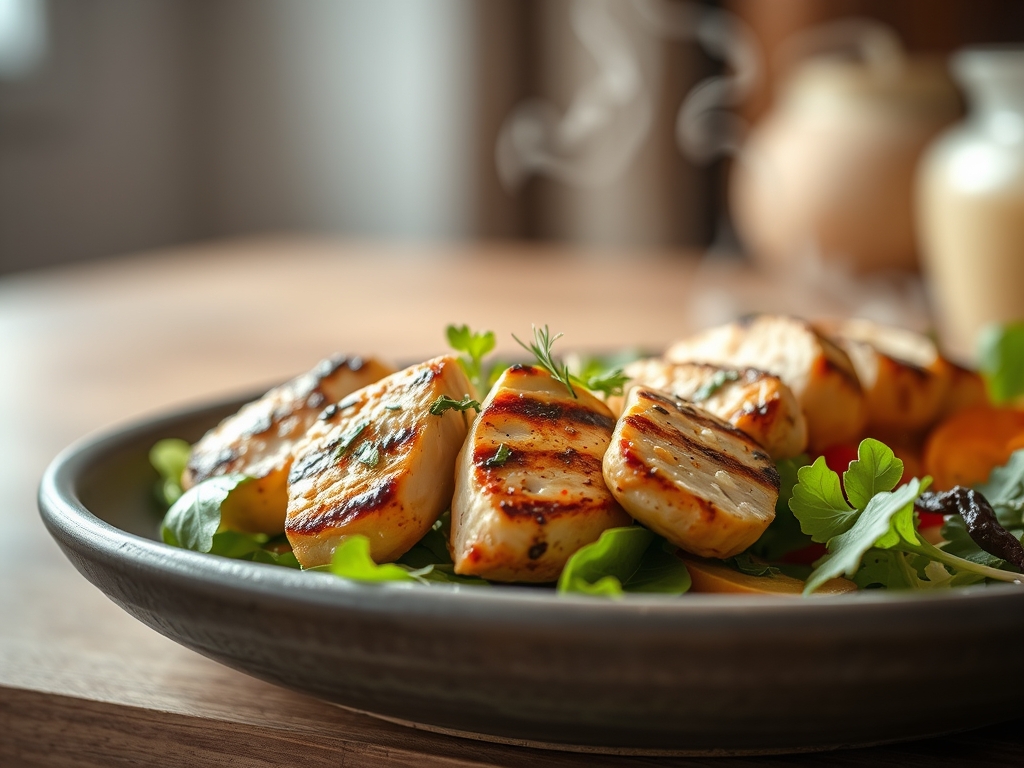
Imagine the sharp hiss of a heavy-bottomed skillet meeting cold protein. That sound is the overture to the perfect meal. When you master the best salad with grilled chicken recipes, you are not just tossing greens in a bowl; you are orchestrating a symphony of textures and temperatures. We are chasing the contrast of chilled, crisp romaine against the radiant heat of a perfectly seared breast. It is about the way a piquant vinaigrette cuts through the richness of rendered chicken fat. If you have ever suffered through a dry, rubbery strip of poultry atop a bed of limp arugula, you know that technique is the only thing standing between a sad desk lunch and a five-star culinary experience. We are going to fix that today with science, sass, and a lot of flavor.
The Gathers:
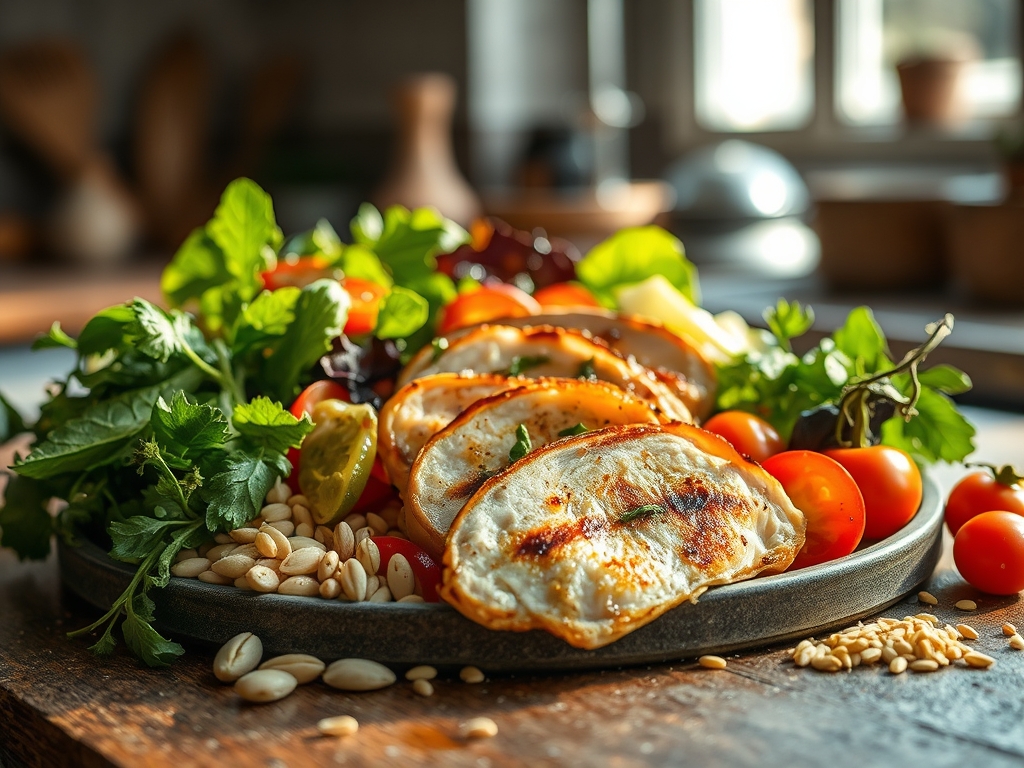
To execute these six variations, your mise-en-place must be precise. Start with your protein. I recommend air-chilled chicken breasts or thighs; the lack of retained water ensures a superior sear. You will need a high-smoke-point oil like avocado or grapeseed to facilitate the Maillard reaction without acrid smoke. For the "Green Base," think beyond iceberg. We want a mix of hydrophilic greens like butter lettuce and sturdy, fibrous options like kale or radicchio that can withstand a warm topping.
Your pantry staples should include a high-quality balsamic or champagne vinegar to provide acidity. Keep a microplane handy for aerating hard cheeses like Parmigiano-Reggiano or zesting citrus to release volatile oils. For crunch, gather pepitas, toasted walnuts, or sourdough croutons.
Smart Substitutions: If you are out of honey for your dressings, use agave or maple syrup; their glucose content provides the same viscous mouthfeel. Swap mayo for Greek yogurt in creamy dressings to increase protein density while maintaining that essential lactic tang. If chicken is not on the menu, firm halloumi or tempeh can be treated with the same grilling techniques to achieve a similar savory profile.
The Clock: Chef's Flow
Efficiency in the kitchen is about heat management and "The Flow." Total active time for these recipes averages 25 minutes, with a 10-minute passive rest for the meat.
- The Prep (10 mins): While your chicken reaches room temperature (to ensure even heat distribution), wash and spin-dry your greens. A salad spinner is non-negotiable; water is the enemy of dressing adhesion.
- The Sear (10-12 mins): Use your tongs to flip the meat only once. We are looking for an internal temperature of 160 degrees Fahrenheit.
- The Rest (5-10 mins): This is the "Chef's Flow" secret. While the chicken rests, use a saucier to whisk your emulsion. By the time you slice the protein, the juices have redistributed, and your dressing is perfectly stable.
The Masterclass
1. The Classic Balsamic Glaze Technique
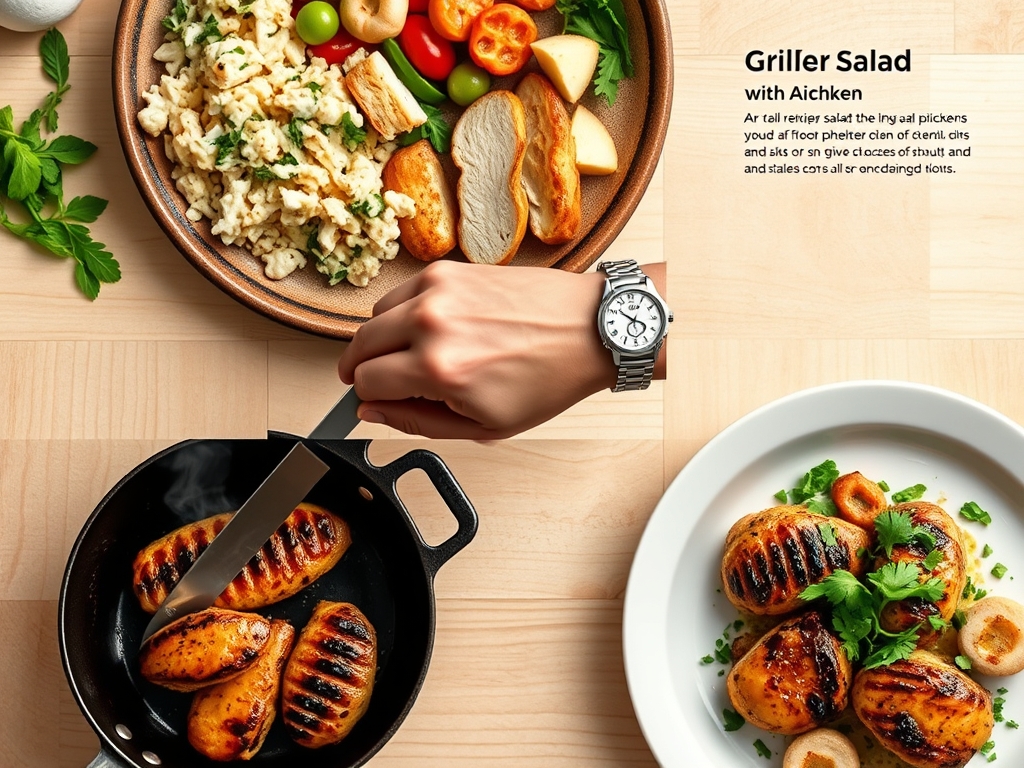
Start by seasoning your chicken with kosher salt and cracked black pepper. Place it in a hot cast-iron pan. Once flipped, brush with a reduction of balsamic vinegar and honey.
Pro Tip: This uses the principle of sugar caramelization. The sugars in the glaze react with the heat to create a complex, bittersweet crust that prevents the meat from drying out during the final minutes of cooking.
2. The Mediterranean Lemon-Herb Infusion
Marinate your chicken in lemon juice, oregano, and garlic for at least 30 minutes. Grill over medium-high heat until charred.
Pro Tip: The citric acid acts as a denaturant, partially breaking down the protein strands before they hit the heat. This results in a more tender bite, but do not exceed two hours or the texture becomes mushy.
3. The Spicy Chipotle Lime Zest
Rub the chicken with chipotle powder and lime zest. Serve over a bed of corn, black beans, and cilantro.
Pro Tip: Capsaicin is fat-soluble. To maximize the heat, ensure your dressing contains a high-quality oil or avocado to transport the spice across your palate evenly.
4. The Miso-Ginger Umami Bomb
Whisk white miso paste into your marinade. This provides a deep, savory profile that pairs beautifully with crunchy napa cabbage.
Pro Tip: Miso is rich in proteases, enzymes that break down proteins. This "enzymatic tenderization" creates a velvety texture that is distinct from acid-based marinades.
5. The Pesto-Crusted Caprese
Grill the chicken plain, then toss it in a fresh basil pesto while it is still hot. Serve with heirloom tomatoes and fresh mozzarella.
Pro Tip: Adding the pesto to hot chicken utilizes residual thermal energy to bloom the garlic and basil, intensifying the aroma without cooking the fresh herbs into a dull brown.
6. The Green Goddess Power Bowl
Use a blender to emulsify herbs, anchovies, and lemon into a thick, vibrant dressing. Top with grilled chicken and toasted seeds.
Pro Tip: Anchovies provide inosinate, a compound that works synergistically with the glutamate in chicken to explode the "umami" sensation on your tongue.
The Deep Dive
Macro Nutrition: On average, a 6-ounce serving of grilled chicken provides 45g of protein. When paired with 3 cups of mixed greens and a healthy fat source (like olive oil or nuts), you are looking at a nutrient-dense meal hovering around 450 to 550 calories. It is the gold standard for satiety.
Dietary Swaps: For a Keto version, eliminate honey from dressings and double down on avocado and hemp hearts. For Vegan guests, substitute chicken with grilled king oyster mushrooms which mimic the fibrous texture of poultry. For Gluten-Free needs, ensure your soy sauce is replaced with tamari or coconut aminos.
The Fix-It:
- Rubbery Chicken: This usually means you cooked it straight from the fridge. Let it sit at room temp for 15 minutes first.
- Soggy Salad: Your greens were wet. Use a salad spinner or a clean kitchen towel to bone-dry every leaf.
- Broken Dressing: If your vinaigrette separates, add a teaspoon of Dijon mustard. The mustard acts as a surfactant, binding the oil and vinegar together.
Meal Prep Science: To maintain "day-one" quality, store your grilled chicken separately from the greens. When reheating, use a damp paper towel over the meat in the microwave to create a steam chamber. This prevents the "warmed-over flavor" caused by lipid oxidation.
The Wrap-Up
Mastering salad with grilled chicken recipes is your ticket to culinary freedom. It is a canvas for your creativity, backed by the solid laws of chemistry. Whether you are craving the deep umami of miso or the bright zing of a lemon-herb infusion, remember that the secret lies in the sear and the rest. Now, grab your tongs, fire up that skillet, and turn those boring greens into a masterpiece. You have got the science; now go bring the flavor!
The Kitchen Table
How do I keep grilled chicken from getting dry in a salad?
Always allow the chicken to rest for five to ten minutes before slicing. This allows the muscle fibers to reabsorb the juices. If you cut it immediately, the moisture escapes, leaving the protein stringy and parched.
What is the best way to wash salad greens?
Submerge greens in a bowl of cold water to let sediment sink. Lift them out, then use a salad spinner to remove every drop of moisture. Dry leaves allow dressings to adhere via surface tension rather than sliding off.
Can I grill chicken ahead of time for meal prep?
Yes. For the best texture, undercook the chicken slightly (to 155 degrees) if you plan to reheat it. Store it in an airtight container to minimize exposure to oxygen, which prevents the fats from turning rancid.
Why does my homemade dressing taste too acidic?
You likely need more "body" to balance the pH. Add a small amount of honey, maple syrup, or an emulsifier like Dijon mustard. These ingredients coat the tongue and soften the sharp perception of the vinegar or citrus.