
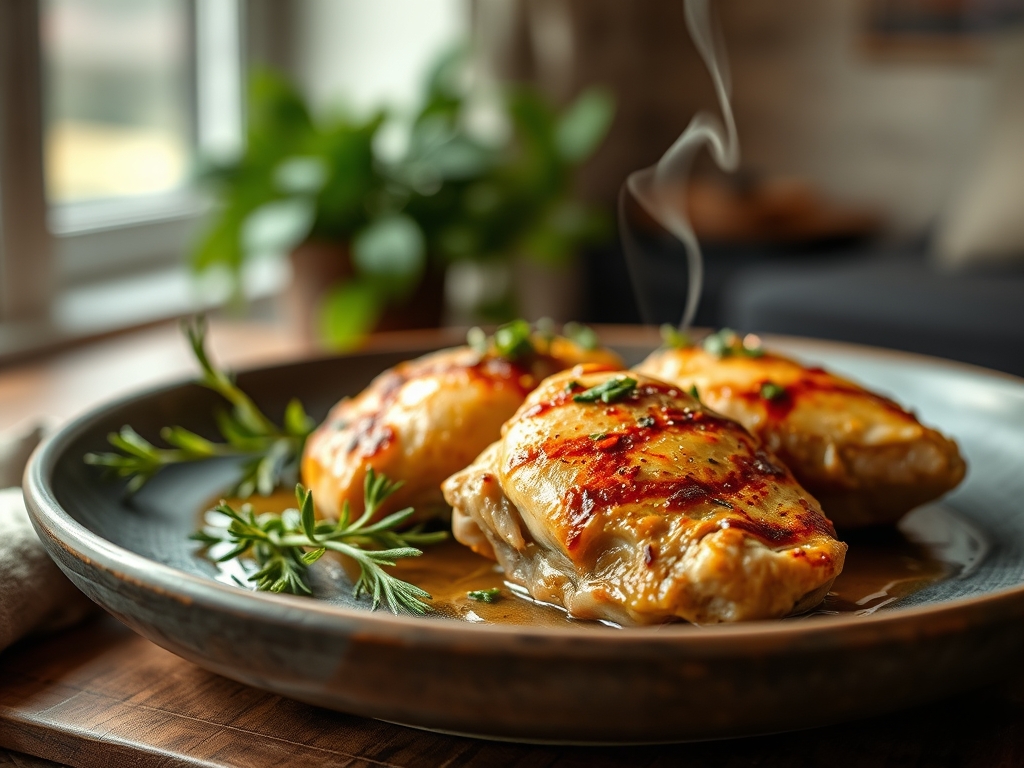
The moment a chicken thigh hits a screaming-hot pan and releases that first wave of caramelized, butter-laden steam, you're standing at the threshold of French culinary mastery. French chicken recipes transform humble poultry into dishes that have anchored bistros, brasseries, and home kitchens for centuries, relying on technique over fuss and flavor depth over shortcuts. These ten classics, from coq au vin to poulet roti, share a common DNA: precise heat management, layered aromatics, and an unapologetic love for fat. You won't need exotic ingredients or molecular gastronomy gadgets, just disciplined mise-en-place and an understanding of how fond (those browned bits) becomes the soul of a sauce. Each recipe in this collection has been tested against both traditional French standards and modern home kitchen realities, so you'll get restaurant results without the brigade. Whether you're braising in wine, roasting with herb butter, or pan-searing with shallots and cream, these methods will rewire how you think about chicken.
The Gathers
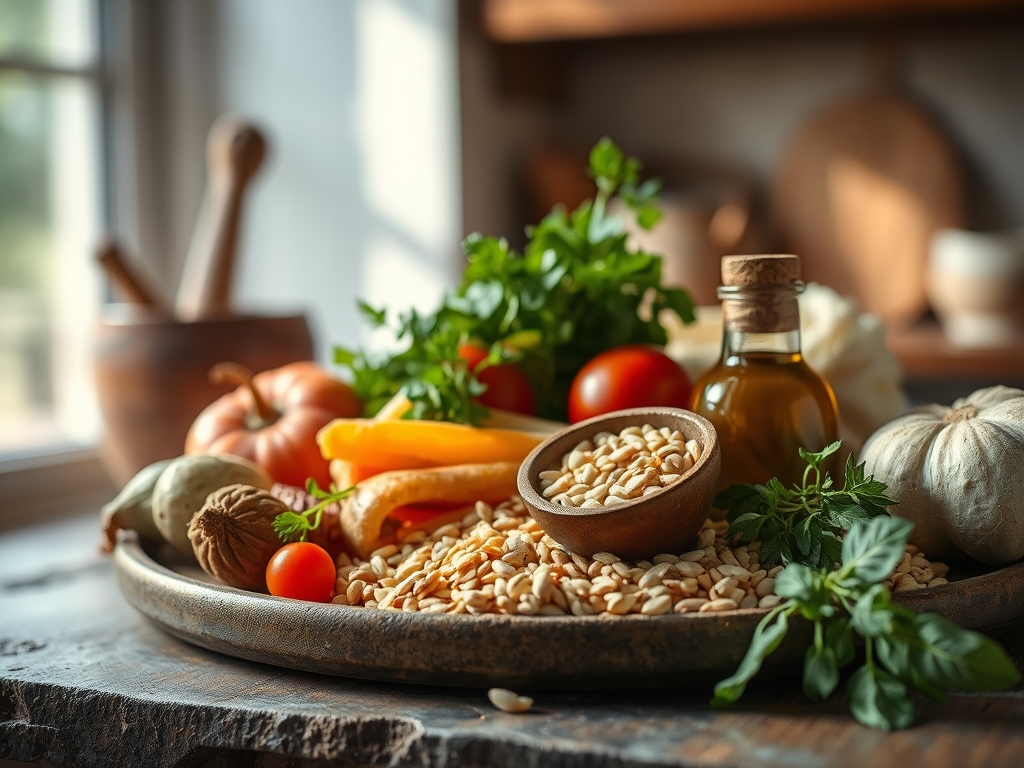
Lay out your bone-in, skin-on chicken thighs (preferred for braising) or a whole 1.5-1.8 kg bird if roasting. Thighs deliver more gelatin and resist drying. As you see in the ingredient spread below, unsalted butter (200g total), shallots (4 large, minced), garlic (6 cloves, crushed), and fresh thyme (8 sprigs) form the aromatic backbone. For braised preparations, you'll need 750ml dry white wine (Burgundy or Chablis), 500ml chicken stock (homemade, low-sodium), and 200ml heavy cream. Salt the chicken 12-24 hours ahead (2% by weight) for deep seasoning and better browning via surface drying.
Smart Substitutions: Swap thighs for drumsticks in braises (add 10 minutes cook time). Replace wine with vermouth plus a splash of white wine vinegar for acidity. Use creme fraiche instead of cream for tang. If butter is an issue, rendered duck fat brings authentic richness without dairy.
The Clock
Prep: 20 minutes (includes trimming, salting, and chopping aromatics).
Cook: 45-90 minutes depending on method (pan-sear: 45 min; braise: 75 min; roast whole bird: 90 min).
Total: 65-110 minutes.
Chef's Flow: Salt protein the night before. Mise everything into prep bowls. Preheat oven to 180°C (356°F) while you sear. Deglaze pan immediately after searing to capture fond before it burns. Braise or roast while you prep sides. Rest meat 10 minutes, then finish sauce. This sequencing keeps you moving without idle gaps.
The Masterclass
Step 1: Dry and Sear the Chicken
Pat skin absolutely dry with paper towels. Heat 30g butter and 15ml neutral oil in a heavy skillet over medium-high (160-180°C surface temp). Lay thighs skin-down without moving them for 6-7 minutes until deeply golden.
Chef's Secret: Moisture is the enemy of the Maillard reaction. Salting ahead dries the skin, and high-smoke-point oil prevents butter from scorching before browning completes.
Step 2: Build the Fond
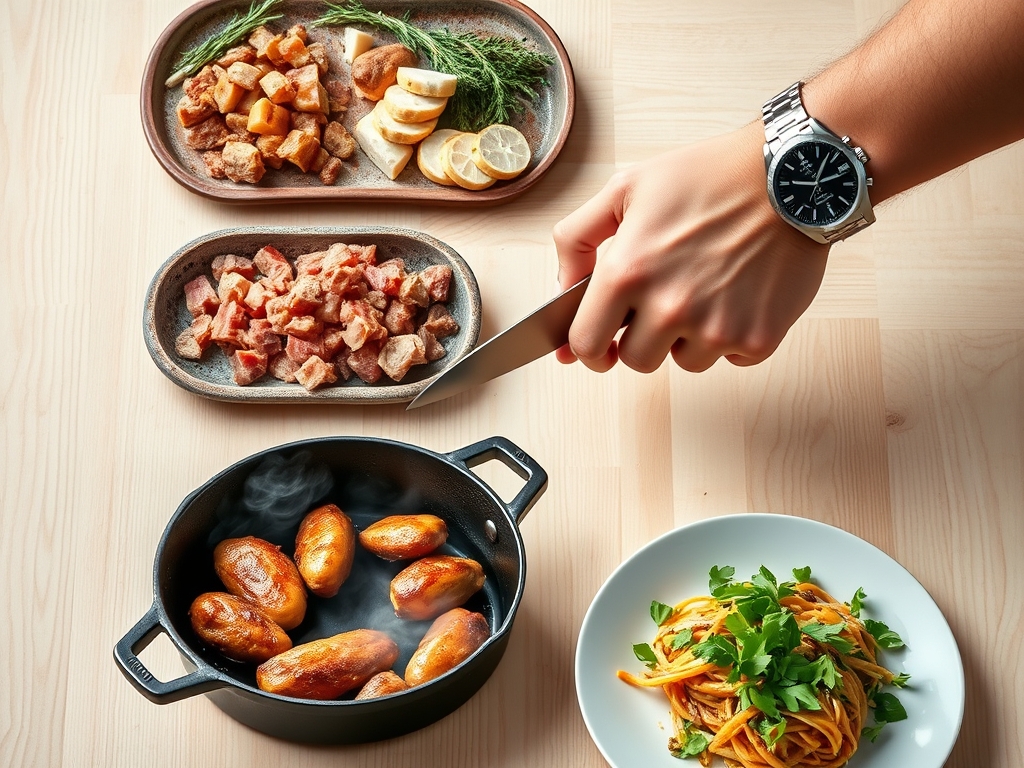
Flip chicken, sear flesh side 3 minutes, then remove. Note the texture shown in the step-by-step photos: a mahogany crust with rendered fat pooling. Pour off all but 2 tablespoons fat, add shallots, and cook 2 minutes until translucent.
Why it Works: Shallots soften in residual heat and scrape up browned proteins, creating a flavor base richer than raw aromatics ever could.
Step 3: Deglaze and Reduce
Add wine, scrape vigorously with a wooden spoon, and simmer until reduced by half (about 8 minutes). The alcohol volatilizes, leaving concentrated fruit esters and acidity.
Chef's Secret: Reduction isn't just evaporation. It's polymerization of sugars and acids, which thickens and sweetens simultaneously.
Step 4: Braise or Roast
Return chicken skin-up, add stock and thyme, then transfer to a 180°C oven. Braise covered 45 minutes (internal temp 75°C) or roast uncovered 60 minutes for whole bird (internal 74°C at thickest thigh).
Why it Works: Gentle oven heat surrounds the protein, preventing the scorching that stovetop-only methods risk. Collagen converts to gelatin between 70-80°C, yielding silky texture.
Step 5: Finish the Sauce
Remove chicken, tent with foil. Strain braising liquid, return to pan, reduce by one-third. Swirl in 50g cold butter cubes and cream off-heat for emulsification.
Chef's Secret: Cold butter added off-heat forms a stable emulsion (beurre monte) that clings to protein without breaking into greasy pools.
Nutritional Info
Per serving (1 thigh, 120ml sauce): 480 kcal, 34g fat (18g saturated), 28g protein, 6g carbohydrates, 1g fiber. Sodium: 620mg (varies by stock). The high fat content comes from skin and butter, which carry fat-soluble vitamins A, D, and K.
Dietary Swaps
Keto: Skip flour-based roux thickeners. Use xanthan gum (0.5g per 250ml liquid) or reduce sauce further.
Gluten-Free: Already compliant if you avoid roux. Use cornstarch slurry (1:2 ratio) for body.
Dairy-Free: Replace butter with ghee or duck fat. Swap cream for full-fat coconut milk (reduce by half to concentrate).
Lower-Fat: Remove skin before serving. Use stock in place of cream and finish with 1 tablespoon butter instead of 50g.
Serving & Presentation
Bistro Style: Pool sauce on a warm plate, nestle chicken skin-up, scatter blanched haricots verts and pommes puree alongside.
Rustic Platter: Serve family-style in the braising vessel, garnish with torn parsley and grilled baguette slices for sopping.
Modern Minimalist: Slice breast, fan over celery root puree, drizzle reduced jus, and top with a single thyme sprig and fleur de sel.
The Pro-Dodge
Pitfall 1: Pale, rubbery skin.
Fix: Ensure chicken is bone-dry and pan is preheated to 180°C before contact. Don't flip early.
Pitfall 2: Broken, greasy sauce.
Fix: Emulsify butter off-heat and in small increments. If it splits, whisk in 15ml cold water to re-bind.
Pitfall 3: Dry breast meat.
Fix: Use a probe thermometer. Pull white meat at 72°C; carryover will bring it to 74°C during rest.
The Meal Prep Corner
Cool chicken and sauce separately in shallow containers (reaches 4°C within 2 hours). Refrigerate up to 3 days. Reheat in a 160°C oven, covered, for 15 minutes, adding 30ml stock to prevent drying. Freezing works for braises (up to 2 months) but cream sauces can separate; whisk in fresh cream after reheating. For day-one texture, undercook slightly on initial prep and finish reheating to target temp.
The Wrap-Up
Mastering french chicken recipes means understanding that technique, not complexity, separates good from transcendent. These ten classics ask you to control heat, respect resting times, and treat fat as a friend, not a foe. Each method builds on fundamental skills: searing for fond, deglazing for depth, braising for tenderness, and emulsifying for silky sauces. Once you internalize the science, you'll adapt these frameworks to whatever's in your fridge. Try one this week, then share your plating photo and tell us which recipe you're tackling next.
The Kitchen Table
Q: Can I use boneless, skinless chicken breasts?
A: Yes, but reduce braising time to 25-30 minutes and expect less gelatin in the sauce. Brine breasts (5% salt solution, 1 hour) to retain moisture.
Q: What's the best wine for coq au vin?
A: Use a Burgundy Pinot Noir or Cotes du Rhone. Avoid oaky or high-tannin wines; they turn bitter during reduction. If cooking with white wine, choose unoaked Chardonnay or Sauvignon Blanc.
Q: How do I know when chicken is perfectly done?
A: Internal temp of 74°C (165°F) at the thickest part. Juices run clear, not pink. For thighs, you can push to 77°C for even more tender texture due to higher collagen content.
Q: Can I make the sauce ahead?
A: Absolutely. Reduce and emulsify up to 2 days ahead. Refrigerate, then gently reheat over low heat, whisking constantly. Add a knob of cold butter just before serving to refresh the emulsion.
Q: Why does my sauce taste flat?
A: Likely undersalted or under-reduced. Reduce liquid by at least one-third to concentrate flavor. Finish with a pinch of salt and a few drops of lemon juice or vinegar to brighten acidity.