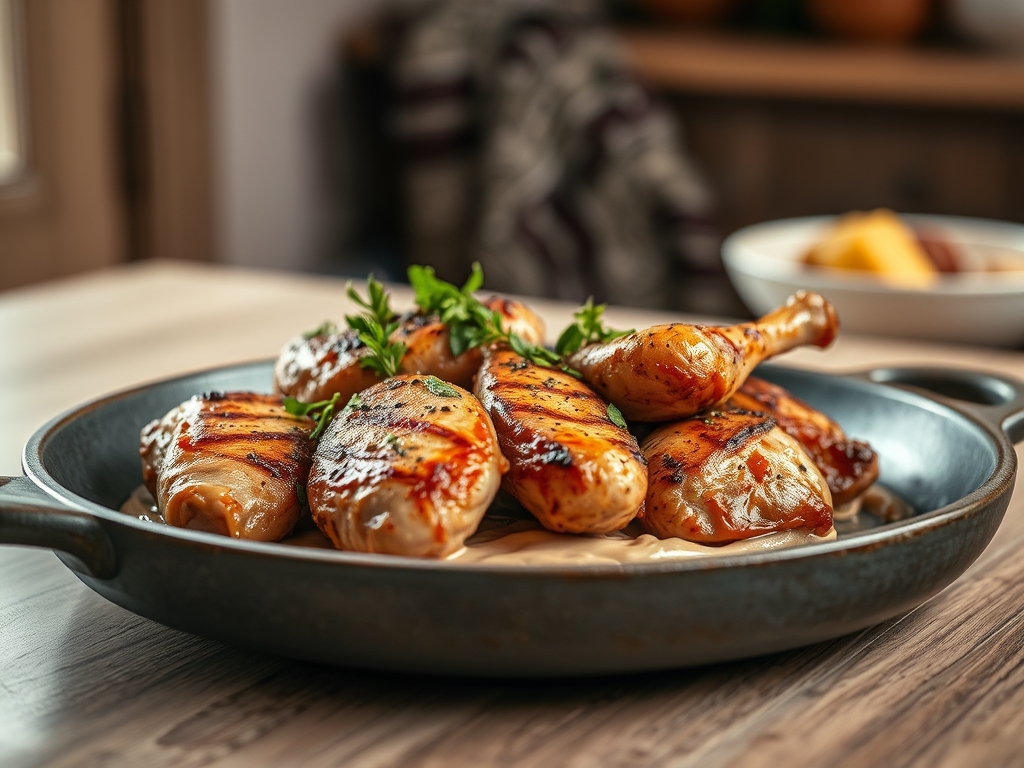
The moment bone-in chicken thighs hit a preheated cast iron surface at 190°C (375°F), the Maillard reaction ignites a cascade of over 1,000 flavor compounds. That crackling sound signals moisture evaporating from the skin's surface, creating a golden crust while the fat renders beneath. Mastering chicken recipes on skillet transforms weeknight cooking from mundane to restaurant-grade, requiring nothing more than controlled heat, precise timing, and an understanding of how proteins behave under direct contact with metal.
A well-seasoned skillet becomes a heat battery, maintaining stable temperatures even when cold ingredients land in the pan. This thermal consistency separates amateur pan-frying from professional searing. The six recipes that follow leverage this principle, each designed to maximize flavor development while minimizing active cooking time. From lemon-caper piccata to honey-garlic glazes, these dishes prove that simplicity and sophistication coexist when technique replaces complexity.
The Gathers
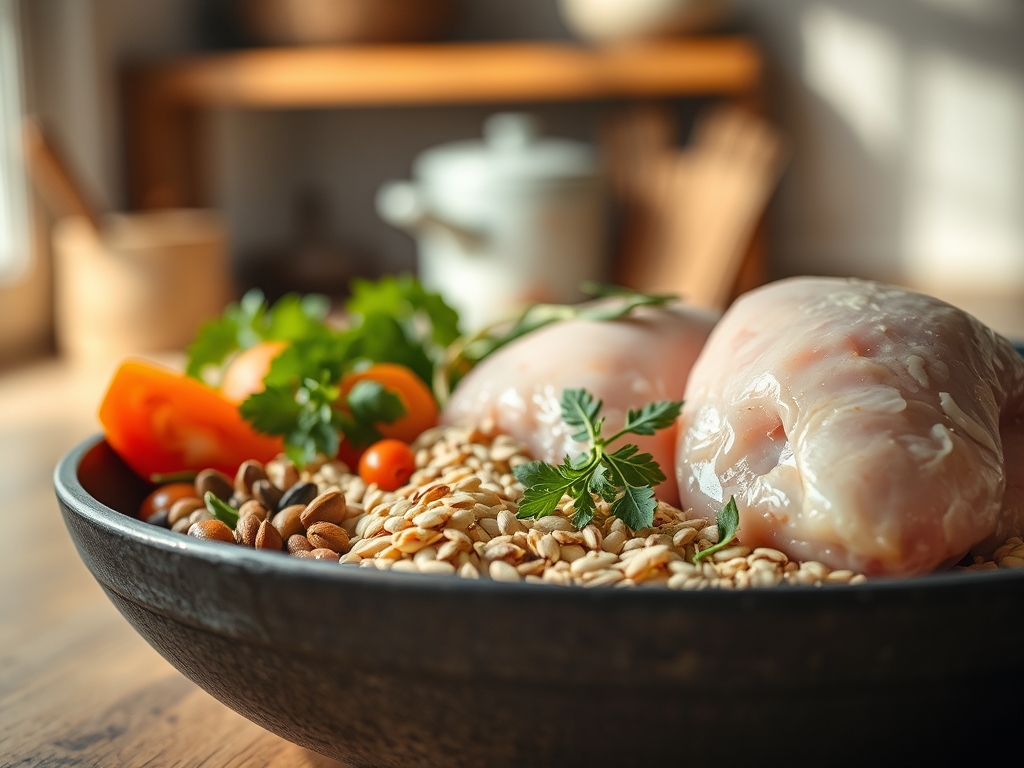
As you see in the ingredient spread below, boneless, skinless chicken breasts (680g total, pounded to 1.5cm uniform thickness) form the protein foundation. Kosher salt (8g) and freshly cracked black pepper (2g) penetrate muscle fibers when applied 15 minutes before cooking, initiating early brining through osmosis. All-purpose flour (60g) creates a thin dredge layer that browns at lower temperatures than bare protein, protecting delicate breast meat from overcooking.
Unsalted butter (56g, European-style with 82% fat content) provides milk solids for nutty, caramelized pan sauces. Extra-virgin olive oil (30ml) raises the smoke point to 200°C (392°F), preventing butter from scorching. Fresh garlic cloves (4, smashed but intact) release allicin gradually without the acrid bitterness of minced garlic burned in hot fat. Dry white wine (120ml, preferably unoaked Sauvignon Blanc) deglazes fond, the browned protein deposits that contain concentrated umami.
Fresh thyme sprigs (6) and lemon zest (from 2 lemons, removed with a microplane to avoid bitter pith) deliver aromatic top notes. Chicken stock (240ml, low-sodium) forms the sauce base, reducing to coat-the-back-of-a-spoon consistency through evaporation and gelatin extraction.
Smart Substitutions: Replace chicken breasts with thighs for 20% more intramuscular fat and greater forgiveness during cooking. Swap white wine with vermouth for herbal complexity or use chicken stock plus 15ml lemon juice. Substitute ghee for butter in dairy-sensitive diets while maintaining high-heat stability.
The Clock
Prep Time: 12 minutes (pounding chicken, measuring ingredients, zesting citrus).
Cook Time: 18 minutes (searing 6 minutes per side, sauce reduction 6 minutes).
Total Time: 30 minutes from refrigerator to plated dish.
Chef's Flow: While chicken rests after salting (15 minutes), prepare all aromatics and measure liquids. This mise-en-place eliminates mid-cook scrambling. Heat the skillet during the final 3 minutes of rest time so it reaches optimal temperature exactly when you're ready to cook. During the 5-minute carryover rest after cooking, build the pan sauce, synchronizing both components to finish simultaneously.
The Masterclass
Step 1: Prepare and Season the Protein
Pat chicken breasts completely dry with paper towels, removing surface moisture that causes steaming instead of searing. Season both sides with kosher salt and black pepper, then let rest at room temperature for 15 minutes.
Chef's Secret: Moisture is the enemy of browning. Every water molecule on the surface must evaporate before the Maillard reaction begins, wasting heat energy and lowering pan temperature.
Step 2: Dredge in Flour
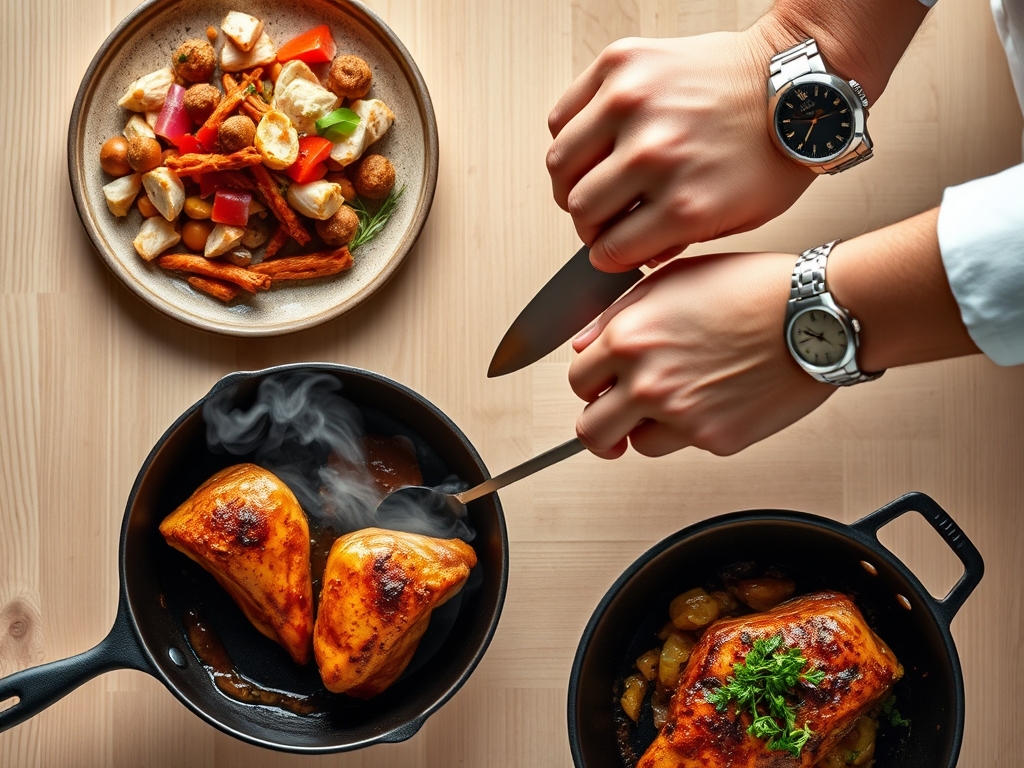
Lightly coat each breast in flour, shaking off excess so only a translucent layer remains. Note the texture shown in the step-by-step photos: you should still see the meat's contours through the coating.
Why It Works: Flour proteins denature at 65°C (149°F), forming a protective barrier that slows internal temperature rise by 15-20%, giving you a wider window between perfectly cooked and dry.
Step 3: Preheat the Skillet
Place a 30cm cast iron or stainless steel skillet over medium-high heat for 3 minutes. Add olive oil, swirling to coat, then heat until shimmering but not smoking (approximately 185°C/365°F).
Chef's Secret: Test oil temperature by dipping a wooden spoon handle into the pan. Immediate steady bubbling without violent sputtering indicates readiness.
Step 4: Sear the First Side
Lay chicken breasts in the pan presentation-side down, gently pressing with a spatula for 10 seconds to ensure full contact. Cook undisturbed for 6 minutes until the edges turn opaque 3mm up the side.
Why It Works: Premature flipping releases proteins before they've formed crosslinks with the pan surface, tearing away the developing crust. Patience builds texture.
Step 5: Flip and Finish
Turn chicken once, reduce heat to medium, and cook 5-7 minutes until the internal temperature reaches 68°C (154°F). Remove to a plate and tent loosely with foil.
Chef's Secret: Carryover cooking adds 3-5°C during rest. Pulling at 68°C yields a final temperature of 72°C (162°F), safely above the FDA's 74°C (165°F) recommendation while remaining juicy.
Step 6: Build the Pan Sauce
Add butter to the hot skillet, then garlic and thyme. Cook 30 seconds, stirring constantly. Pour in wine, scraping browned bits with a wooden spoon. Reduce by half (about 2 minutes), then add stock and lemon zest. Simmer until the sauce coats a spoon (3-4 minutes).
Why It Works: Deglazing dissolves water-soluble proteins and caramelized sugars stuck to the pan, reincorporating them into the sauce for concentrated flavor. Alcohol evaporation leaves behind wine's acidic structure without harshness.
Nutritional Info
Per serving (170g chicken plus 60ml sauce): 340 calories, 42g protein, 12g fat (5g saturated), 8g carbohydrates, 0g fiber, 620mg sodium. Protein-to-calorie ratio: 49%, making this an efficient muscle-supporting meal. The 12g fat comes primarily from monounsaturated olive oil and butter's short-chain fatty acids, both beneficial for nutrient absorption.
Vitamin content spikes from fresh herbs: thyme provides 8% daily vitamin K, essential for calcium regulation. Lemon zest contributes limonene, a terpene with antioxidant properties studied for cellular health.
Dietary Swaps
Keto Adaptation: Replace flour dredge with finely ground almond flour (same 60g quantity) for 4g net carbs per serving instead of 8g. Increase butter to 85g for higher fat ratios, targeting 70% calories from fat.
Gluten-Free: Use rice flour or cornstarch for dredging. Both create comparable crusts, though cornstarch browns slightly faster due to pure starch content versus rice flour's residual protein.
Dairy-Free: Substitute ghee or refined avocado oil for butter. Finish the sauce with 30ml full-fat coconut cream whisked in off-heat for body without dairy, adding 4g saturated fat per serving.
Plant-Based Pivot: Replace chicken with 2cm-thick cauliflower steaks or king oyster mushrooms sliced lengthwise. Reduce initial sear time to 4 minutes per side. Use vegetable stock and add 15ml tahini to the sauce for richness.
Serving & Presentation
Technique 1, Restaurant Linear: Smear 45ml sauce across the plate's center using the back of a spoon. Slice chicken on a 45-degree bias into 1.5cm medallions, fanning them over the sauce. Garnish with a thyme sprig and paper-thin lemon wheel.
Technique 2, Rustic Family-Style: Serve chicken whole on a warmed ceramic platter. Pour sauce directly over the top, allowing it to pool around the edges. Scatter torn parsley leaves and flaky sea salt across the surface for textural contrast.
Technique 3, Modern Deconstructed: Dice chicken into 2cm cubes after resting. Toss with half the sauce in a bowl. Plate alongside roasted baby potatoes and blanched green beans, drizzling remaining sauce in a zigzag pattern. Finish with microgreens.
Pair with dry Riesling or unoaked Chardonnay to mirror the dish's acidity and complement the butter's richness.
The Pro-Dodge
Pitfall 1, Rubbery Texture: Overcooking past 75°C (167°F) causes myosin proteins to contract violently, expelling moisture. Immediate Fix: Slice overcooked chicken thinly against the grain, then toss with extra pan sauce. The liquid rehydrates the surface, masking dryness.
Pitfall 2, Pale, Steamed Chicken: Overcrowding the pan traps steam, lowering temperature below the 140°C (284°F) minimum for Maillard reactions. Immediate Fix: Cook in two batches, wiping the pan between rounds to remove accumulated moisture. Alternatively, finish in a 200°C (392°F) oven for 5 minutes to develop color.
Pitfall 3, Broken, Greasy Sauce: Adding cold butter to boiling liquid causes fat to separate from water instead of emulsifying. Immediate Fix: Remove the pan from heat, let cool 30 seconds, then whisk in butter gradually while swirling continuously. Temperature below 85°C (185°F) allows lecithin in butter to stabilize the emulsion.
The Meal Prep Corner
Storage: Cool chicken completely within 2 hours of cooking (slice to accelerate cooling). Store in airtight glass containers with sauce separated, refrigerated up to 4 days. Freezing compromises texture as ice crystals rupture muscle fibers, but remains safe for 3 months.
Reheating for Day-One Quality: Preheat oven to 160°C (320°F). Place chicken in a covered baking dish with 30ml chicken stock or water to create steam. Heat 12-15 minutes until the internal temperature reaches 60°C (140°F). Rest 3 minutes before serving. Reheat sauce separately in a small pan over low heat, whisking constantly.
Advance Prep: Pound and season chicken up to 24 hours ahead, storing covered in the refrigerator. Measure all sauce ingredients into small containers. This reduces active cooking time to under 20 minutes.
Let's Make Magic Happen
You've now got the blueprint for six variations of skillet chicken perfection, each rooted in the same fundamental principles of heat control and protein science. The beauty of these chicken recipes on skillet lies in their adaptability: swap the sauce components, adjust the aromatics, or change the cooking fat to create dozens of permutations without memorizing new techniques.
Your skillet awaits, already seasoned by meals past, ready to conduct heat and transform simple ingredients into something extraordinary. Cook one version this week, then share your results or questions in the comments below. What sauce variation are you most excited to try?
The Kitchen Table
What's the best skillet material for chicken?
Cast iron retains heat superbly, maintaining temperature when cold chicken hits the surface. Stainless steel offers better visibility for monitoring fond development and works seamlessly with acidic wine sauces. Both outperform nonstick for browning, though nonstick simplifies cleanup. Choose cast iron for rustic, high-heat sears or stainless for delicate pan sauces.
Why does my chicken stick to stainless steel?
Proteins bond temporarily to metal surfaces at 60-70°C (140-158°F), then release naturally once a crust forms at 150°C (302°F). Premature flipping attempts during this "sticking phase" tear the developing sear. Solution: preheat properly, ensure oil shimmers before adding protein, and wait a full 5-6 minutes before checking the underside.
Can I use frozen chicken breasts?
Technically yes, but quality suffers dramatically. Frozen chicken releases excess water during cooking (up to 40ml per breast), lowering pan temperature and preventing browning. If you must use frozen, thaw completely in the refrigerator for 24 hours, then pat aggressively dry with paper towels before seasoning.
How do I prevent garlic from burning in the pan sauce?
Add garlic after removing chicken and reducing heat to medium-low. Cook only 30-45 seconds until fragrant but not colored. Alternatively, use garlic powder (1/4 teaspoon per clove) added directly to the deglazing liquid, which disperses evenly without burning risk.
What if I don't have white wine?
Substitute with dry vermouth (more herbal), sake (cleaner, less acidic), or 120ml chicken stock plus 15ml lemon juice and 5ml white wine vinegar. The goal is acidic liquid to dissolve fond and balance butter's richness. Avoid sweet wines, which caramelize and turn sticky during reduction.