
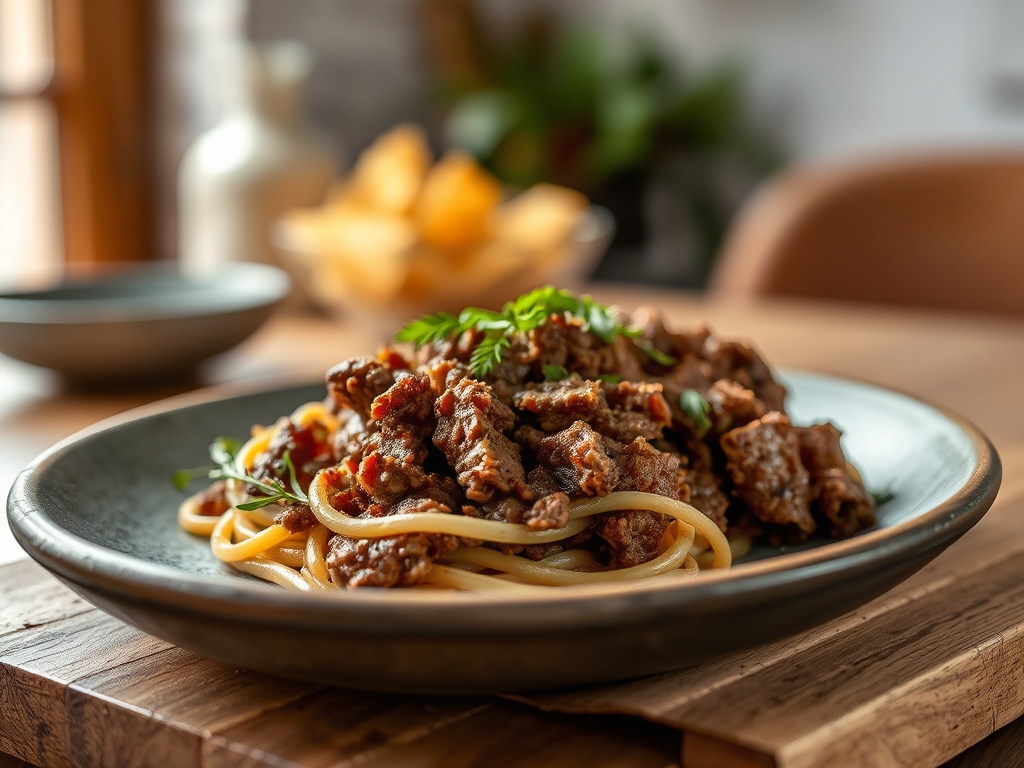
Picture this: it is Tuesday night and you are staring at a plastic container of grey, slightly sad-looking crumbles in the fridge. We have all been there; that leftover taco meat or plain browned chuck feels like a culinary dead end. However, unlocking the potential of leftover ground beef recipes is actually an exercise in high-level molecular chemistry. That meat has already undergone the Maillard reaction, meaning the amino acids and reducing sugars have created a complex flavor profile that just needs a little scientific nudge to sing again.
We are not just reheating; we are re-engineering. By understanding how to manage moisture and fat distribution, we can transform that dense protein into something vibrant and silky. Whether we are talking about a piquant ragu or a crispy Mediterranean flatbread, the goal is to introduce new textures and bright acidity to balance the deep, savory notes of the beef. Let us turn that fridge-cold lump into a five-star masterpiece that tastes better than the original meal.
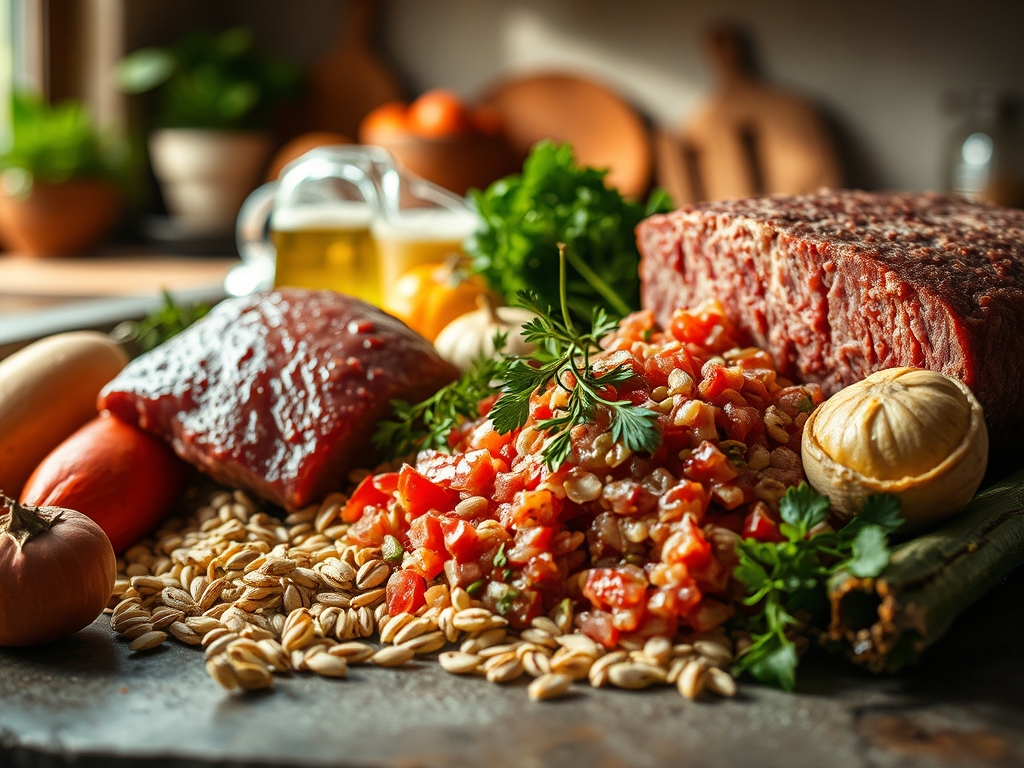
The Gathers:
To execute these transformations, your mise-en-place must be precise. Start with your cold protein; the fat will be solidified, which is actually a benefit for texture control. You will need a high-quality fat source to restore juiciness, such as a grass-fed butter or a cold-pressed olive oil. Gather your aromatics: shallots, garlic, and perhaps a bulb of fennel for a sophisticated anise note. Use a microplane to zest citrus or grate hard cheeses like Pecorino Romano to create a fine, snow-like texture that melts instantly into the beef.
Smart Substitutions are the secret to versatility. If you lack fresh tomatoes for a quick sauce, a tablespoon of tomato paste diluted with bone broth creates a more concentrated, viscous base. For those avoiding nightshades, a puree of roasted red peppers offers a similar sweetness and body. If the beef feels too lean, whisk an egg yolk into your final sauce off the heat to create a rich, golden emulsion that coats every fiber of the meat without feeling greasy.
The Clock
Efficiency in the kitchen is all about "Chef's Flow." This is the practice of overlapping tasks so that no heat is wasted. For most leftover ground beef recipes, your prep time is a mere ten minutes because the primary protein is already cooked. The actual "fire time" on the stove is usually twelve to fifteen minutes.
The flow works like this: while your heavy-bottomed skillet preheats, you chop your aromatics. As the aromatics sweat, you temper your beef by letting it sit at room temperature for five minutes. This prevents the "thermal shock" that causes protein fibers to seize and leak moisture. By the time your onions are translucent, your beef is ready to hit the pan for a quick sear, followed by a three-minute rest period to allow juices to redistribute.
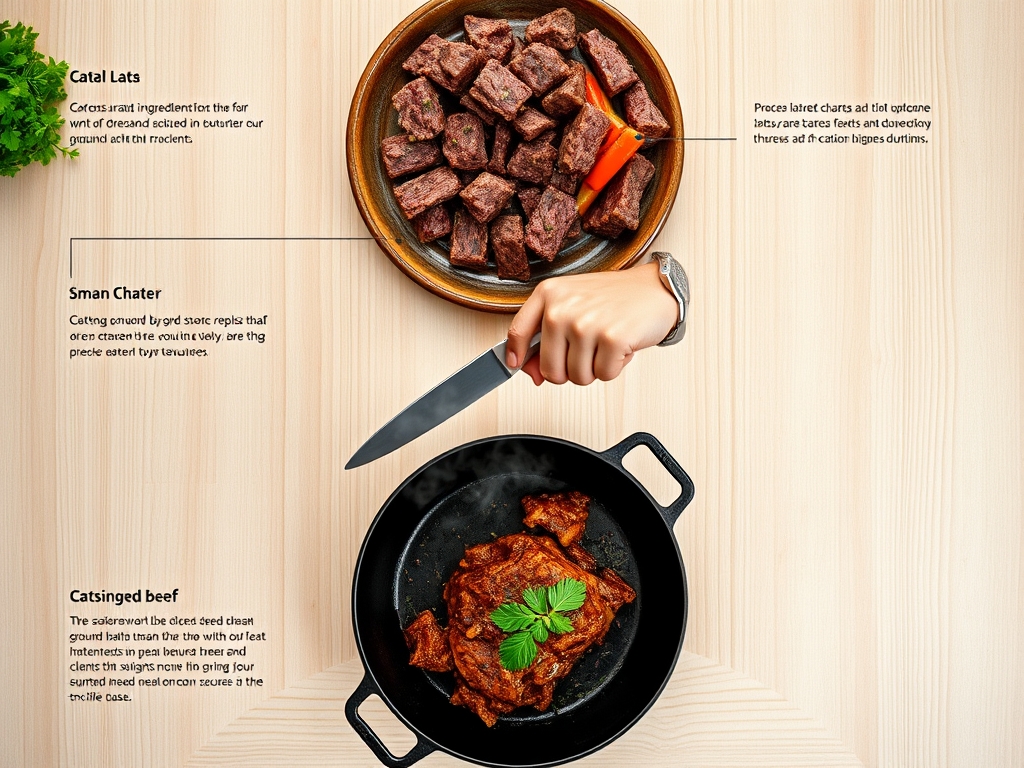
The Masterclass
1. The High-Heat Sear
Place your heavy-bottomed skillet over medium-high heat until a drop of water flicked onto the surface dances and evaporates instantly. Add a thin film of neutral oil and then the beef. Do not crowd the pan; you want to encourage further browning without steaming the meat. Use a bench scraper or a stiff spatula to press the beef down, ensuring maximum surface contact.
Pro Tip: This step utilizes pyrolysis, the chemical decomposition of organic matter by heat. Even though the meat is cooked, this quick blast of high heat creates new flavor compounds that mask any "reheated" taste.
2. Deglazing the Fond
Once you see dark brown bits sticking to the bottom of the pan, pour in a splash of dry white wine or beef stock. Use your spatula to scrape those bits, known as the fond, back into the mixture. This is where the concentrated savory power lives.
Pro Tip: This process is called deglazing. The liquid acts as a solvent, lifting the caramelized proteins and sugars into a solution that becomes the base of your new sauce, ensuring no flavor is left behind on the metal.
3. Infusing Aromatics and Fats
Lower the heat and add your butter, garlic, and herbs. Use a saucier if you are making a larger batch of sauce, as the rounded bottom allows for better whisking. Toss the beef continuously to coat every piece in the flavored fat.
Pro Tip: Fat is a flavor carrier. By infusing the fat with aromatics before it coats the beef, you are essentially "waterproofing" the meat fibers with flavor, which prevents the beef from tasting dry or grainy.
4. Balancing with Acidity
Just before serving, stir in a teaspoon of lemon juice, red wine vinegar, or even a splash of pickle brine. This cuts through the heaviness of the rendered beef fat and brightens the entire dish.
Pro Tip: Acidity acts as a chemical contrast to fat. It stimulates the salivary glands, which makes the savory flavors of the beef feel more intense and less cloying on the palate.
The Deep Dive
From a nutritional standpoint, leftover ground beef remains a powerhouse of bioavailable iron, B12, and zinc. A standard four-ounce serving provides roughly 25 to 30 grams of protein. If you are following a Keto protocol, focus on adding healthy fats like avocado or a heavy cream reduction. For a Vegan-adjacent swap, you can mix the beef 50/50 with cooked lentils to increase fiber while maintaining that meaty texture. For Gluten-Free needs, ensure your thickeners are cornstarch or arrowroot rather than flour.
"The Fix-It" guide for common pitfalls:
- The Beef is Dry: Add a tablespoon of beef bone broth and a pat of butter; cover the pan for sixty seconds to create a steam-chamber that rehydrates the protein.
- The Flavor is Dull: You likely need salt and acid. Add a dash of Worcestershire sauce or soy sauce for an umami bomb.
- The Texture is Mushy: You likely added too much liquid. Crank the heat and remove the lid to evaporate the excess moisture, then toss with toasted breadcrumbs for a textural contrast.
For meal prep success, the science of reheating is vital. Avoid the microwave if possible, as it vibrates water molecules so violently that it tears the protein structures, leading to a rubbery texture. Instead, use a pan with a lid on low heat to gently "bathe" the meat in its own steam.
The Wrap-Up
Transforming your leftovers is more than just a chore; it is an opportunity to play with flavor profiles and professional techniques. By mastering the art of the sear and the balance of acidity, you turn a humble ingredient into a gourmet experience. Don't let that beef sit in the back of the fridge. Grab your favorite skillet, turn up the heat, and create something spectacular tonight. You have the tools, the science, and the talent to make it happen!
The Kitchen Table
How do I keep leftover beef from getting rubbery?
Avoid high-power microwaving. Instead, reheat the beef in a skillet over low heat with a tablespoon of water or broth. Cover with a lid to trap steam, which gently hydrates the protein fibers without toughening them through overexposure to heat.
Can I freeze cooked ground beef for later?
Yes, you can freeze it for up to three months. Store it in an airtight, vacuum-sealed bag to prevent freezer burn. To use, thaw it in the refrigerator overnight to maintain the structural integrity of the meat's cellular walls.
What is the fastest way to add flavor to plain beef?
Deglaze your pan with a splash of balsamic vinegar or soy sauce. The sugars will quickly caramelize, while the acidity and salt provide an immediate "pop" that penetrates the dense meat, making it taste freshly prepared and highly seasoned.
Is it safe to reheat ground beef more than once?
Technically yes, if it reaches an internal temperature of 165 degrees Fahrenheit. However, each reheating cycle degrades the texture and moisture content. It is best to only reheat the portion you plan to consume immediately to maintain optimal food quality.