
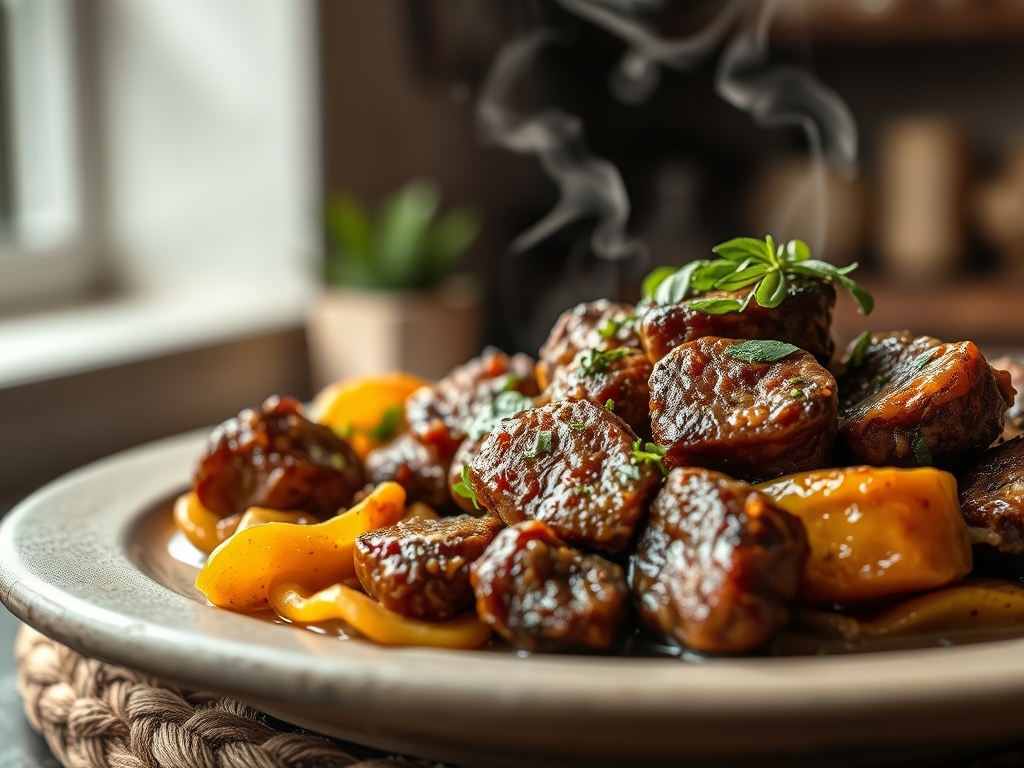
The scent of toasted cumin and searing fat hits you before the pan even touches the table. It is that intoxicating, golden-hour aroma that defines the best mediterranean beef recipes. We are talking about beef that has been transformed by fire, acid, and ancient spices into something that feels both indulgent and impossibly light. Whether it is a charred ribeye rubbed with sumac or a slow-simmered tagine, these dishes rely on the perfect balance of savory protein and bright, citrus-forward aromatics. This is not just cooking; it is an exercise in balancing the heavy richness of bovine fats with the sharp, piquant lift of the Mediterranean coast.
When we dive into these mediterranean beef recipes, we are looking for more than just a meal. We are looking for that specific chemical magic where lemon juice breaks down tough connective tissues and olive oil carries the fat-soluble compounds of rosemary straight to your taste buds. This guide is your backstage pass to mastering ten iconic variations of this flavor profile. We will move from the high-heat sear of the Levant to the low-and-slow braises of Southern Europe. Grab your favorite heavy-bottomed skillet and a glass of something crisp. We are about to turn your kitchen into a sun-drenched taverna.
The Gathers:
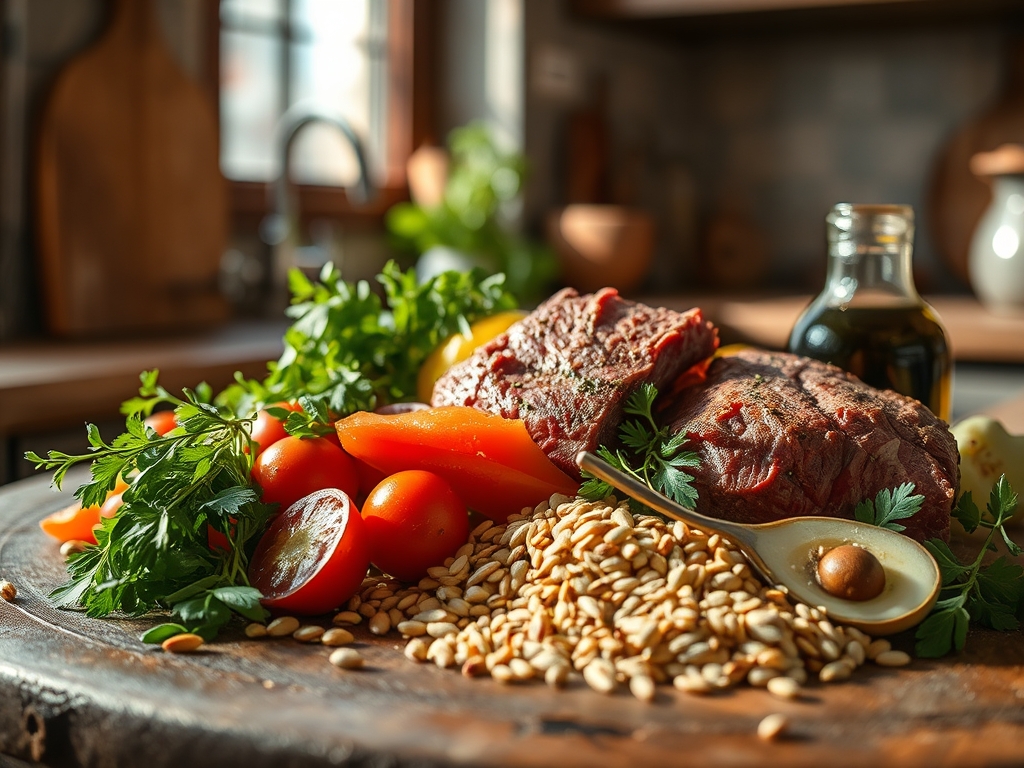
Setting up your station, or mise-en-place, is where the science begins. For world-class mediterranean beef recipes, your ingredient list must prioritize high-quality fats and volatile aromatics. You will need a digital scale to ensure your spice blends are precise, as the ratio of salt to dry rub dictates the osmotic pressure that draws moisture back into the meat fibers.
The core components include grass-fed beef cuts like flank, sirloin, or chuck. You will also need high-phenolic extra virgin olive oil, which acts as a viscous medium for heat transfer. Aromatics are non-negotiable: fresh garlic cloves, flat-leaf parsley, and bright red Aleppo pepper flakes. For the acidic lift, keep lemons and red wine vinegar within reach to denature proteins and brighten the heavy lipid profile of the beef.
Smart Substitutions:
If you cannot find Aleppo pepper, a mix of sweet paprika and a pinch of cayenne mimics that fruity heat. If you are out of fresh lemons, a splash of verjus or a high-quality white balsamic provides the necessary pH drop without the floral notes. For a leaner profile, swap the ribeye for a top round, but ensure you use a jaccard meat tenderizer to break up the dense muscle fibers before marinating.
The Clock
Efficiency in the kitchen is all about "Chef's Flow." For these mediterranean beef recipes, expect a total active time of 45 minutes, though marination can take anywhere from two to twenty-four hours. The flow starts with the infusion phase: prepping your rubs and letting the beef reach room temperature. Cold meat in a hot pan causes the muscle fibers to contract violently, squeezing out precious juices.
The cooking phase is rapid. High-heat searing takes about 8 to 12 minutes depending on the thickness of the cut. Finally, the "Resting Phase" is the most overlooked part of the clock. You must allow at least 10 minutes for the internal pressure to stabilize. This allows the liquid to redistribute from the center back to the edges, ensuring every bite is uniformly succulent.
The Masterclass
1. The Surface Prep
Dry your beef thoroughly using paper towels until the surface is matte. Use a bench scraper to clear your board of any moisture. A dry surface is the only way to achieve a true crust.
Pro Tip: This facilitates the Maillard reaction, a chemical reaction between amino acids and reducing sugars that creates hundreds of different flavor compounds. Moisture is the enemy of browning because energy is wasted evaporating water instead of searing the meat.
2. The Spice Infusion
Apply your dry rub of cumin, coriander, and salt. Use your hands to press the spices into the grain. Let it sit for 20 minutes to allow the salt to penetrate the cell walls.
Pro Tip: Salt acts as a brining agent, changing the structure of the proteins so they can hold onto more water during the high-heat cooking process.
3. The High-Heat Sear
Heat your heavy-bottomed skillet until the oil reaches its smoke point. Lay the beef away from you to avoid splashes. Use tongs to press the meat down for maximum surface contact.
Pro Tip: Use a cast iron pan for its high thermal mass. It retains heat better than stainless steel, preventing the pan temperature from dropping when the cold meat is added.
4. The Deglaze and Emulsify
Once the beef is removed, the pan will be covered in "fond" or browned bits. Pour in a splash of beef stock or red wine and use a saucier whisk to scrape the bottom.
Pro Tip: This process captures the concentrated flavors left behind. Adding a cold knob of butter at the end will emulsify the sauce, creating a glossy, thick coating that clings to the meat.
5. The Rest and Slice
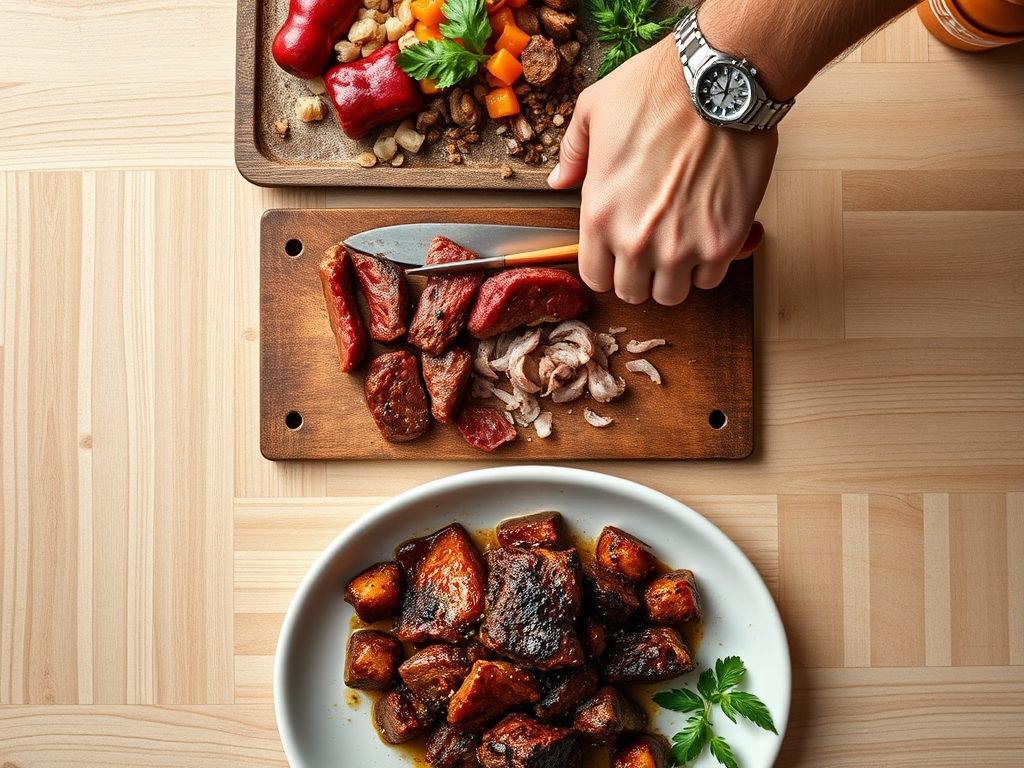
Move the beef to a warm cutting board. Slice against the grain using a sharp chef's knife. Note the texture in the step-by-step photos below for the ideal medium-rare finish.
Pro Tip: Slicing against the grain shortens the muscle fibers, making the meat significantly easier to chew. This is a mechanical way to increase the perceived tenderness of the dish.
The Deep Dive
When we look at the macro profile of these mediterranean beef recipes, we see a powerhouse of nutrition. A standard 6-ounce serving provides roughly 42g of protein and a significant dose of heme iron and B12. By pairing the beef with healthy fats like olive oil and fiber-rich vegetables, you create a meal that has a low glycemic index and high satiety.
Dietary Swaps:
For those following a Keto protocol, replace any side starches with roasted cauliflower or a heavy tahini drizzle. Vegan friends can mimic these flavors using thick-cut "steaks" of lion's mane mushrooms or eggplant, though you should increase the umami with a splash of soy sauce or liquid aminos. All recipes here are naturally Gluten-Free as long as you avoid flour-based thickeners in your sauces.
The Fix-It:
- Tough Meat: If the beef is chewy, you likely skipped the rest period or sliced with the grain. Fix this by slicing the remaining meat into thinner strips and tossing them in an acidic dressing.
- Burnt Spices: If your dry rub turned bitter, your pan was too hot for the delicate oils in the spices. Next time, sear the meat plain and add the spices during the last two minutes.
- Gray Meat: If the meat looks boiled rather than seared, the pan was overcrowded. Cook in batches to maintain the temperature.
Meal Prep:
To reheat without losing quality, avoid the microwave. Use a low-temperature oven (275F) with a splash of water covered in foil. This creates a gentle steam environment that prevents the proteins from tightening further, maintaining that "day-one" tenderness.
The Wrap-Up
Mastering mediterranean beef recipes is about more than just following a list of ingredients; it is about understanding the intersection of heat, fat, and acid. When you use your microplane to zest a fresh lemon over a perfectly seared flank steak, you are finishing a masterpiece of culinary chemistry. These dishes are vibrant, soulful, and scientifically sound. Now, take these techniques, trust your senses, and go create something that would make a Mediterranean grandmother proud. Your kitchen is ready for the heat.
The Kitchen Table
What is the best cut of beef for Mediterranean recipes?
For quick searing, use flank steak or sirloin. These cuts have a robust grain that holds onto marinades beautifully. For slow-cooked stews or tagines, choose chuck roast or brisket, as the high collagen content melts into a rich, viscous sauce.
How do I make my beef more tender?
Tenderness comes from breaking down muscle fibers. Use an acidic marinade containing lemon juice or vinegar for at least two hours. Additionally, always slice the meat against the grain to ensure the shortest possible fiber length for easier chewing.
Can I make these recipes in a slow cooker?
Yes, but you must sear the beef in a heavy-bottomed skillet first. The slow cooker cannot reach the temperatures required for the Maillard reaction. Searing first locks in the deep, savory flavors that a slow cooker alone cannot produce.
Why does my beef turn gray instead of brown?
Gray meat is a sign of moisture interference. If the beef is wet when it hits the pan, or if the pan is overcrowded, the meat steams in its own juices. Always pat the beef dry and leave space between pieces.