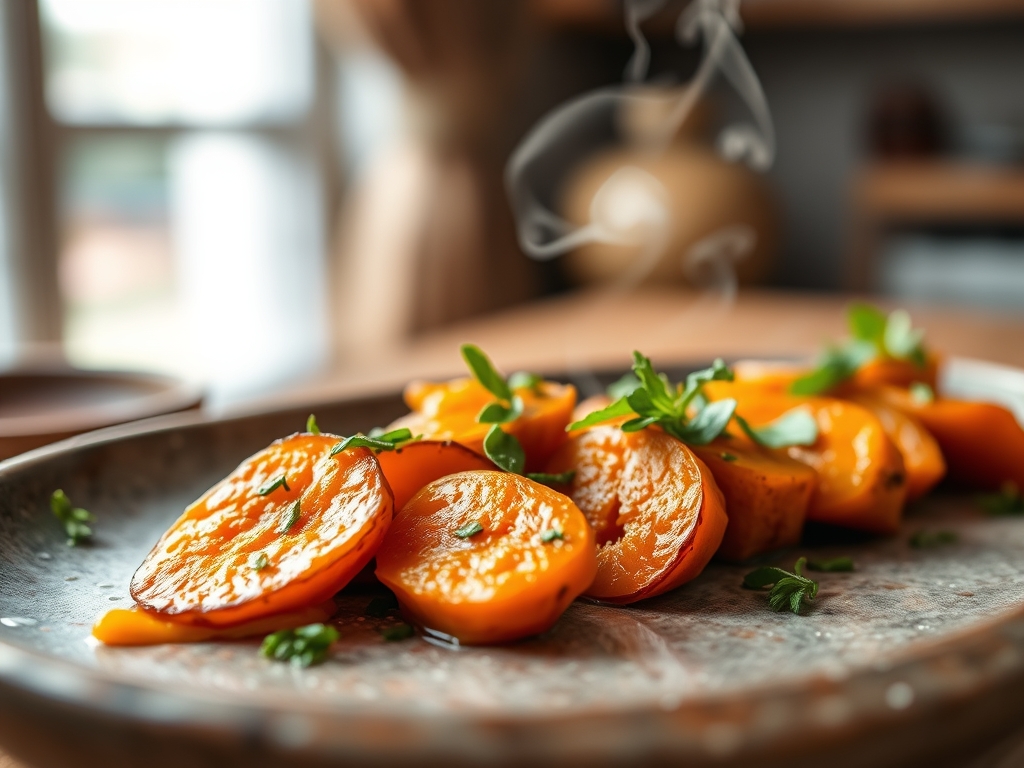
Imagine the smell of caramelized sugar hitting a hot cast iron surface; it is a scent that bridges the gap between a cozy autumn afternoon and a bustling street market in Seoul. We are not just talking about any tuber here. We are diving into the world of asian sweet potato recipes where the flesh is as dense as fudge and the skin turns into a crisp, candy-like shell. Whether it is the purple-hued Ube or the chestnut-flavored Satsumaimo, these vegetables are the undisputed royalty of the pantry. They possess a higher starch-to-sugar ratio than their orange cousins, meaning they hold their shape under intense heat while developing a deep, honeyed sweetness that feels almost illegal. If you have ever felt let down by a soggy, bland yam, prepare for a total paradigm shift. We are going to harness high-heat roasting and savory glazes to transform these humble roots into something truly spectacular. It is time to stop treating them like a side dish and start treating them like the main event.
The Gathers:
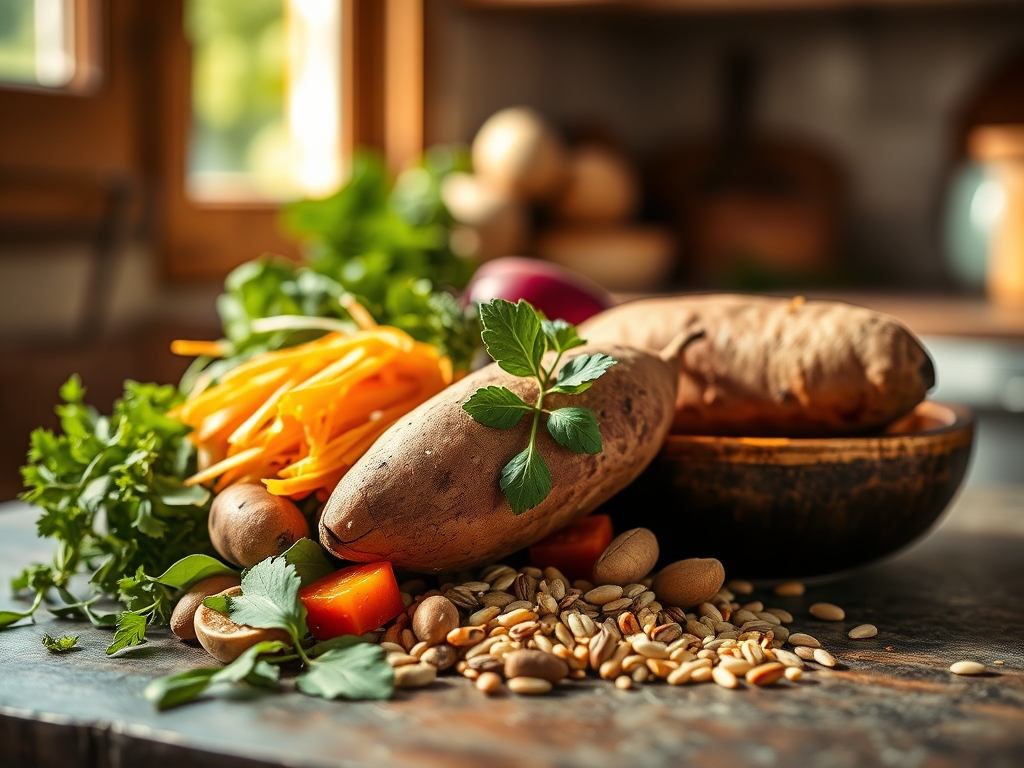
To master these asian sweet potato recipes, your mise-en-place must be precise. Start with Japanese Sweet Potatoes (Satsumaimo) or Korean Yams. You are looking for tubers that feel heavy for their size, indicating high moisture content and dense cellular structure. You will need a viscous liquid base: think dark soy sauce for umami, mirin for a glossy sheen, and toasted sesame oil to provide a nutty aromatic backbone. For the crunch, gather black sesame seeds and flaky sea salt.
Smart Substitutions: If you cannot find Satsumaimo, the Stokes Purple variety offers a similar dry, starchy texture. If mirin is missing from your pantry, a mix of dry sherry and a teaspoon of agave nectar will mimic that fermented sweetness. For a piquant kick, swap standard chili flakes for Gochugaru; its smoky, sun-dried profile is far more nuanced. Use a digital scale to measure your potatoes; accuracy here ensures your glaze-to-starch ratio is perfect every time.
The Clock:
Efficiency in the kitchen is all about the Chef's Flow. Your total active prep time is roughly 15 minutes, focusing on the precision of the cut. The roasting phase takes 35 to 45 minutes depending on the diameter of your cubes. While the potatoes undergo their transformation in the oven, you have a 10-minute window to render your glaze in a saucier. This overlap ensures that the glaze is hot and fluid the exact moment the potatoes emerge, allowing for maximum absorption. Total time from pantry to plate is under an hour, making this a viable weeknight luxury.
The Masterclass:
1. The Precision Dice
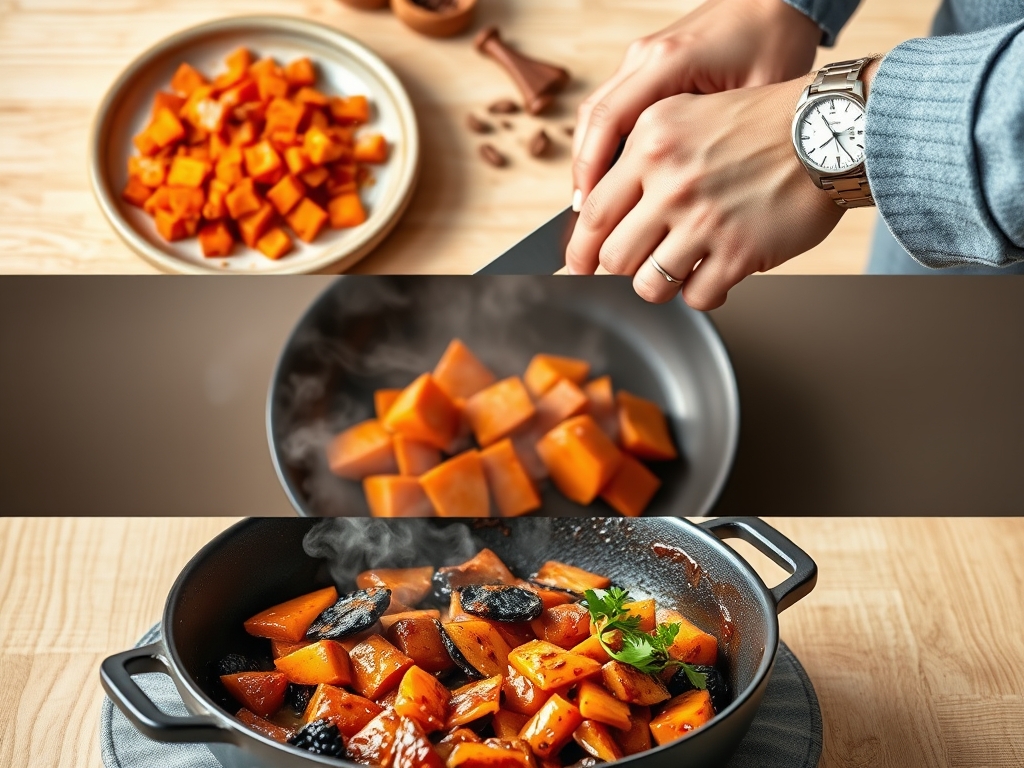
Using a sharpened chef's knife or a bench scraper to organize your workspace, cut the potatoes into uniform 1-inch cubes. Keeping the skin on is non-negotiable; it provides structural integrity and a rustic aesthetic.
Pro Tip: Uniformity is not just for looks. Consistent sizing prevents smaller pieces from carbonizing while larger ones remain raw, a phenomenon known as uneven thermal conductivity.
2. The Cold Water Shock
Submerge your cubes in a bowl of ice-cold water for 10 minutes. Use your hands to agitate the water, drawing out the excess surface starch until the liquid runs clear.
Pro Tip: This step prevents the potatoes from sticking to the pan. By removing surface starch, you inhibit the enzymatic browning that happens too quickly, allowing the interior to steam perfectly before the exterior burns.
3. The High-Heat Roast
Pat the cubes bone-dry with a lint-free towel. Toss them in a high-smoke-point oil (like grapeseed) and spread them on a preheated heavy-duty baking sheet. Roast at 425 degrees Fahrenheit.
Pro Tip: Preheating the tray initiates an immediate Maillard reaction upon contact. This creates a "sear" that locks in moisture, preventing the interior from becoming fibrous or woody.
4. The Glaze Infusion
In a small saucier, combine your soy, mirin, and ginger. Simmer until the liquid reduces by half, becoming thick enough to coat the back of a spoon. Use a microplane to zest in fresh lime at the very last second.
Pro Tip: Reducing the glaze increases the concentration of solutes. This creates a viscous syrup that clings to the potato's crannies rather than pooling at the bottom of the bowl.
5. The Aerated Toss
Once the potatoes are fork-tender and golden, transfer them to a large stainless steel bowl. Pour the hot glaze over them and use tongs to toss vigorously, ensuring every surface is sealed.
Pro Tip: Tossing while hot utilizes thermal carryover. The residual heat of the potato helps the sugars in the glaze slightly caramelize further, creating a "lacquered" finish.
6. The Aromatic Garnish
Immediately sprinkle with toasted sesame seeds and thinly sliced scallions. The heat from the potatoes will slightly wilt the greens, releasing their volatile oils.
Pro Tip: This is called flash-infusing. The heat energy breaks down the scallion's cell walls, releasing sulfurous compounds that cut through the heavy sweetness of the yam.
7. The Resting Period
Let the dish sit for three minutes before serving. This allows the glaze to set into a tacky, candy-like coating.
Pro Tip: Resting allows the internal steam to redistribute. This ensures the center of the potato is creamy and emulsified with its own natural sugars, rather than being a dry puff of starch.
The Deep Dive:
From a macro perspective, these asian sweet potato recipes are a powerhouse. They are rich in complex carbohydrates and Vitamin A, providing sustained energy without the "crash" associated with refined sugars. To make this Vegan, ensure your sugar source is bone-char free; for Keto enthusiasts, this is a "cheat day" vegetable, though you can minimize the impact by using a monk fruit-based syrup. If you are Gluten-Free, simply swap the soy sauce for Tamari or liquid aminos.
The Fix-It:
- Soggy Texture: This usually means the oven temperature was too low or the pan was crowded. Use two trays to ensure proper airflow.
- Burnt Glaze: If the glaze tastes bitter, the sugars scorched. Fix this by adding a splash of rice vinegar to balance the acridity.
- Tough Skin: This happens if the potatoes are old. A quick 5-minute par-boil before roasting can soften the exterior cellulose.
Meal Prep Science: To reheat, avoid the microwave at all costs; it turns the glaze into a sticky mess. Instead, use an air fryer or a heavy-bottomed skillet over medium heat. This re-crisps the exterior sugars while gently warming the starch molecules back to a soft state.
The Wrap-Up:
There you have it! You are now officially equipped to turn a simple root vegetable into a culinary masterpiece. These asian sweet potato recipes are all about the balance of salt, heat, and sugar. Don't be afraid to let those edges get a little dark; that is where the flavor lives. Grab your tongs, fire up that oven, and get ready to impress everyone at the table (including yourself). You've got the science, the tools, and the flavor profile to win. Now, go make some magic!
The Kitchen Table:
Which asian sweet potato is best for roasting?
The Japanese Satsumaimo is the gold standard. Its high starch content and purple skin create a distinct chestnut flavor and a creamy, fudge-like interior that holds up perfectly under high heat compared to watery orange varieties.
How do I keep the potatoes from sticking to the tray?
Always preheat your baking sheet before adding the oil and potatoes. This creates an immediate steam barrier between the vegetable and the metal, ensuring the sugars caramelize on the potato rather than bonding to the pan.
Can I make these ahead of time for a party?
Yes, but roast them fully and store the glaze separately. Reheat the potatoes in a hot oven for five minutes to regain their crispness, then toss them in the warmed glaze right before serving for the best texture.
Why do I need to soak them in water first?
Soaking removes excess surface starch. Without this step, the starch granules gelatinize too quickly on the surface, creating a gummy film that prevents the skin from becoming truly crisp and "shattery" during the roasting process.