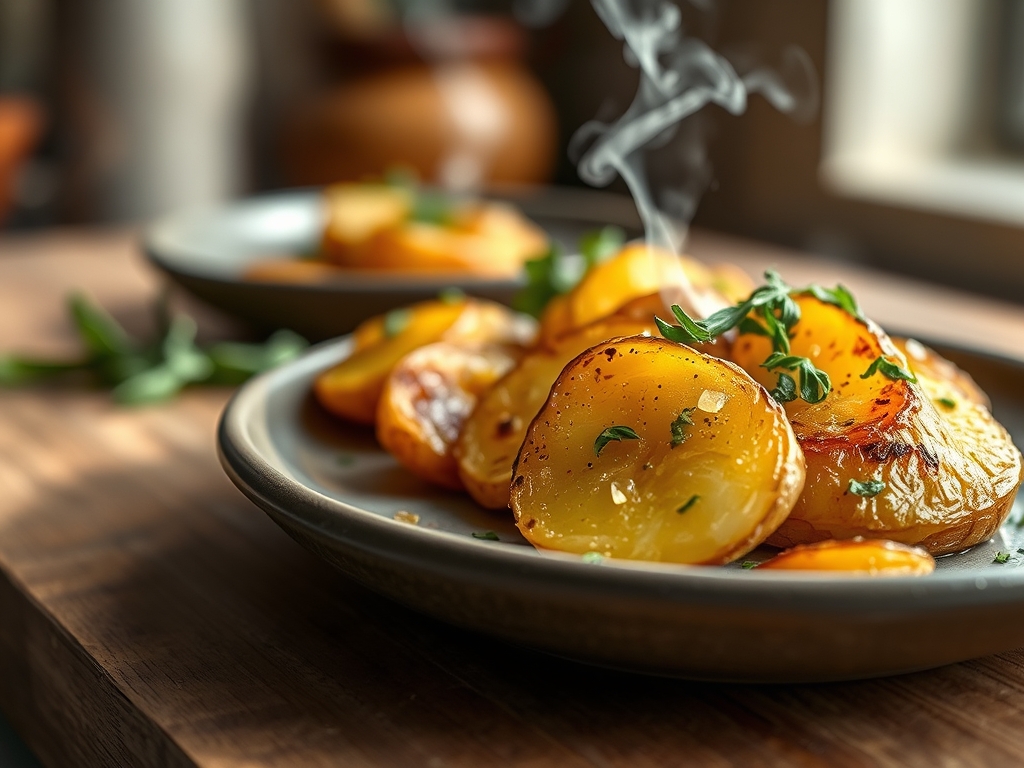
Picture the golden, jagged edges of a starch-heavy Russet meeting the searing heat of a heavy-bottomed skillet. That sharp, savory aroma is the Maillard reaction in real time; it is the smell of comfort evolving into high art. If you are tired of the same old mash, these unique potato recipes will redefine your kitchen repertoire through the lens of molecular gastronomy and sheer indulgence.
We are moving beyond the basic boil. We are talking about the structural integrity of a perfect crust and the silky, viscous interior of a potato that has been treated with the respect it deserves. Whether you are hosting a dinner party or just treating yourself after a long Tuesday, the humble tuber is your blank canvas for culinary excellence. It is time to stop viewing the potato as a side dish and start treating it like the star of the show. We are diving deep into the chemistry of crispiness and the physics of the perfect fluff.
The Gathers:
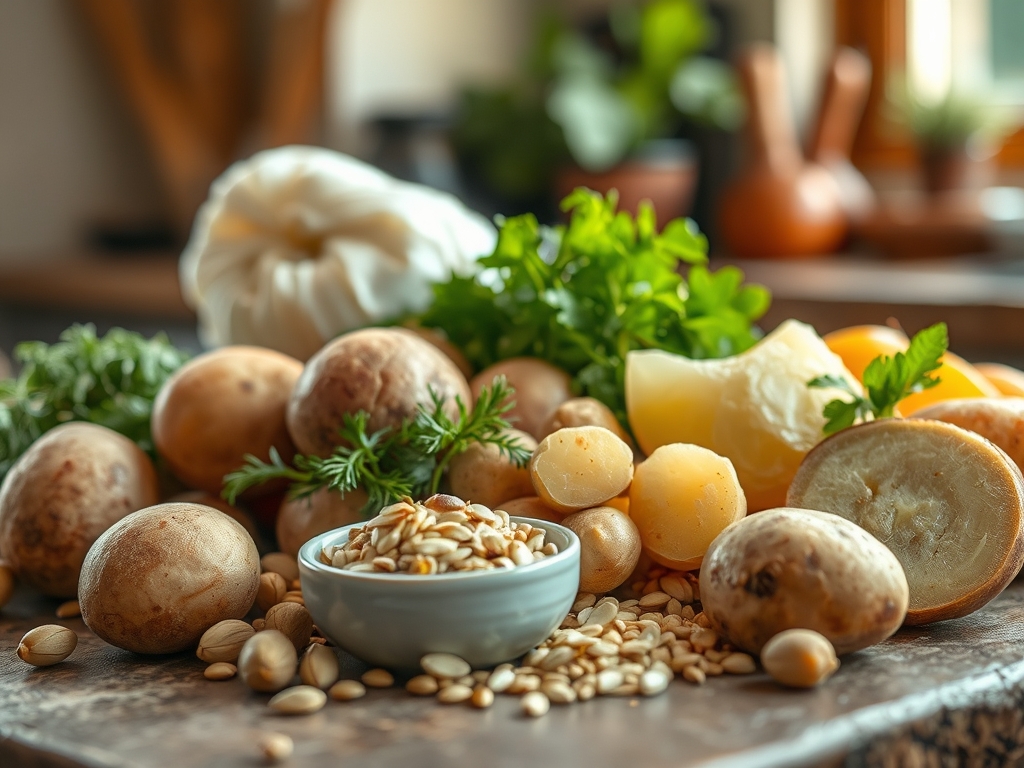
To execute these unique potato recipes, your mise-en-place must be precise. Start with high-starch Russets for frying and waxy Yukon Golds for anything requiring a creamy, emulsified finish. You will need a high-quality fat source; think grass-fed butter for its high milk solid content or duck fat for its superior smoke point and piquant flavor profile. Fresh aromatics are non-negotiable. Grab a bundle of woody rosemary, thyme, and a head of garlic to infuse your fats.
Your toolkit is your best friend here. Ensure you have a sharp mandoline for uniform slicing; this ensures even cooking times across the board. A microplane is essential for grating hard cheeses or zest directly over the finished product to preserve volatile oils. For the Smart Substitutions, if you are avoiding dairy, a high-quality cashew cream can mimic the mouthfeel of heavy cream due to its similar fat-to-protein ratio. If you lack duck fat, beef tallow provides a similar savory depth and excellent heat stability for that perfect golden hue.
The Clock:
Efficiency in the kitchen is all about the Chef's Flow. For these unique potato recipes, expect a total commitment of about 75 minutes. Prep work takes roughly 20 minutes; this involves the washing, peeling, and precision cutting required to maximize surface area for browning. The cooking phase spans 45 to 55 minutes, depending on the density of the tuber and the thermal conductivity of your cookware.
The Chef's Flow dictates that you should be prepping your aromatics while the potatoes undergo their initial parboil. Parboiling is a critical phase; it gelatinizes the exterior starch, which later dehydrates in the oven to create a glass-like crunch. Never rush the cooling phase after boiling. Allowing the steam to escape prevents the potatoes from becoming gummy, ensuring the final texture is light and aerated rather than dense and sodden.
The Masterclass:
1. The Precision Parboil
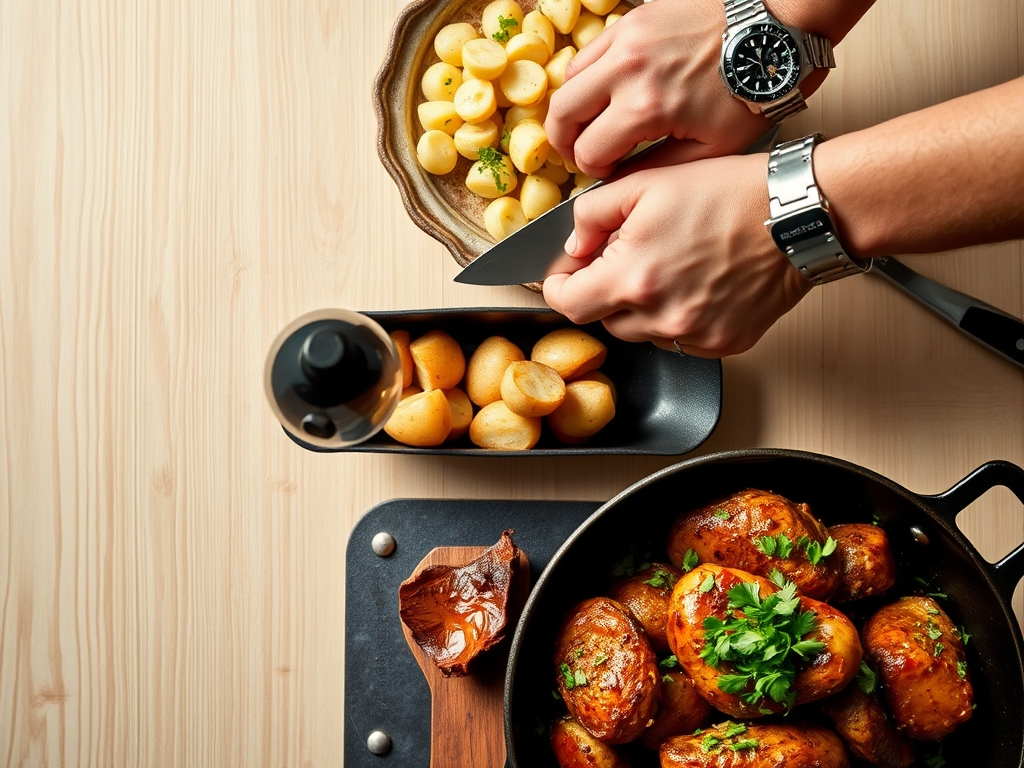
Start by placing your cubed potatoes in cold, heavily salted water. Bringing the water to a boil gradually ensures the potato cooks evenly from the center out to the edge. Add a teaspoon of baking soda to the water to break down the pectin on the surface.
Pro Tip: The baking soda creates an alkaline environment that breaks down the starch more aggressively; this increases the surface area for the Maillard reaction, resulting in a crunchier exterior.
2. The Dehydration Phase
Once the potatoes are fork-tender, drain them in a colander and shake them vigorously. You want to roughen up the edges until a starchy paste forms on the outside. Let them sit for five minutes to allow excess moisture to evaporate.
Pro Tip: This is known as surface area maximization. The more "fuzz" you create on the potato surface, the more places the hot fat can settle to create a crisp crust.
3. The Fat Infusion
While the potatoes dry, heat your heavy-bottomed skillet or roasting pan with your chosen fat. Toss in smashed garlic cloves and rosemary sprigs to infuse the oil. Once the fat is shimmering but not smoking, carefully add your potatoes.
Pro Tip: Infusing the fat at a lower temperature before adding the potatoes prevents the aromatics from burning while ensuring the flavor molecules are evenly distributed.
4. The High-Heat Roast
Spread the potatoes in a single layer; crowding the pan will cause them to steam rather than fry. Roast at 425 degrees Fahrenheit, turning them every 15 minutes with tongs to ensure every side achieves a deep, mahogany brown.
Pro Tip: Thermal carryover means the potatoes will continue to cook for a few minutes after leaving the oven. Pull them when they are just a shade lighter than your desired final color.
5. The Aerated Finish
For recipes involving a mash or puree, use a ricer or food mill rather than a blender. Pushing the cooked potato through small perforations keeps the starch granules intact. Fold in cold, cubed butter and warm cream using a silicone spatula.
Pro Tip: Blending potatoes at high speeds shears the starch molecules, releasing amylose and turning your beautiful mash into a gluey, unappetizing paste.
The Deep Dive:
From a macro nutrition perspective, potatoes are a powerhouse of complex carbohydrates and potassium. To keep these unique potato recipes balanced, pair them with high-quality proteins to slow the glycemic response. For dietary swaps, vegan enthusiasts can utilize nutritional yeast for a cheesy umami hit, while those on a keto-adjacent path should focus on smaller portions of waxy potatoes, which have a slightly lower glycemic index than Russets.
The Fix-It: If your potatoes are sticking to the pan, you likely didn't let the fat get hot enough before adding them; wait for the sizzle. If they are burnt on the outside but raw inside, your oven temperature is too high; lower the heat and cover with foil to allow the center to catch up. If they are soggy, you overcrowded the pan; give them space to breathe. For meal prep, reheat your potatoes in an air fryer or a hot oven. Microwaving destroys the crystalline structure of the crust, but a quick blast of dry heat restores that day-one crunch by re-dehydrating the surface.
The Wrap-Up:
Mastering unique potato recipes is about understanding the intersection of heat, fat, and starch. By manipulating the pH of your boiling water and respecting the cooling process, you transform a pantry staple into a gourmet experience. Don't be afraid to experiment with different fats or exotic spices like smoked paprika or sumac. Your kitchen is a laboratory, and the potato is your most versatile subject. Now, grab your apron and start roasting; your best meal yet is only a few degrees of heat away.
The Kitchen Table:
Why do my roasted potatoes turn out soft?
Soft potatoes usually result from overcrowding the pan or insufficient fat. When potatoes are too close, they release steam that softens the exterior. Ensure each piece has space and is thoroughly coated in high-heat oil or animal fat.
Can I use red potatoes for mashing?
You can, but the texture will be different. Red potatoes are waxy and low in starch, leading to a creamier, heavier mash. For a light and fluffy result, always opt for starchy varieties like Russets or Yukon Golds.
How do I prevent potatoes from browning after cutting?
Enzymatic browning occurs when oxygen hits the cut surface. To prevent this, immediately submerge your sliced potatoes in a bowl of cold water. Adding a splash of lemon juice or vinegar further inhibits the browning enzymes through acidity.
Is it necessary to peel potatoes for these recipes?
Peeling is a matter of preference and texture. Skins provide added fiber and a rustic earthy flavor, but for a high-end, silky puree or a perfectly uniform roast, removing the skin allows for better starch manipulation and heat distribution.