
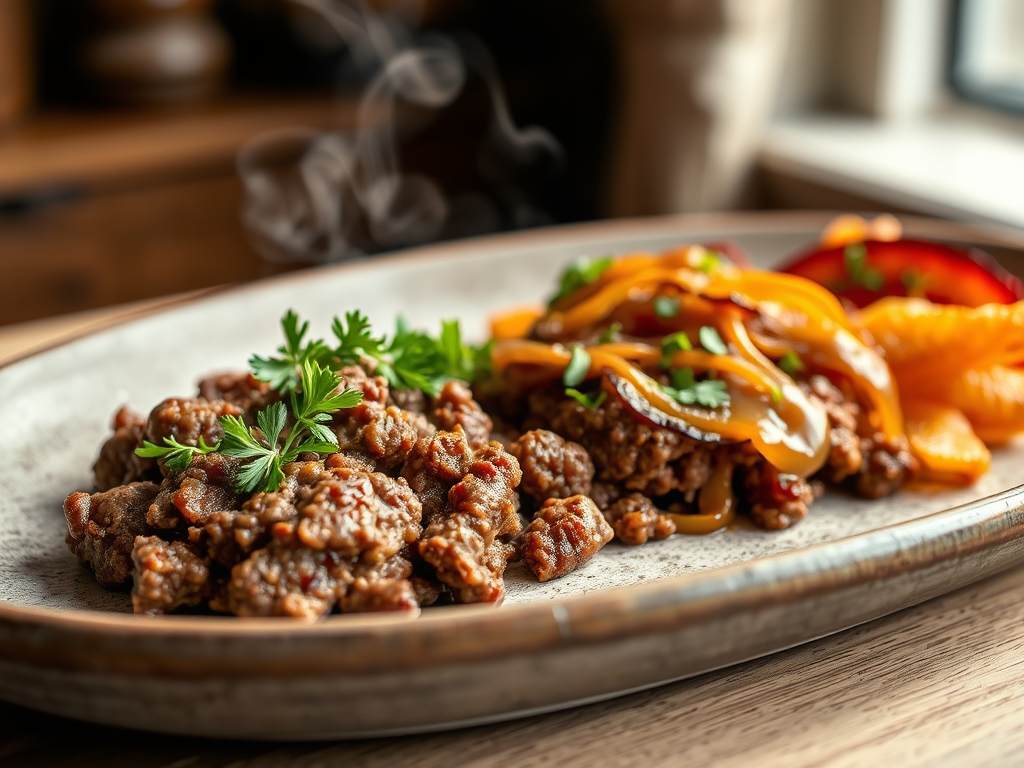
Picture the sound of a heavy bottomed skillet meeting a roaring flame; that rhythmic sizzle is the overture to a culinary masterpiece. When you are hunting for different ground beef recipes, you are actually seeking a canvas for chemical transformation. We are moving far beyond the basic burger into a world where protein becomes art through heat and precision.
Ground beef is the ultimate kitchen workhorse, but it is often treated with a lack of imagination that borders on criminal. To truly master different ground beef recipes, you must understand that this meat is a collection of muscle fibers and fat globules just waiting for the right catalyst. Whether you are aiming for a silky bolognese or a piquant Asian stir fry, the secret lies in how you manipulate the surface area of the meat. By the time we are finished, you will be treating your kitchen like a laboratory and your dinner guests like royalty. We are going to explore seven distinct paths that turn a humble pound of chuck into a high density nutritional powerhouse. Grab your favorite apron; it is time to stop just cooking and start creating.
The Gathers:
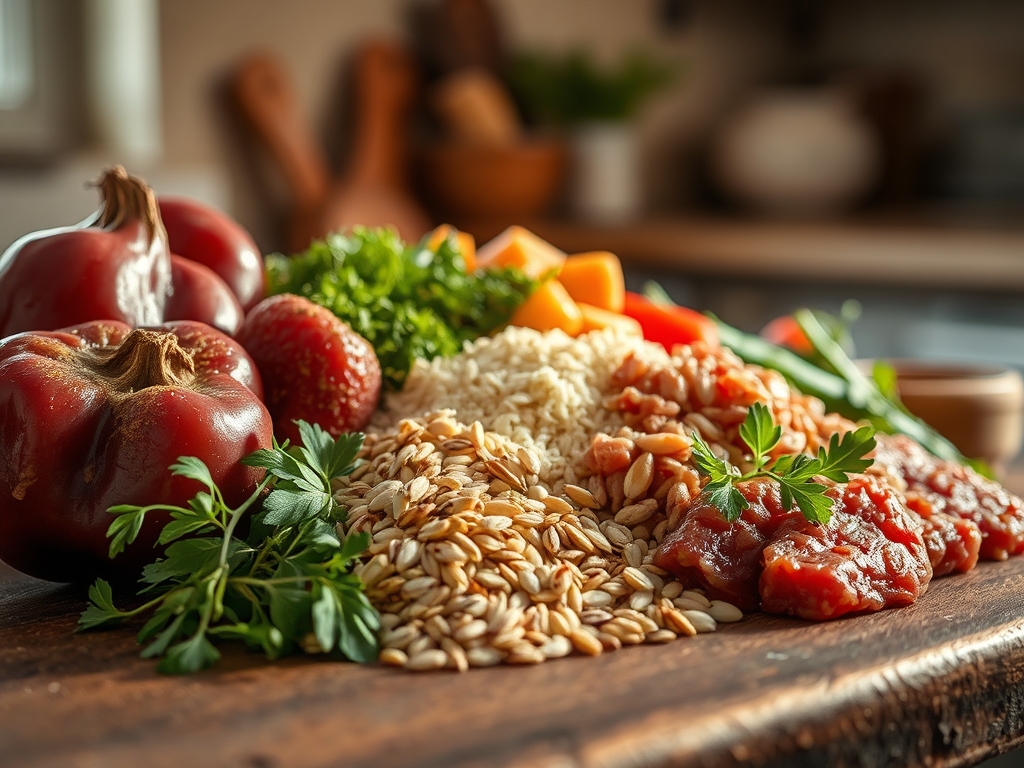
Your mise en place is the foundation of flavor. To execute these different ground beef recipes with precision, you need a balance of lipids, aromatics, and acids. Start with high quality ground beef; a 80/20 lean to fat ratio is the gold standard for moisture retention. You will also need a collection of aromatics: shallots for a delicate sweetness, garlic for pungency, and perhaps some ginger for a bright, peppery bite.
On the scientific side, keep your liquids ready for deglazing. A dry red wine or a splash of rice vinegar can unlock the browned bits of protein stuck to your pan, a process known as recovering the fond. For texture, gather high moisture vegetables like bell peppers or zucchini, which provide a structural contrast to the dense protein.
Smart Substitutions: If you are looking to lighten the caloric load without sacrificing the viscous mouthfeel of beef fat, try a "Mushroom Blend." By finely dicing cremini mushrooms with a bench scraper and mixing them into the beef, you introduce umami rich polysaccharides that mimic the texture of meat while adding hydration. If you lack fresh aromatics, a high quality garlic oil can infuse the dish with flavor without the risk of burning delicate solids.
The Clock
The "Chef's Flow" is all about overlapping tasks to maximize efficiency. For most of these different ground beef recipes, your active prep time will hover around 15 minutes. This involves the mechanical breakdown of vegetables and the weighing of spices on a digital scale. Total cook time varies between 20 minutes for high heat sears and 45 minutes for slow simmered sauces.
The secret to a professional flow is the "Staged Entry." Never crowd your pan. If you throw all your ingredients in at once, you drop the temperature of the skillet, causing the meat to steam in its own juices rather than sear. This leads to a grey, rubbery texture. Instead, brown the meat in batches, set it aside, and then use the rendered fat to sauté your aromatics. This logical progression ensures every component reaches its peak chemical potential before they are unified in the final dish.
The Masterclass
1. The Maillard Sear
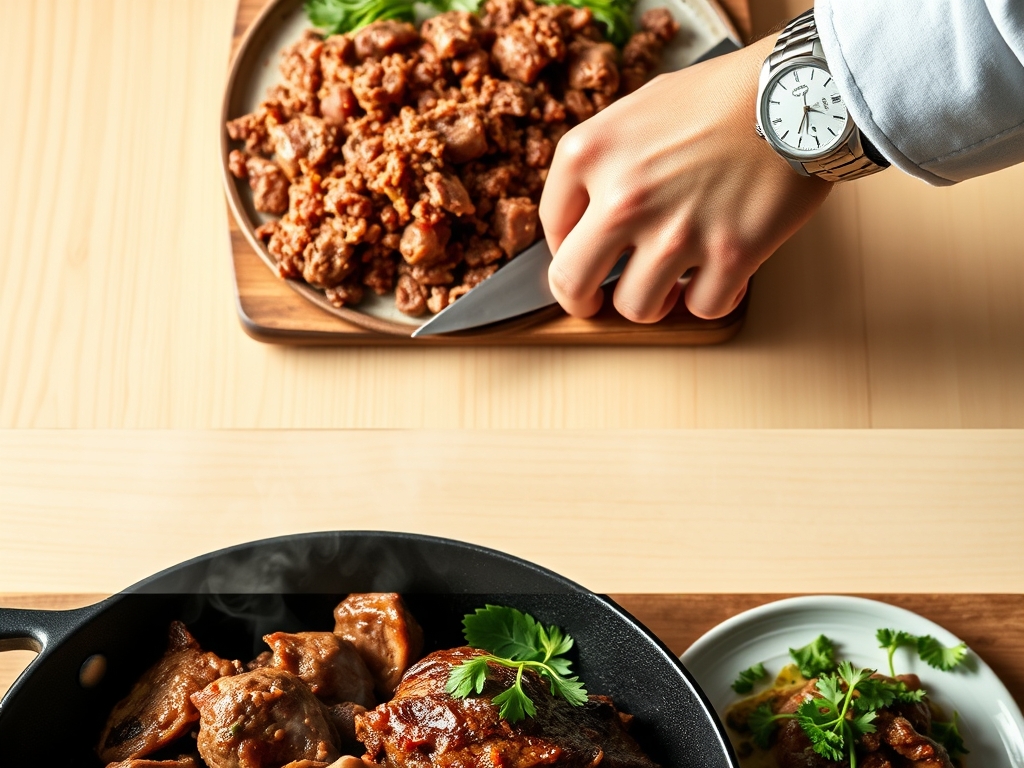
Place your heavy bottomed skillet over medium high heat until a drop of water dances on the surface. Add the beef in large chunks, resisting the urge to stir immediately.
Pro Tip: This patience allows for the Maillard Reaction, a chemical dance between amino acids and reducing sugars that creates hundreds of flavor compounds. If you move the meat too soon, you interrupt the formation of this savory crust.
2. The Deglaze and Scrape
Once the meat is browned, remove it and add a liquid like beef stock or wine. Use a wooden spoon to scrape the bottom of the pan.
Pro Tip: This process captures the fond, the caramelized protein bits that contain the highest concentration of umami. This step transforms a simple dish into one with professional depth.
3. The Aromatic Infusion
Lower the heat and add your finely minced aromatics using a microplane for maximum surface area.
Pro Tip: Fat is a highly efficient flavor carrier. By sautéing garlic and herbs in the rendered beef tallow, you are literally infusing the lipids with fat soluble flavor molecules that will coat the entire dish.
4. The Emulsified Sauce
If your recipe calls for a sauce, slowly whisk in your liquids to create a stable emulsion.
Pro Tip: To prevent the sauce from breaking, ensure your fats and liquids are combined at a consistent temperature. A viscous sauce should coat the back of a spoon, indicating the proteins and fats have successfully bonded.
5. The Thermal Rest
Remove the beef from the heat just before it reaches your desired doneness.
Pro Tip: Thermal carryover means the internal temperature will continue to rise by 5 to 10 degrees after the meat leaves the pan. Pulling it early prevents the muscle fibers from tightening and becoming tough.
6. The Acid Brightener
Just before serving, stir in a squeeze of lemon juice or a dash of vinegar.
Pro Tip: Acid acts as a palate cleanser, cutting through the richness of the beef fat and making the individual spices pop. It balances the pH of the dish for a more rounded flavor profile.
7. The Aerated Finish
Toss your beef with fresh herbs or a sprinkle of zest at the very last second.
Pro Tip: This adds volatile aromatic compounds that hit the nose before the first bite. Since heat destroys these delicate oils, adding them at the end ensures maximum sensory impact.
The Deep Dive
Ground beef is a nutritional titan, offering high concentrations of Vitamin B12, Zinc, and Selenium. For those following a Keto lifestyle, the high fat content is a feature, not a bug, providing sustained energy. If you are Gluten Free, ensure your binders (like breadcrumbs) are replaced with almond meal or crushed pork rinds. For a Vegan swap, lentils or walnut meat can mimic the texture, though you will need to add a touch of liquid smoke to replicate the deep savoriness of beef.
The Fix-It:
- Greasy Sauce: If your dish is swimming in oil, use a bread slice to blot the surface or add a teaspoon of mustard to help emulsify the excess fat.
- Bland Meat: This is usually a salt issue. Salt doesn't just add "saltiness"; it unlocks the beef's inherent flavors. Add a pinch of sea salt and a dash of Worcestershire sauce.
- Tough Texture: You likely overcooked the meat, causing the proteins to denature and squeeze out moisture. Fix this by simmering the beef in a bit of broth to rehydrate the fibers.
Meal Prep: To maintain "day one" quality, reheat ground beef gently. Using a microwave on high power will turn the fat into a puddle and toughen the meat. Instead, use a saucier on the stovetop with a tablespoon of water to create a steam environment that revives the texture.
The Wrap-Up
Mastering different ground beef recipes is about more than just following a list of instructions; it is about understanding the physics of the pan. When you respect the sear, value the fond, and balance your acids, you elevate a simple ingredient into something extraordinary. Your kitchen is a place of constant transformation. Go forth and sear with confidence, knowing that science is the best seasoning you have.
The Kitchen Table
How do I prevent ground beef from steaming in the pan?
Do not overcrowd the skillet. Cook the beef in small batches over high heat to ensure moisture evaporates instantly. This allows the Maillard reaction to occur, creating a brown crust rather than a grey, boiled texture.
What is the best way to drain excess fat?
Tilt your heavy bottomed skillet and use a spoon to remove the liquid gold. Alternatively, push the meat to one side and use a crumpled paper towel held with tongs to absorb the rendered tallow safely and efficiently.
Can I freeze cooked ground beef recipes?
Yes, cooked beef freezes beautifully. Ensure the dish reaches room temperature first to prevent ice crystals. Store in airtight containers for up to three months. Reheat slowly with a splash of liquid to maintain a moist, tender mouthfeel.
Why does my ground beef sometimes smell like sulfur?
If the meat is fresh, this is often due to vacuum packaging trapping natural gases. Let the meat breathe for five minutes. However, if the smell persists or the meat feels slimy, the proteins have begun to spoil.
What tool is best for breaking up ground beef?
A sturdy wooden spoon or a specialized meat masher works best. For a finer, commercial texture, use a bench scraper or a potato masher directly in the skillet to create uniform crumbles that cook evenly throughout the pan.