
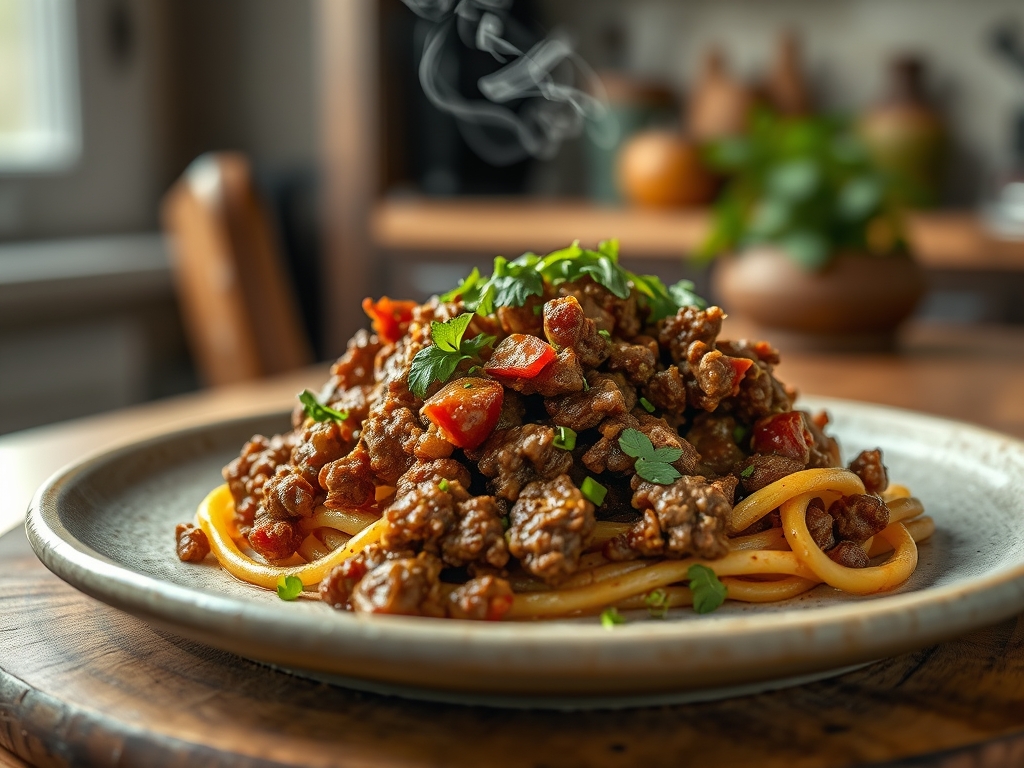
Imagine the sizzle of a heavy-bottomed cast iron skillet as it meets cold fat. The kitchen fills with the scent of browning protein and the sharp, acidic pop of green chilies. When you master ground beef recipes with rotel, you are not just making dinner; you are balancing the heavy richness of lipids with the bright, piquant snap of vinegary tomatoes.
This combination is the ultimate weeknight cheat code. It is a pantry staple symphony that relies on the chemical interplay between savory umami and capsaicin. Whether you are folding these ingredients into a silky cheese sauce or simmering them into a thick, concentrated chili, the goal is always the same: maximum flavor with minimal friction. We are talking about high-density comfort food that feels like a warm hug but tastes like a professional chef spent hours deglazing a pan. Grab your favorite wooden spoon and let us dive into the molecular magic of this iconic duo.
The Gathers:
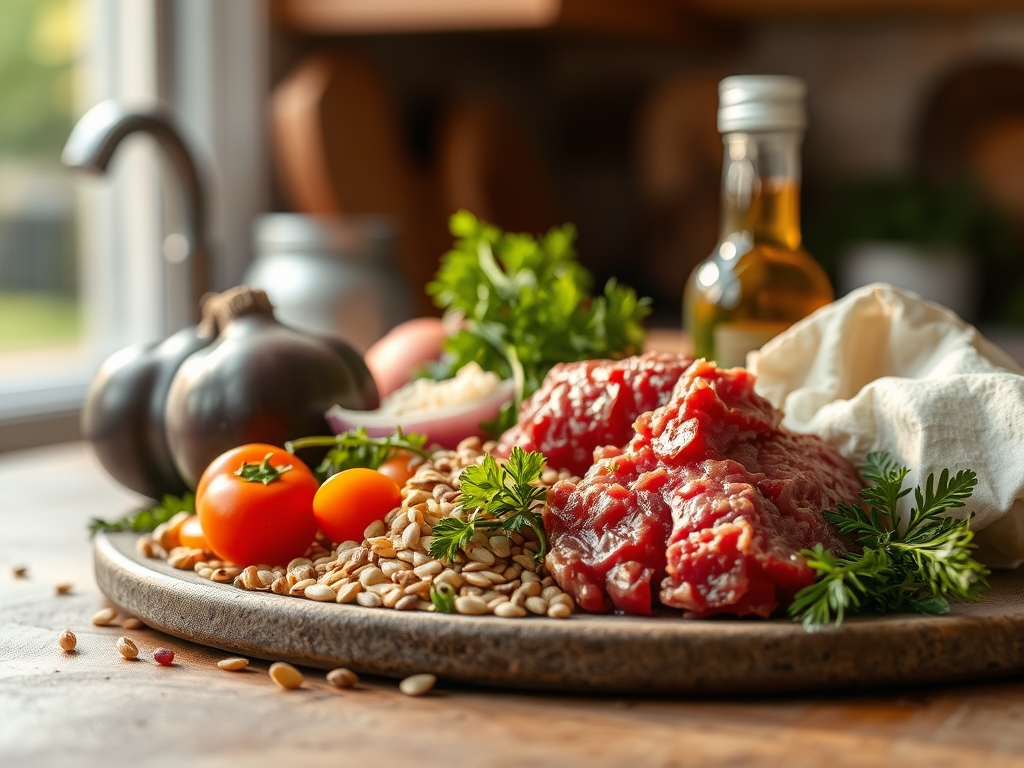
To execute these hacks with precision, your mise-en-place must be intentional. Start with high-quality ground beef; ideally a 80/20 blend. This ratio ensures enough fat to render out and carry the fat-soluble flavor compounds found in the Ro-Tel spices. You will need your cans of diced tomatoes and green chilies, but do not drain them yet. That canning liquid is a concentrated goldmine of acidity and salt that helps to deglaze the pan and emulsify sauces.
Your secondary players include aromatics like yellow onions and garlic. Use a microplane to grate your garlic into a paste; this increases the surface area and allows the sulfurous compounds to mellow and integrate into the beef fat instantly. For herbs, keep fresh cilantro and scallions on standby to provide a cold, crisp contrast to the warm, viscous base of your dish.
Smart Substitutions: If you are looking to lighten the caloric load, swap the beef for ground turkey or chicken. However, since poultry lacks the myoglobin and fat content of beef, you must add a teaspoon of Worcestershire sauce or liquid aminos to mimic that deep umami profile. For a plant-based pivot, use rehydrated soy crumbles or lentils, adding a pinch of smoked paprika to replace the "char" flavor of rendered animal fat.
The Clock
Efficiency in the kitchen is about understanding the "Chef's Flow." This is the art of overlapping tasks so that no heat is wasted. For most ground beef recipes with rotel, you are looking at a 10-minute prep window and a 20-minute active cook time.
The flow begins with the skillet. While the pan preheats, you chop. By the time your onions are translucent, the beef is ready to be seared. The "dead time" occurs while the liquid reduces; use this 5-minute window to grate your cheese or prep your garnishes. Total time from pantry to plate is usually under 35 minutes, making this a high-yield strategy for busy evenings.
The Masterclass
1. The Maillard Sear
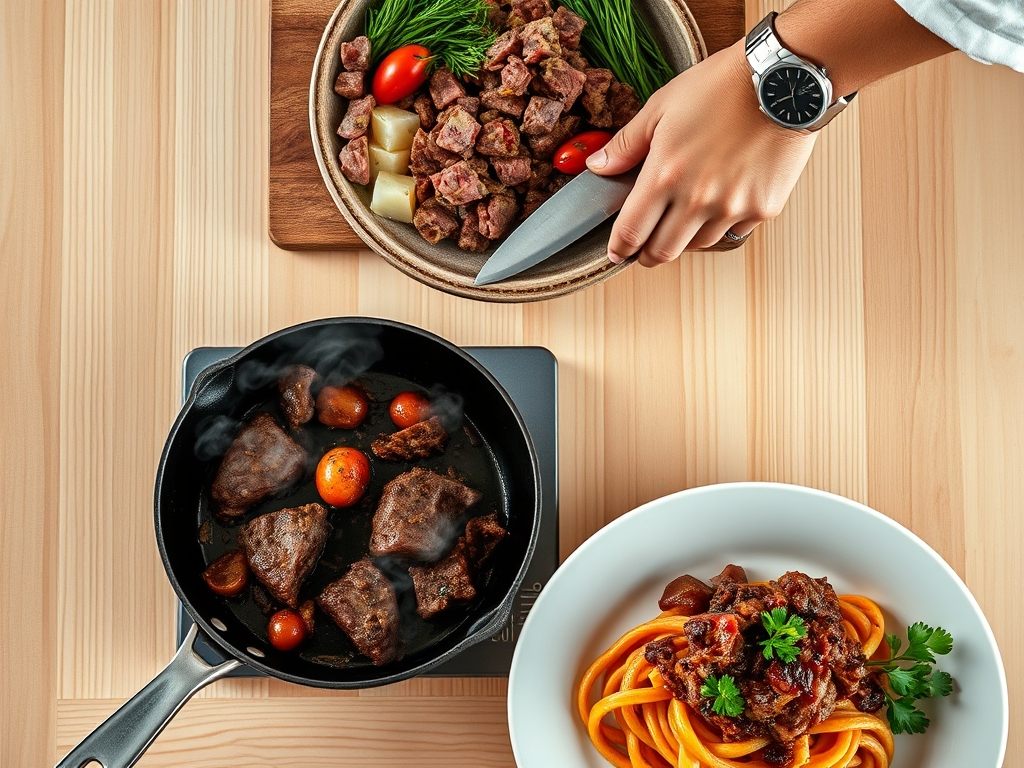
Place your beef in a preheated heavy-bottomed skillet. Do not crowd the pan. Use a stiff spatula or a bench scraper to break the meat into large chunks, then leave it alone for three minutes. You want to see a deep, mahogany crust form on the bottom.
Pro Tip: This is the Maillard Reaction. By allowing the meat to sit undisturbed, you are facilitating a chemical reaction between amino acids and reducing sugars. This creates hundreds of different flavor compounds that boiled or "grey" meat simply cannot achieve.
2. The Aromatic Infusion
Once the meat is browned, push it to the perimeter of the pan. Add your diced onions and peppers to the center, using the rendered beef fat as your cooking medium. Sauté until the onions are translucent and have picked up the browned bits (fond) from the bottom of the pan.
Pro Tip: This is known as sweating the aromatics. The salt draws out moisture through osmosis, which then dissolves the flavorful crust on the pan, effectively deglazing without needing extra liquid yet.
3. The Ro-Tel Deglaze
Pour in the entire can of Ro-Tel, juice and all. Use your spatula to scrape the bottom of the pan vigorously. The acidity in the tomato juice acts as a solvent, lifting any remaining caramelized proteins into the sauce.
Pro Tip: The citric acid in the tomatoes helps to denature any tough proteins remaining in the beef, ensuring a tender, melt-in-your-mouth texture rather than a rubbery one.
4. The Emulsification Phase
If you are adding cheese or cream for a dip or pasta sauce, reduce the heat to low. Add your dairy slowly, stirring in a figure-eight motion. This ensures the fat and water molecules bond rather than separating into a greasy mess.
Pro Tip: Maintaining a low temperature prevents protein clumping. If the sauce gets too hot, the proteins in the cheese will tighten and squeeze out the fat, resulting in a grainy texture.
5. The Final Reduction
Simmer the mixture until the liquid has reduced by half. You are looking for a "nappe" consistency, where the sauce is thick enough to coat the back of a spoon without immediately running off.
Pro Tip: This process concentrates the solutes in the sauce. As water evaporates, the ratio of salt, spice, and umami increases, deepening the flavor profile without adding a single extra calorie.
6. The Carryover Rest
Turn off the heat while the dish still looks slightly more liquid than you desire. Let it sit for five minutes before serving. This allows the fibers in the meat to relax and reabsorb some of the surrounding juices.
Pro Tip: This is thermal carryover. The residual heat in the pan will continue to cook the dish for several minutes, and the resting period allows the viscosity of the sauce to stabilize as it cools slightly.
The Deep Dive
When we look at the macro nutrition of these ground beef recipes with rotel, we see a power-packed profile. A standard serving offers roughly 25g of protein and 18g of fat, depending on your beef lean-to-fat ratio. The tomatoes provide a significant dose of Lycopene, a powerful antioxidant that becomes more bioavailable when cooked with a fat source.
Dietary Swaps: For Keto enthusiasts, serve this mixture over roasted cauliflower or inside a bell pepper. For a Gluten-Free version, ensure your taco seasonings do not use flour as a thickener; use a slurry of cornstarch and water instead.
The Fix-It:
- Too Salty? Do not add water. Instead, add a splash of heavy cream or a peeled, halved potato to simmer for five minutes to absorb the excess sodium.
- Too Greasy? Use a crumpled paper towel held with tongs to dab the surface of the sauce, or tilt the pan and use a turkey baster to remove excess lipid buildup.
- Too Thin? Increase the heat and whisk in a tablespoon of cold butter. The cold fat will emulsify with the warm liquid to create a glossy, thick finish.
Meal Prep Science: To reheat, avoid the microwave if possible. Reheat in a saucier over low heat with a tablespoon of water or bone broth. This restores the moisture lost to "starch retrogradation" in the fridge, ensuring your leftovers taste as vibrant as day one.
The Wrap-Up
Mastering ground beef recipes with rotel is about more than just opening a can; it is about respecting the chemistry of the kitchen. By focusing on the Maillard reaction, proper deglazing, and the art of the simmer, you turn humble ingredients into a gourmet foundation. These nine hacks are your blueprint for flavor. Go forth, sear with confidence, and remember that the best meals are the ones where science and soul meet on the plate.
The Kitchen Table
Can I freeze ground beef recipes with rotel?
Yes. Allow the mixture to cool completely to prevent ice crystal formation. Store in an airtight container for up to three months. Reheat slowly to maintain the emulsion of the fats and juices.
What is the best beef for these recipes?
An 80/20 or 85/15 ground chuck is ideal. The fat content provides the necessary vehicle for the fat-soluble spices in the Ro-Tel, ensuring a moist, flavorful result that leaner meats cannot match.
How do I make the dish less spicy?
Use the "Mild" version of Ro-Tel and ensure you remove any large chili chunks. Adding a dollop of sour cream or Greek yogurt at the end will also help neutralize the capsaicin on your palate.
Why is my sauce watery?
You likely did not simmer it long enough to evaporate the excess moisture. Increase the heat slightly and stir frequently to encourage evaporation until the sauce reaches a thick, viscous consistency that coats your spoon.