
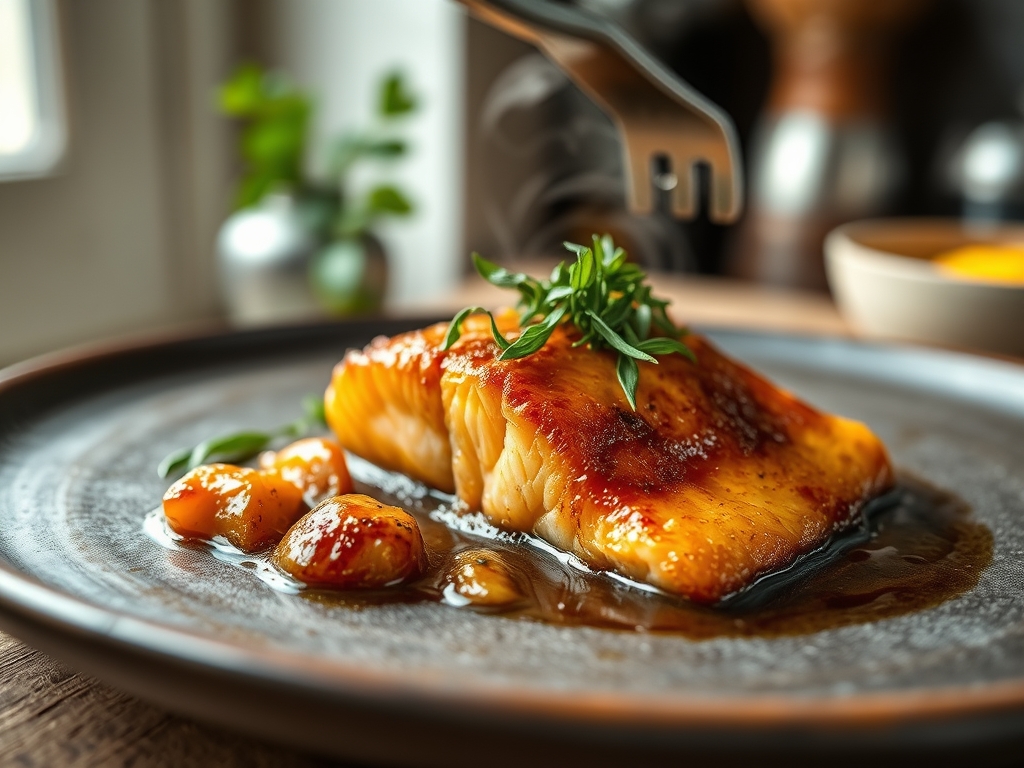
Imagine a piece of fish so tender it practically sighs under the weight of your fork. We are moving far beyond the era of dry, chalky fillets that require a gallon of lemon butter to swallow. When you explore high-end braised salmon recipes, you are entering the world of controlled moisture and flavor infusion. Braising is usually reserved for tough cuts of beef, but when applied to fatty Atlantic salmon, it creates a texture that is silky, buttery, and impossible to overcook. The magic happens in the shallow pool of liquid where the fish poaches gently while the exposed skin crisps under the indirect heat. It is the ultimate kitchen hack for anyone who wants five-star results without the stress of a ticking clock.
Most people assume salmon should only be seared or grilled, but those high-heat methods are unforgiving. One minute too long and the albumin; that white, unsightly protein; starts weeping out of the muscle fibers. Braising protects the delicate structure of the fish. By nestling the fillets into a piquant aromatic base, you are essentially creating a flavor bath that seasons the protein from the inside out. It is sophisticated, it is effortless, and it is about to become your new weeknight obsession. Let us get into the technical details that turn a simple piece of fish into a culinary masterpiece.
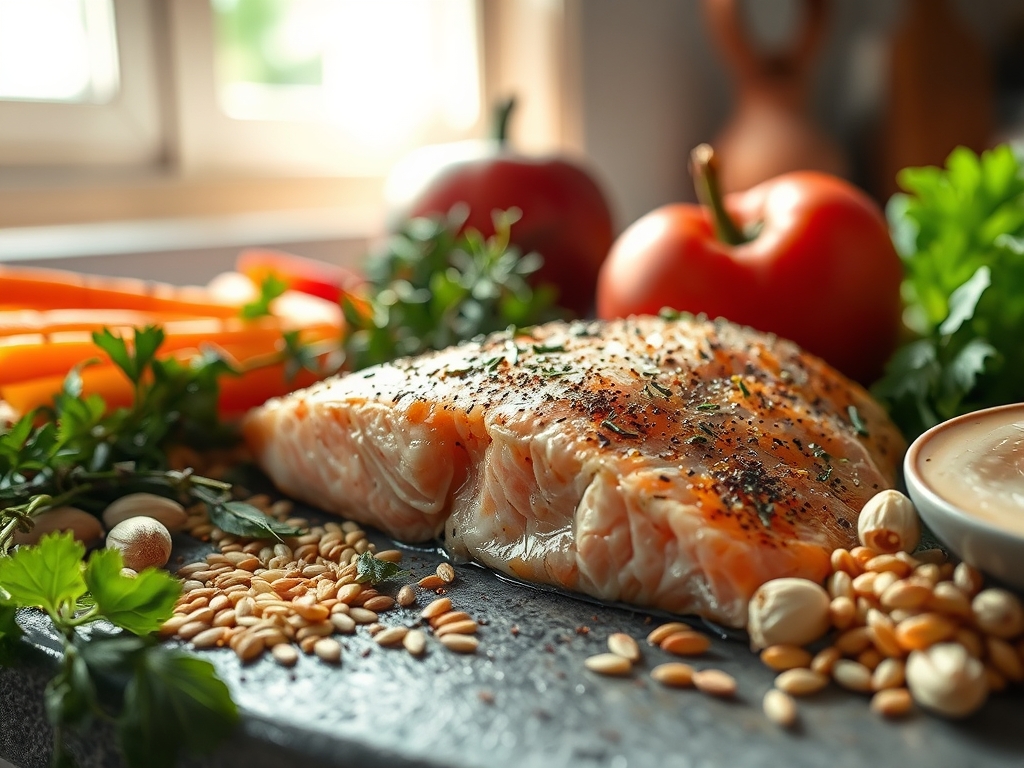
The Gathers:
Your mise-en-place is the foundation of a successful braise. Start with center-cut fillets, ideally six to eight ounces each. You want uniform thickness so they cook at the same rate. Grab your heavy-bottomed skillet or a wide saucier; these tools are essential because they distribute heat evenly and prevent hot spots that could scorch your aromatics. You will need a high-quality fat, like ghee or avocado oil, which has a high smoke point for the initial sear.
For the braising liquid, think about a balance of acidity and body. A dry white wine like Sauvignon Blanc provides the necessary acid to cut through the fish's fat, while a splash of seafood stock adds depth. Your aromatics should include thinly sliced shallots, smashed garlic cloves, and fresh herbs like dill or tarragon. Use a microplane to zest a lemon directly over the pan at the end to keep the citrus oils bright and volatile.
Smart Substitutions: If you are avoiding alcohol, replace the wine with a mixture of verjuice or a splash of white wine vinegar diluted in water. For a dairy-free version that still feels luxurious, use full-fat coconut milk as your base. This creates a more viscous sauce that clings to the fish beautifully. If you cannot find fresh herbs, use a high-quality dried herb paste rather than dried flakes, as the paste retains more of the essential oils needed to infuse the liquid.
The Clock
Efficiency in the kitchen is all about the Chef's Flow. This recipe takes approximately 30 minutes from start to finish, but the active work is concentrated in the first ten. Spend 5 minutes on your prep; peeling garlic and slicing shallots with a sharp chef's knife. The searing phase takes 4 minutes to render the fat and develop a crust. The actual braise happens over 10 to 12 minutes of simmering. Finally, allow for a 3-minute rest. This resting period is not just a suggestion; it allows the internal juices to redistribute, ensuring every bite is moist.
The Masterclass
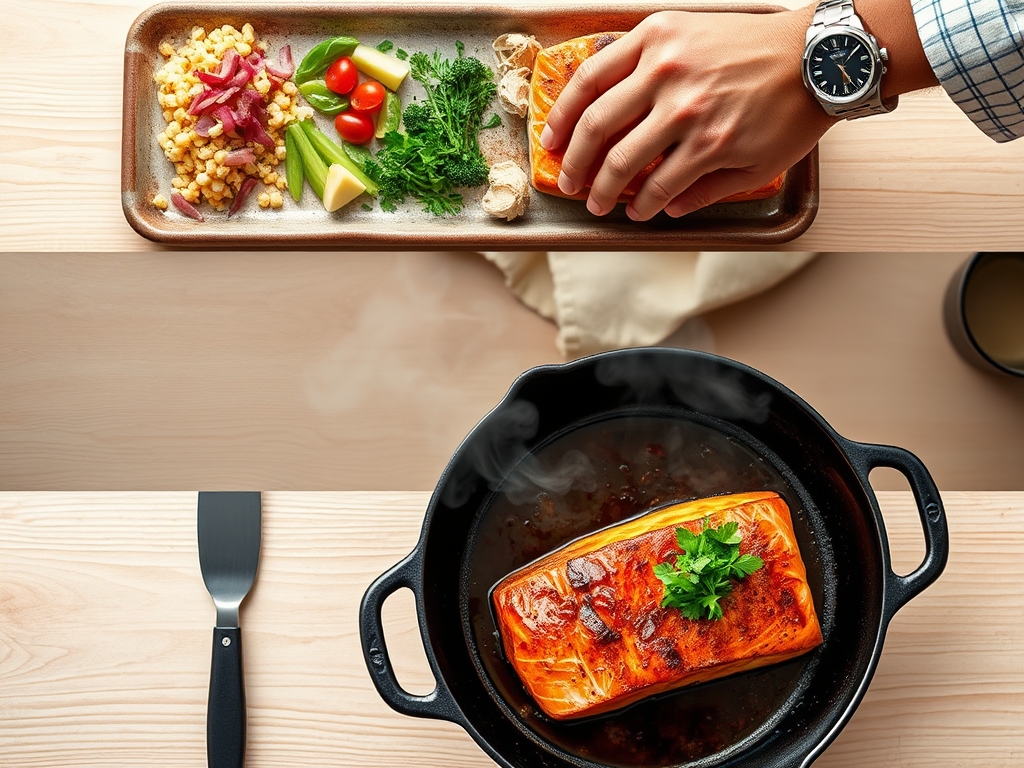
1. The Tempering and Surface Prep
Before the fish ever touches the pan, pat it bone-dry with paper towels. Moisture is the enemy of the Maillard reaction. Let the fillets sit at room temperature for 15 minutes to take the chill off. This ensures the center cooks at the same speed as the exterior.
Pro Tip: This is called thermal equilibrium. If you drop an ice-cold fillet into a hot pan, the muscle fibers contract violently, squeezing out moisture and resulting in a tougher texture.
2. The Hard Sear
Heat your skillet over medium-high heat until the oil shimmers. Place the salmon skin-side down. Use your tongs to press the fish down for the first 30 seconds to prevent the skin from curling. You are looking for a golden-brown crust that releases easily from the pan.
Pro Tip: Achieving a sear before adding liquid creates enzymatic browning. This adds a complex, savory flavor profile that a simple poach cannot replicate.
3. Building the Aromatic Base
Remove the salmon temporarily and set it on a warm plate. Lower the heat and add your shallots and garlic to the residual fat. Use a bench scraper to toss in any finely minced herbs. Sauté until translucent but not browned.
Pro Tip: Sweating aromatics at a lower temperature allows their sugars to soften without carbonizing, creating a mellow sweetness that balances the salty fish.
4. Deglazing the Pan
Pour in your wine or stock. Use a wooden spoon to scrape up the brown bits stuck to the bottom of the skillet. This is called deglazing, and those bits (the fond) are concentrated flavor gold.
Pro Tip: The alcohol in wine acts as a solvent, dissolving flavor compounds that water alone cannot reach, which creates a more multi-dimensional sauce.
5. The Gentle Braise
Slide the salmon back into the pan, skin-side up or down depending on your preference for crispness. The liquid should come halfway up the sides of the fish. Cover the pan with a tight-fitting lid to trap the steam.
Pro Tip: This creates a dual-heat environment. The bottom of the fish poaches in the liquid while the top cooks via convection, preserving the delicate fats.
6. Emulsifying the Sauce
Once the salmon reaches an internal temperature of 125 degrees Fahrenheit on a digital scale, remove it. Crank the heat to high and whisk in a knob of cold butter or a spoonful of creme fraiche to aerate and thicken the liquid.
Pro Tip: Cold fat whisked into a hot reduction creates a stable emulsion. This results in a velvety sauce that coats the back of a spoon.
7. The Final Infusion
Return the fish to the pan for 30 seconds just to glaze it. Shower the dish with fresh herbs and a final squeeze of lemon juice. The heat should be off at this point to keep the flavors sharp.
Pro Tip: Heat destroys the delicate volatile compounds in fresh lemon juice and herbs. Adding them at the very end ensures the brightest possible finish.
The Deep Dive
From a macro perspective, braised salmon is a nutritional powerhouse. It is rich in Omega-3 fatty acids, which are essential for heart health, and provides roughly 40 grams of protein per serving. Because we are braising, we use less added fat than deep-frying, making it a heart-healthy choice. For those on a Keto diet, this recipe is naturally low-carb. Vegan friends can swap the salmon for thick "steaks" of cauliflower or lion's mane mushrooms, though the cook time will increase to allow the vegetables to soften.
The Fix-It:
- Skin is soggy: If your skin loses its crunch, finish the fillets under a broiler for 60 seconds before serving.
- Sauce is too thin: Continue to reduce the liquid after removing the fish, or add a tiny cornstarch slurry to reach your desired thickness.
- Fish is falling apart: You likely overcooked it. Use a thermometer next time; salmon is perfectly medium-rare at 120 degrees and firm at 135 degrees.
Meal Prep: To reheat braised salmon without turning it into rubber, avoid the microwave. Place the fish and a splash of the leftover sauce in a covered pan over low heat for 5 minutes. This gentle steam bath restores the "day-one" silkiness by rehydrating the proteins.
The Wrap-Up
Mastering braised salmon recipes is like having a secret weapon in your culinary arsenal. It is the perfect blend of scientific precision and soulful cooking. You are not just making dinner; you are manipulating heat and moisture to create something truly elegant. Whether you are hosting a dinner party or just treating yourself after a long day, this method guaranteed a result that is sophisticated and deeply satisfying. Now, get into that kitchen and show those fillets who is boss!
The Kitchen Table
Can I use frozen salmon for braising?
Yes, but thaw it completely in the refrigerator first. Pat it extremely dry to ensure you can still achieve a proper sear before adding the braising liquid to the pan.
What is the best liquid for braising fish?
A combination of dry white wine and high-quality seafood or vegetable stock is ideal. It provides the perfect balance of acidity and savory depth without overpowering the natural flavor of the salmon.
How do I know when the salmon is done?
The most reliable method is using a digital thermometer to check for an internal temperature of 125 to 130 degrees Fahrenheit. The flesh should also flake easily when pressed with a fork.
Can I braise salmon with the skin off?
Absolutely. While the skin provides a nice texture contrast, skinless fillets work beautifully in a braise. They will absorb even more of the flavorful liquid from all sides during the cooking process.