
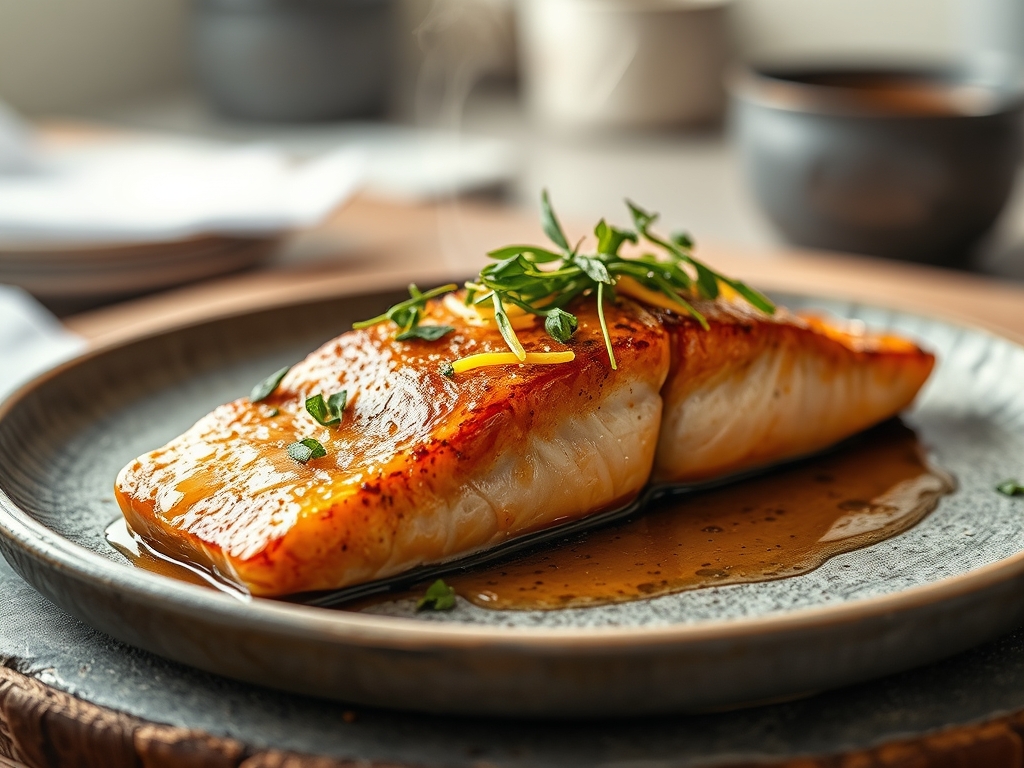
Imagine the sizzle of a heavy-bottomed skillet meeting a cold, oil-slicked fillet of Atlantic salmon. That sound is the overture to a dinner that rivals any steakhouse experience. When we talk about longhorn salmon recipes, we are chasing that specific, high-contrast texture: a crust so crisp it shatters under a fork, giving way to a center that is buttery and translucent.
This is not just home cooking; it is an exercise in heat management and moisture control. To master these longhorn salmon recipes, you need to understand that salmon is a delicate protein matrix held together by connective tissue that dissolves at just 120 degrees Fahrenheit. We are going to treat these nine variations, from the classic bourbon-glazed to the lemon-herb crusted, with the scientific respect they deserve. We will use high-heat searing to trigger the Maillard reaction while protecting the interior from the dreaded "white albumin" squeeze. Grab your apron and your favorite tongs; we are turning your kitchen into a professional line.
The Gathers:
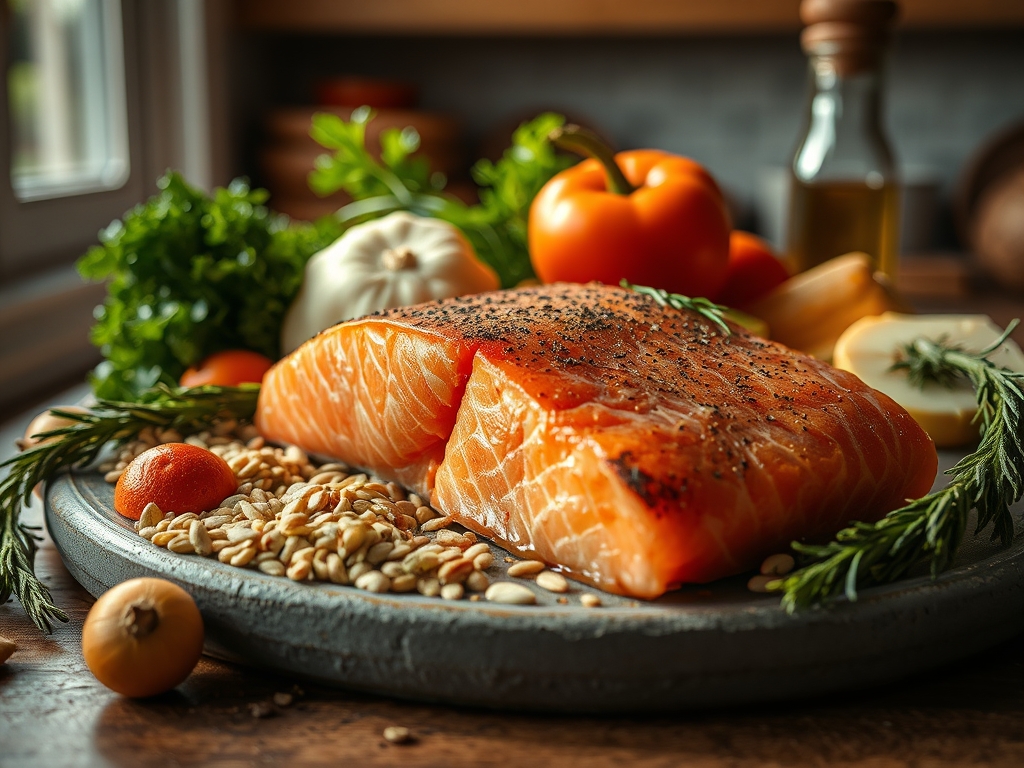
To replicate the iconic flavor profile, your mise-en-place must be precise. Start with center-cut fillets, ideally six to eight ounces each. You will need a high-smoke-point fat like avocado oil or clarified butter; standard butter contains milk solids that will scorch before the fish is done. For the seasoning, we use a blend of smoked paprika, granulated garlic, and kosher salt. The coarse grains of kosher salt are essential because they provide a tactile grip on the flesh and dissolve more slowly than table salt, preventing an osmotic moisture draw-out before the sear.
For the glaze, gather your liquids: aged bourbon, low-sodium soy sauce (to control the salinity), and a viscous sweetener like honey or brown sugar. The sugar is not just for taste; it acts as a glazing agent that undergoes caramelization, creating that deep mahogany hue. If you are looking for smart substitutions, swap the bourbon for a splash of apple cider vinegar and a drop of liquid smoke to maintain that piquant, woody depth without the alcohol content. Use a microplane to zest fresh lemons directly over the finished plate to release the volatile oils from the rind, providing a bright, aromatic counterpoint to the rich fats.
The Clock
Efficiency in the kitchen is about "Chef's Flow," which is the art of overlapping tasks to minimize downtime. The total active prep time for these recipes is approximately 15 minutes, with a cook time of 8 to 10 minutes depending on the thickness of the cut.
The flow begins with the "Tempering Phase." Never pull salmon directly from the fridge and drop it into a hot pan. This creates a thermal shock that toughens the muscle fibers. Instead, let the fish sit at room temperature for 20 minutes while you prepare your sides. While the fish rests, you will whisk your glaze in a small saucier, allowing the flavors to infuse over low heat. The actual searing process is rapid; it requires your undivided attention. Once the fish hits the pan, the clock starts on the chemical transformation of the proteins.
The Masterclass
1. The Desiccation Ritual
The secret to a restaurant-grade crust is a bone-dry surface. Use a paper towel to aggressively pat the fillets dry on all sides. Moisture is the enemy of the sear; any water remaining on the skin will turn to steam, preventing the temperature from rising above 212 degrees Fahrenheit.
Pro Tip: This prevents the "steaming effect." By removing surface water, you allow the surface temperature to spike rapidly, triggering the Maillard reaction which creates hundreds of new flavor compounds.
2. The Seasoning Anchor
Dust the fillets generously with your spice blend. Use a light touch to ensure even coverage without clumping. Press the spices into the flesh with the flat side of a chef's knife to ensure they adhere during the high-energy environment of the pan.
Pro Tip: Salt acts as a protein denaturant, slightly breaking down the surface fibers so they can crisp up more effectively.
3. The Thermal Contact
Heat your heavy-bottomed skillet until the oil shimmers and just begins to wisps of smoke appear. Place the salmon skin-side down (or presentation-side down if skinless). Do not move it. You need sustained contact to render the subcutaneous fat.
Pro Tip: This is conduction heating. Moving the fish too early disrupts the formation of the crust and causes the delicate flesh to tear or stick to the metal.
4. The Flip and Glaze
Once the crust is opaque halfway up the side of the fillet, use a fish spatula to gently flip. This is when you introduce your bourbon glaze or herb butter. Use a spoon to baste the hot liquid over the top of the fish repeatedly.
Pro Tip: This technique, known as arroser, uses hot fat to gently cook the top of the fish while the bottom finishes, ensuring a juicy interior.
5. The Carryover Rest
Remove the salmon from the pan when it reaches an internal temperature of 125 degrees Fahrenheit. Transfer it to a warm plate and let it rest for three minutes before serving.
Pro Tip: Thermal carryover will cause the internal temperature to rise another 5 to 10 degrees. Resting allows the muscle fibers to relax and reabsorb their juices.
The Deep Dive
From a macro nutrition perspective, these longhorn salmon recipes are powerhouses of Omega-3 fatty acids and high-quality protein. A standard six-ounce serving provides roughly 34 grams of protein and 20 grams of healthy fats. If you are following a Keto lifestyle, simply replace the honey in the glaze with a monk fruit sweetener. For a vegan alternative, the same searing techniques and glaze can be applied to "steaks" of firm tofu or thick-cut cauliflower, though the cook times will vary.
Even experts face pitfalls. If your salmon is "leaking" white goop, that is albumin. This happens when the heat is too high, too fast, causing the protein fibers to contract and squeeze out internal moisture. To fix this, lower your flame. If the skin is soggy, you likely didn't render the fat long enough. Next time, start in a cold pan and gradually raise the heat. For meal prep, never microwave your salmon. The high-frequency waves agitate water molecules too violently, toughening the fish. Instead, reheat it in a 300-degree oven with a splash of water and a foil cover to maintain "day-one" flake and moisture.
The Wrap-Up
Mastering longhorn salmon recipes is about more than just following a list of ingredients; it is about understanding the physics of the pan. By focusing on surface desiccation, precise thermal control, and the patience of the rest, you elevate a simple fillet into a culinary masterpiece. Whether you are serving this for a Tuesday night win or a Saturday dinner party, the result is a sophisticated, nutrient-dense meal that satisfies the soul and the palate. Now, go get that perfect sear.
The Kitchen Table
How do I prevent salmon from sticking to the pan?
Ensure your pan is properly preheated and use a high-smoke-point oil. Do not attempt to flip the fish until it naturally releases from the surface. If it sticks, it usually needs another thirty seconds to form a proper crust.
What is the best internal temperature for salmon?
For a moist, steakhouse-style texture, aim for an internal temperature of 130 to 135 degrees Fahrenheit after resting. Use a digital thermometer to pull the fish off the heat at exactly 125 degrees to account for carryover cooking.
Can I make these recipes with frozen salmon?
Yes, but you must thaw the fish completely in the refrigerator first. Once thawed, it is vital to pat the fillets extremely dry, as frozen fish often releases more moisture, which can interfere with the searing process.
Why does my salmon have white stuff on it?
That white substance is albumin, a harmless protein. It appears when the salmon is cooked too quickly at high heat, causing the muscle fibers to contract and push the protein to the surface. Lowering the cooking temperature prevents this.