
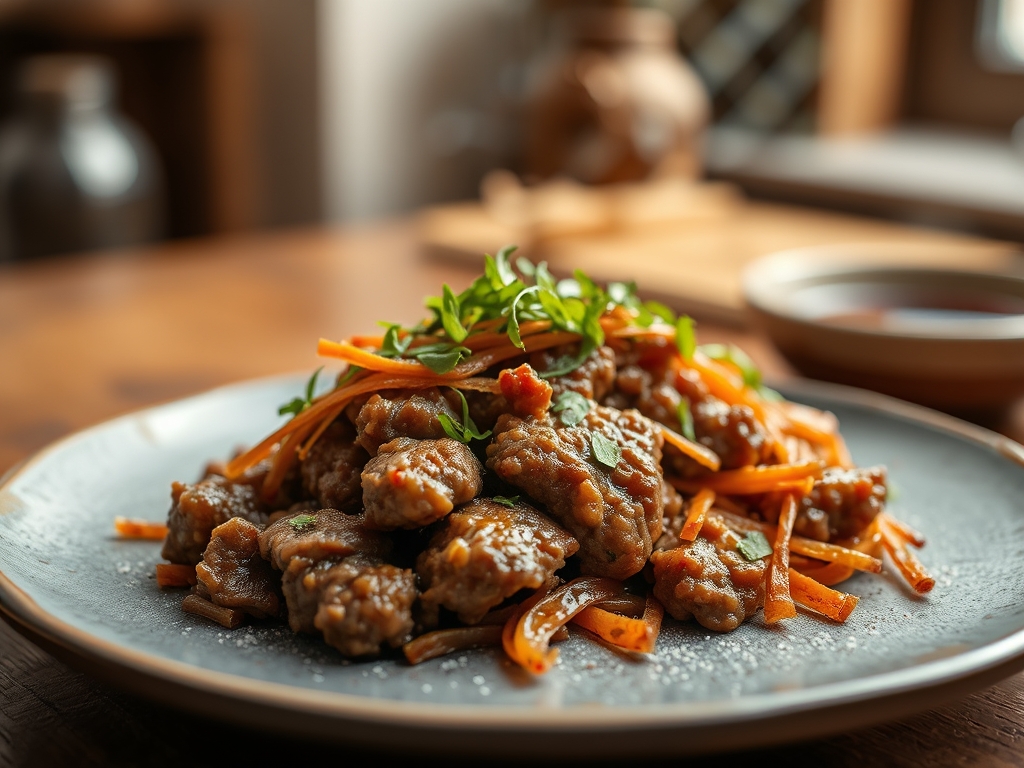
Picture a heavy bottomed skillet sizzling on the stove while the scent of toasted sesame and piquant ginger fills your kitchen. We are diving into the world of japanese ground beef recipes; a collection of dishes that prove "comfort food" is a universal language spoken through the Maillard reaction. Ground beef is the unsung hero of the Tokyo home kitchen because it absorbs aromatics with a speed that whole muscle cuts simply cannot match. Whether you are craving the silky, sweet glaze of a Soboro bowl or the hearty, Western influenced warmth of a Menchi Katsu, these recipes rely on the chemistry of high surface area to deliver maximum umami in minimum time. We are going to master the art of the humble grind, turning a basic supermarket staple into a sophisticated, multi textured feast that feels like a hug from a professional chef.
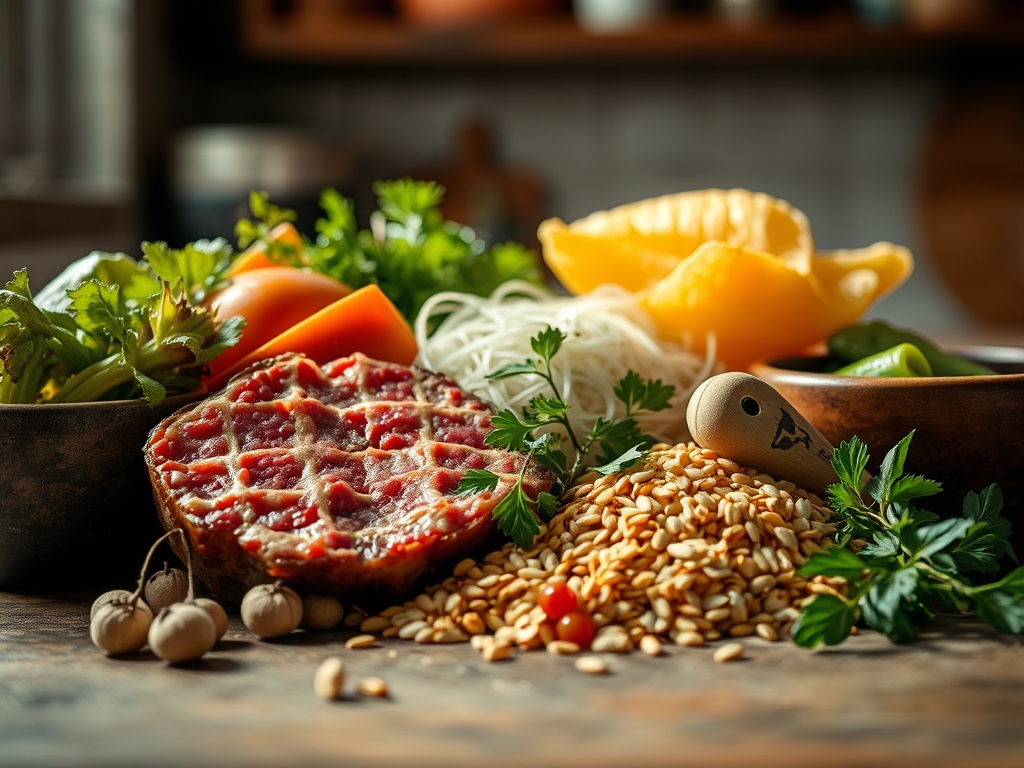
The Gathers:
To execute these japanese ground beef recipes with precision, your mise-en-place must be organized by molecular function. Start with your protein; look for an 80/20 lean to fat ratio. This specific percentage ensures enough lipids to render and carry fat soluble flavor compounds without making the final sauce overly greasy. You will need a high quality soy sauce (shoyu) for its fermented depth and mirin for its viscous, sugary sheen. Fresh aromatics are non negotiable. Use a microplane to grate ginger and garlic into a fine paste; this increases the surface area for enzymatic release, ensuring the flavors infuse the fat instantly rather than leaving bitter, burnt chunks in the pan.
Smart Substitutions:
If you are out of mirin, a splash of dry sherry mixed with a teaspoon of sugar mimics the acidity and sweetness. For those avoiding soy, coconut aminos provide a similar savory profile, though you may need to add a pinch of sea salt to compensate for the lower sodium content. If you cannot find panko for your Menchi Katsu, toasted sourdough crumbs processed in a blender offer a similar jagged architecture that traps air and creates a superior crunch.
The Clock
Efficiency in the kitchen is about "Chef's Flow," which is the sequence of tasks that minimizes downtime. For most japanese ground beef recipes, you are looking at a 15 minute prep and a 20 minute cook time. Total investment: 35 minutes.
The flow begins with the aromatics. Grate and chop everything before the heat ever touches the pan. While the beef is browning, you should be whisking your liquid seasonings in a small saucier or bowl. This prevents the beef from overcooking while you fumble with bottle caps. Remember that ground beef cooks quickly; the goal is to deglaze the pan at the exact moment the meat transitions from pink to grey to maximize moisture retention.
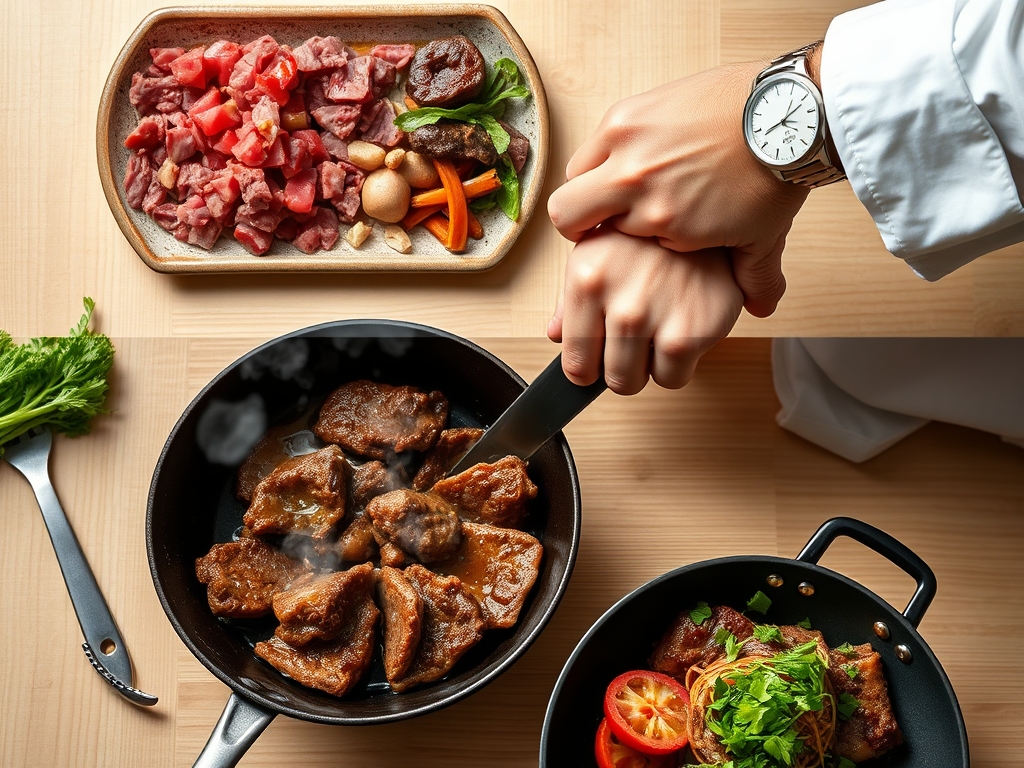
The Masterclass
1. The Sear and Render
Place your heavy-bottomed skillet over medium-high heat. Add a teaspoon of neutral oil and crumble the beef into the pan. Do not crowd the meat; you want steam to escape so the beef fries in its own fat rather than boiling in its own juices. Use a stiff wooden spoon or a bench scraper to break the meat into uniform granules.
Pro Tip: This stage is all about thermal carryover. Stop browning just before the meat looks "done." The residual heat will continue to cook the proteins while you add the liquids, preventing a rubbery texture.
2. Deglazing the Fond
Once the beef has developed a golden crust, pour in your mixture of soy sauce, sake, and mirin. Use the liquid to scrape the brown bits (the fond) off the bottom of the pan. This is where the concentrated flavor lives.
Pro Tip: This process uses solvent extraction to pull flavorful compounds back into the sauce. The alcohol in the sake also helps bridge the gap between water-soluble and fat-soluble flavors.
3. Emulsifying the Sauce
Reduce the heat to a simmer. If the recipe calls for a thickener, like in a Japanese curry or gravy, add a small cornstarch slurry. Stir constantly until the sauce becomes viscous and clings to the meat.
Pro Tip: Achieving a glossy finish is a matter of emulsification. By stirring vigorously as the sauce thickens, you are suspending fat droplets within the liquid, creating a smooth, velvet mouthfeel.
4. Aerating the Garnish
Off the heat, fold in fresh scallions or toasted sesame seeds. If you are making Soboro (minced meat over rice), use a pair of tongs or long chopsticks to fluff the meat, ensuring it stays light and airy rather than packed down.
Pro Tip: Adding fresh greens at the very end preserves their volatile aromatic oils, which would otherwise dissipate under prolonged heat.
The Deep Dive
Macro Nutrition:
A standard serving of these japanese ground beef recipes provides approximately 28g of protein and 15g of fat. By serving over cauliflower rice or inside cabbage wraps, you can keep the net carbs under 10g per serving.
Dietary Swaps:
- Vegan: Use a plant based "crumble" and swap honey or agave for the mirin. Use mushroom broth to replace the savory depth of beef.
- Keto: Replace sugar with erythritol and serve over shirataki noodles.
- GF: Ensure your soy sauce is certified gluten free (Tamari is the gold standard here).
The Fix-It:
- Too Greasy: If the fat rendering is excessive, tilt the pan and use a spoon to remove the liquid gold, or blot the cooked meat with a paper towel before adding the sauce.
- Too Salty: Add a splash of rice vinegar or a squeeze of lime. The acid cuts through the sodium perception without diluting the flavor.
- Dry Meat: This usually happens from overcooking. Fix it by adding a tablespoon of dashi or beef broth mixed with a teaspoon of butter to reintroduce moisture and lipids.
Meal Prep Science:
To maintain "day-one" quality, store the beef and rice in separate airtight containers. When reheating, add a teaspoon of water to the beef. This creates a "steam oven" effect in the microwave, preventing the proteins from becoming tough and dehydrated.
The Wrap-Up
Mastering japanese ground beef recipes is like learning a secret handshake with flavor. You have taken a simple protein and elevated it through the science of searing, deglazing, and emulsification. Whether you are serving a crowd or just treating yourself to a Tuesday night win, these dishes prove that technical precision and warm, soulful flavors go hand in hand. Now, grab your favorite bowl, pile on the ginger-infused beef, and enjoy the fruits of your culinary labor. You have earned every savory bite!
The Kitchen Table
How do I prevent ground beef from getting tough?
Avoid overworking the meat before cooking and do not salt it too early. Salt can break down proteins and create a sausage-like, rubbery texture. Brown it quickly over high heat to retain internal moisture through minimal cooking time.
Can I use ground turkey instead of beef?
Yes, but turkey has less fat. To prevent dryness, add a tablespoon of toasted sesame oil or butter during the browning phase. This compensates for the missing lipids and ensures the sauce remains properly emulsified and flavorful.
What is the best way to store leftovers?
Place the beef in an airtight glass container for up to four days. To reheat, use a skillet over low heat with a splash of water or broth. This prevents the fat from separating and keeps the meat tender.
Why does my sauce look thin and watery?
This usually means the sugars in the mirin haven't reduced enough or the starch wasn't activated. Simmer the sauce for an extra two minutes or add a tiny cornstarch slurry to achieve that signature glossy, viscous coating.