
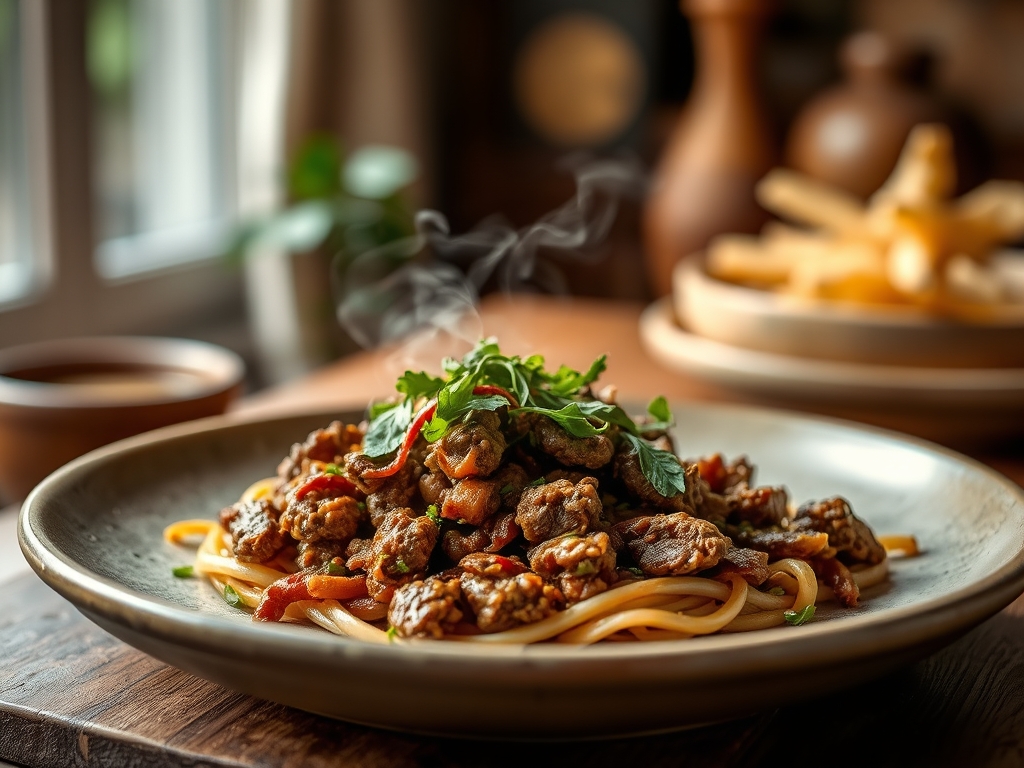
Close your eyes and listen for that distinctive, aggressive sizzle. It is the sound of moisture evaporating and proteins transforming into a crusty, umami-rich masterpiece. When you dive into the world of thai ground beef recipes, you are not just making dinner; you are orchestrating a complex chemical symphony of heat and aromatics. The scent of toasted garlic and bruised basil hits your senses first, followed by the deep, funky bass note of fermented fish sauce. This is a culinary high-wire act where salt, acid, and fire meet to create something infinitely more complex than the sum of its parts. Forget the bland, grey crumbles of your childhood. We are talking about high-heat searing that locks in juices while creating those jagged, crispy edges that define authentic street food. Whether you are craving a spicy Pad Krapow or a zesty Larb, the secret lies in the physics of the pan. Let us transform your kitchen into a bustling night market stall with precision and a little bit of science.
The Gathers:
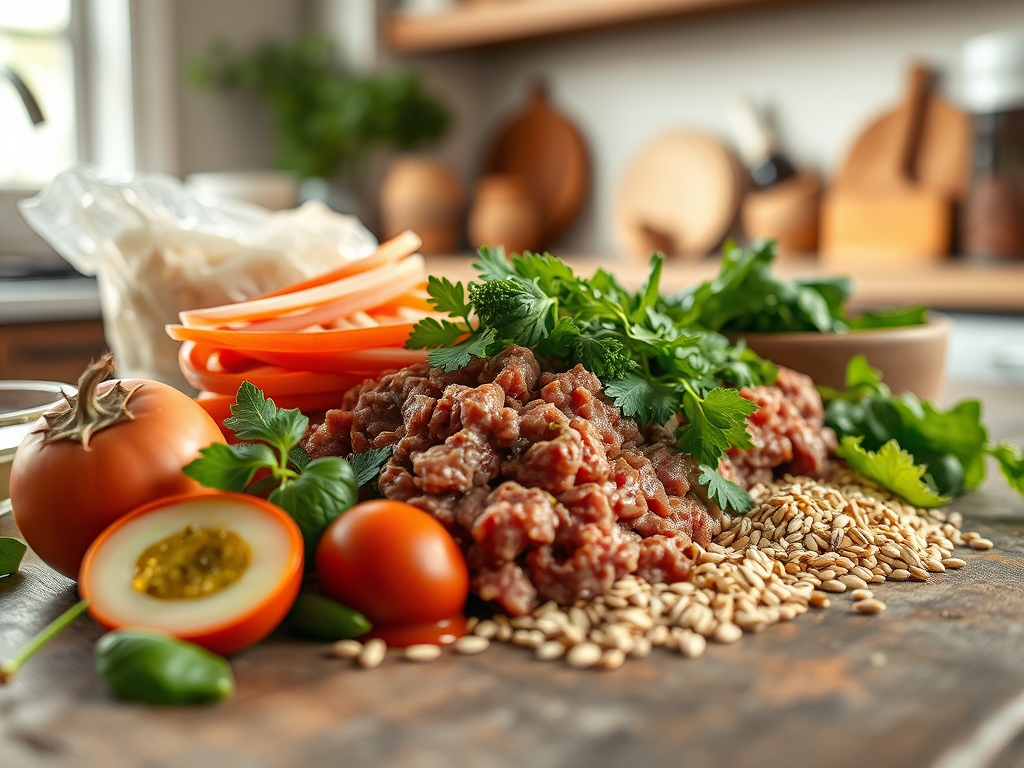
To master these thai ground beef recipes, your mise-en-place must be impeccable. You need a high-fat ratio beef, ideally 80/20, because the lipids act as the primary flavor carrier for the volatile oils in your aromatics. Reach for a heavy-bottomed skillet or a carbon steel wok; these vessels have the thermal mass required to maintain high temperatures when the cold meat hits the surface.
Your aromatics are the soul of the dish. You will need Thai bird's eye chilies, which register between 50,000 and 100,000 on the Scoville scale. Use a mortar and pestle to crush them with garlic cloves. This mechanical action ruptures the cell walls more effectively than a knife, releasing essential oils and creating a viscous paste that coats the beef. For the sauce, gather premium fish sauce (the "salt"), dark soy sauce (the "color"), and oyster sauce (the "body").
Smart Substitutions: If you cannot find Holy Basil (Tulsi), do not settle for Italian sweet basil alone. Mix Italian basil with a handful of fresh mint leaves to mimic the peppery, camphor-like notes of the original. If you are watching your sodium, use a liquid aminos solution, but add a pinch of dried mushroom powder to replicate the lost glutamates found in traditional fish sauce.
The Clock: 15 Minutes to Glory
Efficiency in the kitchen is about the Chef's Flow, a sequence of actions that minimizes downtime and maximizes heat retention.
- Prep (10 Minutes): This is where the heavy lifting happens. Mince your garlic, slice your shallots, and pull your basil leaves. Use a bench scraper to move your prepped ingredients into small bowls.
- The Sear (3 Minutes): The beef needs a high-intensity encounter with the pan. We are looking for Maillard reaction excellence here, not a slow steam.
- The Finish (2 Minutes): This is the "flash" stage where sauces are added to deglaze the pan and herbs are wilted by residual heat.
Total active time is a mere 15 minutes. Because the cooking happens so fast, you cannot stop to chop a chili mid-way through. Have everything within arm's reach before you turn on the flame.
The Masterclass: 9 Bold Secrets
1. The Dry-Sear Commencement
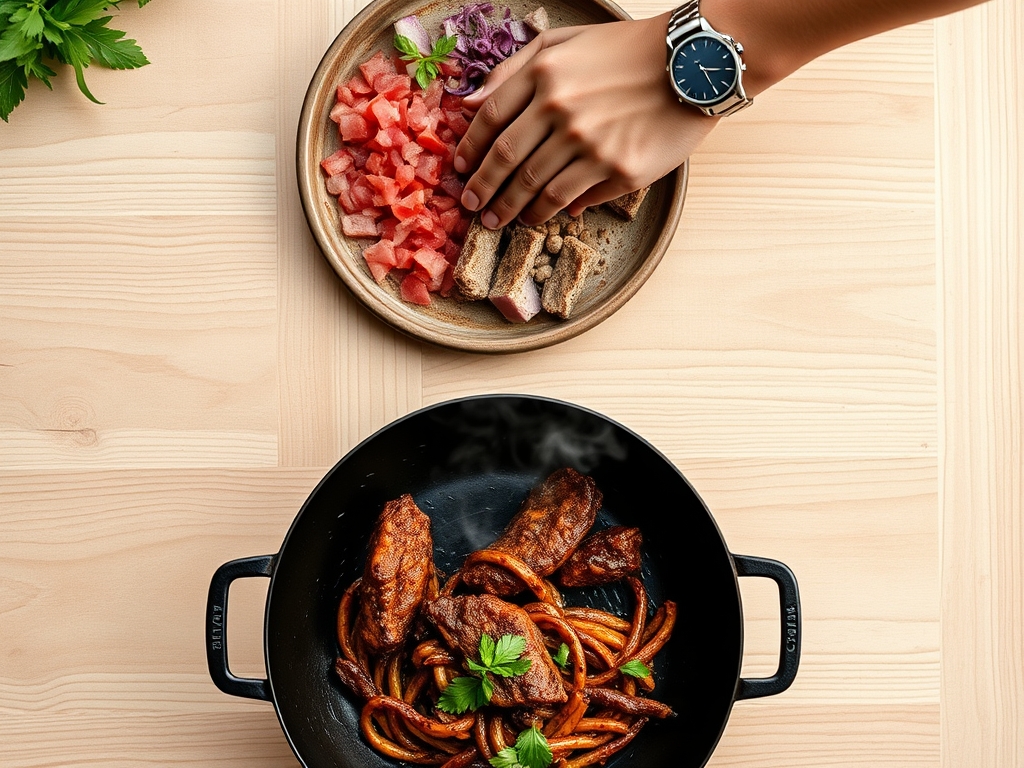
Place your heavy-bottomed skillet over high heat until it wisps with smoke. Add the beef in large chunks rather than breaking it up immediately.
Pro Tip: This technique maximizes the surface area for enzymatic browning. By leaving the meat undisturbed for 60 seconds, you allow the proteins to denature and form a crust before the moisture can leach out and steam the meat.
2. Aerating the Aromatics
Push the meat to the perimeter and add your chili-garlic paste to the center "well" with a splash of oil.
Pro Tip: To aerate the spices means to fry them briefly in fat. This process, known as blooming, fat-solubilizes the capsaicin and aromatics, ensuring the heat is distributed evenly throughout the entire dish rather than in spicy "pockets."
3. The Deglaze Maneuver
Pour your pre-mixed sauce around the edges of the pan so it slides under the beef. Use a stainless steel spatula to scrape up the brown bits (the fond).
Pro Tip: Deglazing captures the concentrated sugars and proteins stuck to the pan. The liquid causes a rapid temperature drop that creates steam, helping to finish the internal cooking of the beef while creating a viscous glaze.
4. Controlled Moisture Evaporation
Continue tossing the beef until the sauce has reduced and looks glossy rather than watery.
Pro Tip: High-heat evaporation concentrates the salts and sugars. If you leave too much liquid, the beef will lose its "bite" and become soggy. You want the fat to emulsify with the small amount of remaining liquid for a silken mouthfeel.
5. The Residual Heat Wilt
Turn off the heat before adding your basil. Use tongs to fold the leaves into the beef.
Pro Tip: Basil contains delicate volatile compounds that dissipate with excessive heat. By using thermal carryover to wilt the leaves, you preserve the bright green color and the aromatic oils that provide the signature Thai fragrance.
6. The Acid Balance
Just before serving, squeeze fresh lime juice over the pan.
Pro Tip: Citric acid acts as a flavor brightener. It cuts through the heavy lipids of the beef and the saltiness of the fish sauce, providing a "high note" that balances the palate and prevents flavor fatigue.
7. Texture Contrast via Toasted Rice
If making Larb, sprinkle with toasted rice powder (Khao Khway).
Pro Tip: This provides a mechanical contrast to the soft beef. The starch in the rice also acts as a secondary thickener, absorbing any excess juices and clinging to the meat fibers.
8. The Crispy Egg Cap
Fry an egg in a separate saucier with a generous amount of oil until the edges are brown and "frilly."
Pro Tip: The contrast between the crunchy, deep-fried egg white and the creamy, liquid yolk creates a rich sauce when broken, adding a layer of fatty decadence to the lean beef.
9. Resting the Protein
Allow the beef to sit for two minutes before plating.
Pro Tip: Even ground meat benefits from a brief rest. This allows the protein fibers to relax slightly and reabsorb some of the rendered juices, ensuring every bite is moist.
The Deep Dive
Macro Nutrition: A standard serving of Thai ground beef (approx 4oz) provides roughly 24g of protein and 15g of fat. By using lean beef (90/10), you can drop the fat content, but you may lose some of the flavor infusion capabilities of the dish.
Dietary Swaps:
- Vegan: Substitute beef with minced king oyster mushrooms or firm tofu crumbles. Use a "no-fish" sauce made from seaweed and soy.
- Keto: This dish is naturally low-carb. Serve over cauliflower rice or inside cabbage cups.
- GF: Ensure your oyster sauce and soy sauce are certified gluten-free (Tamari is a great swap).
The Fix-It:
- Too Salty: Add a teaspoon of palm sugar or brown sugar. The sweetness counteracts the perception of salt on the tongue.
- Too Spicy: Do not add water. Add more bulk (like shredded carrots) or a dollop of peanut butter to coat the tongue and neutralize the capsaicin.
- Grey/Boiled Meat: Your pan wasn't hot enough. Next time, cook in smaller batches to maintain the thermal energy of the cooking surface.
Meal Prep Science: When reheating, add a tablespoon of water and cover tightly. This creates a steam chamber that rehydrates the beef fibers without overcooking them. Avoid the microwave if possible; a quick flash in a hot skillet for 60 seconds restores the Maillard aromas.
The Wrap-Up
Mastering thai ground beef recipes is your ticket to becoming the most popular person in your social circle. It is a fast, ferocious, and incredibly rewarding way to cook that proves you do not need hours of simmering to achieve deep flavor. By understanding the interaction between high heat and aromatic oils, you have moved beyond following a recipe to truly understanding the molecular transformation of food. Now, grab your wok, crank up the flame, and go create some culinary magic. Your kitchen is about to smell like a dream.
The Kitchen Table
Can I use ground turkey instead of beef?
Yes, but turkey is leaner and lacks the same myoglobin levels. Add a teaspoon of toasted sesame oil to compensate for the lower fat content and ensure the meat does not dry out during the high-heat sear.
What is the best way to store leftovers?
Store in an airtight glass container for up to three days. Glass is non-porous and will not absorb the pungent aromas of the fish sauce and garlic, ensuring your fridge stays fresh and the beef retains its integrity.
Why is my basil turning black immediately?
This is due to oxidation. If the pan is too hot when the basil is added, the cell walls collapse too quickly. Turn off the heat and let the pan cool for thirty seconds before folding in your herbs.
How do I make it more saucy?
Increase the oyster sauce and add a splash of beef bone broth. The collagen in the broth will provide a rich, lip-smacking texture without diluting the intense flavors of the chilies and garlic.