
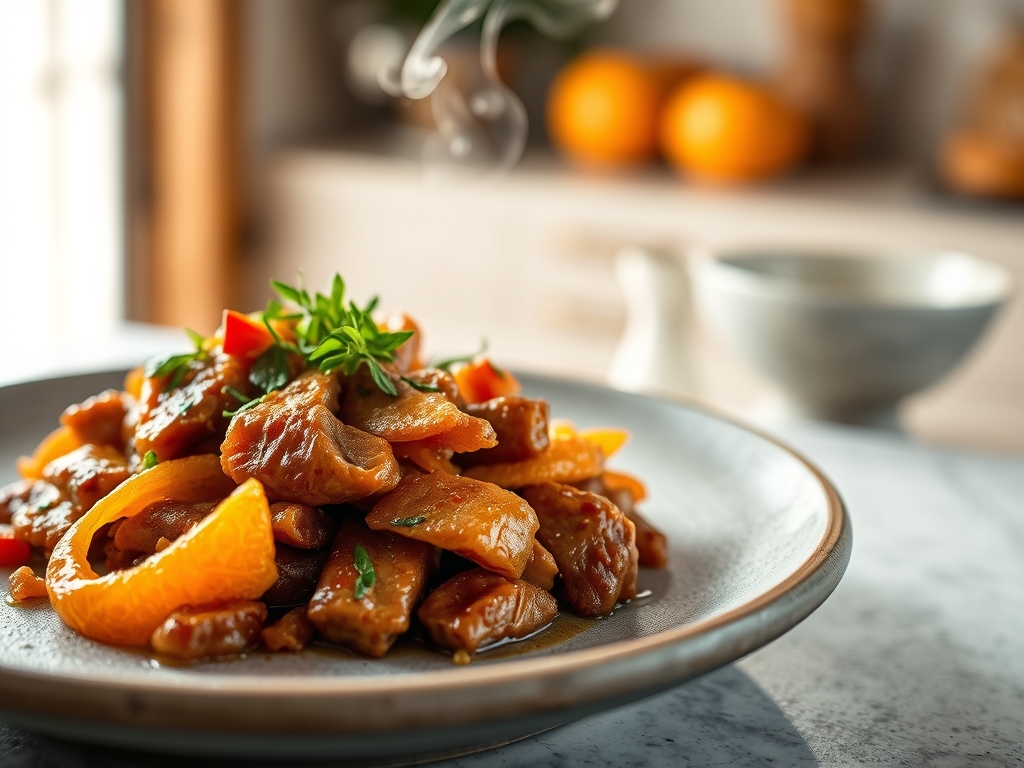
Close your eyes and listen to the sound of cold, velvet-marinated flank steak hitting a shimmering pool of oil in a heavy-bottomed skillet. That sharp, percussive sizzle is the sound of the Maillard reaction beginning to transform proteins into a crusty, golden masterpiece. We are diving deep into the world of orange beef recipes today; those citrus-forward, piquant delights that balance sticky sweetness with a serious umami punch. This is not your standard takeout fare. We are elevating this classic dish into a high-octane culinary experience that balances professional technique with the warmth of a home kitchen.
The secret to world-class orange beef recipes lies in the tension between the acidity of the citrus and the richness of the rendered fat. When you get it right, the sauce is glossy and viscous, clinging to the beef like a silk ribbon. When you get it wrong, it is a soggy, sugary mess. We are going to ensure you hit the former every single time by mastering the science of starch gelatinization and the art of the perfect sear. Grab your apron and your favorite tongs; we are about to turn your kitchen into the best bistro in town.
The Gathers:
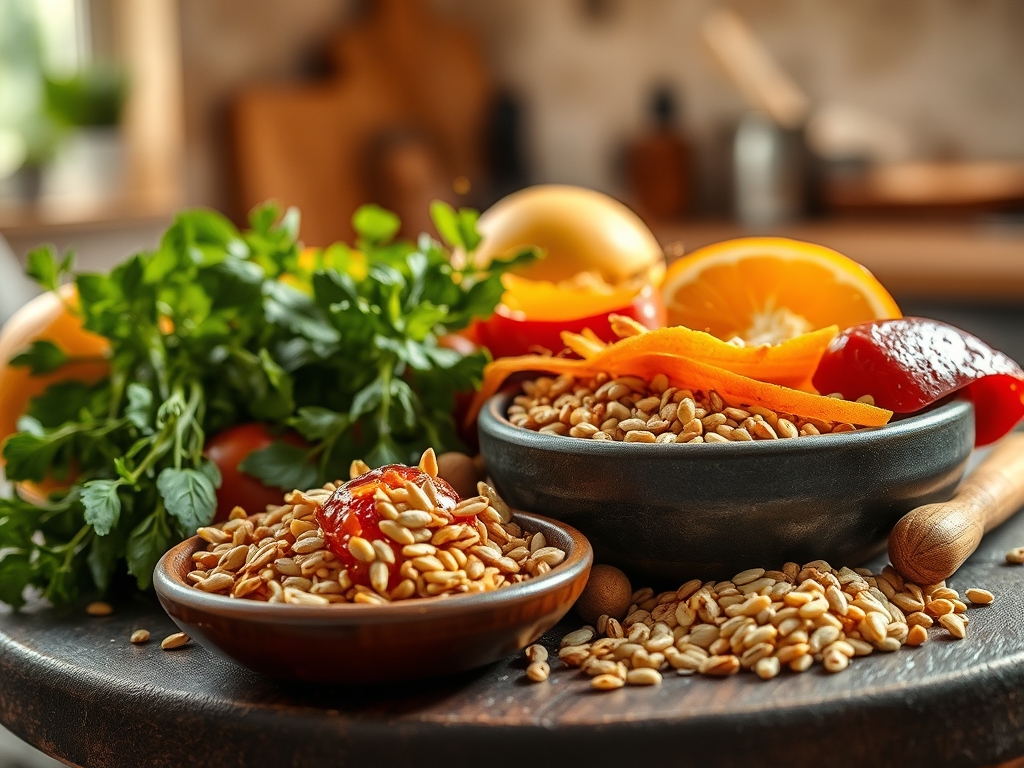
To execute these orange beef recipes with precision, your mise-en-place must be flawless. Start with the protein: flank steak or top sirloin is preferred for its lean profile and long muscle fibers. You will need a digital scale to measure exactly twelve ounces of beef, which ensures the ratio of coating to meat remains consistent. For the aromatic base, gather fresh ginger and garlic. Use a microplane to grate these into a fine paste; this increases the surface area and allows the volatile oils to infuse the sauce more rapidly than a rough chop.
The citrus component requires fresh Navel or Cara Cara oranges. You need both the juice for acidity and the zest for those essential oils that provide the floral, aromatic top notes. For the dry coating, cornstarch or potato starch is non-negotiable. These starches have a high amylopectin content, which creates that signature shatter-crisp texture when fried. Finally, assemble your liquids: high-quality soy sauce for salinity, rice vinegar for brightness, and toasted sesame oil for a nutty finish.
Smart Substitutions: If you are watching your sodium, liquid aminos provide a similar depth of flavor without the salt spike. For those avoiding refined sugar, honey or agave nectar can be used, though you must monitor the heat carefully as these sugars caramelize at lower temperatures. If you cannot find fresh ginger, a ginger paste is acceptable, but avoid the dried powder as it lacks the piquant bite necessary to cut through the richness of the beef.
The Clock
Efficiency in the kitchen is all about the "Chef's Flow." For these orange beef recipes, you are looking at a total time of 35 minutes: 15 minutes for prep and 20 minutes for active cooking. The flow begins with the marinade. By slicing the beef thinly against the grain and letting it sit in a mixture of soy sauce and a pinch of baking soda (a process called velveting), you tenderize the fibers while you prep your aromatics.
While the beef marinates for 10 minutes, you should whisk your sauce components in a small saucier. This overlap ensures that once the skillet is hot, you are not scrambling to measure liquids while your garlic burns. The actual frying process happens in lightning-fast batches. Never crowd the pan; this drops the oil temperature and turns a sear into a steam. By following this rhythmic flow, you maintain the thermal momentum needed for a perfect finish.
The Masterclass
1. The Velveting Process
Slice your beef into thin, uniform strips and toss them with a teaspoon of baking soda and soy sauce. This alkaline environment raises the pH level on the surface of the meat, making it difficult for the proteins to bond tightly during cooking.
Pro Tip: This is known as enzymatic tenderization. By altering the pH, you ensure the beef remains succulent even when exposed to the high heat required for a crispy exterior.
2. The Starch Coating
Dredge the marinated beef in cornstarch until every crevice is covered. Use a fine-mesh sieve to shake off any excess. The coating should be a light dust, not a heavy paste, to ensure a delicate crunch.
Pro Tip: This creates a dehydrated surface layer. When the starch hits the oil, the moisture evaporates instantly, creating a porous, crisp shell that protects the tender meat inside.
3. The High-Heat Sear
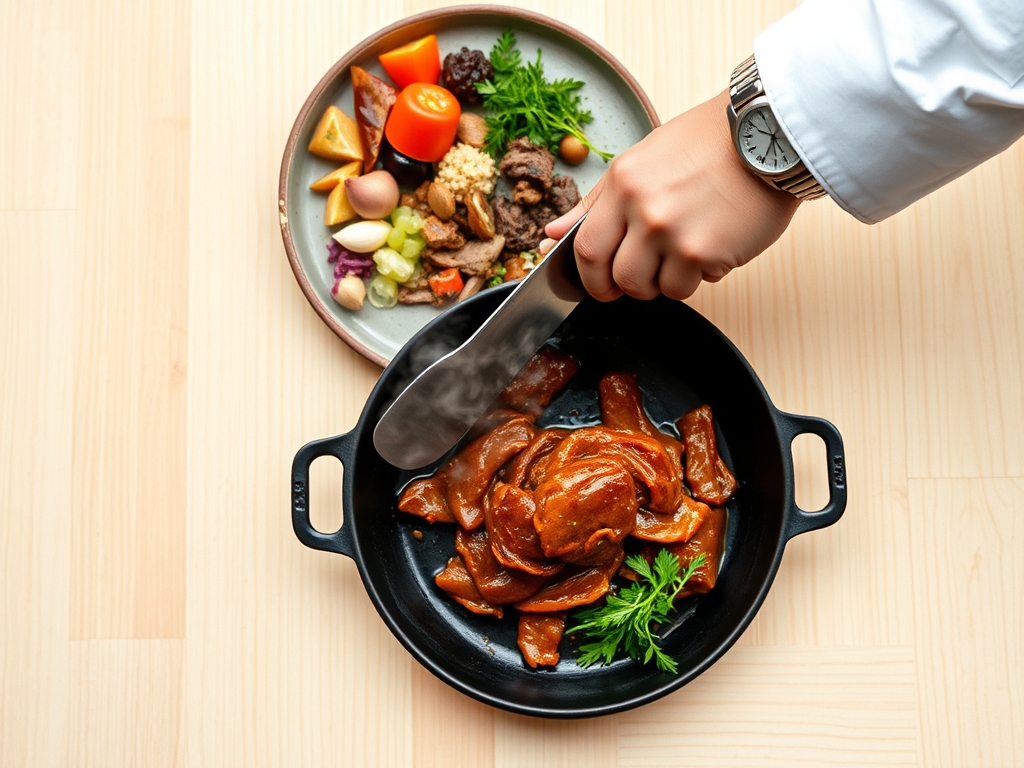
Heat your heavy-bottomed skillet until the oil just begins to shimmer. Use tongs to lay the beef in a single layer. Let it sit undisturbed for 90 seconds to develop a deep, mahogany crust before flipping.
Pro Tip: This is the Maillard reaction in action. You are creating hundreds of new flavor compounds that simply do not exist in boiled or steamed meat.
4. Infusing the Aromatics
Remove the beef and wipe out the excess oil. Add a splash of fresh oil and toss in your grated ginger, garlic, and red pepper flakes. Sauté for only 30 seconds until fragrant to avoid bitterness.
Pro Tip: Heating aromatics in fat is called blooming. Many flavor compounds are fat-soluble, meaning they need oil to be fully released and carried throughout the dish.
5. The Sauce Reduction
Pour your orange juice mixture into the skillet. Use a wooden spoon to deglaze the pan, scraping up any browned bits (the fond) from the bottom. Let the sauce simmer until it reduces by half and becomes viscous.
Pro Tip: This is starch gelatinization. The cornstarch in the sauce swells as it heats, trapping water molecules and transforming a thin liquid into a glossy glaze.
6. The Final Emulsification
Toss the crispy beef back into the sauce along with the fresh orange zest. Stir rapidly for 30 seconds to coat every piece evenly without losing the crunch of the coating.
Pro Tip: Adding the zest at the very end preserves the volatile essential oils. High heat destroys these delicate aromatic compounds, so late addition is key for a zesty punch.
The Deep Dive
From a macro perspective, orange beef recipes are protein powerhouses, providing roughly 30 grams of protein per serving. While the traditional version is higher in carbohydrates due to the starch and sugar, you can easily pivot. For a Keto-friendly version, swap the cornstarch for arrowroot powder or almond flour and use monk fruit sweetener in the sauce. For a Vegan twist, crispy fried oyster mushrooms or seitan make incredible substitutes for the beef, offering a similar "meaty" texture.
The Fix-It: If your sauce is too thin, whisk a teaspoon of cornstarch with cold water (a slurry) and stir it in; never add dry starch directly to hot liquid or it will clump. If the beef is tough, you likely cut with the grain rather than against it; next time, look for the parallel lines of muscle and cut perpendicular to them. If the dish is too sweet, a splash of rice vinegar or a squeeze of lime juice will provide the necessary acid to balance the palate.
Meal Prep Science: To maintain "day-one" quality, store the sauce and the fried beef in separate containers. Reheat the beef in an air fryer at 350 degrees for 3 minutes to restore the crunch, then toss it with the warmed sauce. This prevents the starch coating from absorbing the sauce and becoming gummy during storage.
The Wrap-Up
Mastering orange beef recipes is a rite of passage for any home cook looking to bring professional flair to their weeknight rotation. It is a dish that celebrates the harmony of science and soul, combining technical frying methods with the bright, sunny disposition of fresh citrus. Whether you are cooking for a crowd or just treating yourself to a high-density flavor bomb, these techniques ensure a result that is far superior to anything in a cardboard box. Now, go forth and sear with confidence; your kitchen is waiting.
The Kitchen Table
How do I make my orange beef extra crispy?
The secret is a double-dredge in cornstarch and ensuring your oil is at least 375 degrees. High heat causes rapid moisture evaporation, which is the key to a shatter-crisp texture that holds up against the sauce.
Can I use orange marmalade instead of fresh juice?
Yes, but reduce the added sugar in the recipe. Marmalade contains pectin, which helps the sauce thicken quickly, but it lacks the bright acidity of fresh juice, so add an extra teaspoon of rice vinegar to balance it.
What is the best cut of beef for this recipe?
Flank steak is the gold standard because it is lean and easy to slice thinly. Top sirloin or flat iron steaks are also excellent choices. Always slice against the grain to ensure the meat is tender rather than chewy.
Why is my orange beef sauce cloudy?
Cloudy sauce usually results from using too much cornstarch or not letting the sauce come to a full simmer. The starch must reach a specific temperature to "clear" and become a translucent, glossy glaze that coats the meat.
How can I make this recipe gluten-free?
Simply swap the soy sauce for tamari or coconut aminos. Since cornstarch is naturally gluten-free, the rest of the recipe remains the same. Always check your aromatics and spices for hidden additives to ensure total compliance.