
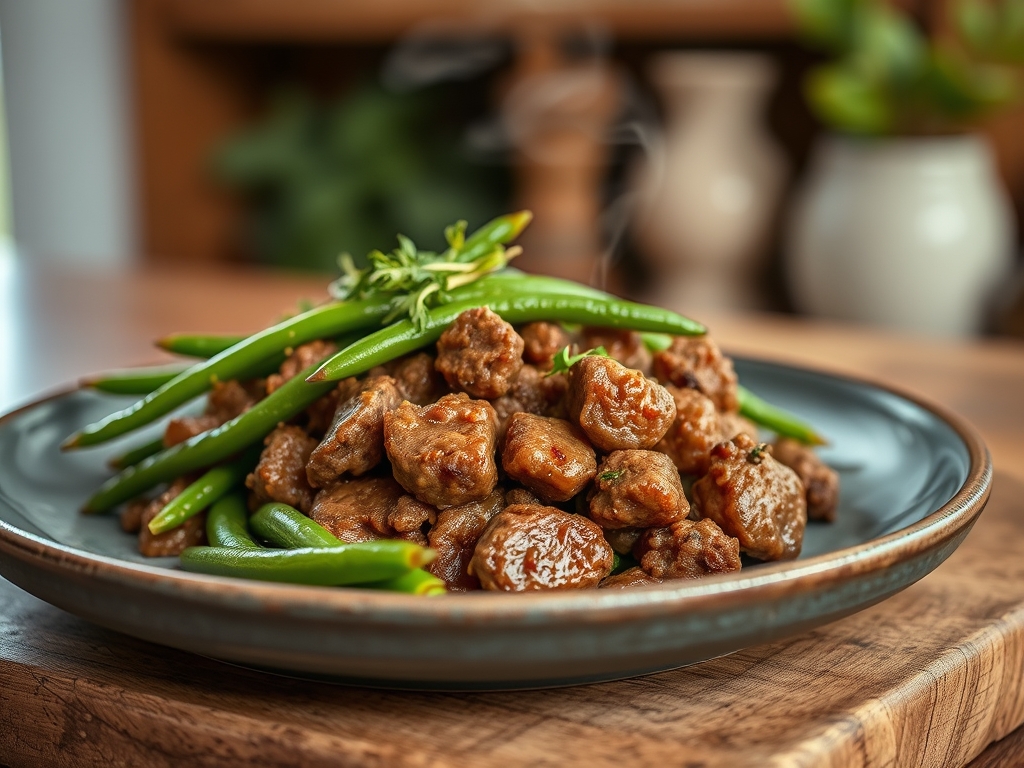
Picture the scent of rendered fat hitting a hot skillet, followed by the snap of a fresh pod. There is a primal comfort in the union of protein and produce. If you are hunting for green beans and ground beef recipes, you are seeking the perfect balance of savory depth and garden-bright crunch for your weeknight rotation.
This combination is a culinary powerhouse because it plays with contrasting textures. You have the soft, crumbly richness of the beef against the structural integrity of the bean. It is a high-protein, low-stress solution for those nights when the clock is ticking but your palate demands something more sophisticated than a basic stir-fry. We are going to dive into nine variations that transform these two humble ingredients into masterpieces ranging from spicy Szechuan-inspired bowls to creamy French-style casseroles. Each version relies on the same fundamental chemistry to ensure the meat is deeply browned and the beans remain vibrant rather than mushy.
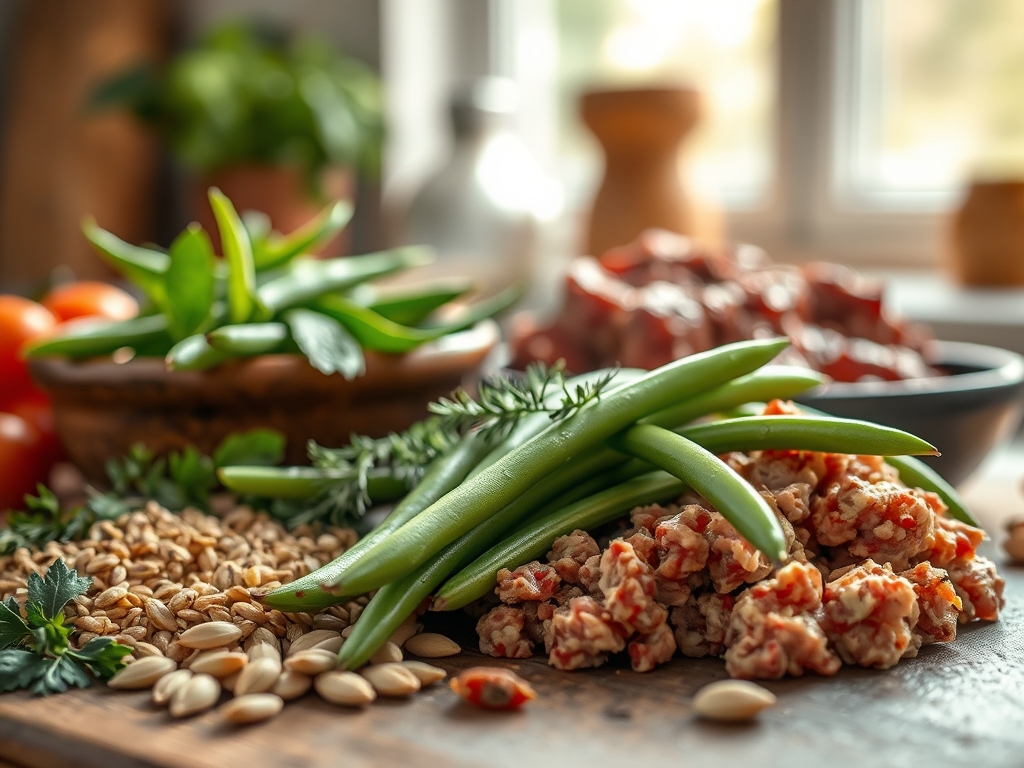
The Gathers:
Before we ignite the burner, we must assemble our mise-en-place with precision. Start with your protein. I recommend an 80/20 blend of ground chuck. The 20 percent fat content is essential because it provides the lipid base needed to emulsify your sauces later. For the beans, look for Haricots Verts if you want a delicate snap, or standard string beans for a heartier bite.
Your aromatics are the soul of these green beans and ground beef recipes. You will need fresh garlic, ginger, and shallots. Use a microplane to grate your ginger into a fine paste; this increases the surface area and allows the gingerols to infuse the oil more efficiently. Grab a digital scale to measure out 500 grams of beef and 400 grams of trimmed beans. You will also need a high-smoke-point oil, such as avocado or grapeseed, to facilitate the Maillard reaction without scorching.
Smart Substitutions:
If you are watching your saturated fat intake, ground turkey or bison works beautifully. However, since these are leaner, you must add a teaspoon of toasted sesame oil or a knob of butter at the end to provide the mouthfeel that fat usually provides. For a piquant kick, swap regular salt for smoked sea salt or a splash of fish sauce to add a layer of umami that mimics aged parmesan.
The Clock
Efficiency in the kitchen is about "Chef's Flow." This is the art of overlapping tasks so that no heat is wasted. For these recipes, the total active time is roughly 15 minutes, with a 10-minute cook window.
Start by prepping your aromatics while the heavy-bottomed skillet preheats. You want that pan screaming hot before the beef touches the surface. While the beef renders, you can trim the ends of your beans using a sharp chef's knife or a bench scraper to clear the board quickly. The goal is to have the beans hit the pan just as the beef reaches a deep mahogany brown. This synchronization ensures the beans cook in the hot beef fat, absorbing flavor while maintaining their cellular structure.
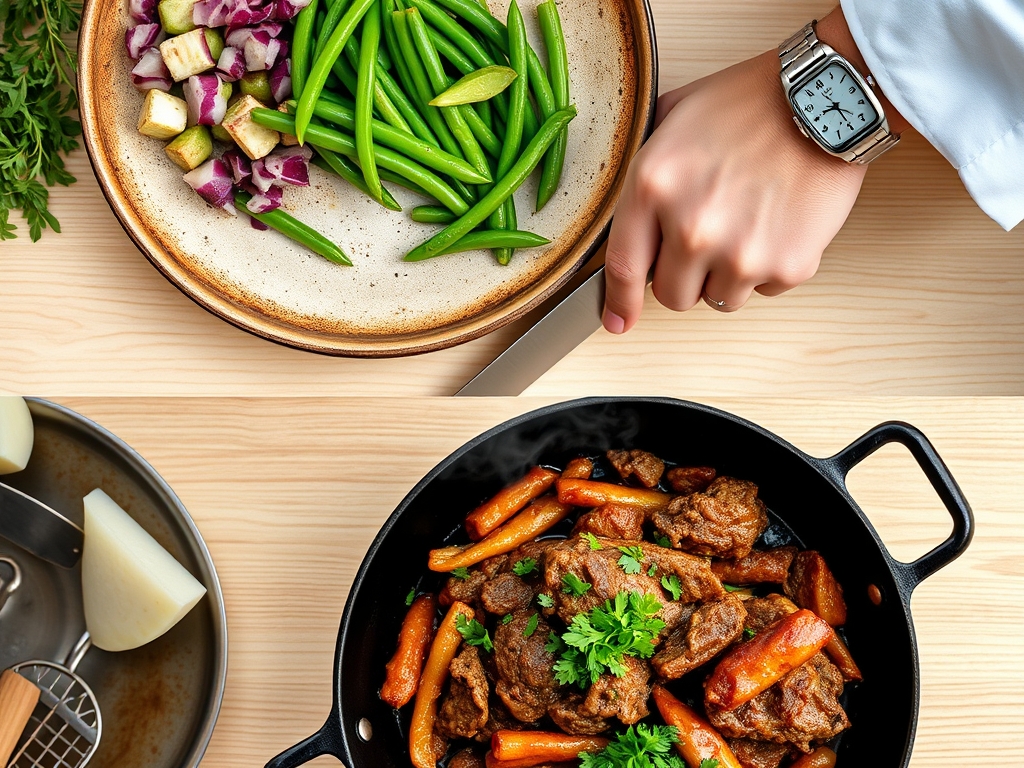
The Masterclass
1. The Sear and Render
Place your ground beef into the hot skillet. Do not move it for at least three minutes. You are waiting for the meat to dehydrate at the surface so the sugars and amino acids can bond. Use a stiff spatula to break the meat into small crumbles only after the bottom is crusty.
Pro Tip: This is the science of pyrolysis. If you stir too early, the meat will steam in its own moisture, resulting in a gray, rubbery texture instead of a savory crust.
2. The Aromatic Infusion
Push the beef to the perimeter of the pan and drop your minced garlic and ginger into the center. The fat pooled in the middle will bloom the spices, releasing fat-soluble flavor compounds that would otherwise remain trapped in the plant fibers.
Pro Tip: Garlic burns at a lower temperature than beef fat. By adding it late in the process, you prevent the formation of bitter sulfur compounds that occur during over-toasting.
3. The Green Bean Snap
Add the beans directly to the skillet. Use tongs to toss them in the rendered fat. Add a splash of water or stock and immediately cover the pan for 60 seconds. This creates a localized steam environment that softens the cellulose without losing the bright chlorophyll pigment.
Pro Tip: This technique utilizes latent heat. The steam cooks the interior of the bean while the dry heat of the pan blisters the skin for a smoky finish.
4. The Deglaze and Emulsify
Pour in your liquid seasoning, whether it is soy sauce, beef broth, or a splash of balsamic vinegar. Use your spatula to scrape up the fond, those brown bits stuck to the bottom of the pan. Stir vigorously to incorporate the fat into the liquid.
Pro Tip: The proteins in the meat juice act as a natural stabilizer, helping the oil and water-based liquids form a viscous sauce that coats every bean.
The Deep Dive
From a nutritional standpoint, these green beans and ground beef recipes are a goldmine. A standard serving provides roughly 30 grams of protein and a significant dose of Vitamin K and fiber. To keep it Keto-friendly, avoid sugar-laden sauces and stick to tamari or coconut aminos. For a Vegan twist, use crumbled tempeh; it has a similar fermented depth that mimics the savory notes of beef.
The Fix-It:
- Too Much Liquid: If your pan looks like a soup, remove the lid and crank the heat. You need to evaporate the excess water to concentrate the flavors.
- Tough Beans: This usually means the beans were old or under-steamed. Add two tablespoons of water, cover, and let them sit off the heat for three minutes to allow thermal carryover to finish the job.
- Bland Beef: You likely forgot to season the meat directly. Salt the beef as soon as it hits the pan to draw out moisture and intensify the flavor profile.
Meal Prep Science:
When reheating, do not use the microwave on high power; it vibrates water molecules so violently that it turns the beef into rubber. Instead, use a saucier on the stovetop with a teaspoon of water. This gently re-introduces moisture and restores the sauce's original emulsion.
The Wrap-Up
Mastering green beans and ground beef recipes is about more than just tossing things in a pan; it is about respecting the chemistry of the ingredients. When you balance the heavy, savory notes of the beef with the bright, alkaline snap of the beans, you create a meal that is both grounding and refreshing. Whether you are deglazing with red wine for a bistro vibe or hitting it with chili crisp for a spicy kick, these techniques ensure a perfect result every single time. Now, grab your skillet and get cooking!
The Kitchen Table
Can I use frozen green beans for these recipes?
Yes, but do not thaw them first. Add frozen beans directly to the hot pan. This prevents them from becoming mushy, as the high heat quickly evaporates the ice crystals before they can damage the bean's cellular walls.
How do I get the beef really crispy?
The secret is a dry pan and high heat. Pat the beef dry with paper towels to remove surface moisture. Avoid overcrowding the skillet; if there is too much meat, the temperature drops and the beef steams instead of searing.
What is the best way to store leftovers?
Store in an airtight glass container for up to four days. Glass is superior to plastic because it does not absorb the oils or odors from the garlic and beef fat, ensuring the flavor remains pristine for your next lunch.
Why are my green beans turning brown?
This is caused by overcooking, which breaks down the chlorophyll. To keep them bright green, cook them just until tender-crisp. If you are not eating immediately, shock them in ice water to stop the cooking process instantly.