
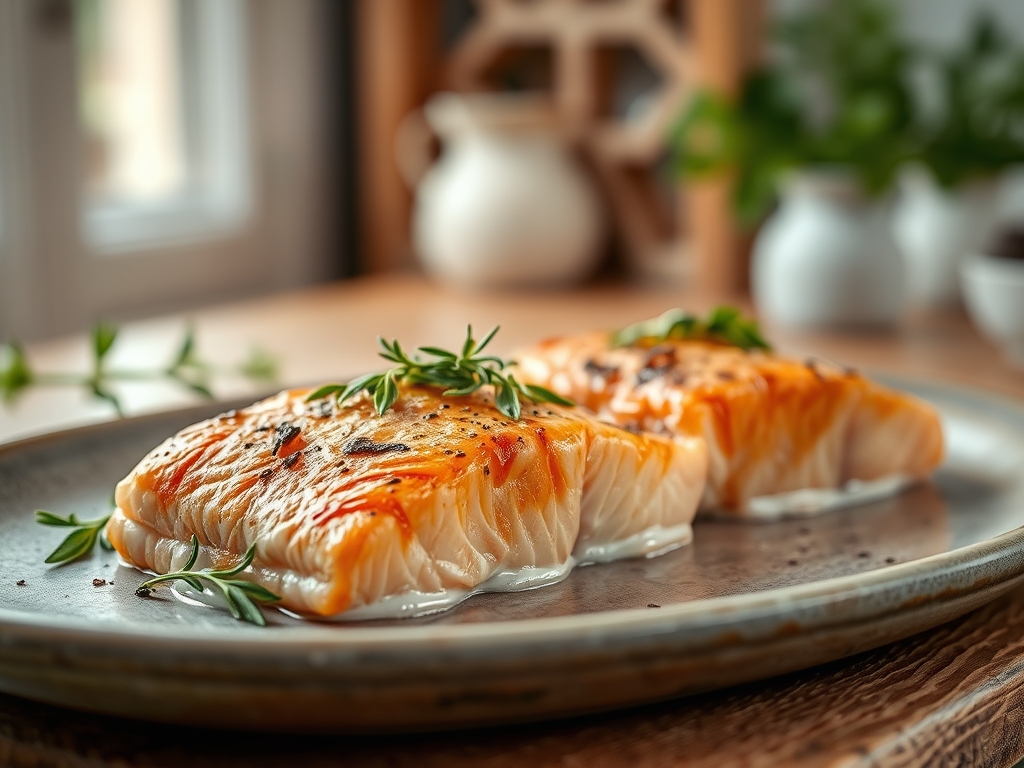
Imagine the hiss of a heavy-bottomed skillet meeting a cold-water fillet. The air fills with the scent of toasted citrus and earthy herbs; it is a sensory experience that proves salt is not the only way to find flavor. Mastering low sodium salmon recipes is about unlocking the hidden complexity of the fish through acid, heat, and aromatic infusion.
The Gathers:
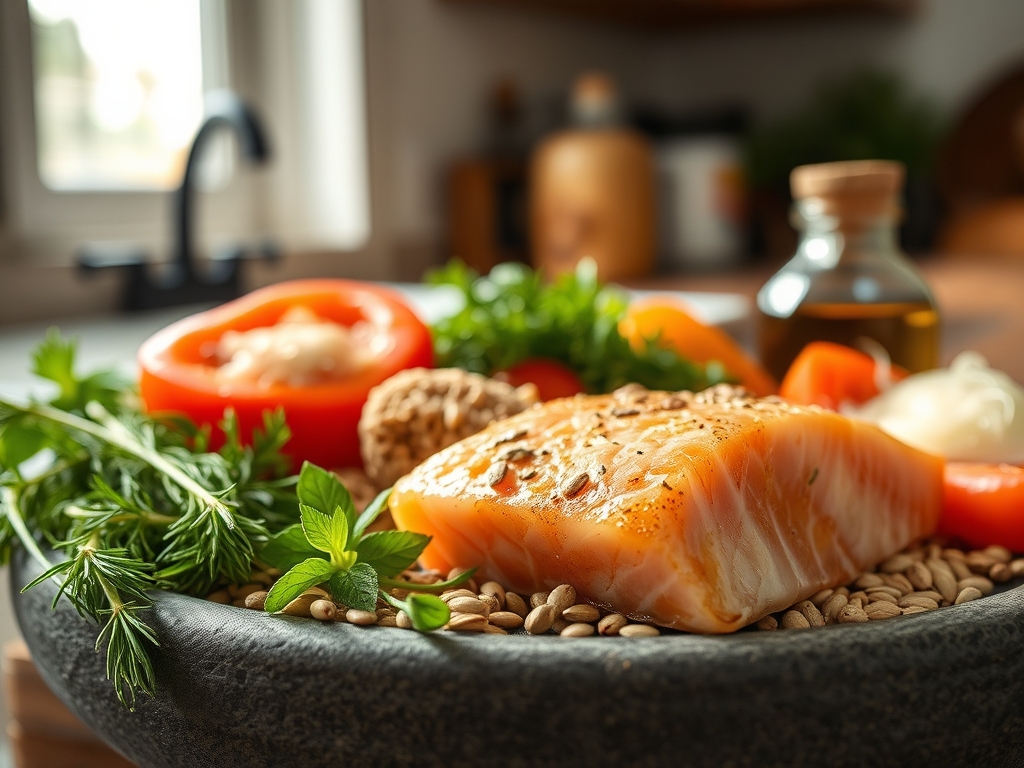
To execute these eight variations, your mise-en-place must be precise. We are looking for vibrant, high-quality proteins. When selecting your salmon, look for fillets with high muscular tension and clear, translucent flesh. On your workstation, you should have a microplane for citrus zest, a sharp chef's knife for dicing aromatics, and a digital scale to ensure portion consistency.
The secret to low sodium success lies in Smart Substitutions. Instead of sea salt, we utilize the piquant bite of fresh ginger, the viscous richness of high-quality olive oil, and the umami depth of nutritional yeast or liquid aminos (in moderation). We use fresh acids like Meyer lemon and rice vinegar to infuse the flesh with brightness, effectively tricking the palate into sensing saltiness through high-vibrancy flavor profiles.
The Clock:
Efficiency in the kitchen is all about the Chef's Flow. For these low sodium salmon recipes, the average prep time is approximately 15 minutes, with active cooking times ranging from 8 to 12 minutes. Total time from fridge to table is roughly 30 minutes.
The "Flow" involves prepping your cold aromatics first, then allowing the salmon to come to room temperature for exactly 10 minutes. This prevents the muscle fibers from seizing when they hit the heat. While the fish rests after cooking, you use that five-minute window to whisk your emulsified dressings or toss your greens. It is a rhythmic, logical sequence that ensures nothing gets cold and nothing overcooks.
The Masterclass:
1. The Sear and Render
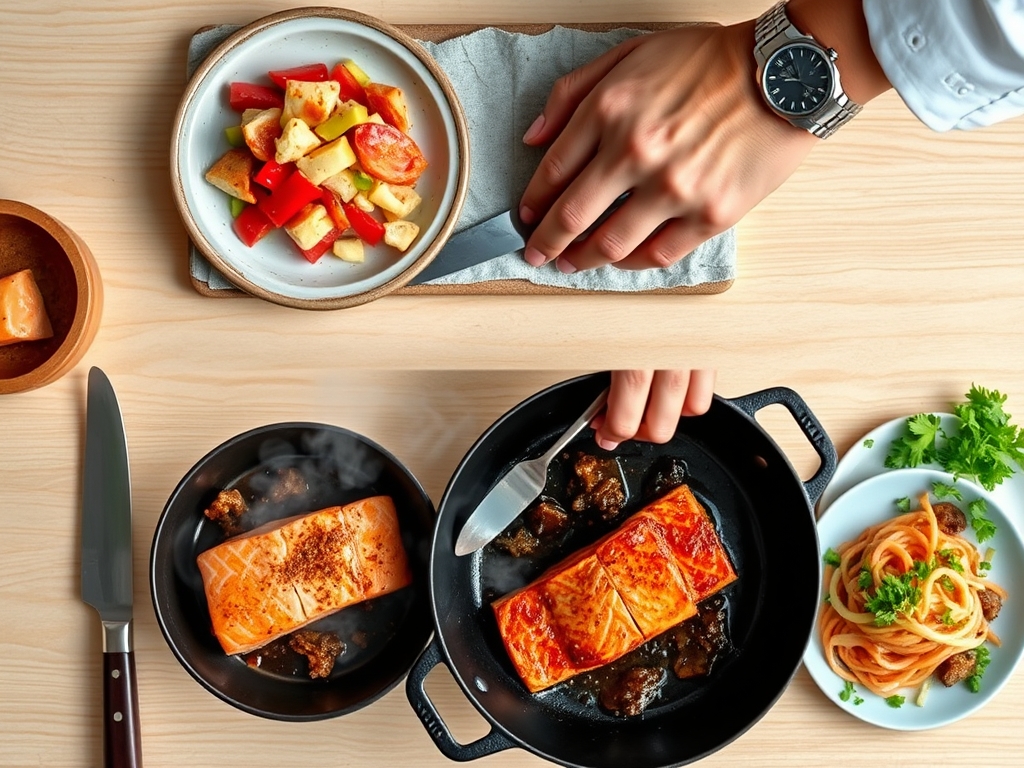
Place your fillet skin-side down in a preheated cast-iron pan. Use your tongs to press the fish gently against the surface to ensure even contact. You are looking to render the subcutaneous fat, which creates a natural barrier and a crisp texture without the need for heavy seasoning.
Pro Tip: This stage relies on the Maillard reaction. This chemical reaction between amino acids and reducing sugars creates that savory, browned crust. Keep the heat medium-high to trigger this without burning the delicate omega-3 oils.
2. Deglaze and Infuse
Once the fish is flipped, use a splash of white wine or verjus to deglaze the pan. This lifts the caramelized bits (the fond) from the bottom of the skillet. Add your aromatics like smashed garlic or sprigs of thyme directly into the liquid.
Pro Tip: This is called aromatic infusion. The steam from the deglazing liquid carries the essential oils from the herbs into the porous structure of the fish, flavoring it from the inside out.
3. The Gentle Finish
Move the pan to a lower heat or a warm oven to finish. Use a digital thermometer to pull the salmon when it reaches 125 degrees Fahrenheit for a perfect medium-rare.
Pro Tip: Account for thermal carryover. The internal temperature will continue to rise by 5 to 7 degrees after you remove it from the heat source. Pulling it early prevents the proteins from becoming "chalky" or dry.
The Deep Dive:
When we look at the macro nutrition of these low sodium salmon recipes, we see a powerhouse of health. A standard 6-ounce fillet provides roughly 34 grams of high-quality protein and 1.5 grams of Omega-3 fatty acids. By eliminating added salt, we keep the sodium count under 100mg per serving, which is ideal for cardiovascular health.
Dietary Swaps:
For those following a Keto protocol, increase the healthy fats by adding a dollop of grass-fed butter or avocado oil during the final rest. For a Vegan alternative to the sides, swap honey for agave in any glaze. If you are Gluten-Free, ensure your liquid aminos are certified wheat-free to maintain the umami profile without the gluten.
The Fix-It:
- The Albumin Bleed: If you see white goo seeping out, you are cooking too fast. Fix: Lower your heat and use a slower, gentler poaching or roasting method.
- Stuck Skin: The fish sticks to the pan. Fix: Ensure your pan is "sustainably hot" before adding oil. If it sticks, wait; the fish will naturally release once the crust has formed.
- Muted Flavor: The dish tastes flat. Fix: Increase the acid. A fresh squeeze of lime or a teaspoon of apple cider vinegar provides the "lift" that salt usually offers.
Meal Prep Science:
To maintain "day-one" quality when reheating, avoid the microwave. The high-frequency waves agitate water molecules too violently, toughening the protein. Instead, use a saucier to gently steam the salmon with a tablespoon of water over low heat, or eat it cold over a crisp salad to preserve the delicate texture.
The Wrap-Up:
You now have the technical blueprint to master low sodium salmon recipes like a seasoned pro. By focusing on the science of the sear, the power of aromatics, and the precision of temperature control, you can create meals that are as vibrant and energizing as they are healthy. Grab your bench scraper, clear your station, and get cooking; your kitchen is about to smell incredible!
The Kitchen Table:
How do I make salmon taste good without salt?
Focus on high-acid ingredients like lemon juice, zest, and vinegars. Use fresh aromatics like ginger, garlic, and dill. Toasted spices like cumin or smoked paprika add "perceived" saltiness and depth through complex earthy notes and pungent heat.
What is the best cooking method for low sodium salmon?
Pan-searing in a heavy-bottomed skillet is ideal. This method utilizes the Maillard reaction to create savory, browned flavors that compensate for the lack of salt. Poaching in an aromatic broth is another excellent way to infuse deep moisture and flavor.
Can I use frozen salmon for these recipes?
Yes, provided you thaw it slowly in the refrigerator. Pat the fillets extremely dry with a paper towel before cooking. Removing excess surface moisture is critical for achieving a proper sear and preventing the fish from steaming in its own juices.
How do I prevent salmon from drying out?
Use a digital thermometer to monitor the internal temperature. Remove the fish from the heat at 125 degrees Fahrenheit. Allow it to rest for five minutes; thermal carryover will bring it to a perfect, juicy 130 degrees for serving.