
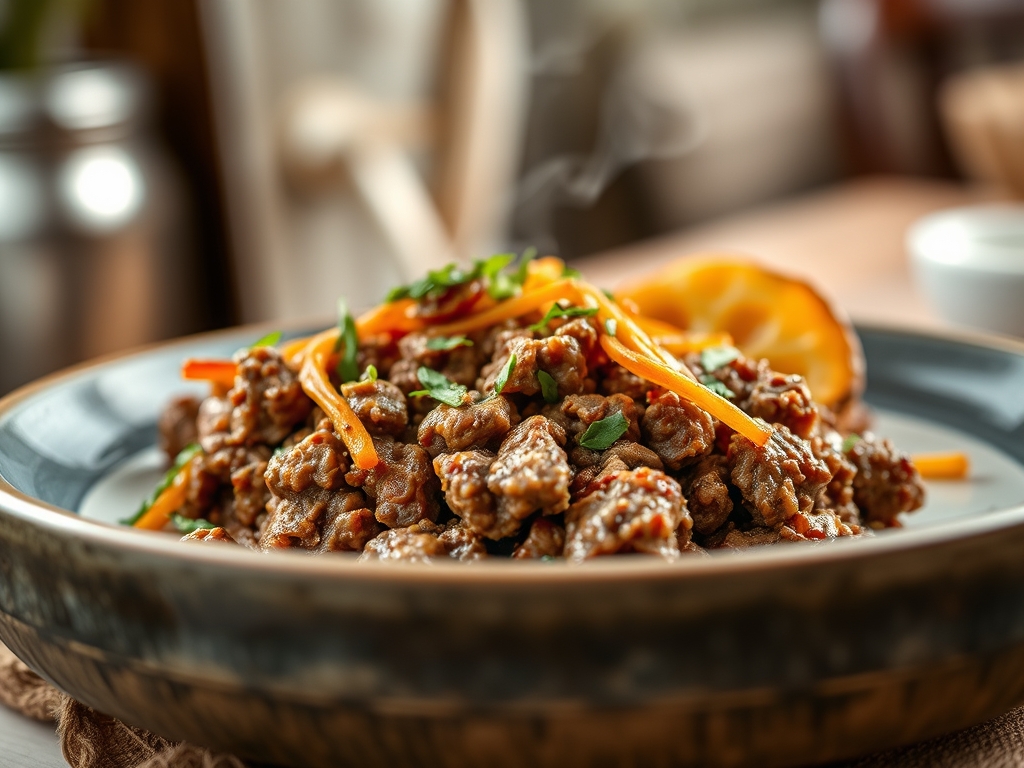
The kitchen air transforms the moment cold protein hits a searing heavy-bottomed skillet. That sharp, rhythmic hiss is the sound of moisture evaporating to make way for the Maillard reaction; the chemical bridge between raw ingredients and a savory masterpiece. When you are hunting for ground beef recipes for lunch, you are not just looking for fuel. You are looking for a high-density, protein-forward solution that respects your ticking clock and your palate. Ground beef is the ultimate culinary chameleon. It possesses a high surface-to-volume ratio, which means it absorbs aromatics and develops a crust faster than any steak or roast ever could. Whether you are craving a piquant Korean-inspired bowl or a classic smash burger, the secret lies in how you manipulate the fat and heat. Today, we are moving beyond the basic taco kit. We are diving into the molecular mechanics of browning, the physics of emulsified sauces, and the art of the midday pivot. Grab your favorite apron; it is time to turn that pound of chuck into nine distinct, restaurant-quality victories.
The Gathers:
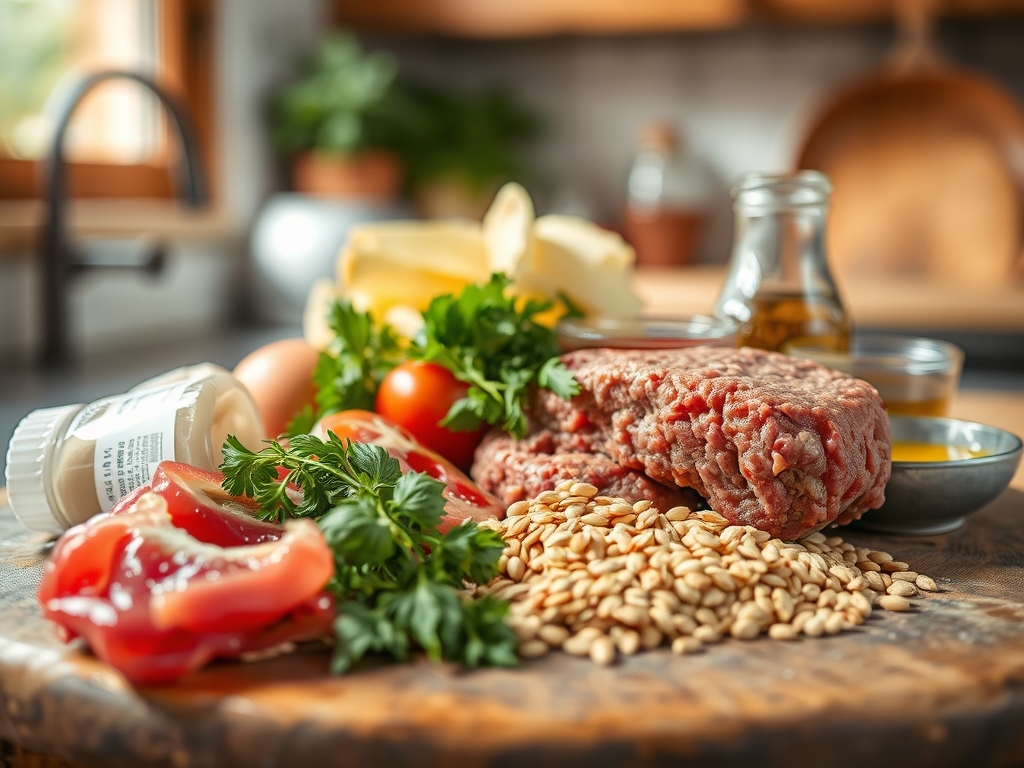
To execute these ground beef recipes for lunch with precision, your mise-en-place must be impeccable. Start with the protein. Aim for an 80/20 lean-to-fat ratio. The 20 percent fat content is essential for flavor and moisture; it acts as a conductor for fat-soluble vitamins and aromatic compounds. You will need a stack of aromatics: yellow onions for their high sugar content (perfect for caramelization), fresh cloves of garlic, and ginger root. Use a microplane to grate these into a fine paste; this increases the surface area for maximum flavor infusion.
For your pantry staples, gather high-viscosity liquids like dark soy sauce, toasted sesame oil, and apple cider vinegar to provide a piquant acidity that cuts through the richness of the beef. Do not forget the textures. Water chestnuts provide a structural crunch, while scallions offer a fresh, sulfurous bite at the finish.
Smart Substitutions: If you are watching your saturated fat intake, swap half the beef for finely minced cremini mushrooms. This is known as "The Blend." Mushrooms contain high levels of glutamate, which mimics the umami profile of beef while adding fiber and reducing calories. If you lack a specific spice like cumin, toasted coriander seeds crushed in a mortar and pestle offer a bright, citrusy alternative that keeps the flavor profile sophisticated.
The Clock:
Efficiency in the kitchen is governed by "Chef's Flow." This is the practice of overlapping tasks so that no second is wasted. For these ground beef recipes for lunch, the average prep time is 10 minutes, with a cook time of 12 minutes. Total time: 22 minutes.
The flow works like this: start your skillet on medium-high heat before you even touch a knife. While the pan reaches its thermal equilibrium, chop your aromatics. By the time the first onion hits the oil, your pan is ready to deglaze. Never wait for the beef to finish browning before prepping your sauce; whisk your liquids in a small saucier while the beef renders. This parallel processing ensures that by the time the timer dings, you are plating, not just starting the garnish.
The Masterclass:
1. The High-Heat Sear
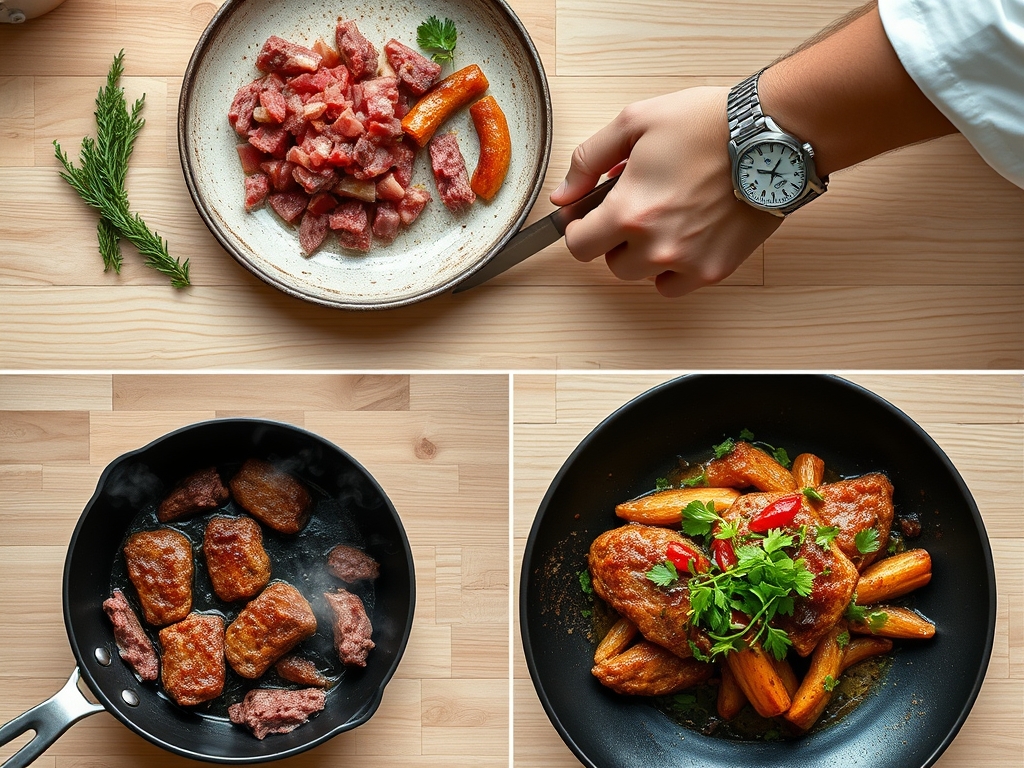
Place your beef in a preheated heavy-bottomed skillet. Do not crowd the pan. If you add too much meat at once, the temperature drops, and the beef boils in its own juices rather than searing.
Pro Tip: This prevents the "gray meat" syndrome. By maintaining high heat, you trigger the Maillard reaction, a chemical dance between amino acids and reducing sugars that creates hundreds of new flavor compounds.
2. The Fat Render
As the beef browns, use a bench scraper or a stiff wooden spoon to break the clusters into uniform crumbles. Allow the fat to render out completely until the liquid in the pan is clear, not cloudy.
Pro Tip: Rendered fat is a flavor carrier. If you drain it too early, you lose the essential lipids that coat the palate and prolong the aftertaste of your spices.
3. The Aromatic Infusion
Push the beef to the perimeter of the pan, creating a "hot zone" in the center. Add your garlic, ginger, and spices directly to the rendered fat.
Pro Tip: This is called "blooming" the spices. Heat releases the volatile oils within dried herbs and spices, making them significantly more potent and fragrant than if they were stirred into a liquid sauce.
4. The Deglaze and Emulsify
Pour your liquid components (soy, broth, or vinegar) into the pan. Use your spoon to scrape up the "fond," which are the brown bits stuck to the bottom.
Pro Tip: Those brown bits are concentrated umami. Deglazing dissolves them back into the sauce, creating a complex, savory base through hydrolysis.
5. The Carryover Finish
Remove the pan from the heat when the beef looks slightly more moist than your desired final result.
Pro Tip: This accounts for thermal carryover. The internal temperature of the meat will continue to rise by 5 to 10 degrees after leaving the burner. This ensures your lunch remains juicy rather than turning into dry pebbles.
The Deep Dive:
When we look at the macro nutrition of these ground beef recipes for lunch, we see a powerhouse profile. A standard 4-ounce serving provides roughly 25 grams of high-bioavailability protein, alongside essential B-vitamins and zinc. To keep it balanced, always pair your beef with a complex carbohydrate like quinoa or a fiber-rich base like cauliflower rice.
Dietary Swaps:
- Keto: Replace all sugars in sauces with liquid monk fruit and serve the beef in butter lettuce cups.
- Vegan: Use a pea-protein crumble and "beef" up the umami with a splash of liquid aminos and smoked paprika.
- Gluten-Free: Ensure your soy sauce is replaced with tamari or coconut aminos to avoid hidden wheat stabilizers.
The Fix-It:
- The Pitfall: The meat is tough and chewy. The Fix: You likely over-handled the meat or cooked it too long. Add a tablespoon of beef broth and a pinch of baking soda to the pan; this raises the pH and helps re-tenderize the proteins.
- The Pitfall: The sauce is too thin. The Fix: Create a slurry using one teaspoon of cornstarch and a tablespoon of cold water. Whisk it in over high heat to aerate and thicken the sauce instantly.
- The Pitfall: The flavor is flat. The Fix: It needs acid. A squeeze of fresh lime or a teaspoon of rice vinegar will "brighten" the dish by stimulating the salivary glands.
Meal Prep Science:
To maintain "day-one" quality when reheating, avoid the microwave if possible. Reheat in a skillet with a splash of water and a lid. This creates a steam chamber that re-hydrates the protein fibers, preventing the rubbery texture caused by microwave-induced protein denaturation.
The Wrap-Up:
Mastering ground beef recipes for lunch is about more than just surviving the noon hour; it is about reclaiming your energy with scientific precision. By understanding how to control heat, leverage fats, and balance acids, you turn a humble ingredient into a gourmet experience. These nine fixes are your roadmap to a faster, smarter, and infinitely more delicious midday break. Now, go forth and sear with confidence!
The Kitchen Table:
How do I keep ground beef from getting dry when reheating?
Add a splash of water or broth before reheating in a covered skillet. The steam re-hydrates the protein fibers, preventing the meat from becoming rubbery or tough. This preserves the original texture and moisture of the beef.
Can I freeze these ground beef lunches?
Yes, ground beef dishes freeze exceptionally well. Ensure the meal is completely cool before sealing in an airtight container. This prevents ice crystals from forming, which can degrade the texture of the meat and vegetables upon thawing.
What is the best way to drain excess fat?
Tilt your skillet and use a spoon to remove liquid fat, or use a paper towel held by tongs to blot the pan. Never pour grease down the drain; it solidifies and causes plumbing blockages.
How do I get a better crust on my ground beef?
Pat the meat dry with paper towels before cooking. Excess surface moisture creates steam, which prevents the Maillard reaction. A dry surface ensures a deep, savory brown crust and superior flavor development.