
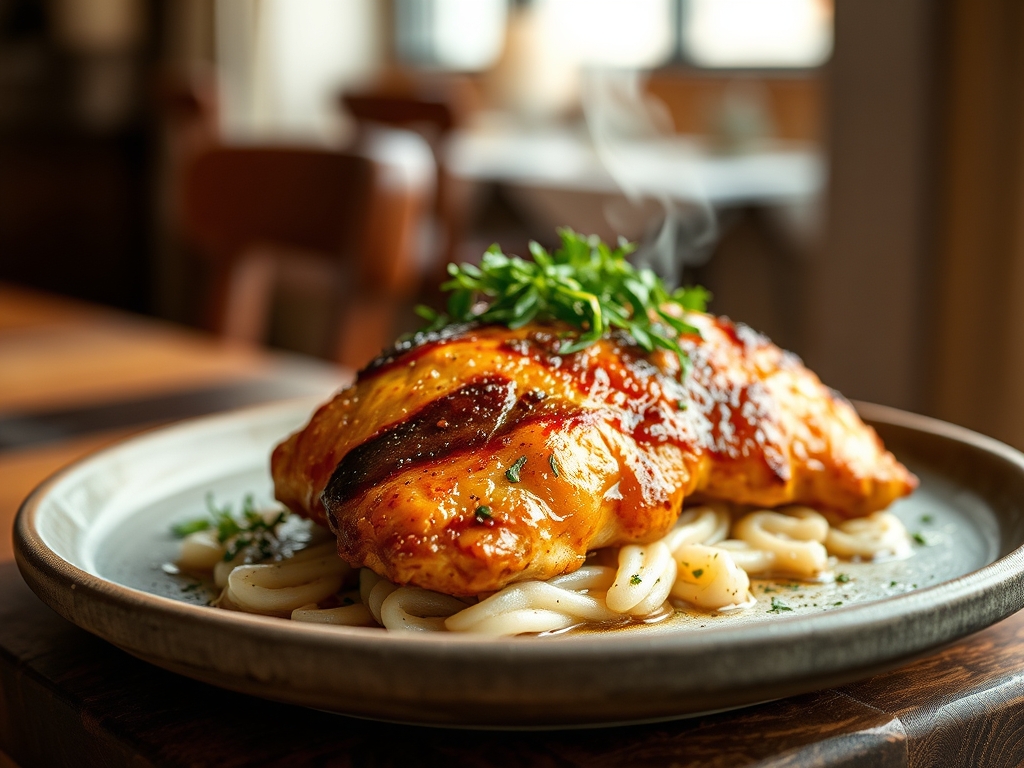
Picture a kitchen at dusk where the air is heavy with the scent of brine and melting butter. You are about to master mississippi chicken recipes, a collection of dishes that redefine comfort through a high-acid, high-fat flavor profile. It is the culinary equivalent of a warm hug with a sharp, vinegar-fueled wit.
The Gathers:
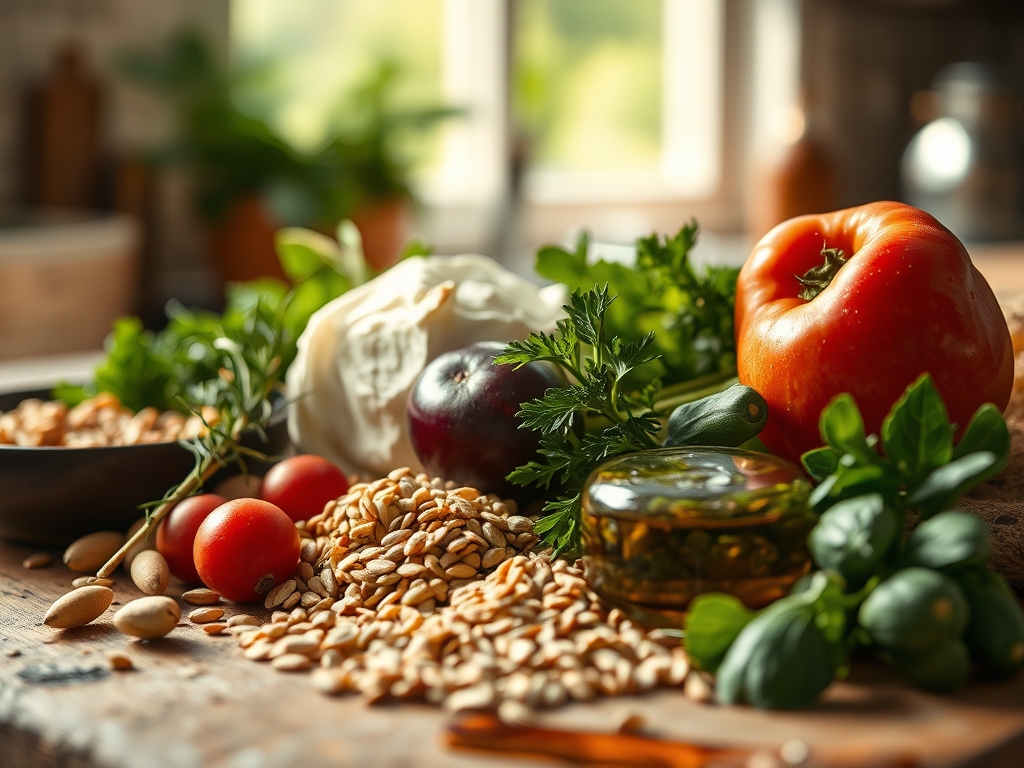
To execute these mississippi chicken recipes with precision, your mise-en-place must be flawless. We are looking for a specific chemical interaction between the lactic acid in the ranch seasoning and the acetic acid in the pepperoncini brine. You will need high-quality poultry; preferably organic thighs for their higher myoglobin content and fat rendering capabilities.
Grab your digital scale to measure out exactly 28 grams of dry ranch seasoning and 30 grams of au jus mix. The fat component is non-negotiable; use unsalted European-style butter for its lower water content and higher butterfat percentage. This ensures a more viscous sauce that clings to the protein rather than breaking into a greasy puddle. For the piquant kick, select whole pepperoncini peppers. If you prefer a more uniform heat distribution, use a microplane to zest a bit of the pickled pepper skin into the pot.
Smart Substitutions: If you are watching sodium levels, swap the au jus packet for a homemade reduction of bone broth and balsamic vinegar. For a dairy-free version, use a high-quality vegan butter substitute with a coconut oil base to maintain that essential mouthfeel and saturation point.
The Clock:
Efficiency in the kitchen is about the Chef's Flow. For these mississippi chicken recipes, preparation takes a mere 10 minutes of active labor. The "active" phase involves trimming the adipose tissue from the chicken and organizing your spices. The "passive" phase is where the magic happens.
In a slow cooker, you are looking at 4 to 6 hours on low heat. In a pressure cooker, the timeline shrinks to 25 minutes plus a natural pressure release. If you are using a heavy-bottomed skillet or a Dutch oven for a braised version, expect a 45-minute simmer. The goal is to reach an internal temperature of 165 degrees Fahrenheit, though taking thighs to 185 degrees allows the collagen to fully gelatinize, resulting in that signature "fall-apart" texture.
The Masterclass:
1. Sear and Deglaze
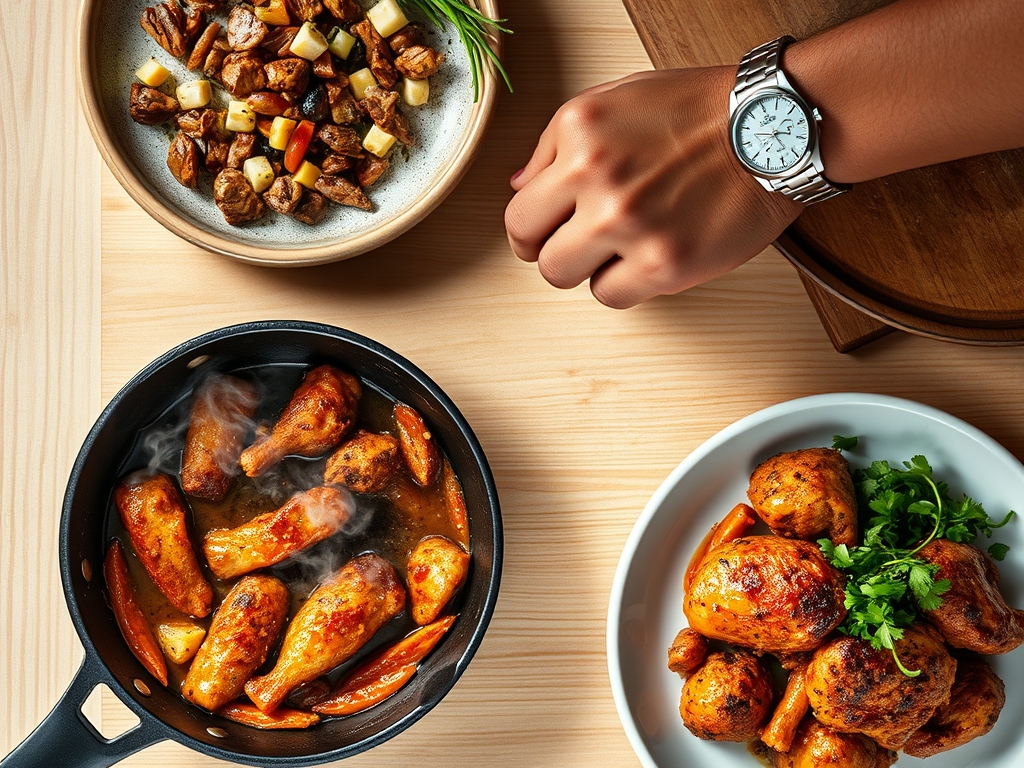
While many versions of mississippi chicken recipes suggest a "dump and go" method, we are elevating the game. Heat your heavy-bottomed skillet until it reaches the smoke point of your oil. Sear the chicken for 3 minutes per side to trigger the Maillard reaction. This creates complex flavor compounds that raw boiling simply cannot achieve. Use a saucier or wooden spoon to deglaze the pan with a splash of pepperoncini juice, scraping up the brown bits (the fond) which are concentrated umami gold.
Pro Tip: This browning is actually a chemical reaction between amino acids and reducing sugars. It provides a savory depth that balances the sharp acidity of the peppers later in the process.
2. The Layering Technique
Place your seared chicken into your cooking vessel. Sprinkle the ranch and au jus powders evenly over the surface. Do not stir yet. Place the cold butter pats on top. As the butter melts, it acts as a self-basting mechanism, carrying the spices down through the meat fibers as they relax under heat.
Pro Tip: Keeping the butter on top creates a convection effect within the pot. The fat melts and slowly coats each fiber of the meat, preventing the proteins from toughening during the initial heat spike.
3. The Infusion Phase
Add 5 to 8 whole pepperoncini peppers and a quarter cup of the brine. This brine acts as a denaturant, breaking down the tough connective tissues in the chicken. Cover tightly to trap the steam. This creates a high-pressure environment (even in a slow cooker) that forces the aromatic oils of the peppers into the protein.
Pro Tip: The capsaicin in the peppers is fat-soluble. By cooking them alongside the butter, you are creating a spicy emulsion that flavors the entire dish rather than just providing isolated pockets of heat.
4. The Shred and Emulsify
Once the chicken reaches its target temperature, use two forks or a bench scraper to shred the meat into bite-sized pieces. The meat should pull apart with minimal resistance. Now, stir vigorously. This final stir combines the rendered chicken fat, the melted butter, and the juices into a cohesive, velvety sauce.
Pro Tip: This is the moment of emulsification. The proteins released by the chicken act as a stabilizer, binding the fats and liquids together so the sauce does not separate on the plate.
The Deep Dive:
Let us talk numbers and nuances. A standard serving of mississippi chicken recipes is high in protein (approx 35g) and fat (22g), making it a darling of the Keto community. To make this Vegan, use oyster mushrooms or jackfruit; both have a fibrous structure that mimics shredded poultry. For Gluten-Free diners, ensure your au jus mix is certified, as many use wheat flour as a thickener.
The Fix-It:
- Too Salty: This is common due to the pre-packaged mixes. Fix this by adding a splash of heavy cream or a dollop of Greek yogurt at the end to provide a structural fat buffer.
- Too Greasy: If the fat has separated, use a fat separator or a chilled spoon to skim the surface. You can also whisk in a teaspoon of cornstarch slurry to re-bind the emulsion.
- Meat is Dry: This happens if the temperature rose too quickly. To fix, shred the meat very finely and let it sit in the warm sauce for 20 minutes to re-absorb moisture through capillary action.
Meal Prep: When reheating, do not use the microwave on high power. This causes the fats to explode and the proteins to rubberize. Instead, use a small saucepan over low heat and add a tablespoon of water or bone broth to re-hydrate the sauce.
The Wrap-Up:
Mastering mississippi chicken recipes is about more than just a slow cooker; it is about understanding how acid, fat, and heat dance together to transform humble ingredients into a gourmet experience. Whether you are serving this over cauliflower mash, buttered noodles, or inside a toasted brioche bun, you now have the technical prowess to make it perfect every single time. Go forth and cook with confidence!
The Kitchen Table:
Can I use chicken breasts instead of thighs?
Yes, but breasts lack the collagen of thighs. To prevent dryness, reduce the cooking time by 30 percent and use a digital thermometer to ensure the internal temperature does not exceed 165 degrees Fahrenheit.
How do I store leftovers safely?
Place the chicken in an airtight container within two hours of cooking. It will stay fresh in the refrigerator for up to four days. For longer storage, freeze for up to three months and thaw in the fridge before reheating.
Is there a way to make this less spicy?
The heat comes from the pepperoncini seeds. To mellow the flavor, de-seed the peppers before adding them to the pot. The brine provides the necessary acidity without the capsaicin burn, keeping the flavor profile balanced and mild.
What is the best side dish for this?
Because the dish is highly acidic and rich, pair it with a neutral starch. Mashed potatoes, steamed rice, or crusty sourdough bread are perfect for absorbing the viscous sauce and balancing the piquant notes of the peppers.