
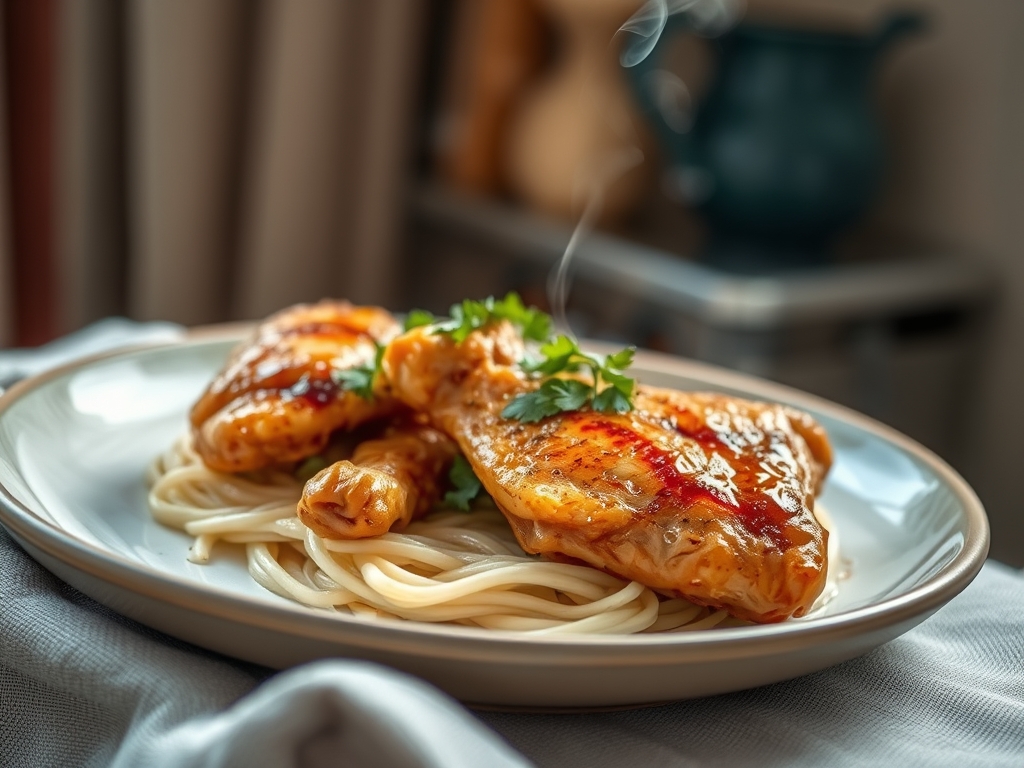
Imagine the kitchen at 6:00 PM; the refrigerator hums with the quiet promise of yesterday's roast. That cold, protein-dense bird is not a burden; it is a culinary head start. By mastering a few leftover cooked chicken recipes, you bypass the labor of searing and resting, moving straight to the flavorful finish line. We are turning "fridge forage" into a five-star experience.
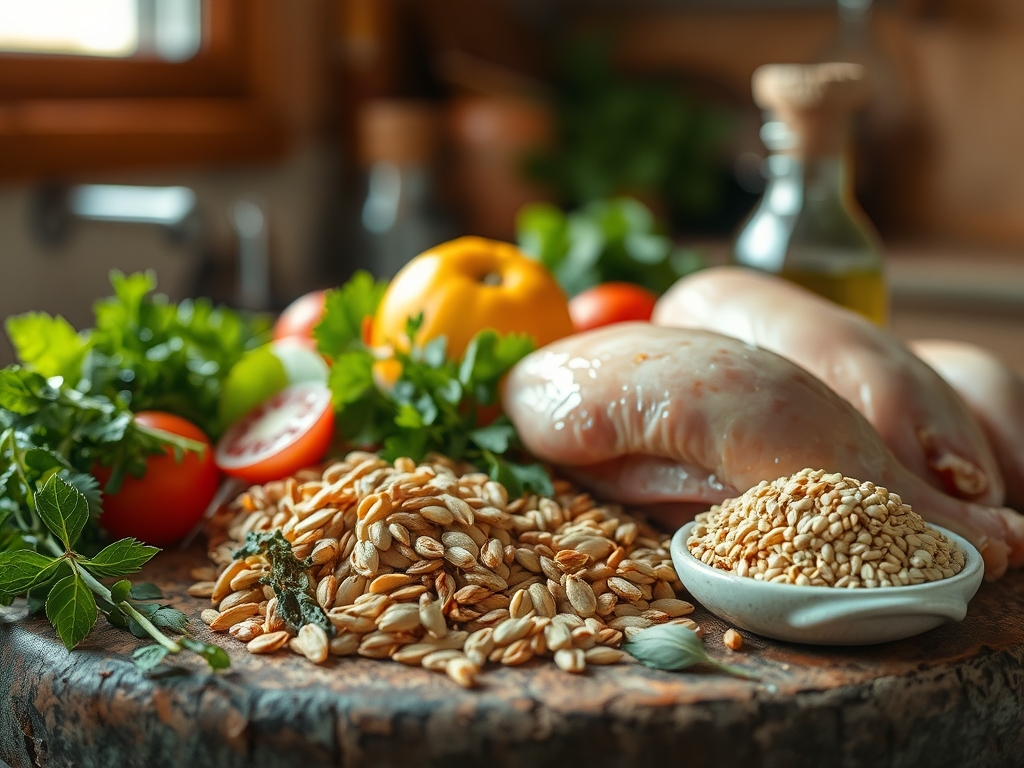
The Gathers:
To execute these transformations, your mise-en-place must be precise. Gather your aromatics including shallots, garlic, and ginger; these contain volatile oils that release when hitting a hot saucier. You will need a viscous binder like full-fat Greek yogurt or a high-quality mayonnaise to ensure moisture retention. Fresh herbs like cilantro and tarragon are non-negotiable for adding a piquant finish to heavy proteins.
Smart Substitutions: If you lack a rotisserie bird, use poached breasts shredded with a bench scraper to maintain fiber integrity. Swap heavy cream for coconut milk to infuse a silky, tropical fat profile without the dairy weight. If your chicken feels dry, a splash of bone broth and a dash of acid like lemon juice will chemically brighten the dullest fibers. Use a microplane to zest citrus directly over the bowl to capture the essential oils before they evaporate.
The Clock:
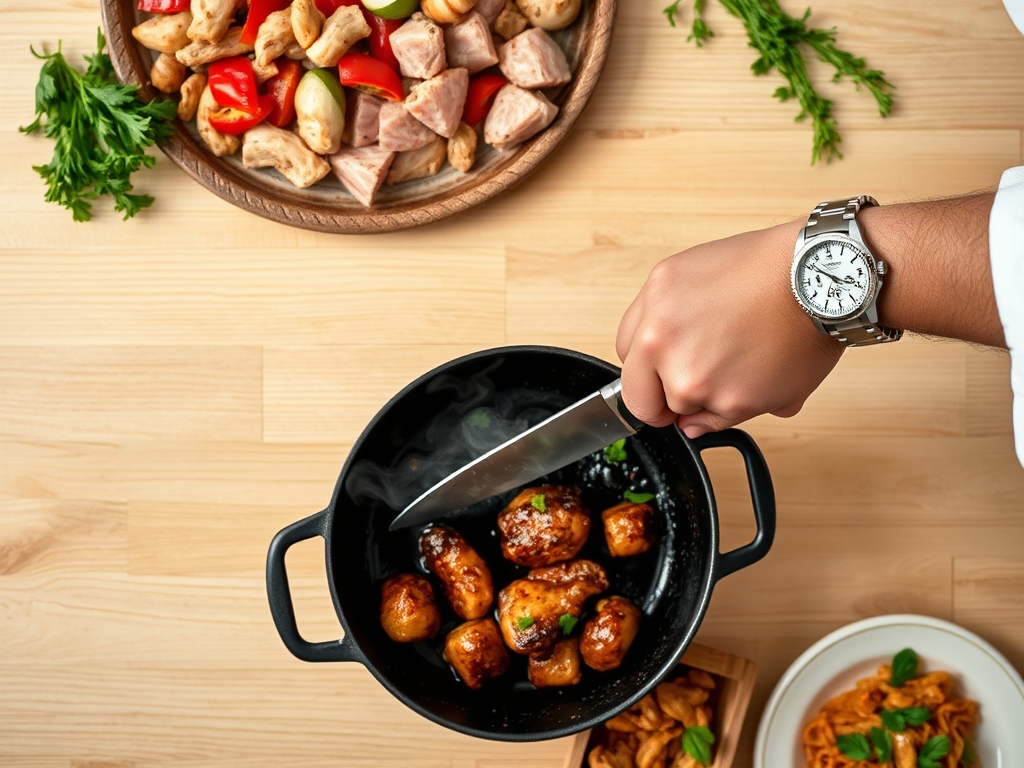
Efficiency in the kitchen is about Chef's Flow. This is the art of overlapping tasks so that no second is wasted. These seven transformations require a 15-minute prep window and a 10-to-20-minute active cook time. While your heavy-bottomed skillet preheats to achieve the perfect Maillard reaction on the skin, you should be dicing your mirepoix. By the time the pan is at temperature, your vegetables are ready to render. This synchronized approach ensures that the chicken only spends enough time under heat to reach an internal temperature of 165 degrees Fahrenheit, preventing the protein from becoming "stringy" through over-coagulation.
The Masterclass:
1. The Umami-Rich Chicken Fried Rice
Start by heating a carbon steel wok until it reaches the smoke point. Toss in your chilled, day-old rice and diced chicken. The cold temperature of the starch is vital; it prevents the grains from clumping. Use tongs to distribute the chicken evenly so it picks up the toasted notes of the sesame oil.
Pro Tip: This relies on the Maillard reaction. By using high heat and minimal stirring initially, you create a complex flavor profile through the browning of amino acids and reducing sugars.
2. The Mediterranean Chicken Salad
In a large glass bowl, whisk together tahini, lemon, and garlic until the mixture becomes viscous. Fold in your shredded chicken, halved cherry tomatoes, and cucumbers. The acidity in the dressing acts as a tenderizer for the pre-cooked meat.
Pro Tip: Practice emulsification here. Adding the oil slowly to the lemon juice while whisking vigorously creates a stable suspension that coats the chicken without sliding off.
3. The Velvety Chicken Pesto Pasta
Boil your pasta in highly salted water. In a separate saucier, warm your pesto on low heat. Add the sliced chicken and a splash of starchy pasta water. The starch acts as a bridge, allowing the fat in the pesto to bind to the protein.
Pro Tip: Watch for thermal carryover. Since the chicken is already cooked, you only want to bring it to a palatable warmth. Overheating will cause the proteins to tighten and expel their internal juices.
4. The Zesty Chicken Street Tacos
Flash-sear your shredded chicken in a heavy-bottomed skillet with cumin, smoked paprika, and lime juice. The goal is to create "crispy bits" that contrast with the soft corn tortilla. Use a digital scale to portion your meat precisely for a balanced bite.
Pro Tip: This involves deglazing. When the spices stick to the pan, the lime juice releases those caramelized particles, folding the concentrated flavor back into the meat.
5. The Creamy Chicken and Wild Rice Soup
Sauté celery, carrots, and onions in butter. Add chicken stock and wild rice, simmering until the grains "bloom." Fold in your diced leftover chicken at the very end to preserve its structural integrity.
Pro Tip: Use enzymatic browning to your advantage by deeply coloring the vegetables before adding liquid. This builds a foundation of flavor that compensates for the shorter simmer time.
6. The Spicy Buffalo Chicken Flatbread
Spread a thin layer of buffalo sauce over a flatbread, top with shredded chicken and blue cheese crumbles. Bake at 425 degrees Fahrenheit until the cheese is bubbling and the edges are charred.
Pro Tip: The high heat causes aeration in the dough, while the fat in the cheese protects the chicken from drying out in the oven's dry environment.
7. The Ginger-Soy Chicken Lettuce Wraps
Mince the chicken finely and toss it with hoisin, soy sauce, and grated ginger. Serve in butter lettuce cups for a high-contrast crunch. Use a microplane for the ginger to ensure it integrates seamlessly into the sauce.
Pro Tip: This highlights the diffusion of flavors. Letting the chicken sit in the sauce for just five minutes allows the salt to penetrate the cell walls, seasoning the meat from the inside out.
The Deep Dive:
From a macro perspective, chicken remains one of the most efficient delivery systems for lean protein. A standard 4-ounce serving provides roughly 31 grams of protein with minimal fat, depending on the cut. For those following a Keto lifestyle, increase the healthy fats by adding avocado or heavy cream-based sauces. Vegan friends can swap the chicken for chickpeas or soy-based "curds" while using the same flavor profiles. If you are Gluten-Free, ensure your soy sauce is replaced with tamari or coconut aminos.
The Fix-It: If your chicken is too dry, "velvet" it by tossing it in a mixture of cornstarch and a little broth before reheating. If the dish is too salty, add a splash of vinegar or honey to balance the palate. If the texture is "mushy," you likely overcrowded the pan; cook in batches next time to allow steam to escape.
For Meal Prep, reheating is a science. Avoid the microwave if possible; it vibrates water molecules so violently that it tears the protein fibers. Instead, use a covered skillet with a tablespoon of water or broth. This creates a "steam oven" effect that rehydrates the meat while heating it gently.
The Wrap-Up:
Transforming your fridge finds into gourmet meals is the ultimate kitchen flex. By understanding the chemistry of heat and the mechanics of flavor, these leftover cooked chicken recipes become a canvas for your creativity. No more sad, dry sandwiches; just vibrant, textured, and technically sound dishes that prove yesterday's dinner is today's masterpiece. Grab your tongs and get cooking!
The Kitchen Table:
How do I keep leftover chicken from getting dry?
Reheat the chicken slowly in a covered skillet with a splash of broth or water. This creates a steam-filled environment that rehydrates the protein fibers rather than stripping them of moisture like a microwave often does.
How long can I safely store cooked chicken?
Cooked chicken stays safe and flavorful for three to four days when stored in an airtight container in the refrigerator. Ensure it is cooled to room temperature before sealing to prevent excess condensation and bacterial growth.
Can I freeze leftover chicken recipes?
Yes, most chicken-based dishes freeze well for up to three months. For best results, freeze the chicken in a sauce or gravy to provide a protective barrier against freezer burn and oxidative stress on the meat.
What is the best way to shred cold chicken?
Use a bench scraper or two forks to pull the meat apart along the natural grain. For large batches, a stand mixer with a paddle attachment can shred cold chicken in seconds while maintaining a consistent texture.