
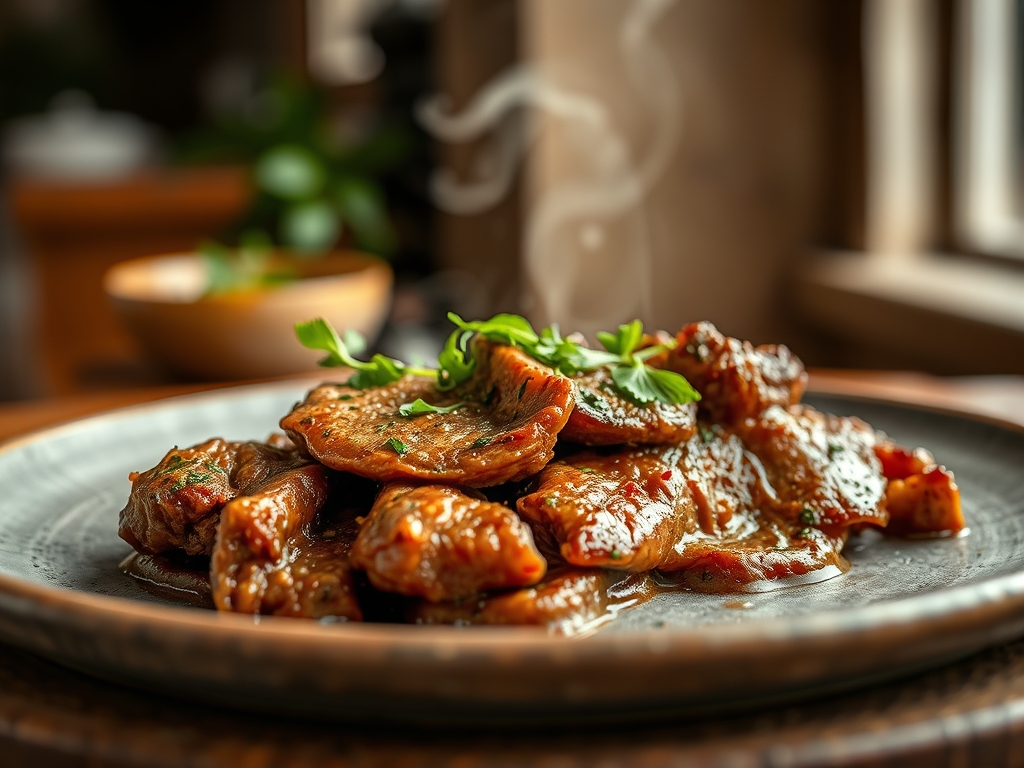
Imagine the scent of slow-simmered oregano and toasted garlic drifting through your kitchen as a marbled chuck roast transforms into something legendary. We are talking about the kind of tender, pull-apart protein that defines a city; the kind of meal that demands a stack of napkins and a hearty appetite. Finding the best italian beef recipes requires more than just a slow cooker and a prayer. It demands an understanding of how collagen converts to gelatin and how acid cuts through rich, rendered fats. Whether you are craving the classic Chicago-style sandwich or a refined pot roast version, mastering the balance of heat and herb is the secret to culinary success.
The beauty of these dishes lies in their complexity. We are not just boiling meat; we are layering flavors through browning, deglazing, and long-term infusion. This guide will walk you through the structural science of the perfect Italian beef, ensuring your results are consistently juicy and packed with piquant personality. Grab your favorite heavy-bottomed skillet and let us dive into the mechanics of the ultimate comfort food. We are going to treat these ingredients with the respect they deserve to ensure every bite is a masterclass in texture.
The Gathers:
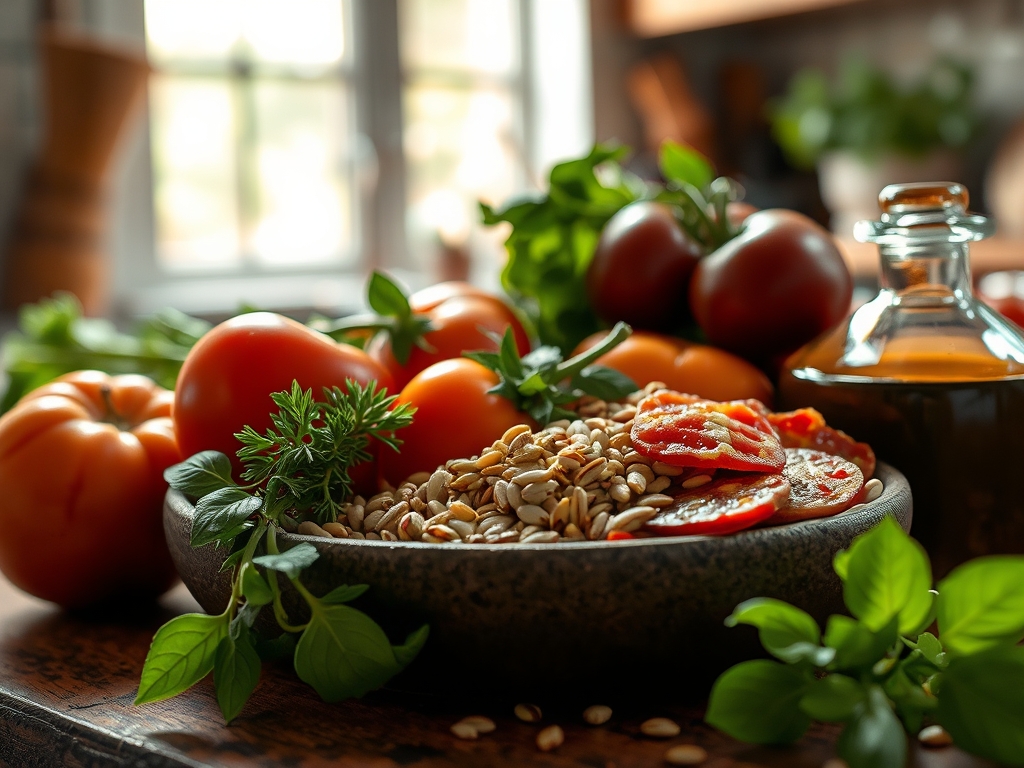
To execute the best italian beef recipes, your mise-en-place must be precise. Start with a four-pound chuck roast; this specific cut is essential because the high connective tissue content provides the necessary gelatin for a viscous, lip-smacking sauce. You will need a high-quality digital scale to measure your dry spices, as volume can vary wildly between brands of kosher salt. Gather your aromatics: fresh garlic cloves, dried oregano, basil, red pepper flakes, and a splash of Worcestershire sauce for umami depth.
The liquid gold of this recipe is the beef stock. Use a low-sodium version so you can control the salinity during the reduction process. For the "zing," you need a jar of piquant giardiniera and a splash of red wine vinegar to provide an acidic counterpoint to the heavy fats.
Smart Substitutions: If you cannot find a chuck roast, a bottom round or rump roast will work, though you may need to add a tablespoon of neutral oil to compensate for the lower fat content. For a deeper flavor profile, swap half of the beef stock for a dry red wine like a Chianti. This adds tannins that help break down muscle fibers while providing a sophisticated aromatic backbone. If you are sensitive to spice, replace the red pepper flakes with smoked paprika to maintain a robust color without the capsaicin heat.
The Clock:
The "Chef's Flow" is all about managing your active versus passive time. Expect about 20 minutes of active prep, including searing and vegetable chopping. The passive cooking time is where the magic happens; typically 3 to 4 hours in a 300-degree oven or 8 hours on a low slow-cooker setting.
Total time: 4 hours and 30 minutes.
Active time: 30 minutes.
Passive time: 4 hours.
The workflow begins with the sear, followed by the deglaze, and finally the long braise. While the beef is in the oven, you have a massive window to prep your sides or aerate your wine. Never rush the cooling process; allowing the meat to rest in its own juices for at least 30 minutes before shredding is the difference between dry fibers and a succulent masterpiece.
The Masterclass:
1. The Maillard Sear
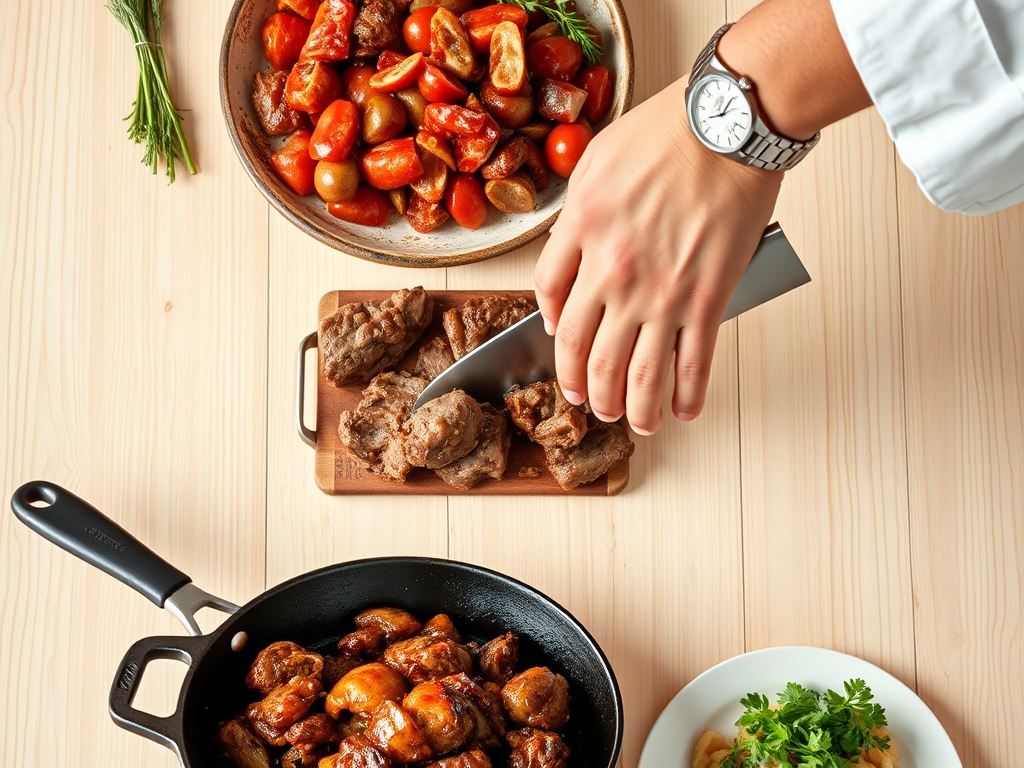
Pat the beef completely dry with paper towels. Use your heavy-bottomed skillet to heat a thin layer of oil until it reaches the shimmering point. Place the roast in the pan and do not move it for four minutes. Turn with tongs until every side has a deep, mahogany crust.
Pro Tip: This is the Maillard reaction in action. By creating a crust at high heat, you are rearranging amino acids and sugars to create hundreds of new flavor compounds that do not exist in raw meat.
2. Deglazing the Fond
Remove the meat and set it on a plate. Pour off excess fat, then add your beef stock or wine to the hot pan. Use a bench scraper or wooden spoon to aggressively scrape the brown bits (the fond) off the bottom of the pan.
Pro Tip: Deglazing captures the concentrated essence of the meat. These caramelized proteins dissolve into the liquid, creating a foundational base for a rich, savory jus.
3. The Spice Infusion
In a small bowl, combine your dried herbs and aromatics. Using a microplane, grate your fresh garlic directly into the liquid to ensure the oils are evenly distributed. Add the meat back into the pot or transfer everything to a saucier or slow cooker.
Pro Tip: Fat-soluble compounds in dried herbs like oregano and red pepper flakes need heat and time to "bloom." This process releases essential oils that would otherwise remain trapped in the dried leaf.
4. The Low and Slow Braise
Cover the vessel tightly with a lid or heavy-duty foil. Maintain a gentle simmer; never a rolling boil. If using an oven, 300 degrees Fahrenheit is the sweet spot for breaking down collagen without toughening the muscle fibers.
Pro Tip: At approximately 160 degrees internal temperature, collagen begins to denature and turn into gelatin. This transformation is what gives the beef its "melt-in-your-mouth" texture.
5. The Shred and Rest
Once the meat is fork-tender, remove it from the liquid. Let it rest on a cutting board for 15 minutes. Use two forks to shred the beef into long, thin strands, then return it to the pot to soak in the juices.
Pro Tip: Thermal carryover means the internal temperature will continue to rise even after you remove the meat from the heat. Resting allows the muscle fibers to relax and reabsorb the juices.
6. The Final Emulsification
Taste your jus. If it feels too thin, simmer it uncovered for 10 minutes to reduce. For a glossy finish, whisk in a cold knob of butter right before serving.
Pro Tip: This is a classic French technique called "monter au beurre." The cold butter creates a temporary emulsion that adds a silky mouthfeel and tempers the acidity of the vinegar.
The Deep Dive:
Macro Nutrition: A standard 6-ounce serving of Italian beef contains approximately 350 calories, 42 grams of protein, and 18 grams of fat. It is a powerhouse of iron and B vitamins, making it a functional choice for muscle recovery.
Dietary Swaps:
- Vegan: Use shredded king oyster mushrooms or jackfruit. Replace beef stock with a mushroom-based broth enriched with soy sauce for that essential umami.
- Keto: Serve the beef over a bed of riced cauliflower or sautéed spinach instead of a bun. The natural fats in the chuck roast make this an ideal ketogenic meal.
- GF: Ensure your beef stock is certified gluten-free and skip the traditional hoagie roll in favor of a GF wrap or a sturdy baked potato.
The Fix-It:
- Tough Meat: If the beef is still rubbery, it simply hasn't cooked long enough. Put it back in for another 45 minutes. The collagen needs time to melt.
- Too Salty: Add a peeled, halved potato to the pot and simmer for 15 minutes. The potato acts as a sponge for excess salt.
- Greasy Jus: Use a fat separator or chill the liquid overnight. The fat will solidify on top, making it easy to lift off with a spoon.
Meal Prep: Italian beef is actually better on day two. As it cools, the flavors continue to marry and penetrate the meat fibers. When reheating, do so gently in a saucepan over low heat. Avoid the microwave, which can cause the proteins to tighten and become "rubbery."
The Wrap-Up:
Mastering the best italian beef recipes is a rite of passage for any home cook who loves bold, rustic flavors. It is a lesson in patience, temperature control, and the magic of simple ingredients handled with care. From the initial sear to the final dip of a crusty roll into the savory jus, you are creating a culinary experience that is both sophisticated and deeply soul-satisfying. Now, go forth, grab your tongs, and turn that humble roast into a masterpiece that would make any Italian grandmother proud!
The Kitchen Table:
What is the best cut of meat for Italian beef?
The best cut is a chuck roast. Its high fat and connective tissue content break down into gelatin during the long braise, ensuring the meat remains tender and succulent rather than dry and stringy.
Can I make Italian beef in a pressure cooker?
Yes, you can use a pressure cooker to save time. Cook on high pressure for 60 to 90 minutes with a natural release. However, the flavors may not be as deeply developed as a slow oven braise.
How do I store leftover Italian beef?
Store the beef submerged in its jus in an airtight container. It will stay fresh in the refrigerator for up to four days or in the freezer for three months. Always reheat slowly on the stovetop.
What bread should I use for Italian beef sandwiches?
Use a sturdy, crusty Italian roll or a French baguette. The bread needs to be resilient enough to be "dipped" or "drenched" in the jus without completely disintegrating before you take a bite.